Acts 15
Diiloŋ-nelma Tobisĩfɛlɛnni · Tap a verse to see its cross-references.
Niɛraamba saaya ba jã wɛi?
1Nuɔmba naŋ baa hilaa *Yude‑i-na jo Ãntiyɔsi‑i-na ji ta ba piiye baa *niɛraamba maŋ hũyãa Yesu maama‑i wuɔ: «Da na saa *jã ŋaa *Moisi *ãnjĩnammaŋ waaŋ-ma dumaa, na siɛ gbãa kor.» 2Pol baa Barnabasi‑i ba saa hũu-ma baa-ba. Kuɔ sire bel vaa.
Diiloŋ-dũŋ-baamba ji naa ba hiel Pol baa Barnabasi‑i a naara terieŋgu faŋgu taamba namba, wuɔ ba kã *Yerusalɛmu‑i-na ka hi Yesu *pɔpuɔrbiemba‑i baa yaataamba‑i baa-ma. 3Aa naa tigiiŋ ba hũmelle‑i hã-ba; ba sire ta. Ba kãmma-na, ba curaa baa Fenisi, a kã ka hel *Samari. Niɛraambaŋ hũyãa Itieŋo maama‑i dumaa, da ba hi nelle nelle, ba tũnu Diiloŋ-dũŋ-baamba‑i baa-ma aa cor. Da ba waŋ-ma baa bamaŋ, ku gbuu fũnuŋ dɔlnu kutaamba‑i.
4Baŋ kaa hi Yerusalɛmu‑i, Diiloŋ-dũŋ-baamba jãrã-bɛi. Yaataamba waa hiere baa Yesu pɔpuɔrbiemba‑i. Diiloŋ uŋ kãayã Polbaa-ba ce mamaŋ hiere, baa tũnu-bɛi baa-ma.
5Baŋ juɔ piiye tĩ, *Farisĩɛbaa-ba maŋ hũyãa Yesu maama‑i ba hɔlma-na, banamba sire wuɔ niɛraamba maŋ hũyãa Yesu maama‑i, ba saaya ba jã aa ta ba wuɔ Moisi ãnjĩnamma hũmelle‑i.
Nelma ka da yaaŋga
6Baŋ piiye dumaaŋo-na, Yesu *pɔpuɔrbiemba‑i baa yaataamba da ba-naa ku ãndaaŋgu-na. 7Ãndaaŋ daaku waa pãnna cor. Piɛr wuɔ ji naa u sire yiɛra aa naa cira: «Tobiŋ namaa, na suyaa wuɔ dii ku domma-na Diiloŋ uŋ hielaa-mi na hɔlma-na wuɔ mi ka waŋ *Neldɔdɔlma‑i baa *niɛraamba‑i ba nu-ma aa hũu-ma. 8Fuɔ maŋ suyaaŋ nuɔmba kusũnni‑i, da na da u hãa-ba u *Yalle‑i ŋaa uŋ hãa miɛŋo‑i baa-de dumaa, kuu dii ŋaa u pigãaŋ wuɔ u hũyãa-ma ba da ba piɛ-yo. 9Diiloŋo kãŋ-ye kuuduɔŋgu hiere baa-ba. Ba hũyãa u maama‑i ku'i ciɛ u hur ba ãmbabalma‑i aa yaŋ-ba welewele waaŋ daama temma‑i. 10Coŋgoruoŋgu maŋ i bĩncuɔmba saa gbãa tũu-ku, miɛ fɛrɛ‑i i saa gbãa tũu-ku, bige‑i ciɛ na'a i haa-ku hã niɛraamba‑i baa-ku? Baa na feŋ Diiloŋo‑i. 11I hũyãa-ma wuɔ Yesu kuraa-ye gbãŋgbãŋ, kuuduɔŋgu yaa baa bafamba‑i.»
12Piɛrŋ piiye dumaaŋo-na, terieŋgu ce da sensenseŋ ŋaa molo si dii. Diiloŋ uŋ kãayã Pol baa Barnabasi‑i ba ce nelma maŋ hiere niɛraamba hɔlma-na, ka hel baa gbɛrɛ-wɛima‑i, bafaŋ baa suur ma yaaŋga-na ta ba waŋ-ma. 13Baŋ juɔ piiye tĩ, Sake wuɔ cira: «Tobiŋ namaa, niɛŋ, 14dii ku domma-na, Diiloŋ uŋ curaa corma maŋ duɔ hiel niɛraamba namba ce-ba fuɔ baamba, Simɔ waaŋ ma yaaŋga‑i hiere baa-ye. 15Kuŋ curaa corma maŋ, ku juɔ ji ce kuuduɔŋgu baa *Diilopɔpuɔrbiemba nelma‑i. Diilopɔpuɔrbiemba nyɛgãaŋ wuɔ:
16Itieŋo ciɛra: ‹Yiiŋgu dii baa yiiŋgu, mi ka bir jo.
Da mi jo, *Davidi dũŋgu maŋ cii,
mi ka sire-kuɔ.
Mi ka migãaŋ-ku ma-ku
ku yiɛra ku gbeiniŋ.
17Mafaŋ da ma ce, nuɔmba maŋ saa hi suɔ-mi yogo,
ba ka taara-miɛ suɔ-mi.
Miŋ bĩɛ bamaŋ nilɛiŋa-na hiere da mi ce-ba mi baamba,
ba ka ta ba taara ba Tieŋo‑i.
Muɔmɛi waaŋ-ma dumaa.
Da mi waŋ mamaŋ, mi ce-ma.
18Aa miŋ waaŋ-ma ku bãaŋgu cuɔ.› »
19Sake wuɔ suonu u ãndaaŋgu‑i wuɔ: «Ku'i ciɛ na da niɛraamba maŋ cuu Itieŋo huoŋ-nu, mɛi sa taara i mulĩɛŋ-ba. 20Ŋga mamaŋ dii cemma, i nyɛgɛ̃ŋ sɛbɛ a waŋ baa-ba wuɔ ba yaŋ cufĩɛŋ-kũɔma wuoma‑i, baa bĩmbaamba maŋ ba saa cãa ba nonni‑i, ka hel baa tãmma‑i hiere. Aa ba hiel ba naŋga bĩŋwosĩnni-na. 21Na saa da, a doŋ dii i bĩncuɔŋ-bãaŋ-nu, *Moisi *ãnjĩnamma waŋ nilɛiŋa-na hiere, aa ba sa nanna *yitĩɛnaŋgu baa ma kalamma‑i *Diilonelhãalãdũnni-na.»
22Sakeŋ juɔ piiye dumaaŋo-na, Yesu pɔpuɔrbiemba‑i baa Diiloŋ-dũŋ-baamba‑i, ka hel baa ba yaataamba‑i hiere, baa cira ba ka hiel nuɔmba ba hɔlma-na a puɔr-ba baa Polbaa-ba‑i Ãntiyɔsi‑i-na. Aa naa sire hiel yaataamba hãi; Silasi baa *Yuda. Yuda yerre nande yaa waa Barsabasi.
23Baŋ hielaa-ba, baa nyɛgɛ̃ŋ sɛbɛ‑i hã-ba. Sɛbɛ huɔya-maama yaa daa-ma:
«I natobiŋ namaa namaŋ niɛraaŋ namaaŋo‑i Ãntiyɔsi‑i-na, baa Siiri‑i-na, baa Silisi‑i-na, i jaalaa-na.
Yesu pɔpuɔrbieŋ miɛŋo‑i a naara *Yerusalɛmu Diiloŋ-dũŋ-baamba yaataamba‑i, miɛmɛi nyɛgãaŋ sɛbɛ daayo‑i diɛ hã-na.
24I nuɔ wuɔ i nelleŋ-baamba namba kãa na terieŋgu-na ka piiye cu na hɔmmu‑i. Baa na tie holle, miɛ saa puɔr-ba. 25Iŋ nuɔ-ma, i daa i-naa aa hiel nuɔmba diɛ puɔr-ba na wulaa. Kutaamba ka gbonu baa Pol baa Barnabasi‑i. 26Ba yaa i jɛ̃naamba. Ba siyaa kuliiŋgu‑i Itieŋo‑i Yesu-Kirsa maama-na. 27I hielaa Yuda baa Silasi ba da ba ka waŋ iŋ nyɛgãaŋ mamaŋ sɛbɛ‑i-na hã-na baa ba fɛrɛŋ nunni. 28*Diiloŋ-Yalle‑i baa miɛ fɛrɛ‑i i sa taara i haa coŋgoruoŋgu naŋ temma hã-na, ŋga mamaŋ siɛ gbãa ciɛl kɔtuɔŋgu ma yaa daa-ma: 29Na hiel na naŋga cufĩɛŋ-kũɔma wuoma-na, baa bĩmbaamba maŋ ba saa cãa ba nonni‑i, baa tãmma‑i. Aa na ne bĩŋwosĩnni‑i aa na yaŋ-ni. Da na ce-ma ŋaa iŋ waaŋ-ma dumaa, ku ka fa. I ka waa Diiloŋ-yiiŋgu.»
30Ba taa baa sɛbɛ‑i ku yaa nuɔ‑i, kã ka hi Ãntiyɔsi‑i; ba tigiiŋ Diiloŋ-dũŋ-baamba‑i hiere a hã-ba baa-yo. 31Diiloŋ-dũŋ-baamba hũu-yo kalaŋ-yo. Baŋ kalaaŋ-yo, u huɔya-maama gbuu silaa dɔlnu-bɛi hiere ŋaa bige‑i! Ba kũɔma pãŋ firnu.
32Yuda‑i baa Silasi‑i ba waa *Diilopɔpuɔrbiemba, baa piiye nelma bɔi baa Diiloŋ-dũŋ-baamba‑i a dii sirɛiŋa bɛi ba migãaŋ bel Yesu maama‑i nammu hãi. 33Ba daa huɔŋgu cɛllɛ baa-ba aa suɔ da ba bir kũŋ. Baŋ'a ba ta yiiŋgu-na, Diiloŋ-dũŋ-baamba gbuu jaal-ba da dɛi aa hã-ba hũmelle‑i. 34[Baŋ hãa-ba hũmelle‑i, Silasi saa ta.]
35Pol baa Barnabasi‑i bafamba waa tĩɛna Ãntiyɔsi ta ba waŋ Itieŋo maama‑i. Nuɔmba bɔi waa baa-ba naara.
Pol baa Barnabasi‑i ba buɔra
36Huɔŋgu naŋgu juɔ hi, Pol wuɔ gbɛ̃ Barnabasi‑i wuɔ: «Iŋ curaa waŋ Itieŋo maama‑i nilɛiŋa maŋ nuɔ‑i hiere, yaŋ i bir i kã-yɛi i ka ne bamaŋ hũyãa-ma baŋ yeŋ mamaŋ nuɔ‑i.» 37Barnabasi wuɔ tuɔ taara ba kã baa Nsãa maŋ ba naŋ bĩŋ-yoŋ Marke‑i. 38Pol saa hũu-ma, wuɔ uu naa kã baa-ba aa ka bir aa yaŋ-ba dii Pãnfili. 39Kuɔ sire bel vaa. Ba saa ji nunu ba-naa, ba naa ba bɔrɔ. Barnabasi wuɔ biɛ Marke‑i ba kã ka biɛ baatoŋo ta ba kã Sipire. 40Diiloŋ-dũŋ-baamba cãrã Diiloŋo‑i hã Pol aa u biɛ Silasi‑i ba ta. 41Ba wuɔraaya bĩŋ Siiri nilɛiŋa-na hiere baa Silisi waaŋa‑i ta ba dii sirɛiŋa Diiloŋ-dũŋ-baamba‑na.
Did you know?
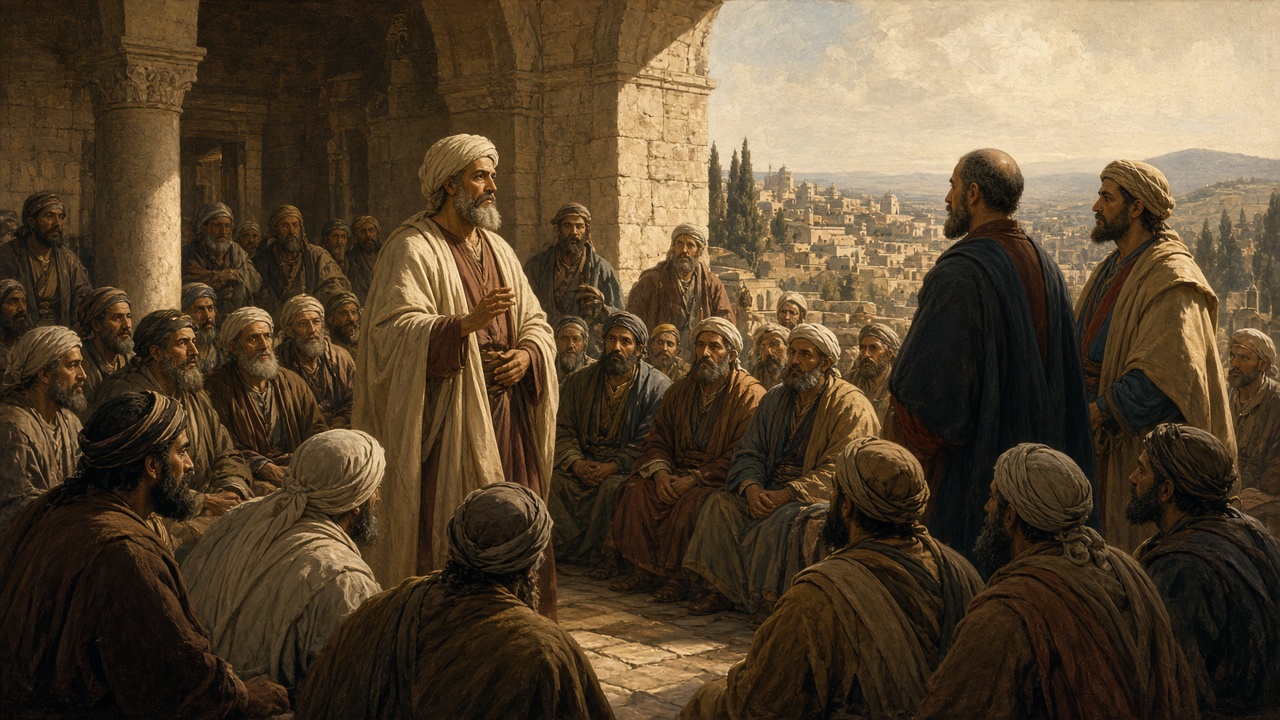
The Council on Gentile Believers
- The dispute began in Antioch, on the Orontes about three hundred miles north of Jerusalem, then ranked third among the cities of the Roman empire, after Rome and Alexandria. On the way to the council, Paul and Barnabas passed through Phoenicia, a coastal strip about one hundred twenty miles long, and through Samaria. A chronological note dates the Jerusalem Council to AD 46.Sources: Antioch (Syria) · Phenicia · the Bible text itself · Jerusalem Council
- Easton's Bible Dictionary (1897) says that James, whom it calls the brother or near kinsman of Jesus, headed the church in Jerusalem and presided at the council on the Gentiles. The letter that followed was addressed to Gentile believers in Antioch, Syria, and Cilicia. Cilicia, Paul's home province and a maritime Roman province in the southeast of Asia Minor since 67 BC, included his native city of Tarsus.Sources: James (Brother of Jesus) · the Bible text itself · Cilicia · Paul
- Judas, called Barsabbas, and Silas, also known as Silvanus, were prophets and leading men of the Jerusalem church, sent to confirm the council's decision in person. A later sharp disagreement over John Mark, cousin of Barnabas, separated the two missionaries: Barnabas took Mark and sailed for Cyprus, while Paul chose Silas. A chronological note dates that parting to AD 47.Sources: the Bible text itself · Silas · John Mark · Paul and Barnabas part ways
Notes written with AI assistance from open sources (Theographic Bible Metadata, CC BY-SA 4.0; Easton’s Bible Dictionary, public domain) and reviewed before publishing.
Places in this chapter
- Antioch · Today: Antioch on the Orontes · 36.227, 36.172 · verses 1, 22, 23, 30, 35
- Judea · Today: Judea 1 · 31.777, 35.234 · verse 1
- Jerusalem · 31.777, 35.234 · verses 2, 3, 4, 22, 23, 33
- Phoenicia · 33.271, 35.196 · verse 3
- Samaria · Today: Samaria 2 · 32.276, 35.195 · verse 3
- Cilicia · 36.913, 34.892 · verses 23, 41
- Syria · Today: Syria 2 · 33.511, 36.306 · verses 23, 41
- Pamphylia · 37.000, 31.000 · verse 38
- Cyprus · 35.000, 33.000 · verse 39
Only places identified with high confidence are shown (90% or more according to the scholarly sources compiled by OpenBible). Period map: DARE (Digital Atlas of the Roman Empire), CC BY 4.0; modern map: © OpenStreetMap contributors; places: OpenBible.info (CC BY 4.0).
Credits and license for this translation
Diiloŋ-nelma Tobisĩfɛlɛnni
New Testament in Cerma (UV:cme:Cerma)
copyright © 2011 Wycliffe Bible Translators, Inc.
Language: (Cerma)
Translation by: Wycliffe Bible Translators, Inc.
Copyright Information
© 2011, Wycliffe Bible Translators, Inc. All rights reserved.
This translation text is made available to you under the
terms of the Creative Commons License: Attribution-Noncommercial-No Derivative Works.
( http://creativecommons.org/licenses/by-nc-nd/3.0/ )
In addition, you have permission to port the text to different file formats, as long as you
do not change any of the text or punctuation of the Bible.
You may share, copy, distribute, transmit, and extract portions
or quotations from this work, provided that you include the above copyright
information:
You must give Attribution to the work.
You do not sell this work for a profit.
You do not make any derivative works that change any of the actual words or punctuation of the Scriptures.
Permissions beyond the scope of this license may be
available if you contact
us with your request.
The New Testament
in Cerma
© 2011, Wycliffe Bible Translators, Inc. All rights reserved.
This translation is made available to you under the terms of the
Creative Commons Attribution-Noncommercial-No Derivatives license 4.0.
You may share and redistribute this Bible translation or extracts from it in any format, provided that:
You include the above copyright and source information.
You do not sell this work for a profit.
You do not change any of the words or punctuation of the Scriptures.
Pictures included with Scriptures and other documents on this site are licensed just for use with those Scriptures and documents.
For other uses, please contact the respective copyright owners.
2014-04-23
Source: http://ebible.org/cmeNT/ · eBible.org