1 Corinthians 7
Diiloŋ-nelma Tobisĩfɛlɛnni · Tap a verse to see its cross-references.
Pol piiye cɛjãlleŋ-kũŋgu
1Naŋ nyɛgãaŋ sɛbɛ maŋ hã-mi, i ka waŋ fuɔ maama yaa fiɛfiɛ‑i-na. Na ciɛra wuɔ bibiɛŋ nuɔ da ŋ saa biɛ ciɛŋo ku faa. 2Ma miŋ ka waŋ mamaŋ, ma yaa daama: Da na ta na taara na hiel na naŋga‑i kakarkuoŋo-na, bibiɛŋ nuɔ ŋ saaya ŋ biɛ ŋ yerreŋ ciɛŋo, aa ciɛŋo bi soŋ u yerreŋ bɔlɔ nuɔ. 3Bibiɛŋoŋ saaya u tuɔ ce kumaŋ u hã u ciɛŋo‑i u tuɔ ce-ku, aa ciɛŋoŋ bi saaya u tuɔ ce kumaŋ u hã u bɔlɔ‑i u bi tuɔ ce-ku. 4Ãnsorre-na, ciɛŋo siɛ gbãa ce kumaŋ dɔlaanu-yuɔ baa fuɔ fɛrɛŋ kũɔma‑i; u bɔlɔ maama. Aa bɔlŋo siɛ bi gbãa ce kumaŋ dɔlaanu-yuɔ baa fuɔ bi maama‑i, u ciɛŋ maama. 5Unaa baa yagar unaŋo muŋgallammu-na. Mi saa yagar-ma da na'a na saa-ma wuɔ na ka bel na fɛrɛ a da huɔŋgu cɛllɛ a gbãa da na cãrã Diiloŋo‑i fafamma aa suɔ cor baa na ãnsorre‑i di temma‑i. Ni ma'i sĩ da na yaŋ ku vaaya, na siɛ ji gbãa bel na fɛrɛ, a ce dumaaŋo-na, *Sitãni ka hi-na guɔl na gbeini‑i. 6Mi waaŋ nelma'i, ku saa ce ŋaa mi guor-na na da na ce-ma dɛ!
7Coima saa fa, kuɔ nuɔmba‑i hiere baa naa waa siraamba mɛi temma‑i, ku yaa naa dɔlnu muɔ. Ŋga Diiloŋo saa ce-ye kuuduɔŋgu hiere: U hãa unaŋo daaku aa hã unaŋo daaku. 8Mamaŋ dii mi da mi waŋ-ma baa siraamba‑i baa bikulcaamba‑i, ma yaa daama: Da na tĩɛ dɛi ŋaa muɔmiŋ tĩyãa dumaa mi saa biɛ ciɛŋo, ku faa. 9Ŋga nuɔni maŋ da ŋ suɔ wuɔ ŋ siɛ gbãa bel ŋ fɛrɛ, biɛ ciɛŋo. Da ŋ biɛ ciɛŋo‑i ku bɔyaa ŋ tĩɛna ŋ diei aa cɛ-maama ta ma ko-ni. Da ku bi waa ciɛŋ nuɔ, ŋ soŋ. Da ŋ soŋ bibiɛŋ-na ku bɔyaa ŋ tĩɛ ŋ diei aa bɛ-maama ta ma ko-ni.
10Bamaŋ dii ãnsorre-na aa waa Diiloŋ-dũŋ-baamba hiere, bafamba maama yaa daama; mɛi saa waŋ-ma, Itieŋo'i waaŋ-ma. Wuɔ ciɛŋo saa saaya u hel u bɔlɔ wulaa. 11Duɔ hel, u saa saaya u biɛ bɔlŋo naŋo. Da kuɔ bibiɛŋ maama dii-yuɔ, u bir u kã ba ka nunu ba-naa baa u bɔlɔ‑i. Aa bibiɛŋ nuɔ ŋ saa bi saaya ŋ nanna ŋ ciɛŋo‑i.
12Mɛi fɛrɛ‑i, miŋ ka waŋ mamaŋ baa banamba‑i ma yaa daama: Da ŋ hũu Diiloŋ-maama‑i, aa ŋ ciɛŋo saa hũu-ma, aa hũu-ma duɔ tĩɛna baa-ni, ŋ saa saaya ŋ nanna-yuɔ wuɔ u saa hũu Diiloŋ-maama‑i. 13Kuuduɔŋgu yaa baa caamba‑i; nuɔ da ŋ hũu Diiloŋ-maama‑i, aa ŋ bɔlɔ saa hũu-ma, aa hũu-ma ŋ da ŋ tĩɛna baa-yo, ŋ saa saaya ŋ hel u wulaa. 14Bɔlŋo faŋo temma‑i, uŋ hũyãa-ma kertĩɛciɛ soŋ-yuɔ, u piyaa Diiloŋo‑i. Aa ciɛŋo maŋ saa hũu Diiloŋ-maama‑i aa hũu-ma soŋ kertĩɛyiɛŋo-na, u piyaa Diiloŋo‑i. Kuɔ ma saa naa waa dumaa, baa naa cira ba bisãlmba‑i siɛ gbãa piɛ Diiloŋo‑i a ne da ba piyaa-yo. 15Ŋga umaŋ duɔ u saa hũu Diiloŋ-maama‑i, aa u tĩɛnatieŋo hũu Diiloŋ-maama‑i, aa wuɔ fuɔ si dii u tĩɛnatieŋo maama-na, ba baa cie-yo; ba yaŋ u kã. Kufaŋgu terieŋgu-na, u tĩɛnatieŋo maŋ hũyãa Diiloŋ-maama‑i, u yaa bɔlŋo‑i wa, u yaa ciɛŋo‑i wa, uu dii u fɛrɛŋ nuɔ. Diiloŋo bĩɛ-na wuɔ na waa yaafɛ̃lleŋ. 16Da ŋ yagar aa nyaar, naŋ ka gbãa kor ŋ tĩɛnatieŋo‑i wɛi? Ŋ siɛ gbãa ce Diiloŋ nuɔ suɔ mafamma‑i.
Tĩyãaŋ na temma‑i
17Da ma hel daama-na, naŋ ŋa naa waa dumaa aa Diiloŋo bĩ-na, na tĩɛ dumɛi; Diiloŋo yaa wuɔ ma ce dumaa. Mi wuɔra mi waŋ ma yaa‑i terni-na hiere baa Diiloŋ-dũŋ-baamba‑i.
18Diiloŋoŋ taa u bĩ-na huɔŋgu maŋ nuɔ‑i, da kuɔ unaŋ nuɔ ŋ naa *jã, baa yaŋ senserre ta di da-ni baa ŋ *jãmma‑i. Da kuɔ ŋ saa naa bi jã, baa yaŋ senserre ta di da-ni wuɔ ŋ saa jã, tĩɛ dumaa, baa cira ŋ jã. 19Ŋ jãa o, ŋ saa jã o, yuŋgu si dii-kuɔ. Kumaŋ gbãaŋ, ŋ baa yagar Diiloŋo nuŋgu‑i. 20Naŋ ŋa naa waa waama maŋ aa Diiloŋo suɔ duɔ bĩ-na, na hieroŋo‑i hiere na saaya na tĩɛ dumɛi. 21Diiloŋoŋ taa u bĩ-ni, da kuɔ nii naa waa kɔriɛŋ nuɔ, baa yaŋ ma jaŋ-ni. Ŋga da ba hã-ni hũmelle‑i ŋ da ŋ hel kɔrsĩnni-na, hel-niɛ. 22Na saa da, Itieŋo‑i Yesu-Kirsa duɔ bĩ kɔriɛŋo maŋ, u jo ji ce nebiŋo u wulaa, aa umaŋ duɔ waa nebiŋo aa u bĩ-yo, u jo ji ce u kɔriɛŋo. 23Diiloŋo sãa-na sukpekpelluŋ, baa na bir na ce nelbiliemba kɔraaŋ namaa. 24Tobiŋ namaa, mi siɛ kar ku coima, naŋ waa dumaa aa Diiloŋo bĩ-na, waaŋ waama famma yaa‑i u hũmelle-na.
Bamaŋ saa hi suur ãnsorre-na
25Kumaŋ ŋaa bamaŋ saa hi suur ãnsorre-na ba kũŋgu‑i, mi ka piiye cɛllɛ kuɔ. Miŋ ka waŋ mamaŋ, ma saa hel Itieŋo nuŋ-nu, mɛi huɔya-maama. Diiloŋo faa baa-mi, a ce huhurma si dii mi nelma-na.
26Mulĩɛmaŋ maaraaya fiɛfiɛ‑i-na, mɛi wulaa ku bɔyaa nuɔmba tĩɛ ba temma‑i ba baa suur ãnsorre-na. 27Da kuɔ ciɛŋo dii baa-ni tĩ, baa nanna-yuɔ. Da kuɔ ciɛ sĩ baa-ni, baa dii ŋ yuŋgu‑i cakũŋgu-na. 28Ku saa ce ŋaa da ŋ biɛ ciɛŋo‑i ku balaaŋ dɛ! Ku saa bi ce ŋaa ciɛŋ duɔ soŋ ku balaaŋ dɛ! Ŋga bamaŋ suurii ãnsorre-na ba ka mulĩɛŋ yaŋ siraamba‑i ku'i ciɛ miɛ na baa suur-diɛ.
29Tobiŋ namaa, miŋ taaraŋ mi waŋ mamaŋ ma yaa daama: Huɔŋgu saa tiraa tĩɛ bɔi. Terieŋgu faŋgu-na, a doŋ fiɛfiɛ‑i-na, caantaamba saaya ba waa ŋaa ba saa dii caamba. 30Bamaŋ kaalaaŋ ba ce ŋaa wɛima saa da-ba. Bamaŋ nyiɛŋ ba ce ŋaa ba hɔmmu saa fɛ̃. Bamaŋ sãa bĩmbĩnni‑i, ba baa haa ba naŋga niɛ. 31Bamaŋ daaŋ miwaaŋo tɔ̃nɔ‑i, ba baa haa ba naŋga yuɔ. Miwaaŋ daa uŋ yeŋ waama maŋ, u siɛ tiraa cɔ.
32Mi sa taara ãnjɔguɔma yu na hɔmmu‑i. Na saa da, umaŋ duɔ saa dii ciɛŋo, ŋ da u yii baa Itieŋo maacemma yaa yoŋ; u taara u ce kumaŋ dɔlaanuŋ Itieŋo‑i. 33Ŋga umaŋ duɔ dii ciɛŋo, u yii baa miwaaŋ daayo maama; u taara u ce kumaŋ dɔlaanuŋ u ciɛŋo. 34A ce dumaaŋo-na uu dii sɔmma hãi. Kuuduɔŋgu yaa baa caamba‑i, umaŋ duɔ saa soŋ, ŋ da u gbu u yii baa Itieŋo maacemma yaa yoŋ. U wɛima‑i hiere ma kãa ka jũŋ Diiloŋo yaa nuɔ‑i. Ŋga ciɛŋo maŋ duɔ soŋ, u yii baa miwaaŋ daayo maama; u taara u ce kumaŋ dɔlaanuŋ u bɔlɔ.
35Da na da mi piiye dumandɛ‑i-na, mi taara namaa fafaaŋgu'i. Na baa da niɛ sĩ mi taara mi cie-na, ma'i sĩ. Mi taara na nyaar Itieŋo'i nuɔ‑i baa huɔŋga diei aa na ta na ce kumaŋ faa cemma.
36Fiɛfiɛ‑i-na, umaŋ duɔ ne da u dɔrŋo maama yuu u huɔŋga‑i, aa ne da fuɔ duɔ saa biɛ-yo ku ka ce kpelle u wulaa, u gbãa biɛ-yo, bãaniŋo sĩ. 37Ŋga umaŋ duɔ yiɛra-mɛi wuɔ u sa taara u dii ciɛŋo, aa ne da da ba bɔrɔ baa u dɔrŋo‑i ku siɛ ce bãaniŋo, aa u gbãa bel u fɛrɛ cakũŋgu-na, da kuɔ ma hilaa fuɔ fɛrɛŋ huɔŋ-na, ku faa. 38Terieŋgu faŋgu-na, umaŋ duɔ jã u dɔrŋo‑i ku faa, umaŋ duɔ hiel u naŋga u dɔrŋo maama-na, kufaŋgu tiraa fa yaŋ.
39Casoiŋ nuɔŋo‑i, ŋ bɔlɔ duɔ waa cicɛ̃lma, ŋ siɛ gbãa kã ka soŋ yaŋga naŋga. Ŋga duɔ ku, nii dii ŋ fɛrɛŋ nuɔ, ŋ gbãa soŋ bibiɛŋo maŋ dɔlaanu-niɛ. Kumaŋ gbãaŋ, bibiɛŋo faŋo saaya u hũu Yesu maama‑i. 40Ŋga mɛi wulaa duɔ tĩɛ u saa soŋ, ku ka buɔ-yuɔ yaŋ duɔ kã ka soŋ bibiɛŋo naŋ-na. Mafamma‑i mɛi huɔya-maama, aa mi suyaa miɛ *Diiloŋ-Yalle bi dii baa muɔŋo‑i.
Did you know?
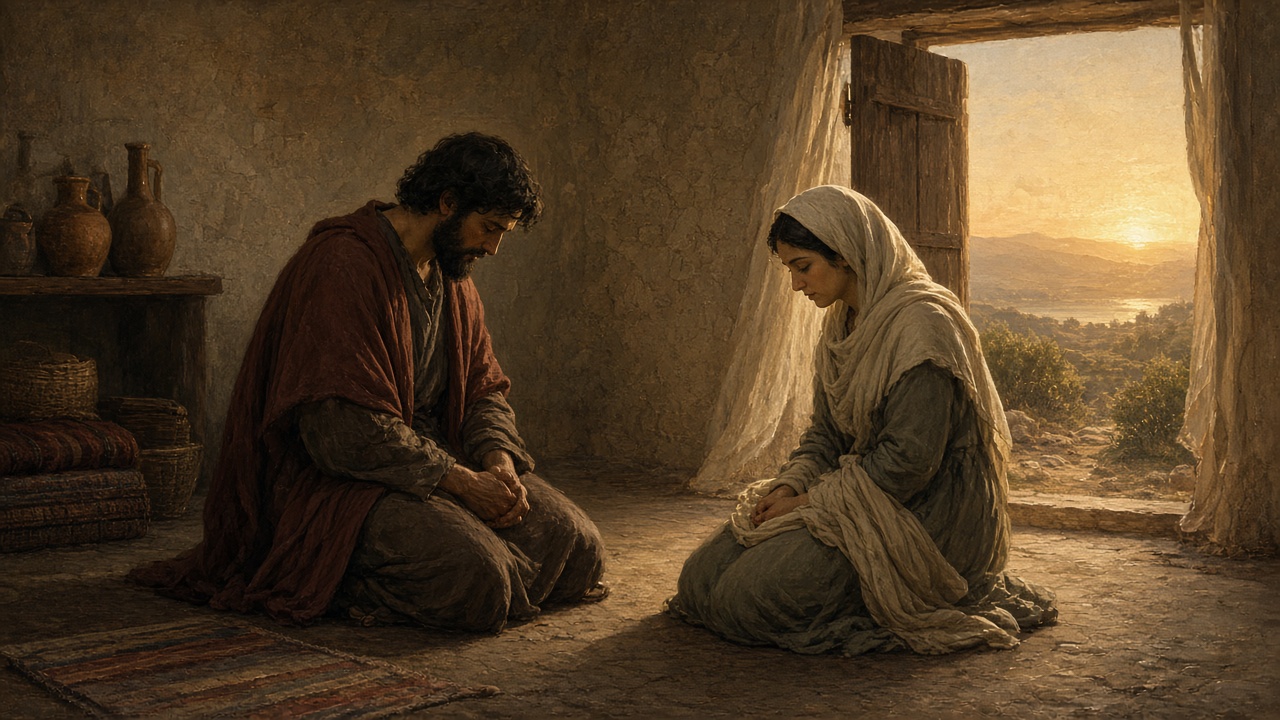
Counsel on marriage and the present crisis
- The chapter opens as a reply to matters the readers had written about. The writer says it is good to abstain from sexual relations, yet, because there is so much sexual immorality, each man should have his own wife and each woman her own husband. He presents this as a concession, not as a command, and says that each person has their own gift from God.Sources: the Bible text itself
- In marriage, the writer says the wife does not have authority over her own body, but the husband does, and likewise the husband does not have authority over his own body, but the wife does. They should not deprive each other except by mutual consent and for a time, so they may devote themselves to prayer, and then come together again, so that Satan will not tempt them through lack of self-control. Easton's Bible Dictionary (1897) presents the name Satan as “adversary” or “accuser,” and notes that he tempted Jesus in the wilderness.Sources: the Bible text itself · Satan
- The writer distinguishes a command he attributes to the Lord—a wife must not separate from her husband, and a husband must not divorce his wife—from his own judgment where he says he, not the Lord, is speaking, including marriages with an unbeliever and questions about virgins. Because of what he calls the present crisis, and because he says the time is short and this world in its present form is passing away, he thinks it good to remain as one is. He adds that to marry is not to sin, though those who marry will face troubles in this life.Sources: the Bible text itself
Notes written with AI assistance from open sources (Theographic Bible Metadata, CC BY-SA 4.0; Easton’s Bible Dictionary, public domain) and reviewed before publishing.
Credits and license for this translation
Diiloŋ-nelma Tobisĩfɛlɛnni
New Testament in Cerma (UV:cme:Cerma)
copyright © 2011 Wycliffe Bible Translators, Inc.
Language: (Cerma)
Translation by: Wycliffe Bible Translators, Inc.
Copyright Information
© 2011, Wycliffe Bible Translators, Inc. All rights reserved.
This translation text is made available to you under the
terms of the Creative Commons License: Attribution-Noncommercial-No Derivative Works.
( http://creativecommons.org/licenses/by-nc-nd/3.0/ )
In addition, you have permission to port the text to different file formats, as long as you
do not change any of the text or punctuation of the Bible.
You may share, copy, distribute, transmit, and extract portions
or quotations from this work, provided that you include the above copyright
information:
You must give Attribution to the work.
You do not sell this work for a profit.
You do not make any derivative works that change any of the actual words or punctuation of the Scriptures.
Permissions beyond the scope of this license may be
available if you contact
us with your request.
The New Testament
in Cerma
© 2011, Wycliffe Bible Translators, Inc. All rights reserved.
This translation is made available to you under the terms of the
Creative Commons Attribution-Noncommercial-No Derivatives license 4.0.
You may share and redistribute this Bible translation or extracts from it in any format, provided that:
You include the above copyright and source information.
You do not sell this work for a profit.
You do not change any of the words or punctuation of the Scriptures.
Pictures included with Scriptures and other documents on this site are licensed just for use with those Scriptures and documents.
For other uses, please contact the respective copyright owners.
2014-04-23
Source: http://ebible.org/cmeNT/ · eBible.org