1 Corinthians 10
Diiloŋ-nelma Tobisĩfɛlɛnni · Tap a verse to see its cross-references.
Yaaŋ cufĩɛŋa buolma‑i
1Tobiŋ namaa, mamaŋ daa i bĩncuɔmba‑i *Moisi bãaŋgu-na, mi taara na suɔ-ma hiere. Duherru nandu naa cĩnnu-bɛi a saaŋ-ba ba kã ka karnu dãmmaŋ-nuoraaŋgu‑i. 2Ku ciɛ ŋaa ba *baatiseŋ duherru-na baa dãmmaŋ-nuoraaŋgu-na a ce kuuduɔŋgu baa Moisi‑i. 3Ba hieroŋo‑i ba wuyaa Diiloŋ-niiwuoduɔni, 4aa nyɔŋ Diiloŋ-hũnduɔma. Hũmma famma taa ma hel tãmpɛ̃lleŋ, aa tãmpɛ̃lle fande yaa waa *Kirsa‑i. U waa baa-ba terni-na hiere. 5Mafammaŋ fiɛ ce, ba fɔ̃ŋgũɔ saa ta ba ce Diiloŋo huɔŋga‑i, ku'i ciɛ ba wuɔra ku dii *hĩɛkuraaŋgu-na.
6Nel daama ciɛ da ma pigãaŋ-ye wuɔ i saa saaya i yaŋ ãmbabalma cemmaŋ-maama ta ma dɔlnu-yiɛ ŋaa maŋ taa ma dɔlnu i bĩncuɔmba‑i dumaa. 7Baa na ta na buol cufĩɛŋa‑i ŋaa i bĩncuɔmbaŋ taa ba ce dumaa. Diiloŋ-nelma waaŋ-ma wuɔ: «Ba tĩɛnaana wuo niiwuoni‑i aa nyɔŋ kolma‑i. Baŋ juɔ wuo tĩ, ba sire ce ba bãaŋgu‑i.» 8Baa na yaŋ i tiɛ ce figĩiŋ-kakarkuoŋo‑i ŋaa i bĩncuɔmba naŋ ceŋ dumaa. Ba ciɛ ku yaa‑i nuɔmba neifieŋ-cĩncieluo baa di diei nuɔmba nuɔsiba ndii kuu-bɛi yinduɔŋgu-na. 9Baa na yaŋ i feŋ Kirsa‑i ŋaa i bĩncuɔmba naŋ fiɛŋ-yo dumaa a ce jɛ̃naamba doŋ-ba ko-ba. 10Baa na ta na waana ŋaa i bĩncuɔmba naŋ waanaŋ dumaa, a ce *dɔrpɔpuɔrbiloŋo maŋ kuɔŋ nuɔmba‑i u jo ji ko-ba.
11Nel daama ciɛ nuɔmba da ba gbãa suɔ ba fɛrɛŋ belma. Ba nyɛgãaŋ-ma da ba gboya miɛ maŋ piyaa miwaaŋo tĩmma‑i. 12Terieŋgu faŋgu-na, umaŋ duɔ tuɔ ne wuɔ sĩ fuɔ yiɛraaya u gbeiniŋ, u gbãŋ u baa ji cii. 13Mamaŋ guɔlaaŋ nelbiliemba gbeini‑i Diiloŋ-hũmelle-na, ma yaa bi guɔlaaŋ namaa niini‑i. Ŋga Diiloŋo‑i nunni hãi tieŋo sĩ; u siɛ yaŋ ma jĩnya-nɛi. Kumaŋ da ku ta ku guɔl na gbeini‑i, u ka kãyã-nɛi aa pigãaŋ-na naŋ ka ce dumaa hel-kuɔ.
14Mi jɛ̃naaŋ namaa, terieŋgu faŋgu-na, jande, niɛŋ cufĩɛŋa buolma‑i aa na yaŋ-ma. 15Mi suyaa miɛ na suɔ kuyuŋgu ku'i ciɛ mi ta mi piiye baa-na dumandɛ‑i. Miŋ waŋ mamaŋ, namaa fɛrɛ‑i niɛŋ-maŋ na ne, coima wɛi? 16Diɛ tiɛ wuo Itieŋo niiwuoni‑i, iŋ jaal Diiloŋo‑i ciiŋga maŋ maa-na‑i, ka sa pigãaŋ wuɔ Kirsa tãmma yaa ciɛ i waa u horre-na wɛi? Iŋ bi calnuŋ *buruo maŋ baa i-naa, u'i sa pigãaŋ wuɔ Kirsa kũɔma yaa ciɛ i waa u horre-na wɛi? 17Buruo diei dii; iŋ fiɛ ciinu, i wuo burduɔŋo faŋo yaa‑i. Ku yaa pigãaŋ wuɔ ii dii horduɔleŋ.
18Niɛŋ *Isirahɛl-baamba‑i, ba mumbuolmuŋ-terieŋgu‑i Diiloŋ-kũŋgu, a ce dumaaŋo-na, bamaŋ wuyaaŋ bĩmbaamba maŋ baŋ koŋ-baŋ terieŋgu-na, kutaamba dii Diiloŋo horre-na. 19Ku saa ce ŋaa mi taara mi cira cufɛ̃llu‑i baa du kũɔma‑i nii dii baa yuŋgu waama namma, 20ma'i sĩ. Ŋga mi taara mi cira baŋ koŋ bĩmbaamba maŋ cufĩɛŋa-na, ba sa ko-ba ba hã Diiloŋo, ba ko-ba ba hã *jĩnabaa. A ne da mi sa taara wɛima waa na hɔlma-na baa jĩnabaa-ba‑i. 21Na siɛ gbãa nyɔŋ baa Itieŋo ciiŋga‑i aa miɛl nyɔŋ baa jĩna ba kaaŋga‑i. Na siɛ gbãa wuo Itieŋo niiwuoni‑i aa tiraa miɛl wuo jĩna ba niini‑i. 22Diɛ vaaya kufaŋgu‑i, Itieŋo huɔŋga ka du baa-ye; a ne da i siɛ gbãa fi baa-yo.
Yaaŋ i tiɛ kãyã i-naa Diiloŋ-hũmelle-na
23Na ciɛra bĩŋkũŋgu saa nyaa-ye. Ninsoŋo, bĩŋkũŋgu saa nyaa-ye, ŋga bĩmbĩnni hieroŋo saa fa baa-ye. Bĩŋkũŋgu saa nyaa-ye, ŋga bĩmbĩnni hieroŋo sa ce i naŋ kaasĩnni Diiloŋ-hũmelle-na. 24Nɛliɛŋo nɛliɛŋo, u saaya u tuɔ taara banamba fafaaŋgu, u baa tuɔ ne fuɔ kũŋgu‑i.
25Ma nyɛgãaŋ Diiloŋ-nelma-na wuɔ: «Miwaaŋo‑i baa u huɔya-niini‑i hiere Itie fuɔ niini‑i», a ce dumaaŋo-na, da na da kũɔma maŋ saŋga-na, na baa cira na yuu ma sĩnni‑i, na sãa na wuo; na baa jaana na hɔmmu‑i.
27Moloŋ duɔ bĩ-ni wuɔ ŋ kã na ka wuo niiwuoni, da kuɔ kutieŋo saa hũu Yesu maama‑i, da ŋ kã, da ba hã-ni kumaŋ, ŋ baa jaana ŋ huɔŋga‑i, ŋ hũu ŋ wuo fiɛya aa ŋ baa yuu moloŋo baa wɛima. 28Ŋga moloŋ duɔ da tũnu-niɛ wuɔ kũɔŋ daama‑i cufɛ̃lluŋ-kũɔma, ne kutieŋo‑i aa ŋ yaŋ; baa wuo. Da ŋ wuo, ŋ ka hã kutieŋo‑i ãnjɔgɔbabalamma. 29Mi saa ne namaa ãnjɔguɔma aa piiye, mi niɛ umaŋ gbuɔya-nɛi fuɔ maama'i aa piiye.
Unaa gbãa cira: «Da kuɔ bĩŋkũŋgu saa nyaa-mi, ma da niɛ na'a mi saa saaya mi wuo daaku‑i, wuɔ da mi wuo-ku mi ka hã unaŋo ãnjɔgɔbabalamma? 30Da mi da kuuwuoŋgu‑i aa jaal Diiloŋo‑i aa suɔ da mi wuo-ku, ma ce niɛ unaa jo ji tuɔ gãŋ baa-mi wuɔ mi ciɛ niɛ wuo-ku?» 31Mi gbãa waŋ mamaŋ, ma yaa daama: Na wuo wa! Na nyɔŋ wa! Sisɔ da na ta na ce bĩŋkũŋgu bĩŋkũŋgu, na saaya na ta na ce-ku Diiloŋ-yerre fafaaŋ-nu. 32Baa na yaŋ na ciluɔ tuɔ guɔl banamba gbeini‑i; u baa guɔl *Yuifu ba niini‑i, u baa guɔl *niɛraamba niini‑i, u baa bi guɔl Diiloŋ-dũŋ-baamba niini‑i. 33Taa na ce mɛi temma: Muɔmi vaa mi fɛrɛ wɛima-na hiere ta mi ce kumaŋ kãayãŋ nuɔmba‑i. Mi sa taara mɛi fafaaŋgu, mi taara nuɔmba‑i hiere ba fafaaŋgu Diiloŋo duɔ kor-ba.
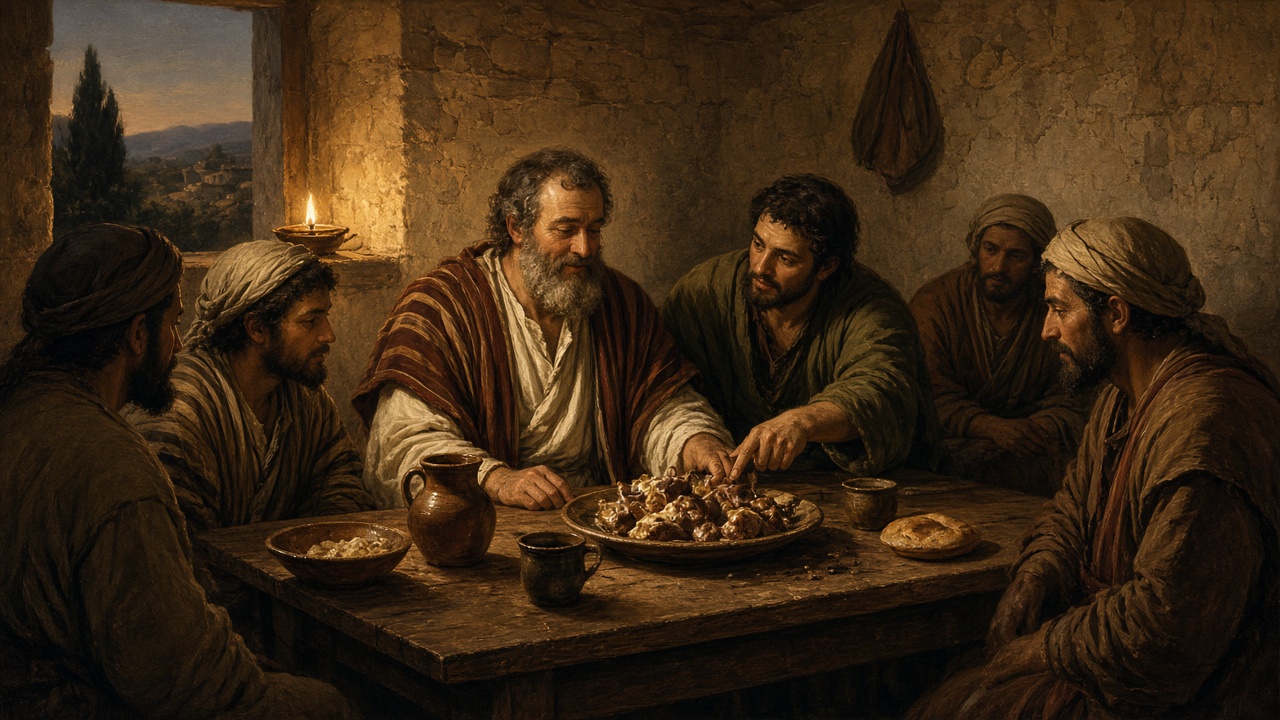
Did you know?
Wilderness Warnings and the Lord's Table
- Paul says he does not want the Corinthians unaware that the forefathers were all under the cloud and all passed through the sea, and that they were baptized into Moses in the cloud and in the sea. They all ate the same spiritual food and drank the same spiritual drink from the spiritual rock that accompanied them, and he says that rock was Christ.Sources: the Bible text itself
- Paul says God was not pleased with most of them, for they were struck down in the wilderness. He lists idolatry, sexual immorality in which twenty-three thousand died in one day, testing Christ, which brought death by snakes, and complaining, punished by the destroying angel, and calls these events examples written down as warnings.Sources: the Bible text itself
- He calls the cup of blessing and the bread that is broken a participation in the blood and body of Christ, and says pagan sacrifices are offered to demons, not to God, so the two tables cannot be shared. Food sold in the meat market may be eaten without raising questions of conscience, for "The earth is the Lord's, and the fullness thereof," but if someone says it was offered to idols, it should be refused for that person's conscience.Sources: the Bible text itself
Notes written with AI assistance from open sources (Theographic Bible Metadata, CC BY-SA 4.0; Easton’s Bible Dictionary, public domain) and reviewed before publishing.
Credits and license for this translation
Diiloŋ-nelma Tobisĩfɛlɛnni
New Testament in Cerma (UV:cme:Cerma)
copyright © 2011 Wycliffe Bible Translators, Inc.
Language: (Cerma)
Translation by: Wycliffe Bible Translators, Inc.
Copyright Information
© 2011, Wycliffe Bible Translators, Inc. All rights reserved.
This translation text is made available to you under the
terms of the Creative Commons License: Attribution-Noncommercial-No Derivative Works.
( http://creativecommons.org/licenses/by-nc-nd/3.0/ )
In addition, you have permission to port the text to different file formats, as long as you
do not change any of the text or punctuation of the Bible.
You may share, copy, distribute, transmit, and extract portions
or quotations from this work, provided that you include the above copyright
information:
You must give Attribution to the work.
You do not sell this work for a profit.
You do not make any derivative works that change any of the actual words or punctuation of the Scriptures.
Permissions beyond the scope of this license may be
available if you contact
us with your request.
The New Testament
in Cerma
© 2011, Wycliffe Bible Translators, Inc. All rights reserved.
This translation is made available to you under the terms of the
Creative Commons Attribution-Noncommercial-No Derivatives license 4.0.
You may share and redistribute this Bible translation or extracts from it in any format, provided that:
You include the above copyright and source information.
You do not sell this work for a profit.
You do not change any of the words or punctuation of the Scriptures.
Pictures included with Scriptures and other documents on this site are licensed just for use with those Scriptures and documents.
For other uses, please contact the respective copyright owners.
2014-04-23
Source: http://ebible.org/cmeNT/ · eBible.org