1 Timothy 2
Iwaperite tajorentsi ikenkithatakoetziri awinkatharite Jesokirishito: owakirari inimotakiri tajorentsi · Tap a verse to see its cross-references.
Riyotaakotziri tsika akantya apinkathatantyaariri Tajorentsi
1Nityaawo nokamantemiro iroka: pamaneri Tajorentsi, pikanteri ramitakoeyerini maawaeni atziri, eejatzi pipaasonkitakowenteri. 2Eejatzi pikanteri ramitakoeyerini jewaperowenantatsiripaeni eejatzi maawaeni paashini iwinkatharitzinkarite, kameetha ajeekaeyantyaarini, eero añaantawo ashiiryaagaeni. Eejatzi kameetha antaperotero aapatziyeeyarini Tajorentsi, añaaperoeyerini eejatzi akimityaari irira. 3Okameethatzi amanapiinteri Tajorentsi, tema rirotaki owawijaakoeyakaerini, tema rootaki ikowakaakaeri. 4Ikowaperotaki rirori awijakoeyeni maawaeni, eejatzi ikowaki ayoteeyeroni kyaaryootatsiri, maawaeni. 5Maawaeni ajeekaeyini aari jaka kipatsikika. Omaanta apintzi Pawa Tajorentsi, ijeeki janta jenokinta. Tee añiiri. Eejatzi eenitatsi apatziro apaani shirampari owaagapiinteerori iñaani: riraga Jesokirishito. Eejatzi apatziro irira rowaagakiniri Tajorentsi añaani aari, asheninkatantakariri. 6Riraga Jesokirishito rirotaki kowashiteenchari, ikantzi: “Nokowaki nokamawenteeyerini maawaeni atziri nopinawenteniri kaari kameethatatsiri rantziri nowawijaakoeyantyaaririni”. Ari imatakaeniro ayoteeyantakaririni. 7Iitakina kenkithateroni iñaani, eejatzi rotyaantakina niyotagaeyerini maawaeni paashinijatzitatsiri atziri raapatziyawo iroka kyaaryootatsiri. Tee notheeya, kyaaryootaki iroka nokantzimiri.
Tsika akantyaari akenkithatakayeri Tajorentsi
8Ari nokowaki amaneeyerini Tajorentsi, maawaeni. Aririka amaneri, kameetha ajeekaeyeni: tee okameethatzi akijeri paashinipaeni, tee okameethatzi atheenkeri Tajorentsi. 9Eejatzi nokowaki okithaatya tsinani kameetha, omaanta tee riro okithaatashityaari shiramparipaeni iñaawenatantyaawori eejatzi tee okameethatzi okenkithashiryaakaarikari shirampari kaari kameethatatsi. Tee okameethatzi otzipiyakaantero oeshi iñaawenatanteetyaawori, eejatzi tee okameethatzi owaneenkashityaawo ooro, eejatzi peraata. Eejatzi tee okameethatzi okantakaaperotakayaawo oethaari pinaperotachari: iñaawenatawokari. 10Omaanta okameethatzi oneshironkatante paashinipaeni: ari okameethatawitari anteeyeronimi maawaeni aapatziyaariri Tajorentsi. 11Ritakari Tajorentsi riwetsikakiri Araani paerani, roojatzi roori riwetsikakiro Eewa. Okameethatzi okemijantaperoteri tsinani shirampari eejatzi omaerite, eejatzi tee okameethatzi omperatyaari oemi, omaanta okameethatzi omaerite. 14Tee ramatawitziri Jatanaashi Araani, omaanta ramatawitakiro tsinani, rootaki anantakawori kaari kameethatatsi: tee okemijantaperotziri Tajorentsi. 15Omaanta aririka okaminthayeri tsinani otomipaeni, okantatyeeyaani aapatziyari Tajorentsi, onintaperoeyerini osheninkapaeni, kameetha ojeeke, kameetha okenkithashiryaa, ari owawijaakotakya.
Did you know?
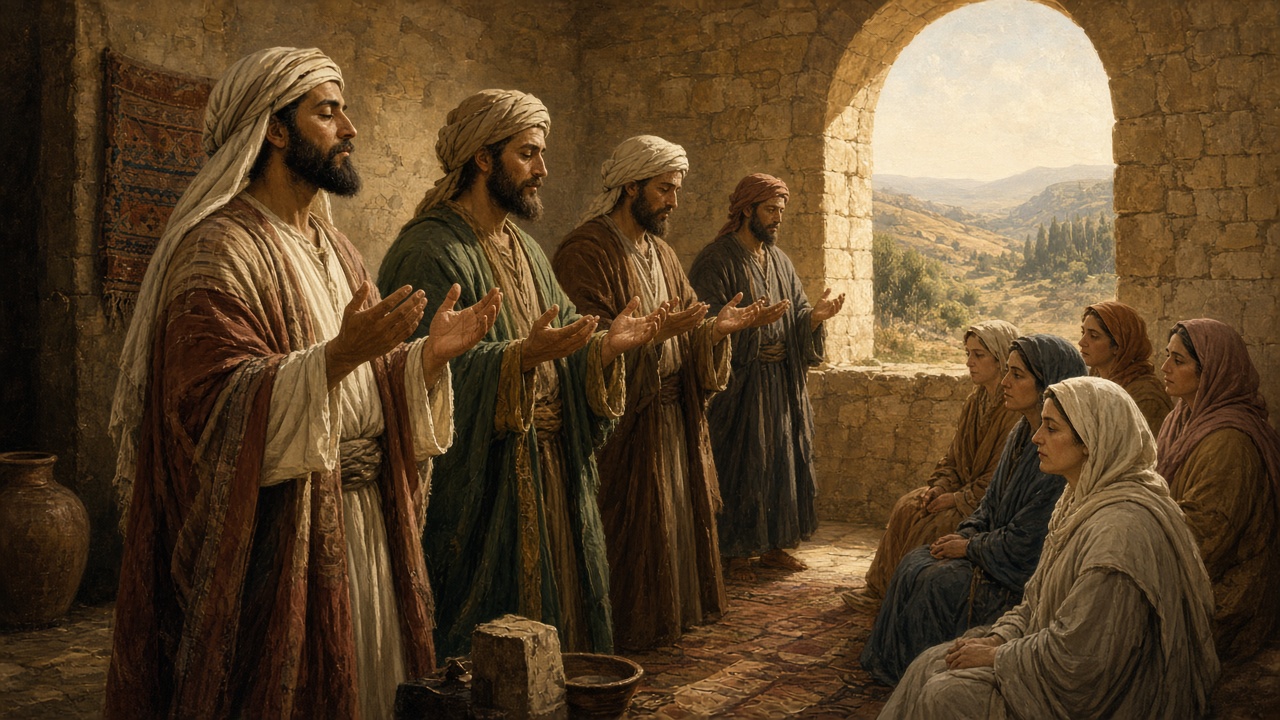
Prayer, modest worship, and Adam and Eve
- This chapter urges that petitions, prayers, intercessions, and thanksgiving be offered for everyone, including kings and all those in authority, so that believers may lead tranquil and quiet lives in all godliness and dignity. It also says there is one God and one mediator between God and men, the man Christ Jesus, who gave himself as a ransom for all.Sources: the Bible text itself
- When the letter says that Adam was formed first, and then Eve, it appeals to the first man of Genesis. Easton's Bible Dictionary (1897) explains that Adam is a Babylonian word meaning 'red,' the generic name for man, with the same meaning in Hebrew and Assyrian, and that he was formed from the dust of the earth.Sources: the Bible text itself · Adam
- The letter says it was not Adam who was deceived, but the woman, who was deceived and fell into transgression. Easton's Bible Dictionary (1897) says Eve means 'life' or 'living,' the name Adam gave his wife, and that the account of her creation is given in Genesis 2:21-22.Sources: the Bible text itself · Eve
Notes written with AI assistance from open sources (Theographic Bible Metadata, CC BY-SA 4.0; Easton’s Bible Dictionary, public domain) and reviewed before publishing.
Credits and license for this translation
Iwaperite tajorentsi ikenkithatakoetziri awinkatharite Jesokirishito: owakirari inimotakiri tajorentsi
New Testament in Ashéninka Pajonal (PE:cjo:Ashéninka Pajonal)
copyright © 2008 Wycliffe Bible Translators, Inc.
Language: Ashéninka Pajonal
Translation by: Wycliffe Bible Translators, Inc.
Ashéninka Pajonal [cjo], Peru
Copyright Information
© 2008, Wycliffe Bible Translators, Inc. All rights reserved.
This translation text is made available to you under the
terms of the Creative Commons License: Attribution-Noncommercial-No Derivative Works.
( http://creativecommons.org/licenses/by-nc-nd/3.0/ )
In addition, you have permission to port the text to different file formats, as long as you
do not change any of the text or punctuation of the Bible.
You may share, copy, distribute, transmit, and extract portions
or quotations from this work, provided that you include the above copyright
information:
You must give Attribution to the work.
You do not sell this work for a profit.
You do not make any derivative works that change any of the actual words or punctuation of the Scriptures.
Permissions beyond the scope of this license may be
available if you contact
us with your request.
The New Testament
in Ashéninka Pajonal
© 2008, Wycliffe Bible Translators, Inc. All rights reserved.
This translation is made available to you under the terms of the
Creative Commons Attribution-Noncommercial-No Derivatives license 4.0.
You may share and redistribute this Bible translation or extracts from it in any format, provided that:
You include the above copyright and source information.
You do not sell this work for a profit.
You do not change any of the words or punctuation of the Scriptures.
Pictures included with Scriptures and other documents on this site are licensed just for use with those Scriptures and documents.
For other uses, please contact the respective copyright owners.
2014-04-21
Source: http://ebible.org/cjoNT/ · eBible.org