Romans 16
Hmooh hmëë he- ga-jmee Jesucristo; Salmos · Tap a verse to see its cross-references.
Jeeˊ gaꜙdsa̱a̱ꜗ gaꜙhɨhꜗ Paaˊ juuˈ
1Jmeenꜙ juuˈ kyahꜗ hnähꜘ ø̱ø̱hnꜗ, dsaˉmëꜘ ø̱ø̱hꜗ jneˊ Febe jmeeꜙ bihꜗ kweeˉ taˊ heˉ häˊ gooyˉ gwahꜙ jwɨɨˉ Cencrea. 2He̱e̱hˋ hnähꜘ läꜙ hnøøꜗ Dsaˉjø̱ø̱hˈ jnänˋ, läꜙ ä̱ä̱ˉ jmɨɨˊ jmeenˊ kihˈ hi̱ˉ maˉnaˉjngëëˈ. Jmeeˊ hnähꜘ beꜘ kiyhꜗ cherˊmahꜗ heˉ llaˉkya̱a̱yꜗ, jëëhꜘ maˉjmeeyꜘ beꜘ kihꜗ jwë̱ë̱ꜘ ø̱ø̱hꜗ jneˊ hiꜙ läꜙja̱ˉ gaꜙjmeeyꜘ beꜘ kinꜙ kaˉlähꜘ.
3Jmeeˊ Dio kihꜗ Priscila kya̱a̱hˊ Aquila, hi̱ˉ jmeeꜙ taˊ kihˈ Cristo Jesús ko̱ˉjø̱hꜘ kya̱a̱hˊ jnäꜘ. 4Maꜙkeꜙ gaꜙhɨɨꜘ gooˉ kiyhꜗ maˊ ju̱u̱yꜘ, gaꜙnooyˉ nëˊ kinꜙ. Hiꜙ ja̱ꜙ maꜙlaꜙ jnäꜘ kwanꜙ tiˊhmaahˊ kiyhˈ, läꜙja̱ˉ kaˉlähꜘ läꜙjëꜙ gwahꜙ jeeˊ tä̱ä̱hˊ dsaˉ hi̱ˉ saꜙ la̱a̱ꜗ judiu kwaꜙ tiˊhmaahˊ kiyhˈ. 5Läꜙja̱ˉ kaˉlähꜘ, jmeeˊ hnähꜘ Dio kihꜗ läꜙjë̱ë̱ꜙ ø̱ø̱hꜗ jneˊ hi̱ˉ dsaˉñeeꜙ chaˊnehꜙ kiyhꜗ. Hiꜙ jmeeˊ hnähꜘ Dio kihꜗ Epeneto hi̱ˉ hnaanꜙ, hi̱ˉ heꜘ toˉnëˊ gaꜙhe̱e̱hˉ juuˈ kihꜗ Cristo hwaꜗ Acaya. 6Jmeeˊ hnähꜘ Dio kihꜗ María hi̱ˉ gaꜙjmeeꜘ chaˉmiihˉ taˊ jeeˊ kyahˈ hnähꜘ. 7Jmeeˊ hnähꜘ Dio kihꜗ Adrónico kya̱a̱hˊ Junia. Läꜙu̱u̱ꜘ dsaˉgoon˜ heꜘ teˉju̱ˉ kinꜙ kya̱a̱hˊ, naˊnääyˈ nehꜙñeˈ ko̱ˉjø̱hꜘ kya̱a̱hˊ jnäꜘ. Läꜙjë̱ë̱ꜙ apóstole gaꜙläꜙhnääyꜗ chaˉmiihˉ läꜙu̱u̱ꜘ dsaˉ heꜘ, hi̱ˉ gaꜙhe̱e̱hˉ jä̱ä̱ꜗ kihꜗ Cristo läꜙko̱hꜘ jnäꜘ.
8Jmeeˊ hnähꜘ Dio kihꜗ Amplias hi̱ˉ hnaanꜙ, hi̱ˉ hnaahˉ Dsaˉjø̱ø̱hˈ jnänˋ ko̱ˉjø̱hꜘ kya̱a̱hˊ jneˊ. 9Jmeeˊ hnähꜘ Dio kihꜗ Urbano hi̱ˉ jmeeꜙ taˊ kihˈ Cristo ko̱ˉjø̱hꜘ kya̱a̱hˊ jnäꜘ, hiꜙ jmeeˊ hnähꜘ Dio kihꜗ Estaqui omeꜚ kya̱a̱nꜙ hi̱ˉ hnaanꜙ. 10Jmeeˊ hnähꜘ Dio kihꜗ Apele hi̱ˉ maˉyaˉhë̱ë̱˜ lluꜗ jeeˊ jmeeyꜙ taˊ kihˈ Cristo. Jmeeˊ hnähꜘ Dio kihꜗ läꜙjë̱ë̱ꜙ hi̱ˉ tä̱ä̱hˊ chaˊnehꜙ kihꜗ Aristóbulo. 11Jmeeˊ hnähꜘ Dio kihꜗ Herodión dsaˉ hi̱ˉ teˉju̱ˉ kinꜙ kya̱a̱hˊ. Jmeeˊ hnähꜘ Dio kihꜗ hi̱ˉ tä̱ä̱hˊ chaˊnehꜙ kihꜗ Narciso hi̱ˉ jmeeꜙ ko̱ˉjø̱hꜘ kya̱a̱hˊ Dsaˉjø̱ø̱hˈ jnänˋ. 12Jmeeˊ hnähꜘ Dio kihꜗ Trifena hiꜙ kihꜗ Trifosa hi̱ˉ jmeeꜙ taˊ kihˈ Dsaˉjø̱ø̱hˈ jnänˋ. Jmeeˊ hnähꜘ Dio kihꜗ Pérsida hi̱ˉ hnaanꜙ hi̱ˉ gaꜙjmeeꜘ chaˉmiihˉ taˊ kihˈ Dsaˉjø̱ø̱hˈ jnänˋ. 13Jmeeˊ hnähꜘ Dio kihꜗ Rufo hi̱ˉ naˉlle̱e̱hˊ kya̱a̱ˈ Dsaˉjø̱ø̱hˈ jnänˋ, hiꜙ läꜙja̱ˉ kihꜗ chooyˈ kaˉlähꜘ. Hi̱ˉ heꜘ gaꜙjmä̱ä̱ꜗ jnäꜘ läꜙko̱o̱ˉ jo̱o̱yꜘ. 14Jmeeˊ hnähꜘ Dio kihꜗ Asíncrito, kihꜗ Flegonte, kihꜗ Herma, kihꜗ Patroba, kihꜗ Herme, hiꜙ kihꜗ läꜙjë̱ë̱ꜙ ø̱ø̱hꜗ jneˊ hi̱ˉ tä̱ä̱hˊ kya̱a̱yhˊ. 15Jmeeˊ hnähꜘ Dio kihꜗ Filólogo, kihꜗ Julia, kihꜗ Nereo hiꜙ kihꜗ dsaˉmëꜘ ø̱ø̱yhꜚ, hiꜙ läꜙja̱ˉ kihꜗ Olimpa kya̱a̱hˊ läꜙjë̱ë̱ꜙ hi̱ˉ naˉjngëëˈ hi̱ˉ tä̱ä̱hˊ kya̱a̱yhˊ.
16Jmeeˊ hnähꜘ Dio kihꜗ dsaˉkya̱a̱hˊ hnähꜘ, hiꜙ ja̱ˉ chʉ̱hˉ hnähꜘ kiyhꜗ läꜙ hnøøꜗ Dio. Läꜙko̱o̱ˉ läꜙko̱o̱ˉ gwahꜙ kihꜗ Cristo jmeeꜙ Dio kyahꜗ hnähꜘ.
17Pero chu̱u̱nꜘ kya̱a̱hˊ hnähꜘ ø̱ø̱hnꜗ, le̱e̱hꜚ hnähꜘ kya̱a̱hˊ hi̱ˉ hnøøꜗ jmeeꜗ to̱ꜗ nääꜗ, hiꜙ jmeeyꜙ dsaˉtë̱hꜗ hnähꜘ kihꜗ heˉ kwayꜙ jyohꜘ juuˈ heˉ saꜙ laꜗ läꜙko̱o̱ˉ juuˈ heˉ maˉmiˉtë̱ë̱hˈ hnähꜘ. Taꜙ jmeeˉ hnähꜘ ko̱ˉjø̱hꜘ kya̱a̱yhˊ. 18Jëëhꜘ dsaˉ hi̱ˉ jmeeꜙ läꜙja̱ˉ, saꜙ jmeeyꜙ heˈ kihꜗ Jesucristo Dsaˉjø̱ø̱hˈ jnänˋ, hnooyhˉ läꜙjëꜙ heˉ ngɨɨꜙ tuhˉdsëyꜗ baˊ. Hlëëyhꜙ kya̱a̱hˊ juuˈ naˊhñaahꜗ haˉ läꜙ jeeˊ tɨhˈ dsëꜗ dsaˉ mahꜗ miˉga̱a̱yꜙ hi̱ˉ jlä̱ä̱ˊ. 19Läꜙka̱a̱ˉ baˊ maˉñeˉ dsaˉ, nʉʉhˊ baˊ hnähꜘ, heˉja̱ˉ cha̱a̱nˉ lluꜗ kya̱a̱hˊ hnähꜘ. Hnoonꜗ kyu̱u̱h˜ hnähꜘ jmeehˈ hnähꜘ heˉ lluꜗ jmahꜗ baˊ, mahꜗ saꜙ lihꜙ heˉ hlɨɨhˈ kyahꜗ hnähꜘ. 20Dio, hi̱ˉ jmeeꜙ hiiꜘ tiiˊ jnänˋ, cha̱hꜘ baˊ jwä̱ä̱yˈ Tanaˊ taꜙ hwaꜗ hʉʉˊ tɨɨhˊ hnähꜘ. Waˊ kwaꜘ Jesucristo Dsaˉjø̱ø̱hˈ jnänˋ läꜙjëꜙ heˉ lluꜗ kyahꜗ hnähꜘ.
21Timotä, hi̱ˉ jmeeꜙ taˊ kya̱a̱hˊ jnäꜘ, jmeeꜙ Dio kyahꜗ hnähꜘ. Hiꜙ läꜙja̱ˉ kaˉlähꜘ Lucio, kya̱a̱hˊ Jasón, kya̱a̱hˊ Sosipater, heꜘ baˊ dsaˉ hi̱ˉ teˉju̱ˉ kinꜙ kya̱a̱hˊ.
22Jnäꜘ Tercio maˉsɨɨnꜗ läꜙjëꜙ juuˈ heˉ hlëëhꜙ Paaˊ. Jnäꜘ jmeenꜙ Dio kyahꜗ hnähꜘ.
23Hiꜙ Gayo jmeeꜙ Dio kyahꜗ hnähꜘ. Kiyhꜗ gyanˊ naˈ, hiꜙ kwayꜙ chaˊnehꜙ kiyhꜗ jeeˊ dsaˉñeeꜙ läꜙjë̱ë̱ꜙ ø̱ø̱hꜗ jneˊ. Erasto hi̱ˉ ko̱o̱ˈ kuˊsɨhˉ jeeˊ jwɨɨˉ laˉ, kya̱a̱hˊ ø̱ø̱hˈ jneˊ Cuarto jmeeꜙ Dio kyahꜗ hnähꜘ.
24Waˊ miˉjä̱ä̱ꜗ Jesucristo Dsaˉjø̱ø̱hˈ jnänˋ läꜙjë̱ë̱ꜙ hnähꜘ. Waˊ laˈ läꜙja̱ˉ.
25Dio leꜘ jmeeyꜗ jä̱hˈ hnähꜘ ko̱o̱ˉ hwehˉ kya̱a̱hˊ juˈhmëëꜘ kihꜗ Jesucristo heˉ kwanꜙ laˉ. Läꜙjëꜙ juuˈ laˉ maˊ naˉhmääˊ jä̱ä̱ˈ, läꜙji̱i̱hˈ maˊ gaꜙnøøꜗ jmɨˉgyʉʉꜙ. 26Pero naꜗ maˉläˉjnäꜘ juuˈ laˉ taꜙlaꜙ kya̱a̱hˊ heˉ gaꜙsɨɨꜘ läꜙjë̱ë̱ꜙ hi̱ˉ gaꜙngëëꜗ juuˈ kihꜗ Dio lloꜘjooꜗ, läꜙko̱o̱ˉ laꜗ madaꜚ kihꜗ Dio hi̱ˉ cha̱a̱ˉ läꜙjëꜙ johꜘ jmɨɨˊ chaˉ. Gaꜙmiꜙjnääyˉ juuˈ laˉ mahꜗ läꜙdsooꜘ dsëꜗ läꜙjë̱ë̱ꜙ dsaˉ hiꜙ läꜙja̱ˉ läꜙnʉʉyhˊ kiyhˈ.
27Ja̱a̱ˉ Dio baˊ hi̱ˉ kyʉʉh˜ chaˉmiihˉ. Waˊ laˈ jʉʉhˉ kiyhꜗ läꜙjëꜙ johꜘ jmɨɨˊ chaˉ, taꜙlaꜙ kihꜗ Jesucristo. Waˊ laˈ läꜙja̱ˉ.
Did you know?
Greetings to the church in Rome
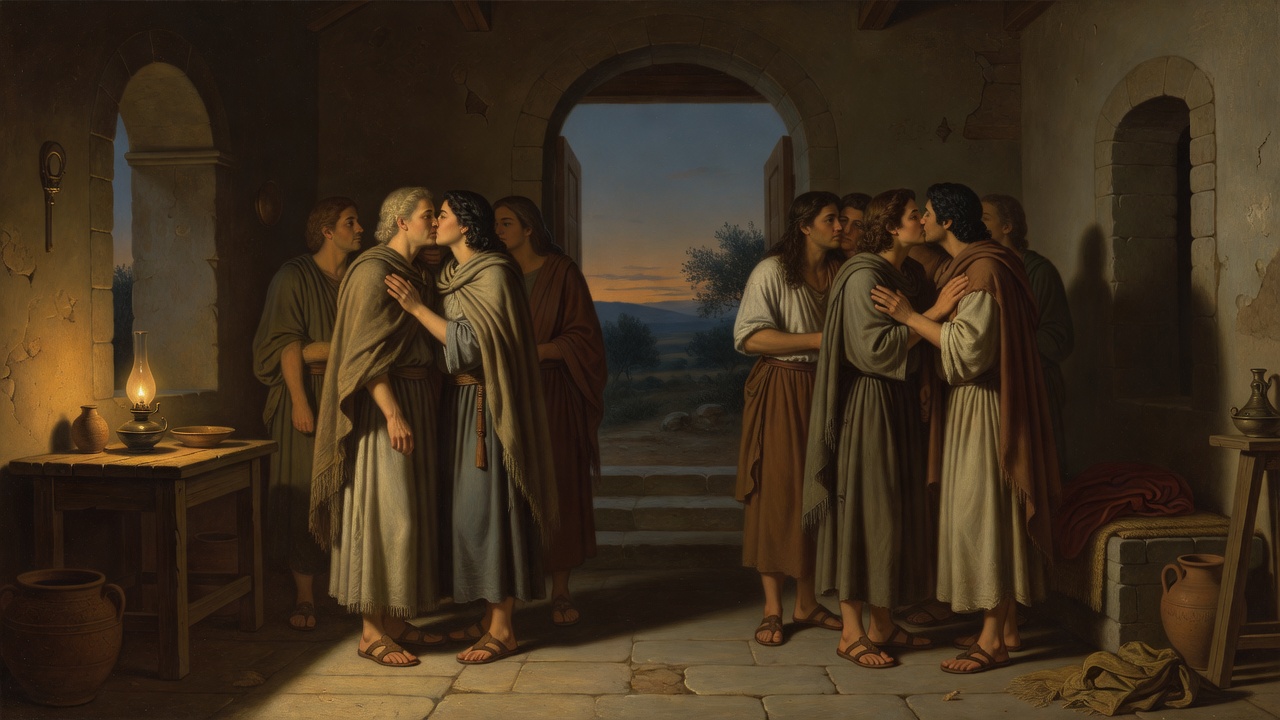
- Paul commends Phoebe, a servant of the church in Cenchrea, and asks the recipients in Rome to welcome her and help her with whatever she needs, because she has been a great help to many people, including him. Cenchrea was the eastern harbor of Corinth, about nine miles east of the city and the outlet for its trade with the Asiatic shores of the Mediterranean; Easton's Bible Dictionary (1897) says she was probably the bearer of this letter.Sources: the Bible text itself · Phebe · Cenchreae
- Paul greets Prisca and Aquila, his fellow workers in Christ Jesus, who risked their lives for him, and also the church that meets in their house; he says that not only he but all the churches of the Gentiles are grateful to them. Easton's Bible Dictionary (1897) calls her Priscilla and describes Aquila as a tent-maker from Pontus who, with his wife, left Rome because of a decree of Claudius in A.D. 50 commanding all Jews to leave the city; her name sometimes comes before his, as it does here.Sources: the Bible text itself · Priscilla · Aquila
- Near the close, Tertius, who wrote the letter down, adds his own greeting. Gaius, who has hosted Paul and all the church, also sends greetings, as do Erastus, the city treasurer, and Quartus.Sources: the Bible text itself
Notes written with AI assistance from open sources (Theographic Bible Metadata, CC BY-SA 4.0; Easton’s Bible Dictionary, public domain) and reviewed before publishing.
Places in this chapter
Only places identified with high confidence are shown (90% or more according to the scholarly sources compiled by OpenBible). Period map: DARE (Digital Atlas of the Roman Empire), CC BY 4.0; modern map: © OpenStreetMap contributors; places: OpenBible.info (CC BY 4.0).
Credits and license for this translation
Hmooh hmëë he- ga-jmee Jesucristo; Salmos
New Testament and Psalms in Chinantec, Ozumacín (MX:chz:Chinantec, Ozumacín)
copyright © 2003 Wycliffe Bible Translators, Inc.
Language: Chinantec, Ozumacín
Translation by: Wycliffe Bible Translators, Inc.
Chinanteco, Ozumacín [chz], Mexico
Copyright Information
© 2003, Wycliffe Bible Translators, Inc.
This translation text is made available to you under the
terms of the Creative Commons License: Attribution-Noncommercial-No Derivative Works.
( http://creativecommons.org/licenses/by-nc-nd/3.0/ )
In addition, you have permission to port the text to different file formats, as long as you
do not change any of the text or punctuation of the Bible.
You may share, copy, distribute, transmit, and extract portions
or quotations from this work, provided that you include the above copyright
information:
You must give Attribution to the work.
You do not sell this work for a profit.
You do not make any derivative works that change any of the actual words or punctuation of the Scriptures.
Permissions beyond the scope of this license may be
available if you contact
us with your request.
The New Testament and Psalms
in Chinantec, Ozumacín
© 2003, Wycliffe Bible Translators, Inc.
This translation is made available to you under the terms of the
Creative Commons Attribution-Noncommercial-No Derivatives license 4.0.
You may share and redistribute this Bible translation or extracts from it in any format, provided that:
You include the above copyright and source information.
You do not sell this work for a profit.
You do not change any of the words or punctuation of the Scriptures.
Pictures included with Scriptures and other documents on this site are licensed just for use with those Scriptures and documents.
For other uses, please contact the respective copyright owners.
2014-04-22
Source: http://ebible.org/chzNTps/ · eBible.org