Matthew 8
Hmooh hmëë he- ga-jmee Jesucristo; Salmos · Tap a verse to see its cross-references.
Gaꜙmiꜙhlä̱ä̱ꜘ Jesús ja̱a̱ˉ hi̱ˉ maˊ dsaahˊ hmihꜗ høøꜚ
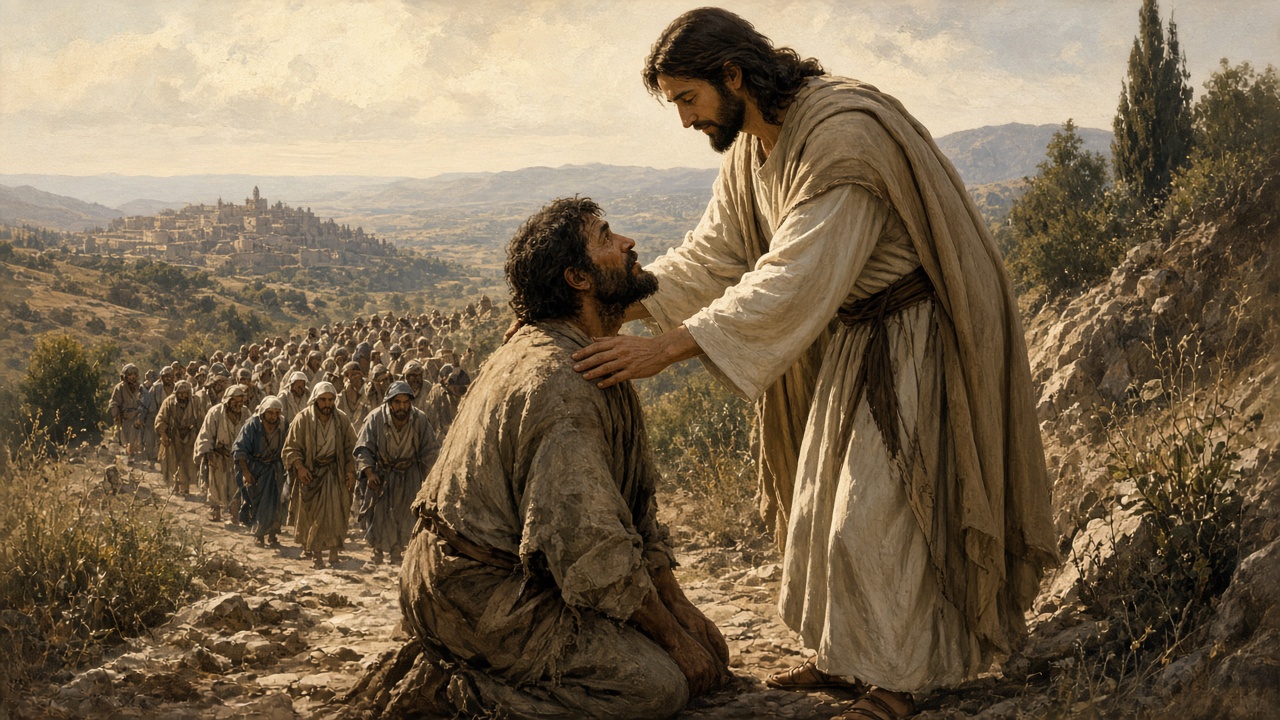
1Läꜙko̱o̱ˉ maˊ gaꜙjña̱a̱ꜗ Jesús ñihꜙ lleˊko̱hꜘ ja̱ˉ, jwë̱ë̱ꜘ dsaˉ gaꜙllaꜙlleꜗ kaahˋ kiyhˈ. 2Jeeˊ ja̱ˉ gaꜙyaꜙjä̱hꜙ ja̱a̱ˉ dsaˉ hi̱ˉ maˊ dsaahˊ hmihꜗ høøꜚ. Gaꜙju̱u̱yhꜗ jnëyˊ chaˊnëˊ Jesús mahꜗ gaꜙjäyhꜘ sɨɨyhꜙ:
—Dsaˉjø̱ø̱hˈ kya̱a̱nꜙ, cherˊmahꜗ leꜘ, le̱hꜗ baˊ hneˉ chehˈ dsooˊ heˉ miˉsa̱hꜘ jnäꜘ.
3Heˉja̱ˉ gaꜙhɨɨꜘ Jesús maˉgooˉ mahꜗ gaꜙkyeyˉ nëˊ kihˈ dsaˉ heꜘ mahꜗ gaꜙsɨɨyhꜙ:
—Leꜘ baˊ, waˊ dsaˉcheˋ baˊ dsooˊ kyahˈ.
Läꜙcha̱hꜘ ja̱ˉ gaꜙä̱ä̱hꜗ goˉte˜ hmihꜗ høøꜚ ja̱ˉ. 4Ja̱ˉgaˊ gaꜙjähꜘ Jesús sɨɨyhꜙ:
—Jëëˋ daˊ, taꜙ jmeehˋ juuˈ kihꜗ niꜙ ja̱a̱ˉ. Gwaˉ goˉhä̱ä̱hˋ hñaahˈ kihꜗ jmiˉdsaˉ. Kye̱ˉ miihˉ heˉ kwëëhˈ hnihꜘ läꜙhihꜙ heˉ gaꜙjmeeꜘ Moisé. Läꜙja̱ˉ goˉjmeeˊ mahꜗ läꜙñeyˉ maˉjä̱ꜗ kyahꜗ —gaꜙjähꜘ Jesús sɨɨyhꜙ.
Gaꜙmiꜙhlä̱ä̱ꜘ Jesús moz˜ kya̱a̱ꜗ jʉʉˊ hløøꜘ
5Läꜙko̱o̱ˉ maˊ gaꜙheꜗ Jesús jwɨɨˉ Capernaum, jaꜗ ja̱a̱ˉ jʉʉˊ hløøꜘ chu̱hꜙ kihꜗ Jesús mahꜗ gaꜙchu̱u̱yꜘ kya̱a̱hˊ:
6—Dsaˉjø̱ø̱hˈ kya̱a̱nꜙ, moz˜ kya̱a̱nꜙ naˉkya̱a̱ˈ chaˊnehꜙ kinꜙ, jaꜙ jwërte kiyhꜗ, moꜙsoꜙ liihꜚ gooˉ tɨɨyˊ —gaꜙjäyhꜘ sɨɨyhꜙ.
7—Nɨɨˋ baˊ jnäꜘ miˊhlä̱ä̱ꜗ jnihꜘ —gaꜙjähꜘ Jesús sɨɨyhꜙ.
8Mahꜗ gaꜙje̱e̱hˉ jʉʉˊ hløøꜘ heꜘ sɨɨyhꜙ:
—Dsaˉjø̱ø̱hˈ kya̱a̱nꜙ, saꜙ chaˉ heˉ la̱a̱ꜗ jnäꜘ mahꜗ goˊhehꜘ chaˊnehꜙ kinꜙ. Le̱e̱ꜙ baˊ ko̱o̱ˉ jähˊ, mahꜗ jä̱ꜗ baˊ kihꜗ moz˜ kya̱a̱nꜙ. 9Jëëhꜘ jnäꜘ kaˉlähꜘ, cha̱a̱ˉ hi̱ˉ jmeeꜙ madaꜚ heˉ jmeenꜙ kiyhꜗ, hiꜙ tä̱ä̱hˊ hløøꜘ hi̱ˉ jmeenꜙ hihꜙ kihꜗ. Waˊraˉ gaꜙjmeenꜗ hihꜙ kihꜗ ja̱a̱ˉ: “Gwaˉ jeeˊ ooꜙ”, dsooyꜗ baˊ. Waˊraˉ gaꜙjwɨɨnꜗ jñahꜘ: “Ñaˉ taꜙ laꜙ”, jäyꜙ baˊ. Hiꜙ waˊraˉ gaꜙjwɨɨnꜗ moz˜ kya̱a̱nꜙ: “Jmeeˊ heˉ laˉ”, jmeeyꜙ baˊ.
10Peerꜙ gaꜙjëëꜗ dsa̱hꜙ Jesús maˊ gaꜙnuuyꜘ juuˈ kihꜗ dsaˉ heꜘ. Mahꜗ gaꜙsɨɨyhꜙ läꜙjë̱ë̱ꜙ hi̱ˉ maˊ cha̱a̱ꜗ kaahˋ kiyhˈ:
—Maꜙraꜙ juˈdsooꜘ jwë̱ë̱hn˜ hnähꜘ, läꜙka̱a̱ˉ hwaꜗ Israel saꜙ maˉjnä̱ä̱hnꜙ niꜙ ja̱a̱ˉ dsaˉ hi̱ˉ dsooꜘ dsëꜗ läꜙko̱o̱ˉ dsooꜘ dsëꜗ dsaˉñʉʉhˉ laˉ. 11Jwë̱ë̱hn˜ hnähꜘ, lloo˜ ko̱o̱ˉ jmɨɨˊ jwë̱ë̱ꜘ dsaˉ yaˉnääꜘ taꜙ kye̱ꜗ taꜙ ñiiꜘ hi̱ˉ dsaˉta̱a̱hˋ kuhꜙ maꜙnʉʉꜙ ko̱ˉjø̱hꜘ kya̱a̱hˊ Abraham, kya̱a̱hˊ Isaac, hiꜙ kya̱a̱hˊ Jacob gyʉʉhˈ yaꜙjwɨɨꜗ kihꜗ Dio. 12Pero dsaˉ Israel hi̱ˉ maˊ la̱a̱ˈ kwa̱a̱t˜ dsaˉta̱a̱hˋ jeeˊ jmeeꜙ Dio hihꜙ, hi̱ˉ heꜘ jwä̱ä̱ꜗ dsihꜘ taꜙ kaˊhneꜚ jeeˊ naˉho̱o̱ˉ. Jeeˊ ja̱ˉ kɨˊhooyhꜗ mahꜗ jʉ̱ʉ̱yꜗ chaˉja̱yˊ.
13Ja̱ˉgaˊ gaꜙjähꜘ Jesús sɨɨyhꜙ jʉʉˊ hløøꜘ heꜘ:
—Gwa̱a̱hˉ baˊ hneˉ kyahꜗ, waˊ leꜘ kyahꜗ ja̱ˉbaˊ läꜙko̱o̱ˉ maˉläˉdsooꜘ hohꜘ.
Läꜙcha̱hꜘ ja̱ˉ, gaꜙjä̱ꜗ kihꜗ moz˜ kya̱a̱yꜗ.
Gaꜙmiꜙhlä̱ä̱ꜘ Jesús maˉchooˈ Peeˊ
14Maˉngëëꜘ heˉ ja̱ˉ, ñeeˊ Jesús chaˊnehꜙ kihꜗ Peeˊ. Jeeˊ ja̱ˉ gaꜙjë̱ë̱yꜗ maˉchooˈ Peeˊ naˉkya̱a̱yˈ dsaayhˊ kya̱a̱hˊ lliiꜘ. 15Mahꜗ gaꜙso̱o̱hꜗ Jesús maˉgooyˉ. Läꜙcha̱hꜘ ja̱ˉ yaꜙhɨɨꜗ lliiꜘ kiyhꜗ. Gaꜙnooyˉ jeeˊ maˊ kya̱a̱yꜗ mahꜗ gaꜙløøyꜗ jmeeyꜙ taˊheꜗ kihꜗ läꜙjë̱ë̱ꜙ.
Gaꜙmiꜙhlä̱ä̱ꜘ Jesús jwë̱ë̱ꜘ dsaˉdsaahˊ
16Taꜙ gaꜙnʉʉˉ ja̱ˉ, naˊjä̱ä̱ˉ dsaˉ chaˊnëˊ Jesús jwë̱ë̱ꜘ hi̱ˉ maˊ kye̱ˉ jmɨˉlleꜘ hlɨɨhˈ. Kya̱a̱hˊ ko̱o̱ˉ gaꜙhlëëyhꜘ baˊ gaꜙhwë̱ë̱yꜗ jmɨˉlleꜘ hlɨɨhˈ heꜘ hiꜙ gaꜙmiꜙhlä̱ä̱yꜘ läꜙjë̱ë̱ꜙ gaˊ dsaˉ hi̱ˉ maˊ dsaahˊ. 17Mahꜗ läꜙja̱ˉ läꜙteꜗ heˉ gaꜙjähꜘ Isaía hi̱ˉ maˊ ngëë˜ juuˈ kihꜗ Dio läꜙ maˊ gaꜙjäyhꜘ: “Hñiiyꜘ baˊ gaꜙka̱yꜗ nëˊ kiyhˈ läꜙjëꜙ dsooˊ jnänˋ, hiꜙ gaꜙko̱o̱yˈ läꜙjëꜙ dsooˊ jmɨˊwɨɨꜘ jnänˋ kaˉlähꜘ.”
Dsaˉ hi̱ˉ maˊ hnøøˈ maˊ jmeeˈ ko̱ˉjø̱hꜘ kya̱a̱hˊ Jesús
18Maˊ gaꜙjëëꜗ Jesús jwë̱ë̱ꜘ dsaˉ maˊ tä̱ä̱hˊ läꜙkuˊ läꜙji̱i̱ꜗ kiyhꜗ, gaꜙjmeeyꜘ madaꜚ kya̱a̱ꜗ jnäähˈ discípulo kya̱a̱yꜗ, heˉ gaꜙmiꜙlluˋ jnäähꜗ naˊmooꜘ mahꜗ ha̱a̱ˊ jnäähꜗ ko̱ˉjø̱hꜘ kya̱a̱yhˊ taꜙ hngaahˋ ko̱ˉta̱a̱ˉ jmɨˉjʉʉhˉ. 19Ja̱ˉgaˊ gaꜙllooꜗ ja̱a̱ˉ taˉjwohꜗ kya̱a̱ꜗ ley, gaꜙsɨɨyhꜙ:
—Taˉjwohꜗ, nɨɨnˋ kya̱a̱hˊ hneˉ waˊ haˉ chaˉ haˉ jeeˊ gaꜙlloohꜘ.
20Mahꜗ gaꜙjähꜘ Jesús sɨɨyhꜙ:
—Chaˉ baˊ tooˉ jeeˊ gwɨ̱ɨ̱ˉ hyahˉ, chaˉ baˊ sɨɨˉ kihꜗ ta̱ˈ hi̱ˉ hë̱ë̱ꜙ gyʉʉhˈ. Pero Hi̱ˉgaꜙlë̱ë̱ꜗngoꜗ laˉ saꜙ chaˉ jeeˊ jä̱yˈ.
21Jñahꜘ discípulo kya̱a̱yꜗ gaꜙsɨɨyhꜙ:
—Dsaˉjø̱ø̱hˈ kya̱a̱nꜙ, kwaˊ jwëꜗ kinꜙ naˊha̱a̱nꜙ toˉnëˊ tääˋ kya̱a̱nꜙ, ja̱ˉgaˊ nɨɨnˋ kya̱a̱hˊ hneˉ.
22Mahꜗ gaꜙjähꜘ Jesús sɨɨyhꜙ:
—Ñaˉ baˊ hneˉ kya̱a̱hˊ jnäꜘ. Waˊ ha̱a̱ˈ baˊ dsaˉ naˉju̱u̱ˊ hlɨɨꜘ kya̱a̱ꜗ.
Gaꜙjmeeꜘ Jesús hihꜙ kihꜗ lleꜘ mahꜗ hɨɨꜗ tiiˊ
23Läꜙ maˊ gaꜙheꜗ Jesús nehꜙ naˊmooꜘ, gaꜙnøøꜗ jnäähˈ discípulo ko̱ˉjø̱hꜘ kya̱a̱yhˊ. 24Niꜙ juuˈ gaˊ saꜙ chaˉ jaꜗ ko̱o̱ˉ lleꜘ täꜘ, gaꜙhɨɨꜘ gooˉ jwërte. Gaꜙhlu̱hꜗ jmɨɨˉ läꜙji̱i̱hˈ gaꜙhaaˋ nehꜙ naˊmooꜘ. Pero maˉnaˉgwɨ̱ɨ̱ˉ baˊ Jesús. 25Heˉja̱ˉ jnäähˈ discípulo kya̱a̱yꜗ naˊcha̱a̱ˊ jnäähꜗ jeeˊ maˉnaˉgwɨ̱ɨ̱yˉ mahꜗ gaꜙchiihˊ jnäähꜗ:
—Dsaˉjø̱ø̱hˈ kya̱a̱nꜙ, lä̱ä̱ˋ jneˊ, maˉtøøhnˊ jeeˊ ju̱u̱ꜘ baˊ jneˊ laˉ.
26Mahꜗ gaꜙsɨɨyhꜙ jnäähˈ:
—¿Heˉlaˈ ga̱hꜗ hnähꜘ? Miihˉ goˉteˈ baˊ dsooꜘ hohꜘ hnähꜘ.
Ja̱ˉgaˊ gaꜙnooˉ Jesús, gaꜙjmeeyꜘ hihꜙ gaꜙjä̱ꜘ tiiˊ lleꜘ hiꜙ gaꜙjmeeyꜘ hihꜙ gaꜙjä̱ꜘ tiiˊ jmɨɨˉ. Läꜙja̱ˉ baˊ gaꜙjä̱ꜘ tiˊsɨ̱hꜘ gaꜙläꜙjëꜙ. 27Peerꜙ gaꜙjëëˊ dsa̱hꜙ jnäähˈ, mahꜗ gaꜙjähˊ jnäähꜗ:
—¿Hi̱i̱ˉ baˊ dsaˉ naˉ? Läꜙkye̱ˉ lleꜘ kya̱a̱hˊ jmɨɨˉ nʉʉhˊ kiyhˈ.
Gaꜙhwë̱ë̱ꜗ Jesús jwë̱ë̱ꜘ jmɨˉlleꜘ hlɨɨhˈ hi̱ˉ maˊ jøøꜙ kihꜗ dsaꜙ
28Läꜙko̱o̱ˉ maˊ gaꜙllaꜙnøøꜗ jnäähˈ taꜙ hngaahˋ ko̱ˉta̱a̱ˉ ja̱ˉ, jeeˊ laˈ hwaꜗ kihꜗ Gadara, yaꜙnääꜗ u̱u̱ꜗ dsaˉñʉʉhˉ hi̱ˉ maˊ jøøꜙ jmɨˉlleꜘ hlɨɨhˈ kihꜗ, gaꜙmiꜙje̱e̱yꜚ Jesús. Dsaˉ heꜘ gaꜙhwë̱ë̱ˉ jeeˊ laˈ toˉhø̱ø̱ˉ kihꜗ hlɨɨꜘ. Hä̱ä̱yˈ jwërte, saꜙ maˊ kwayꜙ jwëˈ maˊ dsaˉngëëꜘ niꜙ ja̱a̱ˉ dsaˉ taꜙ jwëꜘ ja̱ˉ. 29Mahꜗ gaꜙhooyhꜗ ki̱ˉga̱a̱ˉ, gaꜙjäyhꜘ:
—¿Heeˉ baˊ kihˈ heˉ maˉñehꜗ jeeˊ tøøhˊ jnäähꜗ laˉ, hneˉ Jesús Jo̱o̱ꜘ Dio? ¿Cheˊ maˉñehꜗ mahꜗ heehˈ jnäähꜗ wɨɨꜘ jä̱ä̱ꜗ saꜙ gaˊ maˉllooꜗ jmɨɨˊ?
30Ʉ̱ʉ̱ꜘ miihˉ jeeˊ maˊ tä̱ä̱yhˊ ja̱ˉ, maˊ tä̱ä̱hˊ ko̱o̱ˉ nääꜗ ñeꜗ maˊ kuhˉ nuuˉ. 31Gaꜙchu̱u̱ꜘ lleꜘ hlɨɨhˈ heꜘ, gaꜙsɨɨyhꜙ Jesús:
—Cherˊmahꜗ gaꜙhwë̱ë̱hˋ jnäähꜗ, kwaˊ jwëꜗ kya̱a̱ꜗ jnäähˈ dsaˊtoohˊ jnäähꜗ kihꜗ ñeꜗ hi̱ˉ tä̱ä̱hˊ ooꜙ.
32Mahꜗ gaꜙjähꜘ Jesús sɨɨyhꜙ:
—Goˉnääꜘ hnähꜘ ja̱ˉ.
Mahꜗ gaꜙhwë̱ë̱yˉ, gaꜙnääyꜗ gaꜙta̱a̱yhˋ tuhˉdsëꜗ ñeꜗ heꜘ. Läꜙcha̱hꜘ ja̱ˉ, läꜙjë̱ë̱ꜙ ñeꜗ heꜘ gaꜙkyʉ̱ʉ̱ꜗ. Maˊ gaꜙtë̱ë̱yꜘ ko̱o̱ˉ lleˊ hwaˈ, ko̱ˉdsooꜘ jwëˈ baˊ gaꜙsa̱a̱yꜗ chaˊjmɨɨˉ jʉʉhˉ. Jeeˊ ja̱ˉ gaꜙju̱u̱yꜗ nehꜙ jmɨɨˉ. 33Dsaˉ hi̱ˉ maˊ hä̱ä̱˜ ñeꜗ, gaꜙnääꜗ koˉchihˊ chaˉhli̱i̱ꜙ taꜙ jeeˊ jwɨɨˉ naˊjmeeyhˊ juuˈ haˉ läꜙ gaꜙlaꜗ kihꜗ ñeꜗ, hiꜙ haˉ läꜙ gaꜙlaꜗ kihꜗ dsaˉ hi̱ˉ maˊ jøøꜙ lleꜘ hlɨɨhˈ kihꜗ. 34Heˉja̱ˉ gaꜙläꜙjë̱ë̱ꜙ dsaˉ hi̱ˉ maˊ cha̱a̱ˉ jeeˊ jwɨɨˉ ja̱ˉ, gaꜙhwë̱ë̱yˉ mahꜗ gaꜙnääyꜗ gaꜙmiꜙje̱e̱yꜚ Jesús. Maˊ gaꜙjë̱ë̱yꜗ, gaꜙchu̱u̱yꜘ kya̱a̱yhˊ mahꜗ waˊ lla̱a̱yhꜘ jeeˊ ja̱ˉ.
Did you know?
Healings, faith, and the sea
- Capernaum, which Jesus enters in this chapter, was a Galilean city not named in the Old Testament. Easton's Bible Dictionary (1897) says it became his “own city” after he left Nazareth, and it lists the centurion’s appeal and the healing at Peter’s house among the events set there.Sources: Capernaum · the Bible text itself
- Jesus says that many will come from east and west to share the banquet with Abraham, Isaac, and Jacob in the kingdom of heaven. Easton's Bible Dictionary (1897) calls Abraham the son of Terah and heir of the promises, Isaac Abraham’s only son by Sarah, and Jacob—also known as Israel—the younger twin son of Isaac and Rebekah.Sources: the Bible text itself · Abraham · Isaac · Jacob (Israel)
- Matthew presents that evening’s healings as fulfilling words spoken through the prophet Isaiah: “He took on our infirmities and carried our diseases.” Easton's Bible Dictionary (1897) identifies Isaiah as the son of Amoz, who prophesied in the reigns of Uzziah, Jotham, Ahaz, and Hezekiah.Sources: the Bible text itself · Isaiah
Notes written with AI assistance from open sources (Theographic Bible Metadata, CC BY-SA 4.0; Easton’s Bible Dictionary, public domain) and reviewed before publishing.
Places in this chapter
- Gadara · Today: Umm Qais · 32.656, 35.679 · verse 28
Only places identified with high confidence are shown (90% or more according to the scholarly sources compiled by OpenBible). Period map: DARE (Digital Atlas of the Roman Empire), CC BY 4.0; modern map: © OpenStreetMap contributors; places: OpenBible.info (CC BY 4.0).
Credits and license for this translation
Hmooh hmëë he- ga-jmee Jesucristo; Salmos
New Testament and Psalms in Chinantec, Ozumacín (MX:chz:Chinantec, Ozumacín)
copyright © 2003 Wycliffe Bible Translators, Inc.
Language: Chinantec, Ozumacín
Translation by: Wycliffe Bible Translators, Inc.
Chinanteco, Ozumacín [chz], Mexico
Copyright Information
© 2003, Wycliffe Bible Translators, Inc.
This translation text is made available to you under the
terms of the Creative Commons License: Attribution-Noncommercial-No Derivative Works.
( http://creativecommons.org/licenses/by-nc-nd/3.0/ )
In addition, you have permission to port the text to different file formats, as long as you
do not change any of the text or punctuation of the Bible.
You may share, copy, distribute, transmit, and extract portions
or quotations from this work, provided that you include the above copyright
information:
You must give Attribution to the work.
You do not sell this work for a profit.
You do not make any derivative works that change any of the actual words or punctuation of the Scriptures.
Permissions beyond the scope of this license may be
available if you contact
us with your request.
The New Testament and Psalms
in Chinantec, Ozumacín
© 2003, Wycliffe Bible Translators, Inc.
This translation is made available to you under the terms of the
Creative Commons Attribution-Noncommercial-No Derivatives license 4.0.
You may share and redistribute this Bible translation or extracts from it in any format, provided that:
You include the above copyright and source information.
You do not sell this work for a profit.
You do not change any of the words or punctuation of the Scriptures.
Pictures included with Scriptures and other documents on this site are licensed just for use with those Scriptures and documents.
For other uses, please contact the respective copyright owners.
2014-04-22
Source: http://ebible.org/chzNTps/ · eBible.org