Matthew 11
Hmooh hmëë he- ga-jmee Jesucristo; Salmos · Tap a verse to see its cross-references.
Gaꜙche̱e̱ꜗ Jwa̱a̱ꜚ dsaˉ kya̱a̱yꜗ mahꜗ naˊngɨɨyˊ juuˈ kihꜗ Jesús
1Maˉngëëꜘ maˉjmeeꜘ Jesús madaꜚ läꜙlaˉ kya̱a̱ꜗ jnäähˈ, yaꜙhë̱ë̱yꜗ ngooyꜗ naˊhlë̱ë̱yhˊ dsaˉ, hiꜙ naˊkwayˉ juuˈ läꜙka̱a̱ˉ jeeˊ jwɨɨˉ kihꜗ dsaˉgoo˜ jnäähˈ.
2Jwa̱a̱ꜚ hi̱ˉ maˊ choo˜ jmɨɨˉ maˊ hä̱ä̱ˊ nehꜙñeˈ. Maˊ gaꜙnuuyꜘ läꜙjëꜙ heˉ maˊ jmeeꜙ Cristo, gaꜙche̱e̱yꜗ u̱u̱ꜗ discípulo kya̱a̱yꜗ, 3mahꜗ naˊngɨɨyˊ juuˈ kihꜗ Jesús:
—¿Cheˊ hneˉ heꜘ hi̱ˉ nøøꜘ juuˈ jäꜙ o cheˊ jä̱ä̱ˊ jnäähꜗ jñahꜘ?
4Mahꜗ gaꜙje̱e̱hˉ Jesús juuˈ kiyhꜗ, gaꜙsɨɨyhꜙ:
—Goˉnääˊ hnähꜘ, mahꜗ goˉjmeehˋ juuˈ kihꜗ Jwa̱a̱ꜚ läꜙjëꜙ heˉ nuuhˉ hnähꜘ hiꜙ läꜙjëꜙ heˉ jëëhꜘ hnähꜘ laˉ. 5Hi̱ˉ tʉʉˊ maˉjëëy˜ baˊ, hi̱ˉ jluuhˊ maˉgaꜙnääyˊ baˊ, maˉla̱a̱ꜘ baˊ hi̱ˉ maˊ dsaahˊ dsooˊ hmihꜗ høøꜚ, hi̱ˉ gwɨɨˋ maˉnuuyˉ baˊ, hi̱ˉ maˉju̱u̱ꜙ maˉläˉji̱i̱yhˋ baˊ, hiꜙ hi̱ˉ täˉñeeꜘ maˉnuuˉ bihꜗ juˈhmëëꜘ. 6Lluꜗ laꜗ kihꜗ hi̱ˉ saꜙ jmeeꜙ to̱ꜗ dsëꜗ kwa̱a̱t˜ kinꜙ —gaꜙjähꜘ Jesús sɨɨyhꜙ.
7Läꜙko̱o̱ˉ maˊ gaꜙnääˋ discípulo kya̱a̱ꜗ Jwa̱a̱ꜚ, gaꜙløøꜗ Jesús hlë̱ë̱yh˜ dsaˉ kihꜗ Jwa̱a̱ꜚ mahꜗ läˉdsooh˜ dsëyꜗ haˉ läꜙ maˊ la̱a̱yˈ. Gaꜙjäyhꜘ:
—¿Haˉ läꜙ la̱a̱ꜗ hi̱ˉ naˊnäähˈ hnähꜘ naˊjë̱ë̱hˋ hnähꜘ jeeˊ ooꜙ hwaꜗ ki̱i̱ꜙ? ¿Cheˊ maˊ la̱a̱yˈ läꜙko̱hꜘ hmaˉtahˉ heˉ gwaˉgya̱a̱˜ lleꜘ? 8¿Cherˊmahꜗ saꜙ la̱a̱yꜗ läꜙja̱ˉ hi̱ˉ naˊjë̱ë̱hˋ hnähꜘ, haˉ baˊ läꜙ la̱a̱yꜗ ja̱ˉ? ¿Cheˊ maˊ la̱a̱yˈ ja̱a̱ˉ dsaˉñʉʉhˉ hi̱ˉ maˊ kë̱hˉ hmɨɨhˉ lluꜗ? Ñeˊ baˊ jneˊ, läꜙjë̱ë̱ꜙ hi̱ˉ kë̱hˉ hmɨɨhˉ lluꜗ, hi̱ˉ heꜘ tä̱ä̱hˊ chaˊnehꜙ kihꜗ rey baˊ. 9Heˉja̱ˉ, ¿heeˉ baˊ la̱a̱ˈ hi̱ˉ naˊjë̱ë̱hˋ hnähꜘ? ¿Cheˊ la̱a̱yˈ ja̱a̱ˉ hi̱ˉ ngëë˜ juuˈ kihꜗ Dio? Jnäꜘ jwë̱ë̱hn˜ hnähꜘ la̱a̱yꜗ baˊ. Hiꜙ maꜙraꜙ heˉ la̱a̱yꜗ jø̱ø̱hˈ gaˊ läꜙko̱hꜘ gaˊ jñahꜘ hi̱ˉ maˊ ngëë˜ juuˈ kihꜗ Dio. 10Jëëhꜘ, Jwa̱a̱ꜚ heꜘ hi̱ˉ naˉsɨɨˉ kihꜗ läꜙlaˉ:
Che̱e̱nꜚ ja̱a̱ˉ hi̱ˉ dsaˉkwaꜙ juuˈ kinꜙ.
Hi̱ˉ heꜘ dsooꜗ taꜙ chaˊnëhˊ mahꜗ miˉlluyꜗ jwëˈ kyahꜗ.
11ʼMaꜙraꜙ juˈdsooꜘ jwë̱ë̱hn˜ hnähꜘ. Jeeˊ kihˈ läꜙjë̱ë̱ꜙ hi̱ˉ gaꜙläꜙcha̱a̱ꜙ kihꜗ dsaˉmëꜘ, saꜙ cha̱a̱ˉ hi̱ˉ jø̱ø̱hˈ gaˊ läꜙko̱hꜘ gaˊ Jwa̱a̱ꜚ hi̱ˉ maˊ choo˜ jmɨɨˉ. Pero hi̱ˉ la̱a̱ꜗ mähꜗ gaˊ kihˈ gyʉʉhˈ yaꜙjwɨɨꜗ, hi̱ˉ heꜘ jø̱ø̱hˈ gaˊ läꜙko̱hꜘ gaˊ Jwa̱a̱ꜚ. 12Läꜙko̱o̱ˉ maˊ jaˈ Jwa̱a̱ꜚ hi̱ˉ maˊ choo˜ jmɨɨˉ, läꜙji̱i̱hˈ naꜗ, heˉ wɨɨꜘ baˊ dsaˉta̱a̱hˋ dsaˉ jeeˊ jmeeꜙ Dio hihꜙ. Dsaˉ hä̱ä̱ˈ kwayꜙ beꜘ dsaˉta̱a̱yhˋ jeeˊ ja̱ˉ. 13Jëëhꜘ, läꜙjë̱ë̱ꜙ hi̱ˉ gaꜙngëëꜗ juuˈ kihꜗ Dio hi̱ˉ maˊ cha̱a̱ˉ lloꜘjooꜗ, kweeˉ baˊ laˈ juuˈ kiyhꜗ heˉ gaꜙkwayꜘ, hiꜙ läꜙja̱ˉ ley kaˉlähꜘ läꜙji̱i̱hˈ kihꜗ Jwa̱a̱ꜚ. 14Cherˊmahꜗ cha̱a̱ˉ hi̱ˉ hnøøꜗ he̱e̱hꜙ juuˈ laˉ, Jwa̱a̱ꜚ heꜘ la̱a̱yꜗ Elía hi̱ˉ nøøꜘ juuˈ jäꜙ. 15Hi̱ˉ hnøøꜗ he̱e̱hꜙ juuˈ laˉ, waˊ he̱e̱yhˉ.
16ʼJwë̱ë̱hn˜ hnähꜘ haˉ läꜙ ko̱hꜘ la̱a̱ꜗ dsaˉ hi̱ˉ cha̱a̱ˉ naꜗ. Cha̱a̱yhˉ miihˉ läꜙko̱hꜘ chihˉ hi̱ˉ tä̱ä̱hˊ jeˊhmoohˊ hi̱ˉ tiˉchooꜙ juuˈ kya̱a̱hˊ dsaˉkya̱a̱yhˊ. 17Jäyhꜘ: “Maˉjʉʉˊ jnäähꜗ su̱ꜚ heˉ jmeeꜙ jë̱ë̱ˉ hohꜘ hnähꜘ kya̱a̱hˊ luuꜘ hmaˉtaˉ pero saꜙ gaꜙhiihꜘ hnähꜘ maˊ jmeehꜗ hnähꜘ ja̱ˊ. Maˉhäˊ jnäähꜗ su̱ꜚ heˉ tiˉmeehˉ dsëꜗ, niꜙ läꜙja̱ˉ saꜙ maˉhoohˊ hnähꜘ”, jähꜘ chihˉ heꜘ sɨɨyhꜙ dsaˉkya̱a̱yhˊ.
18ʼLäꜙja̱ˉ kaˉlähꜘ jmeeꜙ dsaˉ hi̱ˉ cha̱a̱ˉ naꜗ. Jëëhꜘ, jaꜗ Jwa̱a̱ꜚ hi̱ˉ gaꜙkuhˉ gaꜙhɨ̱hꜗ miihˉ goˉteˈ mahꜗ maˊ jähꜘ dsaˉ kiyhꜗ: “Kye̱yˉ jmɨˉlleꜘ hlɨɨhˈ.” 19Läꜙja̱ˉ kaˉlähꜘ, jaꜗ Hi̱ˉgaꜙlë̱ë̱ꜗngoꜗ laˉ hi̱ˉ kuhˉhɨ̱h˜ naˊteeˋ kihˈ mahꜗ jähꜘ dsaˉ kiyhꜗ: “Jla̱a̱ˊ ngëëˈ, mahꜗ llaˊhe̱e̱yhꜚ. Jwa̱yhꜘ kya̱a̱hˊ läꜙjë̱ë̱ꜙ hi̱ˉ ko̱o̱ˈ kuˊsɨhˉ, la̱a̱yꜗ omeꜚ kya̱a̱ꜗ dsaˉ hi̱ˉ saꜙ toohˉ taˊ”, jähꜘ dsaˉ hi̱ˉ cha̱a̱ˉ naꜗ. Pero kya̱a̱hˊ heˉ jmeeꜙ Dio, lii˜ lluꜗ baˊ hʉʉˊdsëˉ kiyhꜗ.
Jëëꜗ wɨɨꜘ läꜙjë̱ë̱ꜙ hi̱ˉ cha̱a̱hˉ
20Ja̱ˉgaˊ gaꜙløøꜗ Jesús jʉʉh˜ kihꜗ dsaˉ hi̱ˉ maˊ tä̱ä̱hˊ läꜙko̱o̱ˉ läꜙko̱o̱ˉ jwɨɨˉ jʉʉhˉ jeeˊ gaꜙjmeeyꜘ chaˉmiihˉ heˉ jʉhˉga̱a̱ˉ. Niꜙ läꜙja̱ˉ, saꜙ gaꜙje̱e̱yh˜ kya̱a̱hˊ Dio. Heˉja̱ˉ gaꜙjäyhꜘ sɨɨyhꜙ:
21—¡Peerꜙ jwɨɨ˜ hnähꜘ dsaˉ hi̱ˉ tä̱ä̱hˊ jwɨɨˉ Corazín! ¡Peerꜙ jwɨɨ˜ hnähꜘ dsaˉ hi̱ˉ tä̱ä̱hˊ jwɨɨˉ Betsaida! Waˊraˉ jähꜘ kihꜗ maˉjëëꜙ dsaˉ hi̱ˉ tä̱ä̱hˊ Tiro kya̱a̱hˊ jwɨɨˉ Sidón haˉ läꜙ laꜗ heˉ jʉhˉga̱a̱ˉ heˉ maˉjmeenꜗ jeeˊ kyahˈ hnähꜘ, maˉlɨhꜘ saꜙ gaꜙje̱e̱yh˜ kya̱a̱hˊ Dio, maˊ kë̱yhꜙ hmɨɨhˉ jwäꜘ hiꜙ maˊ su̱yˈ hñiiyꜘ tʉˊjwaˉ, jmeeyꜙ lii˜ heˉ tiˉmeehˉ dsëyꜗ. 22Heˉja̱ˉ jwë̱ë̱hn˜ hnähꜘ, waˊraˉ gaꜙtëꜘ jmɨɨˊ jeeˊ leꜘ jwiz˜, chaˉgaˊmiihˉ wɨɨꜘ jëëhˈ hnähꜘ läꜙko̱hꜘ gaˊ dsaˉ hi̱ˉ cha̱a̱ˉ Tiro kya̱a̱hˊ Sidón. 23Hnähꜘ hi̱ˉ cha̱a̱ˉ Capernaum, jmeehˉ hnähꜘ hʉʉˊdsëˉ heˉ të̱ë̱hꜗ hnähꜘ gyʉʉhˈ. Pero ñiihˊ gaˊ kihˈ chaˊjeˉ goˊnäähˈ hnähꜘ. Jëëhꜘ, waˊraˉ jähꜘ kihꜗ jwɨɨˉ Sodoma gaꜙjmeenꜗ heˉ jʉhˉga̱a̱ˉ heˉ maˉjmeenꜗ jeeˊ kyahˈ hnähꜘ, läꜙ maˉhlaˉ ja̱ˉbaˊ läꜙji̱i̱hˈ naꜗ. 24Heˉja̱ˉ jwë̱ë̱hn˜ hnähꜘ, waˊraˉ gaꜙtëꜘ jeeˊ leꜘ jwiz˜, chaˉgaˊmiihˉ wɨɨꜘ jëëhˈ hnähꜘ läꜙko̱hꜘ gaˊ heˉ jëëꜗ hi̱ˉ maˊ tä̱ä̱hˊ Sodoma.
Gaꜙjähꜘ Jesús heˉ saꜙ hiiˉ hmaˉyu˜ kiyhꜗ
25Hor˜ ja̱ˉ gaꜙjähꜘ Jesús sɨɨyhꜙ Dio:
—Kwanꜙ tiˊhmaahˊ kyahˈ Tääˋ kya̱a̱nꜙ, hneˉ la̱a̱hꜗ Dsaˉjø̱ø̱hˈ kihꜗ gyʉʉhˈ hwaꜗ, jëëhꜘ gaꜙhmähˊ läꜙjëꜙ juuˈ laˉ kihꜗ hi̱ˉ kyʉʉh˜ hiꜙ kihꜗ hi̱ˉ ngëëꜘ. Mahꜗ gaꜙmiꜙjnäähˈ juuˈ kyahꜗ kihꜗ hi̱ˉ la̱a̱ꜗ läꜙko̱hꜘ ja̱a̱ˉ chihˉmähꜗ. 26Jëëhꜘ, gaꜙtɨhꜗ baˊ hohꜘ jmeehˈ läꜙja̱ˉ, Tääˋ.
27ʼGaꜙläꜙjëꜙ goˉte˜ baˊ gaꜙtoohˉ Tääˋ kya̱a̱nꜙ goonꜙ. Niꜙ ja̱a̱ˉ saꜙ kyu̱u̱ꜙ Jo̱o̱ꜘ Dio, maꜙlaꜙ Tääˋ baˊ kyu̱u̱ꜙ jnäꜘ. Niꜙ saꜙ cha̱a̱ˉ hi̱ˉ kyu̱u̱ꜙ Tääˋ. Maꜙlaꜙ jnäꜘ hi̱ˉ la̱a̱ꜗ Jo̱o̱yꜘ baˊ kyu̱u̱ꜙ jnihꜘ, hiꜙ läꜙja̱ˉ läꜙkyu̱u̱ꜙ dsaˉ hi̱ˉ hnoonꜗ miˊjnäänꜗ kihꜗ.
28ʼLäꜙjë̱ë̱ꜙ hnähꜘ hi̱ˉ maˉhwa̱a̱ꜘ kihꜗ läꜙjëꜙ heˉ dsaˉngëëꜘ hnähꜘ, yaˉnääꜘ hnähꜘ kya̱a̱hˊ jnäꜘ mahꜗ jmeenˋ te̱e̱hˊ hohꜘ hnähꜘ. 29Waˊ kye̱nˊ ko̱ˉjø̱hꜘ hmaˉyu˜ kinꜙ mahꜗ miˊtë̱ë̱ꜗ hnähꜘ kinꜙ. Jëëhꜘ, hwa̱a̱ˊ baˊ jnäꜘ, mahꜗ jø̱hˉ dsënꜙ kaˉlähꜘ. Läꜙja̱ˉ moꜙsoꜙ ka̱hˈ gaˊ hnähꜘ hʉʉˊdsëˉ haˉ läꜙ leꜘ kyahꜗ hnähꜘ. 30Jëëhꜘ saꜙ hiiˉ hmaˉyu˜ kinꜙ, niꜙ saꜙ jwë̱ë̱hˋ madaꜚ heˉ jmeenˋ kyahˈ hnähꜘ.
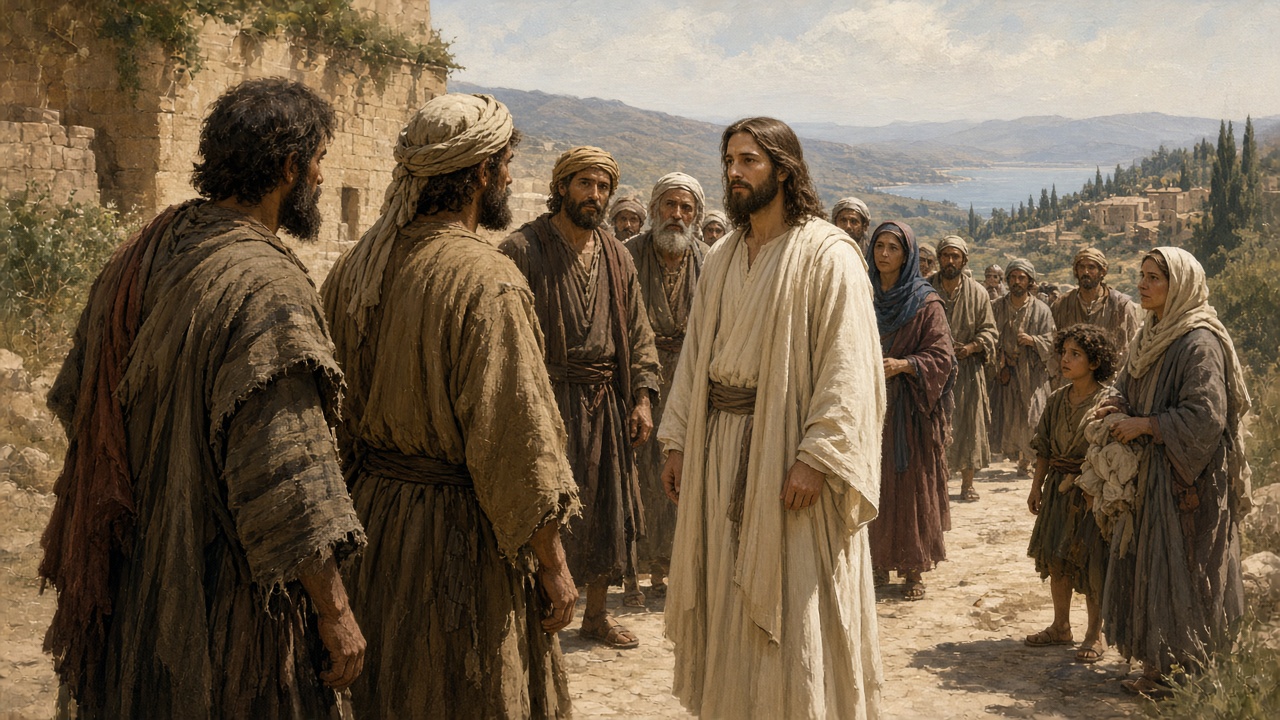
Did you know?
John's question and the cities that did not repent
- From prison, John sent his disciples to ask whether Jesus was the one who was to come. Jesus told the crowds that John was more than a prophet—the messenger sent ahead to prepare the way—and, if they were willing to accept it, the Elijah who was to come. A Bible dictionary calls John the forerunner and says his mission was already the subject of prophecy, citing Isaiah 40:3 and Malachi 3:1; it also introduces Elijah as the Elias of the New Testament.Sources: the Bible text itself · John the Baptist · Elijah
- Jesus then denounced Chorazin, Bethsaida, and Capernaum, where most of his miracles had been performed, because they did not repent. A dictionary identifies Chorazin with modern Kerazeh, about two and a half miles up the Wady Kerazeh from Capernaum, and says that Capernaum, absent from the Old Testament, became Jesus' own city after he left Nazareth. It places Bethsaida on the east side of the lake, two miles up the Jordan in Gaulonitis, enlarged by Philip the tetrarch and named Julias after the emperor's daughter, though some have supposed there was only one Bethsaida, near where the Jordan enters the lake.Sources: the Bible text itself · Chorazin · Capernaum · Bethsaida
- He set those cities against Tyre and Sidon, which he said would have repented long ago in sackcloth and ashes, and against Sodom, which he said would have remained to this day. Sidon, on the Mediterranean coast about twenty-five miles north of Tyre, was the oldest Phoenician city there and the mother city of Tyre. A dictionary says the commerce of the whole world was gathered into Tyre's warehouses, and that Sodom, in the vale of Siddim, was destroyed by fire from heaven so completely that no trace of it has been found.Sources: the Bible text itself · Sidon · Tyre · Sodom
Notes written with AI assistance from open sources (Theographic Bible Metadata, CC BY-SA 4.0; Easton’s Bible Dictionary, public domain) and reviewed before publishing.
Places in this chapter
- Galilee · 32.760, 35.527 · verse 1
- Sidon · Today: Sandikli archaeological site in Sidon · 33.561, 35.372 · verses 21, 22
- Tyre · 33.271, 35.196 · verses 21, 22
Only places identified with high confidence are shown (90% or more according to the scholarly sources compiled by OpenBible). Period map: DARE (Digital Atlas of the Roman Empire), CC BY 4.0; modern map: © OpenStreetMap contributors; places: OpenBible.info (CC BY 4.0).
Credits and license for this translation
Hmooh hmëë he- ga-jmee Jesucristo; Salmos
New Testament and Psalms in Chinantec, Ozumacín (MX:chz:Chinantec, Ozumacín)
copyright © 2003 Wycliffe Bible Translators, Inc.
Language: Chinantec, Ozumacín
Translation by: Wycliffe Bible Translators, Inc.
Chinanteco, Ozumacín [chz], Mexico
Copyright Information
© 2003, Wycliffe Bible Translators, Inc.
This translation text is made available to you under the
terms of the Creative Commons License: Attribution-Noncommercial-No Derivative Works.
( http://creativecommons.org/licenses/by-nc-nd/3.0/ )
In addition, you have permission to port the text to different file formats, as long as you
do not change any of the text or punctuation of the Bible.
You may share, copy, distribute, transmit, and extract portions
or quotations from this work, provided that you include the above copyright
information:
You must give Attribution to the work.
You do not sell this work for a profit.
You do not make any derivative works that change any of the actual words or punctuation of the Scriptures.
Permissions beyond the scope of this license may be
available if you contact
us with your request.
The New Testament and Psalms
in Chinantec, Ozumacín
© 2003, Wycliffe Bible Translators, Inc.
This translation is made available to you under the terms of the
Creative Commons Attribution-Noncommercial-No Derivatives license 4.0.
You may share and redistribute this Bible translation or extracts from it in any format, provided that:
You include the above copyright and source information.
You do not sell this work for a profit.
You do not change any of the words or punctuation of the Scriptures.
Pictures included with Scriptures and other documents on this site are licensed just for use with those Scriptures and documents.
For other uses, please contact the respective copyright owners.
2014-04-22
Source: http://ebible.org/chzNTps/ · eBible.org