Luke 5
Hmooh hmëë he- ga-jmee Jesucristo; Salmos · Tap a verse to see its cross-references.
Jwë̱ë̱ꜘ hmoohˉ gaꜙta̱a̱hˋ nehꜙ saˊhmaˈ
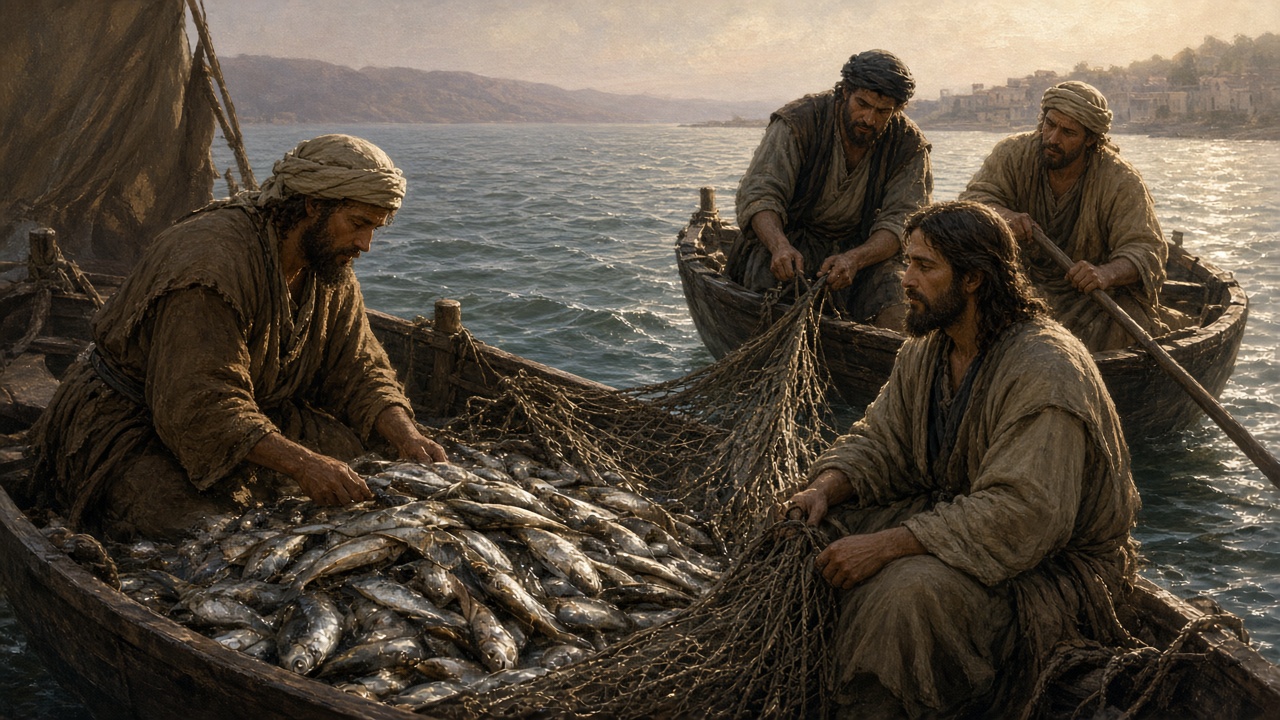
1Ko̱o̱ˉ häˊ maˊ chehˈ Jesús chaˊhooˊ jmɨˉjʉʉhˉ heˉ hlaˉ hwaꜗ Genesaret. Jeeˊ ja̱ˉ gaꜙku̱hꜗ jwë̱ë̱ꜘ jwërte dsaˉ läꜙkuˊ läꜙji̱i̱ꜗ kiyhꜗ hi̱ˉ hnøøꜗ maˊ nuuˈ juuˈ kihꜗ Dio. 2Gaꜙjëëꜗ Jesús to̱ꜗ naˊmooꜘ heˉ maˊ naˉhɨɨꜚ chaˊhooˊ jmɨɨˉ ja̱ˉ. Jëëhꜘ, maˉngëëꜘ saˊhmaˉhwë̱ë̱ˉ hi̱ˉ maˊ ka̱a̱h˜ hmoohˉ, gaꜙta̱a̱yhˋ gaꜙgyiyhꜗ maˈ kiyhꜗ. 3Heˉja̱ˉ gaꜙheꜗ Jesús nehꜙ naˊmooꜘ heˉ maˊ laˈ kihꜗ Simón. Gaꜙjmeeyꜘ madaꜚ kihꜗ Simón mahꜗ hläyhꜗ gaˊ miihˉ naˊmooꜘ ja̱ˉ taꜙ jeeˊ juuhˉ jmɨɨˉ. Mahꜗ gaꜙgyayˉ nehꜙ naˊmooꜘ ja̱ˉ, gaꜙløøyꜗ hlë̱ë̱yh˜ läꜙjë̱ë̱ꜙ dsaˉ. 4Maˊ gaꜙdsa̱a̱ꜗ juuˈ kiyhꜗ, gaꜙsɨɨyhꜙ Simón:
—Maꜙnøønˈ taꜙ jeeˊ juuhˉ gaˊ mahꜗ hɨɨhˈ hnähꜘ saˊhmaˈ kyahꜗ hnähꜘ.
5Mahꜗ gaꜙje̱e̱hˉ Simón juuˈ kiyhꜗ:
—Taˉjwohꜗ kya̱a̱nꜙ. Läꜙta̱a̱ˈ hwëˈ maˉkoohˊ jnäähꜗ saˊhmaˈ. Saꜙ cha̱a̱ˉ maˉlë̱ë̱hꜙ jnäähˈ niꜙ miihˉ. Pero cherˊmahꜗ läꜙja̱ˉ jwahꜘ, hɨɨˋ baˊ jnäꜘ saˊhmaˈ.
6Maˉngëëꜘ maˉhɨɨyꜘ saˊhmaˈ ja̱ˉ, läꜙcha̱hꜘ ja̱ˉ gaꜙsëëyhꜗ. Peerꜙ jwë̱ë̱ꜘ jwërte hmoohˉ gaꜙta̱a̱hˋ nehꜙ hmaꜗ ja̱ˉ, läꜙji̱i̱hˈ gaꜙløøꜗ dsaˉgyiiꜙ. 7Heˉja̱ˉ gaꜙjmeeyꜘ lii˜ kihꜗ dsaˉkya̱a̱yhˊ hi̱ˉ maˊ tä̱ä̱hˊ jyohꜘ naˊmooꜘ mahꜗ yaˉnääyꜘ kwayꜗ beꜘ. Heˉja̱ˉ yaꜙnääyꜗ, hiꜙ gaꜙka̱yhˈ läꜙto̱ꜘ naˊmooꜘ kiyhꜗ ja̱ˉ. Heˉja̱ˉ miihˉ gaˊ saꜙ gaꜙhmähꜗ nehꜙ jmɨɨˉ. 8Maˊ gaꜙjëëꜗ Simón Peeˊ heˉ ja̱ˉ, gaꜙju̱u̱yhꜗ jnëyˊ chaˊnëˊ Jesús, mahꜗ gaꜙsɨɨyhꜙ:
—Saꜙ høøꜙ kwa̱a̱t˜ noohˈ kooꜘ kinꜙ Dsaˉjø̱ø̱hˈ kya̱a̱nꜙ. Jëëhꜘ chaˉ chaˉmiihˉ dsoˊkyeˉ kinꜙ.
9Jëëhꜘ, gaꜙjwa̱a̱hˈ jwërte Peeˊ läꜙkye̱ˉ hi̱ˉ maˊ tä̱ä̱hˊ ko̱ˉjø̱hꜘ kya̱a̱yhˊ, maˊ gaꜙjëëyꜗ haˉ läꜙko̱o̱ˉ jwë̱ë̱ꜘ hmoohˉ hi̱ˉ gaꜙsa̱a̱yhꜗ. 10Ja̱ˉbaˊ läꜙja̱ˉ gaꜙlaꜗ kihꜗ Jacobo kya̱a̱hˊ Jwa̱a̱ꜚ jo̱ˉñʉʉhꜚ Zebedeo hi̱ˉ maˊ jmeeꜙ taˊ ko̱ˉjø̱hꜘ kya̱a̱hˊ Simón. Pero gaꜙjähꜘ Jesús sɨɨyhꜙ Simón:
—Taꜙ waˊ ga̱hˈ. Naꜗ taꜙ chaˊnëˊ dsaˉ baˊ le̱e̱hꜙ naꜗ, llaꜚ heˉ maˊ le̱e̱hꜙ hmoohˉ.
11Ja̱ˉgaˊ gaꜙllaꜙnääyˋ chaˊhooˊ jmɨɨˉ kya̱a̱hˊ naˊmooꜘ. Jeeˊ ja̱ˉ baˊ gaꜙllayꜘ läꜙjëꜙ heˉ maˊ kooyh˜ ja̱ˉ, mahꜗ gaꜙjmeeyꜘ ko̱ˉjø̱hꜘ kya̱a̱hˊ Jesús.
Gaꜙmiꜙhlä̱ä̱ꜘ Jesús ja̱a̱ˉ hi̱ˉ maˊ dsaahˊ hmihꜗ høøꜚ
12Ko̱o̱ˉ jmɨɨˊ ja̱ˉ maˊ hä̱ä̱ˊ Jesús ko̱o̱ˉ jeeˊ jwɨɨˉ. Gaꜙllooꜗ ja̱a̱ˉ dsaˉ hi̱ˉ maˊ dsaahˊ hmihꜗ høøꜚ. Maˊ gaꜙjë̱ë̱yꜗ Jesús gaꜙju̱u̱yhꜗ jnëyˊ mahꜗ gaꜙjlu̱u̱yꜗ lleyˊ läꜙ gaꜙtëꜘ hwaꜗ chaˊnëˊ Jesús. Gaꜙchu̱u̱yꜘ kya̱a̱hˊ, gaꜙjäyhꜘ:
—Dsaˉjø̱ø̱hˈ kya̱a̱nꜙ, cherˊmahꜗ leꜘ, le̱hꜗ baˊ hneˉ chehˈ dsooˊ heˉ miˉsa̱hꜘ jnäꜘ.
13Heˉja̱ˉ gaꜙhɨɨꜘ Jesús maˉgooˉ mahꜗ gaꜙkyeyˉ nëˊ kihˈ dsaˉ heꜘ, mahꜗ gaꜙjäyhꜘ:
—Leꜘ baˊ. Waˊ dsaˉcheˋ dsooˊ heˉ miˉsa̱hꜘ hneˉ.
Läꜙcha̱hꜘ ja̱ˉ gaꜙä̱ä̱hꜗ goˉte˜ hmihꜗ høøꜚ ja̱ˉ. 14Maˉngëëꜘ heˉ ja̱ˉ, gaꜙta̱a̱hˉ Jesús juuˈ mahꜗ saꜙ kooyhꜗ juuˈ kya̱a̱hˊ niꜙ ja̱a̱ˉ, gaꜙjäyhꜘ:
—Gwaˉ goˉhä̱ä̱hˋ hñaahˈ kihꜗ jmiˉdsaˉ läꜙko̱hꜘ jähꜘ ley kihꜗ Moisé. Kye̱ˉ miihˉ heˉ kwëëyhˈ läꜙlluꜗ heˉ maˉnaˊllu̱u̱hˋ. Läꜙja̱ˉ goˉjmeeˊ mahꜗ läꜙñeˉ dsaˉ heˉ maˉjä̱ꜗ kyahꜗ.
15Pero ko̱o̱ˉ jmɨɨˊ ko̱o̱ˉ jmɨɨˊ chaˉgaˊmiihˉ maˊ hiiꜘ juuˈ kiyhꜗ. Jwë̱ë̱ꜘ dsaˉ maˊ dsaˉku̱hꜗ nuuˉ juuˈ heˉ kwayꜙ, hiꜙ läꜙja̱ˉ kaˉlähꜘ maˊ dsaˉku̱hꜗ jwë̱ë̱ꜘ hi̱ˉ dsaahˊ hi̱ˉ hnøøꜗ jä̱ꜗ kiyhꜗ. 16Pero Jesús maˊ dsooy˜ maˊ dsaˉngɨɨyˋ kiyhˈ kihꜗ Dio jeeˊ saꜙ cha̱a̱ˉ niꜙ ja̱a̱ˉ dsaˉ.
Gaꜙmiꜙhlä̱ä̱ꜘ Jesús ja̱a̱ˉ hi̱ˉ saꜙ liihꜚ gooˉ tɨɨˊ
17Ko̱o̱ˉ jmɨɨˊ maˊ gyaˈ Jesús kwayꜙ juuˈ. Jeeˊ ja̱ˉ maˊ tä̱ä̱hˊ ko̱ˉlla̱a̱ˊ fariseo kya̱a̱hˊ taˉjwohꜗ kya̱a̱ꜗ ley. Dsaˉka̱a̱hˊ heꜘ yaꜙnääꜗ läꜙjëꜙ jwɨɨˉ mähˉ heˉ naˉhe̱e̱ꜚ hwaꜗ Galilea, hiꜙ läꜙja̱ˉ hi̱ˉ maˊ cha̱a̱ˉ hwaꜗ Judea kaˉlähꜘ, läꜙkye̱ˉ hi̱ˉ maˊ cha̱a̱ˉ Jerusalén. Maˊ kye̱ˉ Jesús chaˉmiihˉ beꜘ kihꜗ Dio kya̱a̱hˊ heˉ maˊ miˉhlä̱ä̱yꜘ hi̱ˉ dsaahˊ. 18Jmɨɨˊ ja̱ˉ gaꜙllaꜙnääꜗ dsaˉ hi̱ˉ maˊ jä̱ä̱ꜙ ja̱a̱ˉ hi̱ˉ dsaahˊ hi̱ˉ saꜙ liihꜚ gooˉ tɨɨˊ naˉkya̱a̱ˈ nëˊ ji̱i̱ˉ. Maˊ hnøøyˈ maˊ dsaˉta̱a̱yhˋ chaˊnehꜙ mahꜗ dsaˉkya̱a̱yꜙ chaˊnëˊ Jesús. 19Kihꜗ heˉ maˊ tä̱ä̱hˊ jwë̱ë̱ꜘ dsaˉ, saꜙ gaꜙlaꜗ maˊ ta̱a̱yhꜙ chaˊnehꜙ. Heˉja̱ˉ gaꜙwɨɨyꜗ taꜙ gyʉʉhˈ hneꜗ mahꜗ gaꜙjñiyhꜗ miihˉ kaˊluuˊ hneˈ. Taꜙ jwëꜘ ja̱ˉ, gaꜙjña̱a̱yꜗ dsaˉdsaahˊ heꜘ läꜙkye̱ˉ ji̱i̱ˊ kiyhˈ toꜙloꜙ nëˊ dsaˉ chaˊnëˊ Jesús. 20Maˊ gaꜙjëëꜗ Jesús haˉ läꜙko̱o̱ˉ dsooꜘ dsëꜗ läꜙjë̱ë̱ꜙ dsaˉ heꜘ, heˉja̱ˉ gaꜙjäyhꜘ sɨɨyhꜙ dsaˉdsaahˊ:
—Dsaˉñʉʉhˉ, maˉnaˉcheˊ baˊ dsoˊkyeˉ kyahꜗ.
21Heˉja̱ˉ läꜙjë̱ë̱ꜙ taˉjwohꜗ kya̱a̱ꜗ ley kya̱a̱hˊ dsaˉ fariseo gaꜙløøyꜗ jmeeyꜙ hʉʉˊdsëˉ: “¿Heeˉ la̱a̱ꜗ dsaˉñʉʉhˉ naˉ heˉ miˉkwa̱yhꜗ Dio? Ja̱a̱ˉ Dio baˊ lihꜙ cheꜗ dsoˊkyeˉ kihꜗ dsaꜙ.”
22Pero gaꜙläꜙliihꜚ baˊ Jesús heˉ hʉʉˊdsëˉ maˊ jmeeꜙ dsaˉ heꜘ, heˉja̱ˉ gaꜙsɨɨyhꜙ:
—¿Heˉlaˈ jmeehˉ hnähꜘ hʉʉˊdsëˉ läꜙnaˉ? 23¿Heeˉ gaˊ naˉ saꜙ jwë̱ë̱hˋ, la̱a̱hꜘ hnähꜘ? ¿Cheˊ heˉ chiihˊ jneˊ ja̱a̱ˉ hi̱ˉ dsaahˊ: “Maˉnaˉcheˊ baˊ dsoˊkyeˉ kyahꜗ”, o heˉ chiihˊ jnihꜘ: “Nooˉ, ki̱i̱ˈ ji̱i̱ˊ kyahˈ, mahꜗ gwa̱a̱hˉ”? 24Heˉja̱ˉ jmeenˋ heˉ jwë̱ë̱hˋ gaˊ mahꜗ läꜙngëëhꜘ hnähꜘ, Hi̱ˉgaꜙlë̱ë̱ꜗngoꜗ laˉ baˊ naˉngëˈ jwëˈ jmɨˉgyʉʉꜙ mahꜗ cheyꜗ dsoˊkyeˉ kihꜗ dsaꜙ.
Ja̱ˉgaˊ gaꜙjähꜘ Jesús sɨɨhꜙ hi̱ˉ saꜙ liihꜚ gooˉ tɨɨˊ heꜘ:
—Jnäꜘ jwahnꜙ nooˉ, ki̱i̱ˈ ji̱i̱ˊ kyahˈ, gwa̱a̱hˉ chaˊnehꜙ kyahꜗ.
25Läꜙcha̱hꜘ ja̱ˉ gaꜙnooˉ dsaˉ heꜘ chaˊnëˊ läꜙjë̱ë̱ꜙ dsaˉ hi̱ˉ maˊ tä̱ä̱hˊ jeeˊ ja̱ˉ, gaꜙko̱o̱yˈ ji̱i̱ˊ kiyhˈ jeeˊ maˊ kya̱a̱yꜗ, ngaayhꜗ chaˊnehꜙ kiyhꜗ, jmeeyꜙ jʉʉhˉ kihꜗ Dio. 26Gaꜙläꜙjë̱ë̱ꜙ baˊ gaꜙläꜙdsa̱a̱˜ jwërte dsëꜗ maˊ gaꜙjëëyꜗ heˉ ja̱ˉ, mahꜗ gaꜙjmeeyꜘ jʉʉhˉ kihꜗ Dio. Gaꜙläꜙgoyhꜙ jwërte, maˊ jäyhꜘ:
—Naꜗ baˊ raꜘ si˜ maˉjëënˊ ko̱o̱ˉ heˉ jʉhˉga̱a̱ˉ heˉ jmeeꜙ dsa̱a̱˜ dsëˉ jneˊ.
Gaꜙtëëhꜗ Jesús Leví
27Maˉngëëꜘ heˉ ja̱ˉ, ngooꜗ Jesús taꜙ jeeˊ jyohꜘ. Jeeˊ ngooyˈ ja̱ˉ, gaꜙjë̱ë̱yꜗ ja̱a̱ˉ hi̱ˉ ko̱o̱ˈ kuˊsɨhˉ hi̱ˉ maˊ che̱e̱ˉ Leví, maˊ gyaˈ nëˊtaˊ kihˈ ko̱o̱yˈ kuˊsɨhˉ. Mahꜗ gaꜙjähꜘ Jesús sɨɨyhꜙ:
—Ñaˉ waˊ jmeenˊ ko̱ˉjø̱hꜘ.
28Gaꜙjä̱ꜘ baˊ taˊ kiyhˈ heˉ maˊ jmeeyꜙ ja̱ˉ, mahꜗ gaꜙjmeeyꜘ ko̱ˉjø̱hꜘ kya̱a̱hˊ Jesús. 29Leví hi̱ˉ maˊ ko̱o̱ꜗ kuˊsɨhˉ heꜘ gaꜙjmeeyꜘ ko̱o̱ˉ jmɨɨˊ jʉʉhˉ kihꜗ Jesús chaˊnehꜙ kiyhꜗ. Jwë̱ë̱ꜘ dsaˉ hi̱ˉ maˊ ko̱o̱ꜗ kuˊsɨhˉ kya̱a̱hˊ jñahꜘ gaˊ dsaˉ maˊ tä̱ä̱hˊ nëˊ mes˜ ko̱ˉjø̱hꜘ kya̱a̱yhˊ. 30Pero dsaˉ fariseo kya̱a̱hˊ taˉjwohꜗ kya̱a̱ꜗ ley gaꜙta̱a̱yhˋ gaꜙtiˉ gaꜙchooyꜘ juuˈ kya̱a̱hˊ discípulo kya̱a̱ꜗ Jesús, gaꜙjäyhꜘ:
—¿Heˉlaˈ kuhˉhuhꜘ hnähꜘ ko̱ˉjø̱hꜘ kya̱a̱hˊ dsaˉ hi̱ˉ ko̱o̱ˈ kuˊsɨhˉ naˉ, hiꜙ läꜙja̱ˉ kya̱a̱hˊ dsaˉ waˊ hi̱ˉ chaˉ hi̱ˉ?
31Heˉja̱ˉ gaꜙje̱e̱hˉ Jesús juuˈ kiyhꜗ, gaꜙsɨɨyhꜙ:
—Saꜙ jmeeꜙ biiꜗ tëꜙmë˜ kihꜗ dsaˉ hi̱ˉ llu̱u̱ꜗ, kihꜗ dsaˉdsaahˊ baˊ jmeeꜙ biiꜗ. 32Saꜙ maˉjan˜ kihꜗ hi̱ˉ llu̱u̱ꜗ, maˉjan˜ kihꜗ hi̱ˉ chaˉ dsoˊkyeˉ kihꜗ baˊ mahꜗ waˊ dsaˉje̱e̱yh˜ kya̱a̱hˊ Dio.
Gaꜙngɨɨꜘ dsaˉ juuˈ heˉlaˈ saꜙ tʉ˜ discípulo ko̱ˉhwëëꜘ heˉ kuhˉhɨ̱yh˜
33Ja̱ˉgaˊ gaꜙjähꜘ dsaˉ hi̱ˉ maˊ tiˉchooꜙ juuˈ heꜘ, sɨɨyhꜙ Jesús:
—Dsaˉ kya̱a̱ꜗ Jwa̱a̱ꜚ ko̱ˉllaˉji̱i̱h˜ baˊ saꜙ kuhˉhɨ̱yh˜ maˊ ngɨɨyꜙ kiyhꜗ kihꜗ Dio, hiꜙ läꜙja̱ˉ jmeeꜙ dsaˉ fariseo kaˉlähꜘ. ¿Heˉlaˈ saꜙ jmeeꜙ läꜙja̱ˉ discípulo kya̱a̱hꜗ?
34Heˉja̱ˉ gaꜙjähꜘ Jesús sɨɨyhꜙ:
—Dsaˉ hi̱ˉ tä̱ä̱hˊ jeeˊ dsaˉje̱e̱ꜘ gooˉ dsaˉ, saꜙ chaˉ heˉ kihꜗ heˉ tʉyꜗ heˉ kuhˉhɨ̱yh˜ taˊko̱ˉji̱i̱hˈ gyaꜗ dsaˉñʉʉhˉ hi̱ˉ dsaˉje̱e̱ꜘ gooˉ jeeˊ ja̱ˉ. 35Pero lloo˜ ko̱o̱ˉ jmɨɨˊ waˊraˉ gaꜙlle̱e̱yˉ dsaˉñʉʉhˉ hi̱ˉ dsaˉje̱e̱ꜘ gooˉ heꜘ. Maˊja̱ˉ gaˊ tʉˈ dsaˉ kya̱a̱yꜗ heˉ kuhˉhɨ̱h˜ mahꜗ chu̱u̱yꜗ kya̱a̱hˊ Dio.
36Hiꜙ gaꜙjäyhꜘ sɨɨyhꜙ juuˈ naˉhmääˊ laˉ:
—Niꜙ ja̱a̱ˉ dsaˉ saꜙ kwaꜙ kihꜗ, ka̱ꜗ ko̱o̱ˉ jwɨˊ hmɨɨhˉ hmëëꜘ mahꜗ tø̱ø̱yꜗ nëˊ kihˈ hmɨɨhˉ maˉgyu̱hˉ. Cherˊmahꜗ läꜙja̱ˉ laꜗ, ko̱o̱ˉ he̱e̱yꜗ hmɨɨhˉ hmëëꜘ baˊ ja̱ˉ. Hiꜙ niꜙ saꜙ je̱e̱hꜙ kweeˉ hmɨɨhˉ maˉgyu̱hˉ kya̱a̱hˊ jwɨˊ hmɨɨhˉ hmëëꜘ ja̱ˉ. 37Hiꜙ läꜙja̱ˉ, niꜙ ja̱a̱ˉ dsaˉ saꜙ kwaꜙ kihꜗ chiyhꜗ vin hmëëꜘ nehꜙ looˉ maˉgyu̱hˉ. Cherˊmahꜗ gaꜙchihꜗ dsaˉ vin hmëëꜘ nehꜙ looˉ maˉgyu̱hˉ, cha̱hꜘ baˊ gyiiꜙ, jëëhꜘ saꜙ kwaꜗ jwëˈ ä̱ä̱ꜙ. Tʉ̱ʉ̱ꜙ vin hmëëꜘ hiꜙ he̱e̱ꜘ looˉ kaˉlähꜘ. 38Heˉja̱ˉ nehꜙ looˉ hmëëꜘ baˊ dsaˉhooˋ vin hmëëꜘ. Mahꜗ läꜙja̱ˉ baˊ miˉheeꜙ vin hmëëꜘ ja̱ˉ, kya̱a̱hˊ looˉ hmëëꜘ kaˉlähꜘ. 39Niꜙ ja̱a̱ˉ hi̱ˉ të̱ë̱ˈ hɨ̱h˜ jmɨhˈ mɨˈjëhꜗ maˉä̱ä̱ˉ, saꜙ tɨhꜗ dsëyꜗ heˉ hmëëꜘ läꜙcha̱hꜘ ja̱ˉ. Jëëhꜘ jäyhꜘ: “Lluꜗ gaˊ heˉ maˉgyu̱hˉ.” —gaꜙjähꜘ Jesús.
Did you know?
Calls, Healings, and New Wine
- Jesus taught the people from Simon’s boat on the Lake of Gennesaret while the crowd pressed in along the shore. The name comes from a town of Naphtali on the western shore, earlier called Chinnereth; the plain beside the lake, noted for its fertility and beauty, was called “the Paradise of Galilee.”Sources: Gennesaret · the Bible text itself
- Simon, also called Peter, grew up in Bethsaida, on the western coast of the Sea of Galilee, and was trained as a fisherman. James and John, his partners in the other boat, were sons of Zebedee, a Galilean fisherman; Easton's Bible Dictionary (1897) infers that Zebedee had some position in Capernaum, because he had two boats and hired servants.Sources: Simon Peter · James (Son of Zebedee) · Zebedee · the Bible text itself
- The man Jesus called from the tax booth is named Levi in this chapter; in other accounts he is Matthew, son of Alphaeus, a tax collector at Capernaum. Easton's Bible Dictionary (1897) suggests that he may have taken the name Matthew in grateful memory of his call, and describes the great banquet he gave that same day as a farewell feast.Sources: Matthew · the Bible text itself
Notes written with AI assistance from open sources (Theographic Bible Metadata, CC BY-SA 4.0; Easton’s Bible Dictionary, public domain) and reviewed before publishing.
Places in this chapter
- Gennesaret · Today: El Ghuweir · 32.861, 35.507 · verse 1
- Galilee · 32.760, 35.527 · verse 17
- Jerusalem · 31.777, 35.234 · verse 17
- Judea · Today: Judea 1 · 31.777, 35.234 · verse 17
Only places identified with high confidence are shown (90% or more according to the scholarly sources compiled by OpenBible). Period map: DARE (Digital Atlas of the Roman Empire), CC BY 4.0; modern map: © OpenStreetMap contributors; places: OpenBible.info (CC BY 4.0).
Credits and license for this translation
Hmooh hmëë he- ga-jmee Jesucristo; Salmos
New Testament and Psalms in Chinantec, Ozumacín (MX:chz:Chinantec, Ozumacín)
copyright © 2003 Wycliffe Bible Translators, Inc.
Language: Chinantec, Ozumacín
Translation by: Wycliffe Bible Translators, Inc.
Chinanteco, Ozumacín [chz], Mexico
Copyright Information
© 2003, Wycliffe Bible Translators, Inc.
This translation text is made available to you under the
terms of the Creative Commons License: Attribution-Noncommercial-No Derivative Works.
( http://creativecommons.org/licenses/by-nc-nd/3.0/ )
In addition, you have permission to port the text to different file formats, as long as you
do not change any of the text or punctuation of the Bible.
You may share, copy, distribute, transmit, and extract portions
or quotations from this work, provided that you include the above copyright
information:
You must give Attribution to the work.
You do not sell this work for a profit.
You do not make any derivative works that change any of the actual words or punctuation of the Scriptures.
Permissions beyond the scope of this license may be
available if you contact
us with your request.
The New Testament and Psalms
in Chinantec, Ozumacín
© 2003, Wycliffe Bible Translators, Inc.
This translation is made available to you under the terms of the
Creative Commons Attribution-Noncommercial-No Derivatives license 4.0.
You may share and redistribute this Bible translation or extracts from it in any format, provided that:
You include the above copyright and source information.
You do not sell this work for a profit.
You do not change any of the words or punctuation of the Scriptures.
Pictures included with Scriptures and other documents on this site are licensed just for use with those Scriptures and documents.
For other uses, please contact the respective copyright owners.
2014-04-22
Source: http://ebible.org/chzNTps/ · eBible.org