Luke 3
Hmooh hmëë he- ga-jmee Jesucristo; Salmos · Tap a verse to see its cross-references.
Gaꜙløøꜗ Jwa̱a̱ꜚ kwaꜙ juuˈ
1Maˉhyaˉ gyaꜙhñaꜘ ji̱ˉñeˉ la̱a̱ꜗ Tiberio rey toˉnëˊ. Ji̱ˉñeˉ ja̱ˉ maˊ la̱a̱ˈ Poncio Pilato lleˊmohꜘ hwaꜗ Judea. Herode maˊ la̱a̱ˈ taˊ hwaˈ Galilea, Felipe ø̱ø̱yhꜚ maˊ la̱a̱ˈ taˊ hwaˈ Iturea kya̱a̱hˊ hwaˈ Traconite. Lisania maˊ la̱a̱ˈ taˊ hwaˈ Abilinia. 2Ja̱ˉbaˊ ji̱ˉñeˉ ja̱ˉ, Aná kya̱a̱hˊ Caifá maˊ la̱a̱ˈ jmiˉdsaˉ ka̱a̱hˊ. Läꜙ maˊja̱ˉ gaꜙhlëëhꜘ Dio kya̱a̱hˊ Jwa̱a̱ꜚ jo̱o̱ꜘ Zacaría läꜙko̱o̱ˉ maˊ gyayˈ hwaꜗ ki̱i̱ꜙ jeeˊ saꜙ kwaꜙ niꜙ miihˉ. 3Heˉja̱ˉ maˊ dsooy˜ läꜙka̱a̱ˉ jeeˊ laˈ chaˊhooˊ jmɨɨˉ Jordán maˊ dsaˉkwayꜙ juuˈ heˉ sa̱a̱ꜙ dsaˉ jmɨɨˉ hiꜙ gaꜙhlë̱ë̱yhꜗ dsaˉ mahꜗ waˊ dsaˉje̱e̱yh˜ kya̱a̱hˊ Dio mahꜗ ko̱o̱ꜙ Dio dsëꜗ kihꜗ dsoˊkyeˉ kiyhꜗ. 4Läꜙja̱ˉ gaꜙläꜙteꜗ läꜙko̱o̱ˉ naˉsɨɨˉ juuˈ heˉ gaꜙhlëëhꜘ Isaía hi̱ˉ gaꜙngëëꜗ juuˈ kihꜗ Dio lloꜘjooꜗ, gaꜙjäyhꜘ:
Ki̱i̱ˉ nʉʉhꜙ ko̱o̱ˉ lleꜘ heˉ hlëëhꜙ hwaꜗ ki̱i̱ꜙ jeeˊ saꜙ kwaꜙ niꜙ miihˉ:
“Miˉlluˋ hnähꜘ jwëˈ kihꜗ Dsaˉjø̱ø̱hˈ jnänˋ,
miˉllu̱u̱ˋ hnähꜘ hñaahꜗ mahꜗ he̱e̱hˊ hnihꜘ waˊraˉ gaꜙtëꜘ jeeˊ jäyꜙ.
5Läꜙka̱a̱ˉ jeeˊ laˈ chaˊgwaaˉ hnøøꜗ ka̱hꜙ gwaahˊ,
hnøøꜗ liiꜘ ko̱o̱ˉ mëëˉ mohꜘ jeeˊ laˈ chaˊsɨɨˉ.
Jwëˈ jlʉˉgye̱h˜ hnøøꜗ liiꜘ ko̱ˉdsooꜘ.
Jwëˈ heˉ laꜗ taˉjuhˉ, hnøøꜗ liiꜘ ko̱o̱ˉ mëëˉ baˊ.
6Maˊja̱ˉ gaˊ jëëˈ läꜙjë̱ë̱ꜙ dsaˉ, haˉ läꜙ lä̱ä̱ꜗ Dio jneˊ taꜙlaꜙ kihꜗ hi̱ˉ jäꜙ”, gaꜙjähꜘ Isaía.
7Heˉja̱ˉ läꜙlaˉ gaꜙjähꜘ Jwa̱a̱ꜚ sɨɨhꜙ gaꜙläꜙjë̱ë̱ꜙ hi̱ˉ naˊnääˈ maˊ sa̱a̱ꜙ jmɨɨˉ:
—Hnähꜘ la̱a̱hꜗ läꜙko̱hꜘ mɨɨhˉ hi̱ˉ kyʉ̱ʉ̱ꜙ. ¿Hi̱i̱ˉ maˉsɨɨhꜙ hnähꜘ heˉ lä̱ä̱hꜘ hnähꜘ hñaahꜗ kihꜗ heˉ wɨɨꜘ heˉ naꜗ gaˊ jäꜙ? 8Toˉnëˊ daˊ miˉjnääˈ hnähꜘ heˉ maˉtʉhꜗ hnähꜘ jwëꜘ hlɨɨhˈ mahꜗ jmeehˈ hnähꜘ heˉ lluꜗ jmahꜗ baˊ, ja̱ˉgaˊ laˈ dsooꜘ heˉ maˉje̱e̱h˜ hnähꜘ kya̱a̱hˊ Dio. Moꜙtoꜙ jmeeˉ hnähꜘ hʉʉˊdsëˉ lä̱ä̱hꜘ hnähꜘ läꜙlluꜗ heˉ jwahꜘ hnähꜘ: “Abraham baˊ la̱a̱ˈ tääˋ jnänˋ.” Jëëhꜘ jnäꜘ jwahnꜙ, lihꜙ baˊ Dio jmeeꜗ hwë̱ë̱ꜙ saˊju̱ˉ kihꜗ Abraham läꜙkye̱ˉ kihꜗ ku̱u̱ˊ laˉ. 9Heeꜚ ñeˈlähˉ maˉkyeˉ maˉnaˊlluˋ hʉʉˊ hmaˉ. Läꜙjëꜙ chaahˈ hmaˉ heˉ saꜙ lluꜗ mɨɨˈ kihꜗ, heˉ ja̱ˉ dsaˉtuˋ mahꜗ dsooꜗ chaˊjeˉ —gaꜙjähꜘ Jwa̱a̱ꜚ.
10Läꜙjë̱ë̱ꜙ baˊ dsaˉ maˊ ngɨɨꜙ juuˈ kiyhꜗ, maˊ jäyhꜘ:
—¿Haˉ läꜙ jmeeˊ jnäähꜗ ja̱ˉ?
11Mahꜗ gaꜙje̱e̱yhˉ kihꜗ dsaˉ, gaꜙsɨɨyhꜙ:
—Hnähꜘ hi̱ˉ chaˉ to̱ꜗ lë̱ë̱ˋ hmɨɨhˉ kihꜗ, kwëëhˋ ko̱o̱ˉ hi̱ˉ saꜙ chaˉ kihꜗ. Hiꜙ hnähꜘ hi̱ˉ kuhˉhɨ̱h˜ lluꜗ, kwëëhˋ miihˉ hi̱ˉ jmeeꜙ biiꜗ kihꜗ.
12Hiꜙ naˊnääˈ kaˉlähꜘ hi̱ˉ ko̱o̱ˈ kuˊsɨhˉ mahꜗ sa̱a̱yꜙ jmɨɨˉ. Mahꜗ gaꜙsɨɨyhꜙ Jwa̱a̱ꜚ:
—Taˉjwohꜗ, hiꜙ jnäähˈ, ¿haˉ läꜙ jmeeˊ jnäähꜗ kaˉlähꜘ?
13Mahꜗ gaꜙjähꜘ Jwa̱a̱ꜚ sɨɨyhꜙ:
—Läꜙko̱o̱ˉ teꜗ lleˋ kihˈ baˊ ko̱o̱hˈ hnähꜘ kihꜗ dsaꜙ.
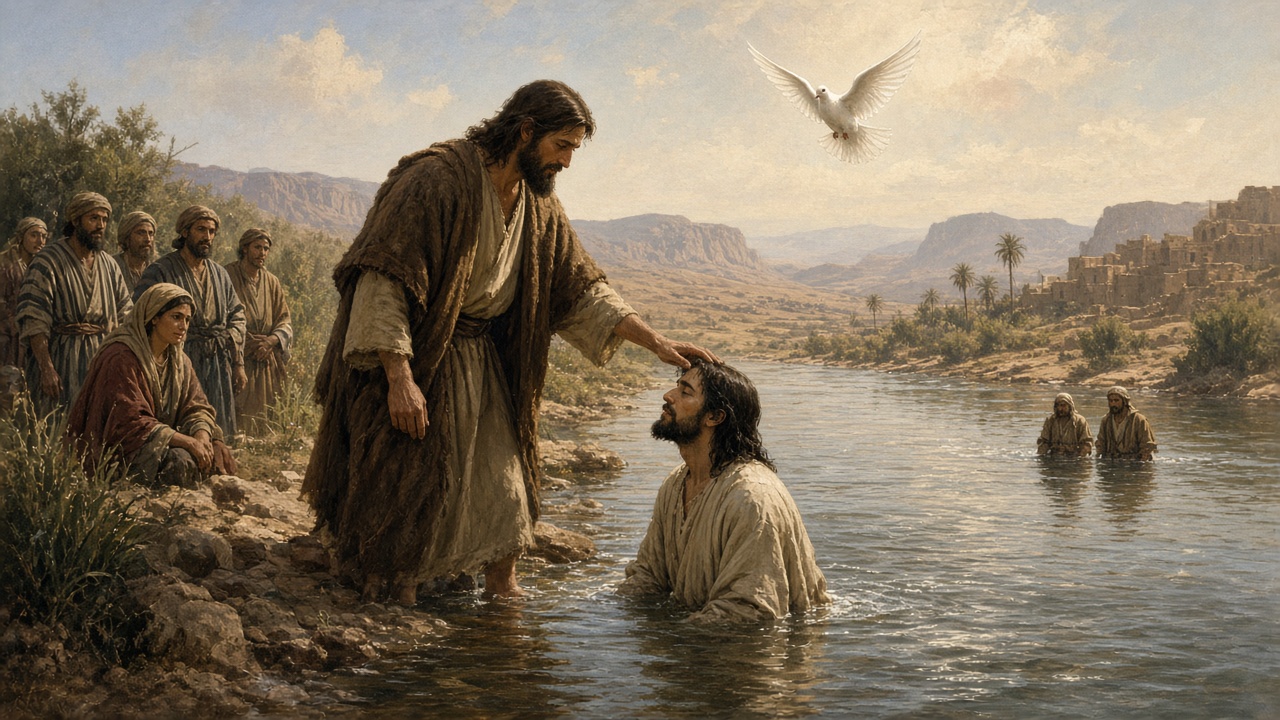
14Hløøꜘ kaˉlähꜘ gaꜙngɨɨꜘ juuˈ kiyhꜗ:
—¿Haˉ gaˊ jnäähꜗ naꜙ, haˉ läꜙ jmeeˊ jnäähꜗ ja̱ˉ?
Mahꜗ gaꜙjäyhꜘ:
—Taꜙ jø̱ø̱hˋ hnähꜘ dsaˉ mahꜗ jñuuhˊ hnähꜘ heˉ chaˉ kiyhꜗ, niꜙ taꜙ hnëëꜙ hnähꜘ dsaˉ hi̱ˉ saꜙ ä̱ä̱ˉ dsooˊ kya̱a̱hˊ juuˈ taˉjuuˈ. He̱e̱hˋ baˊ hnähꜘ läꜙko̱o̱ˉ teꜗ heˉ lë̱hˈ hnähꜘ.
15Peerꜙ läꜙjë̱ë̱ꜙ dsaˉ judiu maˊ hnøøˈ waˊraˉ jähꜘ kihꜗ maˉllooꜗ baˊ jmɨɨˊ heˉ lä̱ä̱yꜘ, heˉja̱ˉ maˊ jmeeyꜙ hʉʉˊdsëˉ cheˊ heꜘ baˊ Jwa̱a̱ꜚ naˉ hi̱ˉ la̱a̱ꜗ Cristo hi̱ˉ naˉhña̱a̱ˊ kya̱a̱ˈ Dio. 16Gaꜙjähꜘ Jwa̱a̱ꜚ gaꜙsɨɨhꜙ läꜙjë̱ë̱ꜙ dsaˉ heꜘ:
—Maꜙraꜙ juˈdsooꜘ jwë̱ë̱hn˜ hnähꜘ, jnäꜘ cha̱a̱nˊ dsaˉ jmɨɨˉ kya̱a̱hˊ jmɨɨˉ baˊ. Pero jäꜙ ja̱a̱ˉ hi̱ˉ jø̱ø̱hˈ gaˊ läꜙko̱hꜘ gaˊ jnäꜘ. Hiꜙ niꜙ saꜙ të̱ˊdsë̱ë̱nꜗ chiihnˊ mahꜗ llenˋ looˉ heˉ häˊ tɨɨyˊ. Hi̱ˉ heꜘ cha̱a̱ꜗ hnähꜘ jmɨɨˉ kya̱a̱hˊ Jmɨˉlleꜘ Naˉjngɨɨˈ, hiꜙ kya̱a̱hˊ jeˉ kaˉlähꜘ. 17Hi̱i̱ꜚ chehꜗ miˉlluꜗ mɨˈtrigo, maˉcho̱o̱yhˉ heˉ kya̱a̱hˊ jwäyˈ. Maˉlaꜙ maˉko̱o̱yˈ mɨˈtrigo kiyhꜗ, llayꜗ lluꜗ, ja̱ˉgaˊ jë̱yˈ waˊhløøˉ kihꜗ kya̱a̱hˊ jeˉ heˉ moꜙsoꜙ hʉʉꜙ ji̱hˊko̱hꜘ.
18Hiꜙ gaꜙhlë̱ë̱yhꜗ dsaˉ kya̱a̱hˊ chaˉgaˊmiihˉ juuˈ heˉ gaꜙmiꜙjnääyˉ haˉ läꜙ laꜗ juˈhmëëꜘ heˉ maˊ kwayꜙ. 19Hiꜙ gaꜙjʉʉyhꜗ kihꜗ Herode hi̱ˉ maˊ la̱a̱ˈ taˊ, kihꜗ heˉ maˊ kya̱a̱yhˊ Herodía mëˊ Felipe, heꜘ baˊ dsaˉñʉʉhˉ ø̱ø̱yhꜚ. Hiꜙ gaꜙjʉʉyhꜗ kihꜗ Herode, kihꜗ gaꜙläꜙjëꜙ heˉ hlɨɨhˈ heˉ maˊ jmeeyꜙ. 20Hiꜙ kë̱ë̱ˉ gaˊ gaꜙbä̱ä̱hˉ Herode jyohꜘ dsooˊ, hehꜗ heˉ gaꜙta̱a̱yhˉ Jwa̱a̱ꜚ nehꜙñeˈ.
Gaꜙsa̱a̱ˉ Jesús jmɨɨˉ
21Ko̱o̱ˉ jmɨɨˊ läꜙ maˊ chehˈ Jwa̱a̱ꜚ cha̱a̱˜ dsaˉ jmɨɨˉ, Jesús kaˉlähꜘ gaꜙsa̱a̱ˉ jmɨɨˉ. Taˊko̱ˉji̱i̱hˈ maˊ ngɨɨꜙ Jesús kiyhꜗ kihꜗ Dio gaꜙnaꜘ gyʉʉhˈ jmɨˉgyʉʉꜙ. 22Hiꜙ gaꜙjyooꜗ nëˊ kiyhˈ Jmɨˉlleꜘ Naˉjngɨɨˈ, gaꜙläꜙjnääyꜘ, la̱a̱yꜗ läꜙko̱hꜘ ja̱a̱ˉ juuˉ. Läꜙcha̱hꜘ ja̱ˉ gaꜙläꜙnʉʉhꜘ ko̱o̱ˉ juuˈ heˉ jaꜗ gyʉʉhˈ heˉ maˊ jähꜘ:
—Hneˉ la̱a̱hꜗ gyʉ̱ʉ̱ˉ kya̱a̱nꜙ hi̱ˉ hnaanꜙ. Peerꜙ cha̱a̱nˉ lluꜗ kya̱a̱hˊ hneˉ.
Jeeˊ laˉ naˉsɨɨˉ jmɨɨˉ kihꜗ dsaˉ maˉgyu̱hˉ kya̱a̱ꜗ Jesús
23Maˊ hä̱ä̱ˊ Jesús ko̱o̱ˉ gyiiꜘgyaꜘ ji̱ˉñeˉ maˊ gaꜙløøyꜗ kwayꜙ juuˈ. Maˊ jmä̱ä̱˜ dsihꜘ la̱a̱yꜗ jo̱o̱ꜘ José. José heꜘ maˊ la̱a̱ˈ jo̱o̱ꜘ Elí. 24Elí heꜘ maˊ la̱a̱ˈ jo̱o̱ꜘ Matat. Matat heꜘ maˊ la̱a̱ˈ jo̱o̱ꜘ Leví. Leví heꜘ maˊ la̱a̱ˈ jo̱o̱ꜘ Melqui. Melqui heꜘ maˊ la̱a̱ˈ jo̱o̱ꜘ Jana. Jana heꜘ maˊ la̱a̱ˈ jo̱o̱ꜘ José. 25José heꜘ maˊ la̱a̱ˈ jo̱o̱ꜘ Matatía. Matatía heꜘ maˊ la̱a̱ˈ jo̱o̱ꜘ Amó. Amó heꜘ maˊ la̱a̱ˈ jo̱o̱ꜘ Nahum. Nahum heꜘ maˊ la̱a̱ˈ jo̱o̱ꜘ Esli. Esli heꜘ maˊ la̱a̱ˈ jo̱o̱ꜘ Nagai. 26Nagai heꜘ maˊ la̱a̱ˈ jo̱o̱ꜘ Maat. Maat heꜘ maˊ la̱a̱ˈ jo̱o̱ꜘ Matatía. Matatía heꜘ maˊ la̱a̱ˈ jo̱o̱ꜘ Semei. Semei heꜘ maˊ la̱a̱ˈ jo̱o̱ꜘ José. José heꜘ maˊ la̱a̱ˈ jo̱o̱ꜘ Judá. 27Judá heꜘ maˊ la̱a̱ˈ jo̱o̱ꜘ Joana. Joana heꜘ maˊ la̱a̱ˈ jo̱o̱ꜘ Resa. Resa heꜘ maˊ la̱a̱ˈ jo̱o̱ꜘ Zorobabel. Zorobabel heꜘ maˊ la̱a̱ˈ jo̱o̱ꜘ Salatiel. Salatiel heꜘ maˊ la̱a̱ˈ jo̱o̱ꜘ Neri. 28Neri heꜘ maˊ la̱a̱ˈ jo̱o̱ꜘ Melqui. Melqui heꜘ maˊ la̱a̱ˈ jo̱o̱ꜘ Adi. Adi heꜘ maˊ la̱a̱ˈ jo̱o̱ꜘ Cosam. Cosam heꜘ maˊ la̱a̱ˈ jo̱o̱ꜘ Elmodam. Elmodam heꜘ maˊ la̱a̱ˈ jo̱o̱ꜘ Er. 29Er heꜘ maˊ la̱a̱ˈ jo̱o̱ꜘ Josué. Josué heꜘ maˊ la̱a̱ˈ jo̱o̱ꜘ Eliezer. Eliezer heꜘ maˊ la̱a̱ˈ jo̱o̱ꜘ Jorim. Jorim heꜘ maˊ la̱a̱ˈ jo̱o̱ꜘ Matat. 30Matat heꜘ maˊ la̱a̱ˈ jo̱o̱ꜘ Leví. Leví heꜘ maˊ la̱a̱ˈ jo̱o̱ꜘ Simeón. Simeón heꜘ maˊ la̱a̱ˈ jo̱o̱ꜘ Judá. Judá heꜘ maˊ la̱a̱ˈ jo̱o̱ꜘ José. José heꜘ maˊ la̱a̱ˈ jo̱o̱ꜘ Jonán. Jonán heꜘ maˊ la̱a̱ˈ jo̱o̱ꜘ Eliaquim. 31Eliaquim heꜘ maˊ la̱a̱ˈ jo̱o̱ꜘ Melea. Melea heꜘ maˊ la̱a̱ˈ jo̱o̱ꜘ Mainán. Mainán heꜘ maˊ la̱a̱ˈ jo̱o̱ꜘ Matata. Matata heꜘ maˊ la̱a̱ˈ jo̱o̱ꜘ Natán. 32Natán heꜘ maˊ la̱a̱ˈ jo̱o̱ꜘ David. David heꜘ maˊ la̱a̱ˈ jo̱o̱ꜘ Isaí. Isaí heꜘ maˊ la̱a̱ˈ jo̱o̱ꜘ Obed. Obed heꜘ maˊ la̱a̱ˈ jo̱o̱ꜘ Booz. Booz heꜘ maˊ la̱a̱ˈ jo̱o̱ꜘ Salmón. Salmón heꜘ maˊ la̱a̱ˈ jo̱o̱ꜘ Naasón. 33Naasón heꜘ maˊ la̱a̱ˈ jo̱o̱ꜘ Aminadab. Aminadab heꜘ maˊ la̱a̱ˈ jo̱o̱ꜘ Aram. Aram heꜘ maˊ la̱a̱ˈ jo̱o̱ꜘ Esrom. Esrom heꜘ maˊ la̱a̱ˈ jo̱o̱ꜘ Fare. Fare heꜘ maˊ la̱a̱ˈ jo̱o̱ꜘ Judá. 34Judá heꜘ maˊ la̱a̱ˈ jo̱o̱ꜘ Jacob. Jacob heꜘ maˊ la̱a̱ˈ jo̱o̱ꜘ Isaac. Isaac heꜘ maˊ la̱a̱ˈ jo̱o̱ꜘ Abraham. Abraham heꜘ maˊ la̱a̱ˈ jo̱o̱ꜘ Taré, Taré heꜘ maˊ la̱a̱ˈ jo̱o̱ꜘ Nacor. 35Nacor heꜘ maˊ la̱a̱ˈ jo̱o̱ꜘ Serug. Serug heꜘ maˊ la̱a̱ˈ jo̱o̱ꜘ Ragau. Ragau heꜘ maˊ la̱a̱ˈ jo̱o̱ꜘ Peleg. Peleg heꜘ maˊ la̱a̱ˈ jo̱o̱ꜘ Heber. Heber heꜘ maˊ la̱a̱ˈ jo̱o̱ꜘ Sala. 36Sala heꜘ maˊ la̱a̱ˈ jo̱o̱ꜘ Cainán. Cainán heꜘ maˊ la̱a̱ˈ jo̱o̱ꜘ Arfaxad. Arfaxad heꜘ maˊ la̱a̱ˈ jo̱o̱ꜘ Sem. Sem heꜘ maˊ la̱a̱ˈ jo̱o̱ꜘ Noé. Noé heꜘ maˊ la̱a̱ˈ jo̱o̱ꜘ Lamec. 37Lamec heꜘ maˊ la̱a̱ˈ jo̱o̱ꜘ Matusalén. Matusalén heꜘ maˊ la̱a̱ˈ jo̱o̱ꜘ Enoc. Enoc heꜘ maˊ la̱a̱ˈ jo̱o̱ꜘ Jared. Jared heꜘ maˊ la̱a̱ˈ jo̱o̱ꜘ Mahalaleel. Mahalaleel heꜘ maˊ la̱a̱ˈ jo̱o̱ꜘ Cainán. 38Cainán heꜘ maˊ la̱a̱ˈ jo̱o̱ꜘ Enó. Enó heꜘ maˊ la̱a̱ˈ jo̱o̱ꜘ Set. Set heꜘ maˊ la̱a̱ˈ jo̱o̱ꜘ Adán. Adán heꜘ maˊ la̱a̱ˈ jo̱o̱ꜘ Dio.
Did you know?
John the Baptist prepares the way
- Luke sets John's preaching in the fifteenth year of Tiberius Caesar, the stepson of Augustus, who succeeded him in A.D. 14 and died in A.D. 37. Easton's Bible Dictionary (1897) notes that John began his public ministry in that year, and that Pontius Pilate, the sixth Roman procurator of Judea from A.D. 26 to 36, kept his headquarters at Caesarea during a term that covered the ministries of John and Jesus. Herod Antipas, a son of Herod, was then tetrarch of Galilee.Sources: the Bible text itself · Tiberius · Pontius Pilate · Herod Antipas
- The chapter dates these events during the high priesthood of both Annas and Caiaphas. Easton's Bible Dictionary (1897) records that Annas was high priest from A.D. 7 to 14 and was deposed by the Roman procurator, and that Caiaphas, who had married Annas's daughter, was raised to that office in A.D. 25. The same entry suggests that the Jews may still have regarded Annas as the lawful high priest, since Mosaic law held the office for life, and that he probably served with Caiaphas as president of the Sanhedrin or as the high priest's deputy.Sources: the Bible text itself · Annas
- John, son of Zechariah, was of priestly descent: his father was a priest of the course of Abia, and his mother, Elizabeth, belonged to the daughters of Aaron. Easton's Bible Dictionary (1897) notes that his mission was the subject of prophecy, including Isaiah's voice crying in the wilderness, and that his birth came six months before the birth of Jesus. In this chapter he preaches a baptism of repentance throughout the region around the Jordan, and Herod the tetrarch later imprisons him after John rebukes him over Herodias.Sources: the Bible text itself · John the Baptist
Notes written with AI assistance from open sources (Theographic Bible Metadata, CC BY-SA 4.0; Easton’s Bible Dictionary, public domain) and reviewed before publishing.
Places in this chapter
- Abilene · 33.627, 36.106 · verse 1
- Galilee · 32.760, 35.527 · verses 1, 19
- Ituraea · 33.400, 35.850 · verse 1
- Judea · Today: Judea 1 · 31.777, 35.234 · verse 1
- Trachonitis · Today: Lajat · 32.969, 36.455 · verse 1
- Jordan · Today: Jordan River · 31.761, 35.558 · verse 3
Only places identified with high confidence are shown (90% or more according to the scholarly sources compiled by OpenBible). Period map: DARE (Digital Atlas of the Roman Empire), CC BY 4.0; modern map: © OpenStreetMap contributors; places: OpenBible.info (CC BY 4.0).
Credits and license for this translation
Hmooh hmëë he- ga-jmee Jesucristo; Salmos
New Testament and Psalms in Chinantec, Ozumacín (MX:chz:Chinantec, Ozumacín)
copyright © 2003 Wycliffe Bible Translators, Inc.
Language: Chinantec, Ozumacín
Translation by: Wycliffe Bible Translators, Inc.
Chinanteco, Ozumacín [chz], Mexico
Copyright Information
© 2003, Wycliffe Bible Translators, Inc.
This translation text is made available to you under the
terms of the Creative Commons License: Attribution-Noncommercial-No Derivative Works.
( http://creativecommons.org/licenses/by-nc-nd/3.0/ )
In addition, you have permission to port the text to different file formats, as long as you
do not change any of the text or punctuation of the Bible.
You may share, copy, distribute, transmit, and extract portions
or quotations from this work, provided that you include the above copyright
information:
You must give Attribution to the work.
You do not sell this work for a profit.
You do not make any derivative works that change any of the actual words or punctuation of the Scriptures.
Permissions beyond the scope of this license may be
available if you contact
us with your request.
The New Testament and Psalms
in Chinantec, Ozumacín
© 2003, Wycliffe Bible Translators, Inc.
This translation is made available to you under the terms of the
Creative Commons Attribution-Noncommercial-No Derivatives license 4.0.
You may share and redistribute this Bible translation or extracts from it in any format, provided that:
You include the above copyright and source information.
You do not sell this work for a profit.
You do not change any of the words or punctuation of the Scriptures.
Pictures included with Scriptures and other documents on this site are licensed just for use with those Scriptures and documents.
For other uses, please contact the respective copyright owners.
2014-04-22
Source: http://ebible.org/chzNTps/ · eBible.org