Luke 24
Hmooh hmëë he- ga-jmee Jesucristo; Salmos · Tap a verse to see its cross-references.
Gaꜙläꜙji̱i̱hˋ Jesús
1Tiih˜ goˉte˜ toˉnëˊ jmɨɨˊ kihˈ seman˜, gaꜙllaꜙnääꜗ dsaˉmëꜘ heꜘ jeeˊ maˊ laˈ toˉhø̱ø̱ˉ ja̱ˉ, maˊ kye̱yˉ läꜙjëꜙ heˉ hɨɨˉ miˉjwɨɨˉ heˉ gaꜙmiꜙlluyꜗ ja̱ˉ hiꜙ jñahꜘ gaˊ dsaˉmëꜘ gaꜙjmeeꜘ ko̱ˉjø̱hꜘ kya̱a̱yhˊ. 2Maˊ gaꜙtë̱ë̱yꜘ jeeˊ ja̱ˉ, ku̱u̱ˊ heˉ maˊ naˉjnëˉ hooˊ toˉhø̱ø̱ˉ maˉnaˉbäˊ taꜙ kooꜘ. 3Maˊ gaꜙta̱a̱yhˋ nehꜙ toˉhø̱ø̱ˉ gaꜙjëëyꜗ moꜙsoꜙ kyeˉ jmɨˉngoꜗ kihꜗ Jesús Dsaˉjø̱ø̱hˈ jnänˋ. 4Jeeˊ tä̱ä̱yhˊ jmeeyꜙ chaˉmiihˉ hʉʉˊdsëˉ, läꜙcha̱hꜘ ja̱ˉ gaꜙllaꜙsë̱ë̱hˋ chu̱hꜙ kiyhꜗ u̱u̱ꜗ dsaˉñʉʉhˉ hi̱ˉ maˊ kye̱hˊ hmɨɨhˉ tøˉjlë̱ë̱ˉ ñihꜗ. 5Gaꜙjwa̱a̱hˈ jwërte dsaˉmëꜘ heꜘ, gaꜙjyooyꜗ moˉnëyˊ taꜙ hwaꜗ. Mahꜗ gaꜙjähꜘ läꜙu̱u̱ꜘ dsaˉñʉʉhˉ heꜘ sɨɨyhꜙ:
—¿Heˉlaˈ hnaahꜙ hnähꜘ ja̱a̱ˉ hi̱ˉ naˊji̱i̱hꜙ jeeˊ kihˈ hi̱ˉ maˉnaˉju̱u̱ˊ? 6Moꜙsoꜙ cha̱a̱ˉ jeeˊ laˉ. Hi̱i̱ꜚ maˉläˉji̱i̱hˋ. Miˉdsoohꜚ hohꜘ hnähꜘ heˉ gaꜙjäyhꜘ sɨɨyhꜙ hnähꜘ läꜙko̱o̱ˉ maˊ gyaˈ gyihꜗ hwaꜗ Galilea, 7läꜙko̱hꜘ maˊ gaꜙjäyhꜘ läꜙlaˉ: “Laꜗ biiꜗ kihꜗ Hi̱ˉgaꜙlë̱ë̱ꜗngoꜗ laˉ ngëëꜗ dsihꜘ jaˊgooˉ dsaˉ hñaaˉ dsëꜗ, mahꜗ tä̱ä̱yꜙ dsohꜘ hmaˉcruꜚ. Hiꜙ gaˊ maˉhyaˉ hnëˉ jmɨɨˊ läꜙji̱i̱yhˊ kaˉlähꜘ.”
8Ja̱ˉgaˊ gaꜙläꜙdsooh˜ dsëꜗ dsaˉmëꜘ heꜘ juuˈ ja̱ˉ. 9Maˊ gaꜙhwë̱ë̱yˉ jeeˊ ja̱ˉ, naˊnääyˈ naˊjmeeyhˊ juuˈ kihꜗ läꜙjë̱ë̱ꜙ gyaꜙka̱a̱ꜙ apóstole kya̱a̱hˊ kihˈ jeeˊ läꜙjë̱ë̱ꜙ dsaˉkya̱a̱yhˊ. 10Dsaˉmëꜘ hi̱ˉ naˊko̱o̱˜ juuˈ kihꜗ apóstole heꜘ maˊ che̱e̱ˉ María Magdalena, Juana, María chooˈ Jacobo hiꜙ jñahꜘ gaˊ dsaˉmëꜘ. 11Pero läꜙjë̱ë̱ꜙ hi̱ˉ gaꜙnuuꜘ juuˈ kihꜗ dsaˉmëꜘ heꜘ saꜙ gaꜙläꜙhe̱e̱yꜘ kiyhꜗ. Maˊ la̱a̱yꜘ, juuˈ ngaaꜗ baˊ ja̱ˉ maˊ hlëëyhꜙ.
12Heˉja̱ˉ gaꜙnooˉ Peeˊ, ngooyꜗ koˉchihˊ jeeˊ maˊ laˈ toˉhø̱ø̱ˉ ja̱ˉ. Maˊ gaꜙjëëyꜗ nehꜙ, maꜙlaꜙ taˉjmaahˋ baˊ maˊ kyeˉ. Peerꜙ dsa̱a̱˜ dsëyꜗ ngaayhꜗ, maˊ jmeeyꜙ hʉʉˊdsëˉ haˉ baˊ läꜙ gaꜙlaꜗ.
Gaꜙmiꜙjnääˉ Jesús hñiiꜘ kihꜗ u̱u̱ꜗ discípulo
13Ja̱ˉbaˊ jmɨɨˊ ja̱ˉ naˊnääˈ u̱u̱ꜗ discípulo ko̱o̱ˉ jeeˊ jwɨɨˉ heˉ che̱e̱ˉ Emaú, ʉ̱ʉ̱ꜘ ko̱o̱ˉ gyaꜙko̱o̱ꜙ kilómetro kihꜗ Jerusalén. 14Jeeˊ tä̱ä̱yhˊ jwëꜗ gaꜙnääyꜗ ja̱ˉ, maˊ llayꜙ juuˈ kihꜗ läꜙjëꜙ heˉ gaꜙlaꜗ. 15Pero heeˉ gaꜙlaꜗ. Jeeˊ gaꜙnääyꜗ llayꜙ juuˈ ja̱ˉ kya̱a̱hˊ dsaˉkya̱a̱yhˊ, niꜙ saꜙ liihꜚ gyihꜗ, heꜘ baˊ hñiiꜘ Jesús ngooꜗ ko̱ˉjø̱hꜘ kya̱a̱yhˊ. 16Pero saꜙ gaꜙläꜙkyu̱u̱yꜙ, kihꜗ maˉnaˉjlëˉ hʉʉˊdsëˉ kiyhꜗ. 17Mahꜗ gaꜙjähꜘ Jesús sɨɨyhꜙ:
—¿Heeˉ baˊ juuˈ naˉ llahˉ hnähꜘ chaˊjwëꜗ laˉ? ¿Heˉlaˈ meehˉ hohꜘ hnähꜘ?
18Mahꜗ ja̱a̱ˉ hi̱ˉ maˊ che̱e̱ˉ Cleofa, gaꜙjäyhꜘ sɨɨyhꜙ:
—¿Haˉ läꜙ laꜗ juuˈ? Jeeˊ kihˈ läꜙjë̱ë̱ꜙ hi̱ˉ naˊnääˈ jmɨɨˊ, ¿cheˊ ja̱a̱ˉ hneˉ baˊ saꜙ ñehˊ läꜙjëꜙ heˉ gaꜙlaꜗ jeeˊ jwɨɨˉ Jerusalén maˊ jmɨɨˊ laˉ?
19Ja̱ˉgaˊ jähꜘ Jesús sɨɨyhꜙ:
—¿Heeˉ baˊ gaꜙlaꜗ?
Mahꜗ gaꜙjähꜘ dsaˉ heꜘ sɨɨyhꜙ:
—Llaˉ jnäähˈ juuˈ kihꜗ Jesús dsaˉ maˊ cha̱a̱ˉ Nazaret. Maˊ la̱a̱yˈ ja̱a̱ˉ hi̱ˉ gaꜙngëëꜗ juuˈ kihꜗ Dio. Jëëhꜘ, chaˊnëˊ Dio hiꜙ chaˊnëˊ läꜙjë̱ë̱ꜙ dsaˉ gaꜙmiꜙjnääyˉ heˉ be̱e̱yꜘ kya̱a̱hˊ taˊ kiyhˈ hiꜙ läꜙja̱ˉ kya̱a̱hˊ juuˈ heˉ gaꜙhlëëyhꜘ kaˉlähꜘ. 20Hiꜙ llaˉ jnäähˈ juuˈ haˉ läꜙ gaꜙjmeeꜘ dsaˉka̱a̱hˊ kya̱a̱ˈ jmiˉdsaˉ kya̱a̱hˊ dsaˉtaˊ kya̱a̱ˈ jnäähꜗ gaꜙta̱a̱yhˉ gooˉ lleˊmohꜘ mahꜗ jmeeyꜗ hihꜙ heˉ ju̱u̱yꜘ, ja̱ˉgaˊ gaꜙtä̱ä̱yˉ dsohꜘ hmaˉcruꜚ. 21Pero jnäähˈ maˊ kye̱ˊ jnäähꜗ oˉjø̱hꜙ dsëˉ hi̱ˉ heꜘ nøøꜘ juuˈ maˊ lä̱ä̱ˈ jnäähꜗ dsaˉ Israel. Pero naꜗ maˉhyaˉ hnëˉ jmɨɨˊ heˉ gaꜙlaꜗ läꜙja̱ˉ. 22¿Cheˊ kyu̱u̱h˜ haˉ läꜙ maˉlaꜗ? Ko̱ˉlla̱a̱ˊ dsaˉmëꜘ hi̱ˉ jmeeꜙ ko̱ˉjø̱hꜘ kya̱a̱hˊ jnäähꜗ, maˉjø̱ø̱yhꜗ jnäähˈ, kya̱a̱hˊ juuˈ heˉ maˊ ki̱i̱yˈ ja̱ˉ. Jëëhꜘ tiih˜ gaˊ maˉnaˊnääyˈ jeeˊ laˈ toˉhø̱ø̱ˉ. 23Maˊ yaꜙnääyˋ, jäyhꜘ moꜙsoꜙ chaˉ jmɨˉngoꜗ kiyhꜗ kyeˉ nehꜙ toˉhø̱ø̱ˉ ja̱ˉ, hiꜙ jäyhꜘ maˉjë̱ë̱yꜙ ángele hi̱ˉ maˉjähꜘ sɨɨyhꜙ heˉ naˊji̱i̱hꜙ baˊ Jesús. 24Läꜙja̱ˉ maˉnaˊnääˈ ko̱ˉlla̱a̱ˊ dsaˉkya̱a̱hˊ jnäähꜗ jeeˊ laˈ toˉhø̱ø̱ˉ ja̱ˉ. Pero maˊ yaꜙnääyˋ, ko̱o̱ˉ baˊ juuˈ jmeeyh˜ läꜙko̱hꜘ jähꜘ dsaˉmëꜘ heꜘ, heˉ moꜙsoꜙ kyeˉ jmɨˉngoꜗ kihꜗ Jesús.
25Ja̱ˉgaˊ gaꜙjähꜘ Jesús sɨɨyhꜙ:
—Heˉ baˊ cheˉ ta̱a̱hˉ hnähꜘ. Heˉlɨɨꜗ baˊ gaꜙläꜙdsooꜘ hohꜘ hnähꜘ läꜙjëꜙ heˉ gaꜙjähꜘ hi̱ˉ gaꜙngëëꜗ juuˈ kihꜗ Dio lloꜘjooꜗ. 26¿Cheˊ saꜙ maˊ laˈ biiꜗ kihꜗ hi̱ˉ la̱a̱ꜗ Cristo maˊ dsaˉngëëyꜘ läꜙjëꜙ heˉ wɨɨꜘ, jä̱ä̱ꜗ ja̱ˉgaˊ le̱e̱yꜘ jø̱ø̱hˈ?
27Läꜙcha̱hꜘ ja̱ˉ gaꜙløøyꜗ hlë̱ë̱yh˜ läꜙko̱o̱ˉ maˉnaˉsɨɨˉ kiyhꜗ jä̱ä̱ꜗ. Gaꜙløøyꜗ kya̱a̱hˊ heˉ gaꜙsɨɨꜘ Moisé hiꜙ ngooꜗ bihꜗ miˉjnääyꜙ läꜙ hiiꜘ nëˊ haˉ läꜙ hlëëhꜙ kiyhꜗ jeeˊ gaꜙsɨɨꜘ hi̱ˉ gaꜙngëëꜗ juuˈ kihꜗ Dio.
28Maˊ gaꜙtë̱ë̱yꜘ jwɨɨˉ jeeˊ gaꜙnääyꜗ ja̱ˉ, gaꜙjmeeꜘ Jesús läꜙko̱o̱ˉ heˉ ngooꜗ bihꜗ taꜙ chaˊnëˊ. 29Pero discípulo heꜘ gaꜙchu̱u̱ꜘ kya̱a̱yhˊ mahꜗ jä̱yꜗ hwëꜗ ja̱ˉ, gaꜙjäyhꜘ sɨɨyhꜙ:
—Jä̱ˊ kya̱a̱hˊ jnäähꜗ, jëëhꜘ maˉhlooꜘ baˊ laˉ, maˉngooꜗ gaꜙnʉʉˉ.
Gaꜙjä̱ꜘ bihꜗ kya̱a̱hˊ discípulo heꜘ. 30Läꜙko̱o̱ˉ maˊ gyayˈ nëˊ mes˜, gaꜙka̱yꜗ heˊñiihꜚ. Maˉngëëꜘ maˉkwayꜘ tiˊhmaahˊ kihˈ Dio, gaꜙlla̱a̱yꜗ heˊñiihꜚ ja̱ˉ mahꜗ gaꜙkwëëyhꜗ discípulo heꜘ. 31Läꜙcha̱hꜘ ja̱ˉ gaꜙnaꜘ mɨˈnëyˊ hiꜙ gaꜙläꜙkyu̱u̱yꜙ Jesús. Läꜙ maˉjëëy˜ ja̱ˉ gaꜙä̱ä̱hꜗ Jesús. 32Mahꜗ maˊ jähꜘ dsaˉkya̱a̱yhˊ:
—Haˉ ko̱hꜘ saꜙ maˉnøhꜗ dsëˉ jneˊ läꜙko̱hꜘ juuˈ heˉ maˉhlë̱ë̱yhꜗ jneˊ chaˊjwëꜗ. Hiꜙ läꜙja̱ˉ kaˉlähꜘ kihꜗ heˉ maˉmiˉjnääyˉ haˉ läꜙ hnøøꜗ jähˊ jeeˊ naˉsɨɨˉ juuˈ kihꜗ Dio.
33Läꜙcha̱hꜘ hor˜ ja̱ˉ gaꜙnooyˉ gaꜙnääyˋ taꜙ Jerusalén. Gaꜙllaꜙnääyˋ jeeˊ maˊ tä̱ä̱hˊ ko̱ˉjø̱hꜘ läꜙjë̱ë̱ꜙ gyaꜙka̱a̱ꜙ apóstole kya̱a̱hˊ jñahꜘ dsaˉkya̱a̱yhˊ. 34Heˉja̱ˉ gaꜙjähꜘ dsaˉ hi̱ˉ maˊ tä̱ä̱hˊ heꜘ:
—Maꜙraꜙ juˈdsooꜘ maˉläˉji̱i̱hˋ Dsaˉjø̱ø̱hˈ jnänˋ, hiꜙ maˉmiˉjnääyˉ hñiiyꜘ kihꜗ Simón.
35Ja̱ˉgaˊ gaꜙjmeehꜗ läꜙu̱u̱ꜘ discípulo heꜘ juuˈ, haˉ läꜙ gaꜙlaꜗ kiyhꜗ chaˊjwëꜗ, hiꜙ haˉ läꜙ gaꜙläꜙkyu̱u̱yꜙ Jesús maˊ gaꜙlla̱a̱yꜗ heˊñiihꜚ.
Gaꜙmiꜙjnääˉ Jesús hñiiꜘ kihꜗ discípulo kya̱a̱yꜗ
36Taˊko̱ˉji̱i̱hˈ maˊ tä̱ä̱yhˊ llayꜙ juuˈ ja̱ˉ, gaꜙllaꜙsë̱ë̱hˋ Jesús to̱ꜗdsaahˋ jeeˊ kiyhˈ mahꜗ gaꜙsɨɨyhꜙ:
—Waˊ hiiꜘ tiiˊ kyahˈ hnähꜘ.
37Heˉja̱ˉ gaꜙjwa̱a̱hˈ jwërte läꜙjë̱ë̱ꜙ hi̱ˉ maˊ tä̱ä̱hˊ heꜘ mahꜗ gaꜙläꜙgoyhꜙ. Jmɨˉlleꜘ baˊ ja̱ˉ maˊ jëëy˜, la̱a̱yꜘ. 38Heˉja̱ˉ gaꜙjähꜘ Jesús sɨɨyhꜙ:
—¿Heˉlaˈ ga̱hꜗ hnähꜘ? ¿Heˉlaˈ jmeehˉ hnähꜘ to̱ꜗ hohꜘ hnähꜘ? 39Jëëˋ daˊ hnähꜘ maˉgoonꜙ. Jëëˋ daˊ hnähꜘ maˉtɨɨnꜙ. Ja̱ˉbaˊ jnäꜘ laˉ. Cho̱o̱hˈ daˊ hnähꜘ mahꜗ jëëˋ. Jëëhꜘ, jmɨˉlleꜘ saꜙ kye̱ˉ jmɨˉngoꜗ läꜙko̱o̱ˉ jëëhꜘ hnähꜘ la̱a̱nꜗ.
40Jeeˊ cheyhˈ hlëëyhꜙ läꜙja̱ˉ, gaꜙheeyhꜗ dsaˉ maˉgooyˉ maˉtɨɨyˊ. 41Pero saꜙ gaˊ maˉhe̱e̱yꜘ lluꜗ, kihꜗ heˉ jë̱ë̱ˉ dsëyꜗ chaˉmiihˉ hiꜙ maˊ dsa̱a̱˜ dsëyꜗ kaˉlähꜘ. Heˉja̱ˉ gaꜙjähꜘ Jesús sɨɨyhꜙ:
—¿Heeˉ chaˉ miihˉ kihnˊ jeeˊ laˉ?
42Heˉja̱ˉ gaꜙkwëëyhꜗ ko̱o̱ˉ jwɨˊ kihˈ hmoohˉ naˉdsë̱ë̱˜ nëˊ jeˉ hiꜙ ko̱o̱ˉ jwɨˊ tahꜗ sër˜. 43Heˉja̱ˉ gaꜙso̱o̱yhꜗ mahꜗ gaꜙkuyhˉ läꜙ maˉjëë˜ ja̱ˉ läꜙjë̱ë̱ꜙ. 44Mahꜗ gaꜙjähꜘ Jesús sɨɨhꜙ läꜙjë̱ë̱ꜙ dsaˉ heꜘ:
—Heˉ laˉ naˉ juuˈ heˉ gaꜙhlë̱ë̱hnˋ hnähꜘ läꜙ maˊ gyaˊ gaˊ jnäꜘ jeeˊ kyahˈ hnähꜘ. Heˉ gaꜙjmeeꜘ biiꜗ gaꜙläꜙteꜗ läꜙjëꜙ heˉ naˉsɨɨˉ kinꜙ nëˊ ley kihꜗ Moisé, hiꜙ jeeˊ naˉsɨɨˉ juuˈ kihꜗ hi̱ˉ gaꜙngëëꜗ juuˈ kihꜗ Dio, hiꜙ kihꜗ salmo kaˉlähꜘ.
45Ja̱ˉgaˊ gaꜙjmeeyꜘ gaꜙnaꜘ hʉʉˊdsëˉ kihꜗ dsaˉ heꜘ mahꜗ gaꜙläꜙngëëyꜘ läꜙko̱o̱ˉ naˉsɨɨˉ juuˈ kihꜗ Dio. 46Mahꜗ gaꜙsɨɨyhꜙ läꜙjë̱ë̱ꜙ dsaˉ heꜘ:
—Heˉ laˉ naˉ maˉnaˉsɨɨˉ kinꜙ jä̱ä̱ꜗ. Gaꜙjmeeꜘ biiꜗ kiꜙ jnäꜘ hi̱ˉ la̱a̱ꜗ Cristo heˉ gaꜙjëënꜗ wɨɨꜘ mahꜗ gaꜙläꜙji̱i̱hnˋ jeeˊ kihˈ hi̱ˉ naˉju̱u̱ˊ maˊ gaꜙhyaˉ hnëˉ jmɨɨˊ. 47Hiꜙ kwa̱a̱t˜ kinꜙ, dsaˉnääꜗ dsaˉ dsaˉkwaꜙ juuˈ kinꜙ gaꜙläꜙka̱a̱ˉ hwaꜗ. Løøyꜗ taꜙ Jerusalén hlë̱ë̱yhꜗ dsaˉ haˉ läꜙ dsaˉje̱e̱yh˜ kya̱a̱hˊ Dio mahꜗ ko̱o̱ꜙ Dio dsëꜗ kihꜗ dsoˊkyeˉ kiyhꜗ. 48Hnähꜘ heꜘ hi̱ˉ jmeeꜗ juˈdsooꜘ kihꜗ läꜙjëꜙ heˉ laˉ. 49Hi̱i̱ꜚ jnäꜘ che̱e̱nꜚ kyahꜗ hnähꜘ heˉ gaꜙbä̱ä̱hˉ Tääˋ kya̱a̱nꜙ hñiiꜘ kwëëyhꜗ hnähꜘ. Heˉja̱ˉ jä̱ä̱ˊ hnähꜘ Jerusalén laˉ, läꜙji̱i̱hˈ të̱ë̱hꜗ hnähꜘ beꜘ heˉ jyooꜗ gyʉʉhˈ.
Ngaahꜗ Jesús gyʉʉhˈ
50Gaꜙjä̱ä̱ꜗ Jesús läꜙjë̱ë̱ꜙ dsaˉ heꜘ läꜙ gaꜙtëꜘ jä̱hꜙ kihꜗ jwɨɨˉ Betania. Jeeˊ ja̱ˉ gaꜙchooyꜘ gooyˉ gyʉʉhˈ mahꜗ gaꜙmiꜙjä̱ä̱yꜗ läꜙjë̱ë̱ꜙ. 51Jeeˊ cheyhˈ miˉjä̱ä̱yꜗ läꜙjë̱ë̱ꜙ dsaˉ heꜘ ngaayhꜗ taꜙ gyʉʉhˈ. 52Maˉngëëꜘ maˉjmä̱ä̱yꜗ jø̱ø̱hˈ Jesús, peerꜙ jë̱ë̱ˉ dsëyꜗ gaꜙnääyˋ taꜙ Jerusalén. 53Hiꜙ maˊ tä̱ä̱hˊ tä̱ä̱yꜘ jeeˊ maˊ chihˈ gwahꜙ, kwayꜙ tiˊhmaahˊ kihˈ Dio hiꜙ maˊ jmeeyꜙ jʉʉhˉ kiyhꜗ. Waˊ laˈ läꜙja̱ˉ.
Did you know?
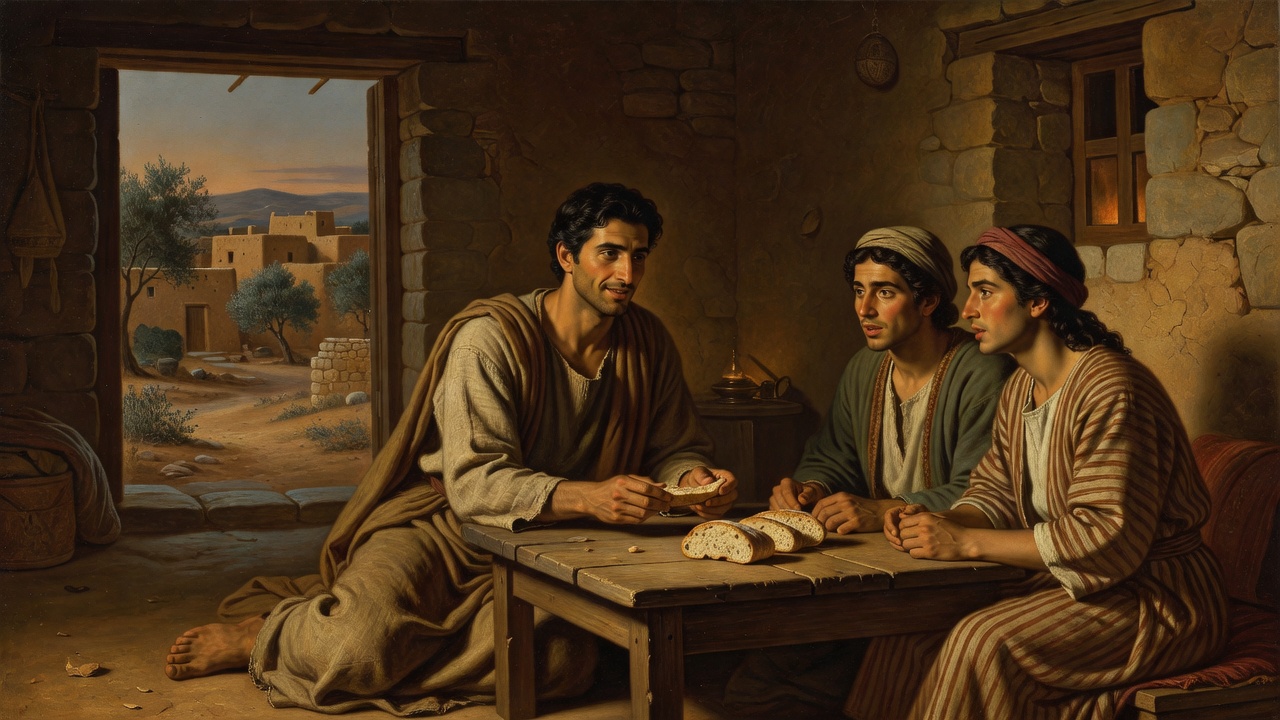
Resurrection morning and the road to Emmaus
- Luke describes Emmaus as a village about seven miles from Jerusalem. Easton's Bible Dictionary (1897) quotes that distance as three-score furlongs and records two identifications: el-Kubeibeh, over seven miles northwest of Jerusalem, whose name, 'little dome,' comes from the remains of a Crusaders' church still found there, and Khurbet Khamasa, 'the ruins of Khamasa,' about eight miles southwest, where Crusader ruins are also found.Sources: Emmaus · the Bible text itself
- Mary Magdalene, Joanna, Mary the mother of James, and other women with them were the ones who told the apostles what had happened at the tomb. Mary Magdalene takes her name from Magdala, her birthplace, and Easton's Bible Dictionary (1897) calls it a mistake to identify her with the woman called 'a sinner' in Luke 7. Joanna, the wife of Chuza, steward of Herod Antipas, tetrarch of Galilee, was one of the women who ministered to Jesus, and the same dictionary says he appeared to her after the resurrection.Sources: Mary Magdalene · Joanna · the Bible text itself
- One of the two disciples on the road is named Cleopas, a shortened form of Cleopatros. Easton's Bible Dictionary (1897) says that nothing definite is known about him, and that it is not certain he was the Clopas of John 19:25 or the Alphaeus of Matthew 10:3, although he may have been.Sources: Cleophas · the Bible text itself
Notes written with AI assistance from open sources (Theographic Bible Metadata, CC BY-SA 4.0; Easton’s Bible Dictionary, public domain) and reviewed before publishing.
Places in this chapter
- Galilee · 32.760, 35.527 · verse 6
- Jerusalem · 31.777, 35.234 · verses 13, 18, 33, 47, 49, 52
- Nazareth · 32.702, 35.298 · verse 19
Only places identified with high confidence are shown (90% or more according to the scholarly sources compiled by OpenBible). Period map: DARE (Digital Atlas of the Roman Empire), CC BY 4.0; modern map: © OpenStreetMap contributors; places: OpenBible.info (CC BY 4.0).
Credits and license for this translation
Hmooh hmëë he- ga-jmee Jesucristo; Salmos
New Testament and Psalms in Chinantec, Ozumacín (MX:chz:Chinantec, Ozumacín)
copyright © 2003 Wycliffe Bible Translators, Inc.
Language: Chinantec, Ozumacín
Translation by: Wycliffe Bible Translators, Inc.
Chinanteco, Ozumacín [chz], Mexico
Copyright Information
© 2003, Wycliffe Bible Translators, Inc.
This translation text is made available to you under the
terms of the Creative Commons License: Attribution-Noncommercial-No Derivative Works.
( http://creativecommons.org/licenses/by-nc-nd/3.0/ )
In addition, you have permission to port the text to different file formats, as long as you
do not change any of the text or punctuation of the Bible.
You may share, copy, distribute, transmit, and extract portions
or quotations from this work, provided that you include the above copyright
information:
You must give Attribution to the work.
You do not sell this work for a profit.
You do not make any derivative works that change any of the actual words or punctuation of the Scriptures.
Permissions beyond the scope of this license may be
available if you contact
us with your request.
The New Testament and Psalms
in Chinantec, Ozumacín
© 2003, Wycliffe Bible Translators, Inc.
This translation is made available to you under the terms of the
Creative Commons Attribution-Noncommercial-No Derivatives license 4.0.
You may share and redistribute this Bible translation or extracts from it in any format, provided that:
You include the above copyright and source information.
You do not sell this work for a profit.
You do not change any of the words or punctuation of the Scriptures.
Pictures included with Scriptures and other documents on this site are licensed just for use with those Scriptures and documents.
For other uses, please contact the respective copyright owners.
2014-04-22
Source: http://ebible.org/chzNTps/ · eBible.org