John 7
Hmooh hmëë he- ga-jmee Jesucristo; Salmos · Tap a verse to see its cross-references.
Ø̱ø̱hꜚ Jesús saꜙ maˊ he̱e̱hꜘ kiyhꜗ
1Maˉngëëꜘ heˉ ja̱ˉ, maˊ ngëꜙ Jesús hwaꜗ Galilea. Moꜙsoꜙ maˊ hnøøyˈ maˊ ngëëyꜘ taꜙ Judea, jëëhꜘ dsaˉ judiu maˊ hnooyhˉ haˉ läꜙ jeeˊ maˊ jngëëyhˈ. 2Maˉyaˉjä̱hꜙ tëꜗ jmɨɨˊ kihˈ dsaˉ judiu, heˉ maˊ hɨɨyˉ hmɨɨhˉ jeeˊ dsaˉta̱a̱yhˋ maˊ tëˉ jmɨɨˊ. 3Heˉja̱ˉ gaꜙjähꜘ ø̱ø̱yhꜚ sɨɨyhꜙ:
—Gwaˉ hneˉ kaˉlähꜘ taꜙ Judea, mahꜗ jëëꜗ discípulo kya̱a̱hꜗ hi̱ˉ tä̱ä̱hˊ jeeˊ ooꜙ haˉ läꜙ laꜗ heˉ jʉhˉga̱a̱ˉ heˉ jmeehˉ. 4Jëëhꜘ, ja̱a̱ˉ hi̱ˉ hnøøꜗ miˉjnääꜙ hñiiꜘ, saꜙ jmeeyꜙ taˊ kiyhˈ jeeˊ naˉhmääˊ. Hneˉ maˉløøhˋ jmeehˉ läꜙjëꜙ heˉ naˉ, miˉjnääˈ hñaahꜗ chaˊnëˊ läꜙjë̱ë̱ꜙ dsaˉ jmɨˉgyʉʉꜙ —gaꜙjähꜘ ø̱ø̱yhꜚ sɨɨyhꜙ Jesús.
5Jëëhꜘ, niꜙ gaˊ ø̱ø̱yhꜚ saꜙ maˊ he̱e̱hꜘ kiyhꜗ. 6Ja̱ˉgaˊ gaꜙjähꜘ Jesús sɨɨyhꜙ:
—Saꜙ gaˊ maˉja˜ jmɨɨˊ kinꜙ, pero kyahꜗ hnähꜘ, waˊ heˉ chaˉ heˉ jmɨɨˊ baˊ lluˈ kyahꜗ hnähꜘ. 7Dsaˉ hi̱ˉ cha̱a̱ˉ jmɨˉgyʉʉꜙ laˉ saꜙ leꜘ jmeeyꜗ naˉhøøyhˊ kyahˈ hnähꜘ. Pero jnäꜘ naˉhä̱ä̱yhˊ, kihꜗ heˉ miˉjnäänˈ heˉ jmeeyꜙ heˉ hlɨɨhˈ. 8Goˉnääꜘ baˊ hnähꜘ jeeˊ tëˉ jmɨɨˊ ja̱ˉ. Pero jnäꜘ saꜙ nɨɨnˋ, jëëhꜘ saꜙ gaˊ maˉdsë̱ë̱ꜗ jmɨɨˊ kinꜙ.
9Maˉngëëꜘ maˉjäyhꜘ läꜙja̱ˉ, gaꜙjä̱yꜘ taꜙ Galilea baˊ.
Maˊ gaꜙtëꜘ jmɨɨˊ jwɨɨˉ Jerusalén ñeeˊ Jesús
10Maˉngëëꜘ maˉnääꜗ ø̱ø̱yhꜚ, ngooꜗ baˊ Jesús jeeˊ tëˉ jmɨɨˊ ja̱ˉ. Pero saꜙ ngooyꜗ jnäꜘhäꜘ mahꜗ saꜙ jë̱ë̱ꜗ dsihꜘ. 11Pero dsaˉ judiu maˊ hnaayhˉ Jesús jeeˊ tëˉ jmɨɨˊ ja̱ˉ, maˊ jäyhꜘ:
—¿Naꜚ hi̱ˉ heꜘ?
12Dsaˉ hi̱ˉ maˊ tä̱ä̱hˊ jeeˊ jmɨɨˊ ja̱ˉ maˊ hlëëyhꜙ juuˈ hiiˉ, maˊ chaˉ maˊ hä̱ä̱y˜ Jesús. Maˊ jähꜘ jwë̱ë̱ꜘ dsaˉ:
—Dsaˉ llu̱u̱ꜗ baˊ heꜘ.
Pero jñahꜘ maˊ jähꜘ:
—Ja̱hꜙha̱ˈ, ko̱o̱ˉ miˉga̱a̱yꜙ dsaˉ baˊ.
13Pero niꜙ ja̱a̱ˉ dsaˉ saꜙ maˊ hlëëhꜙ jnäꜘhäꜘ kihꜗ Jesús, kihꜗ heˉ maˊ ga̱yhꜙ dsaˉtaˊ.
14Maˉtëꜘ to̱ꜗdsaahˋ jmɨɨˊ, ja̱ˉgaˊ ngooˈ Jesús jeeˊ maˊ chihˈ gwahꜙ mahꜗ gaꜙløøyꜗ hlë̱ë̱yh˜ dsaˉ. 15Peerꜙ gaꜙläꜙdsa̱a̱˜ dsëꜗ dsaˉ judiu, mahꜗ maˊ jäyhꜘ:
—Haˉ läꜙja̱ˉ heˉ kyʉʉh˜ dsaˉ naˉ chaˉmiihˉ hiꜙ saꜙ chaˉ jeeˊ ñeeyˊ gaꜙmiꜙtë̱ë̱yˉ hñiiyꜘ.
16Mahꜗ gaꜙje̱e̱hˉ Jesús juuˈ kihꜗ dsaˉ heꜘ:
—Ja̱ꜙ heˉ laꜗ kinꜙ nʉʉhꜚ heˉ kwanꜙ laˉ, laꜗ kihꜗ hi̱ˉ gaꜙche̱e̱ꜗ jnäꜘ baˊ. 17Hi̱ˉ llaꜙ dsëꜗ jmeeꜗ läꜙ hnøøꜗ Dio, läꜙkyʉʉyh˜ haˉ läꜙ laꜗ nʉʉhꜚ heˉ kwanꜙ laˉ, cheˊ heˉ gwaˉ kihꜗ Dio, o cheˊ heˉ hlëëhnˊ kwa̱a̱t˜ kinꜙ baˊ. 18Hi̱ˉ hlëëhꜙ kwa̱a̱t˜ kihꜗ hñiiꜘ, heˉ hnooyhˉ haˉ läꜙ jeeˊ jmä̱ä̱yˈ hñiiyꜘ jø̱ø̱hˈ baˊ ja̱ˉ. Pero hi̱ˉ hnoohˉ haˉ läꜙ jeeˊ jmä̱ä̱yˈ jø̱ø̱hˈ hi̱ˉ gaꜙche̱e̱ꜗ jnäꜘ, hi̱ˉ heꜘ baˊ hi̱ˉ hlëëhꜙ juˈdsooꜘ. Niꜙ miihˉ saꜙ hlä̱ä̱yhˉ kya̱a̱hˊ juuˈ kiyhꜗ.
19ʼ¿Ja̱ˈ gaꜙkwëëhꜗ baˊ Moisé hnähꜘ ley mahꜗ niꜙ ja̱a̱ˉ hnähꜘ saꜙ gaꜙmiꜙtehˋ hnähꜘ? ¿Heˉlaˈ hnoohˉ hnähꜘ jngëëhˈ jnäꜘ?
20Heˉja̱ˉ gaꜙhlëëhꜘ jwë̱ë̱ꜘ dsaˉ heꜘ:
—Saꜙ cha̱a̱ˉ niꜙ ja̱a̱ˉ hi̱ˉ jngëëhꜗ hneˉ. Hi̱ˉsaꜙllu̱ꜗ baˊ naˉ hä̱ä̱ˊ tuhˉhohꜘ.
21Heˉja̱ˉ gaꜙjähꜘ Jesús sɨɨyhꜙ:
—Gaꜙläꜙjë̱ë̱ꜙ baˊ hnähꜘ gaꜙläꜙdsa̱a̱˜ hohꜘ kihꜗ gaꜙjëëhˋ hnähꜘ gaꜙjmeenꜗ ko̱o̱ˉ heˉ jʉhˉga̱a̱ˉ. 22Dsooꜘ baˊ jähˊ jneˊ Moisé gaꜙllaꜘ nʉʉhꜚ heˉ ʉ̱ʉ̱hꜙ jmɨˉngoꜗ jnänˋ. (Pero ja̱ꜙ heꜘ Moisé hi̱ˉ gaꜙllaꜘ nʉʉhꜚ ja̱ˉ, ko̱ˉja̱ˉ maˉnøøꜘ kihꜗ dsaˉ maˉgyu̱hˉ jnänˋ hi̱ˉ maˊ cha̱a̱ˉ jä̱ä̱ꜗ gaˊ kihˈ Moisé.) Mahꜗ tʉhˉ hnähꜘ jmɨˉngoꜗ kihꜗ dsaˉñʉʉhˉ läꜙkye̱ˉ jmɨɨˊ heˉ te̱e̱hˉ dsaˉ dsëꜗ. 23He̱e̱hˊ baˊ hnähꜘ heˉ ʉ̱ʉ̱hꜙ jmɨˉngoꜗ kihꜗ gyʉ̱ʉ̱ˉ ñʉʉhˉ jmɨɨˊ heˉ te̱e̱hˉ dsaˉ dsëꜗ mahꜗ miˉtehˋ hnähꜘ läꜙko̱o̱ˉ naˉsɨɨˉ ley kihꜗ Moisé. ¿Heˉlaˈ ja̱ˉ hneeˉ hnähꜘ kya̱a̱hˊ jnäꜘ, kihꜗ heˉ gaꜙmiꜙhlä̱ä̱nˈ ja̱a̱ˉ dsaˉñʉʉhˉ jmɨɨˊ heˉ te̱e̱hˉ dsaˉ dsëꜗ? 24Taꜙ ka̱ˉ hnähꜘ kwa̱a̱t˜ kihꜗ dsaꜙ läꜙko̱o̱ˉ laꜗ hʉʉˊdsëˉ kyahꜗ hnähꜘ, kye̱ˉ hnähꜘ kwa̱a̱t˜ läꜙko̱o̱ˉ lleˋ juˈdsooꜘ baˊ —gaꜙjähꜘ Jesús.
Gaꜙjmeehꜗ Jesús juuˈ haˉ taꜙ jayꜗ
25Heˉja̱ˉ gaꜙjähꜘ ko̱ˉlla̱a̱ˊ dsaˉ hi̱ˉ maˊ cha̱a̱ˉ Jerusalén:
—¿Ja̱ˈ hi̱ˉ naˉ naˉ hi̱ˉ hnaahˉ dsaˉ mahꜗ jngëëyhꜗ? 26¿Ja̱ˈ hi̱ˉ heꜘ naˉ chehꜗ hlëëhꜙ toꜙloꜙ nëˊ läꜙjë̱ë̱ꜙ dsaˉ, hiꜙ saꜙ cha̱a̱ˉ hi̱ˉ hlë̱ë̱yh˜ niꜙ miihˉ? ¿Cheˊ jähnˊ dsooꜘ maˉhe̱e̱hˉ dsaˉtaˊ heˉ la̱a̱yꜗ Cristo? 27Pero dsaˉ laˉ, ñeˊ baˊ jneˊ haˉ cha̱a̱yˉ. Hiꜙ waˊraˉ gaꜙtëꜘ jeeˊ jäꜙ Cristo, niꜙ ja̱a̱ˉ saꜙ ñeˉ haˉ taꜙ jäyꜙ.
28Läꜙko̱o̱ˉ maˊ gaꜙnuuꜘ Jesús läꜙja̱ˉ, läꜙ maˉcheyhꜗ ja̱ˉ hlë̱ë̱yh˜ dsaˉ jeeˊ chihˈ gwahꜙ ja̱ˉ, gaꜙhlëëyhꜘ ko̱o̱ˉ ki̱ˉga̱a̱ˉ:
—Jwahꜘ hnähꜘ kyu̱u̱hꜙ jnäꜘ, hiꜙ ñehˊ hnähꜘ haˉ cha̱a̱nˉ. Pero saꜙ maˉjan˜ jeeˊ të̱ë̱nˉ hñiinꜙ. Hi̱hꜗ hi̱ˉ gaꜙche̱e̱ꜗ jnäꜘ jmeeꜙ juˈdsooꜘ jmahꜗ. Hi̱ˉ heꜘ saꜙ kyu̱u̱hꜙ hnähꜘ. 29Pero jnäꜘ kyu̱u̱ꜙ jnihꜘ, jëëhꜘ kihꜗ bihꜗ yaꜙhë̱ë̱nꜗ. Hi̱ˉ heꜘ baˊ gaꜙche̱e̱ꜗ jnäꜘ —gaꜙjähꜘ Jesús.
30Heˉja̱ˉ hnøøꜗ dsaˉ maˊ sa̱a̱yhˈ, pero niꜙ ja̱a̱ˉ saꜙ gaꜙtu̱u̱ˉ dsëꜗ maˊ chooˈ gooˉ, jëëhꜘ saꜙ gaˊ maˉtëꜘ hor˜ kiyhꜗ. 31Jwë̱ë̱ꜘ dsaˉ hi̱ˉ maˊ tä̱ä̱hˊ jeeˊ ja̱ˉ gaꜙläꜙdsooꜘ dsëꜗ kiyhꜗ.
—Waˊraˉ jaꜗ Cristo, ¿cheˊ hi̱ˉ heꜘ gaˊ jmeeˈ chaˉgaˊmiihˉ heˉ jʉhˉga̱a̱ˉ läꜙko̱hꜘ gaˊ dsaˉ laˉ? —gaꜙjähꜘ ko̱ˉlla̱a̱ˊ.
Gaꜙläꜙhnøøꜗ dsaˉ fariseo maˊ sa̱a̱hˈ Jesús
32Läꜙ maˊ gaꜙnuuꜘ dsaˉ fariseo heꜘ, heˉ hlëëhꜙ dsaˉ läꜙja̱ˉ kiyhꜗ, heˉja̱ˉ gaꜙjmeeyꜘ madaꜚ ko̱ˉjø̱hꜘ kya̱a̱hˊ dsaˉka̱a̱hˊ kya̱a̱ˈ jmiˉdsaˉ mahꜗ so̱o̱hꜗ pooˉ kya̱a̱ꜗ gwahꜙ kiyhꜗ. 33Mahꜗ gaꜙjähꜘ Jesús sɨɨyhꜙ:
—Miihˉ jmɨɨˊ gaˊ gyanˊ kya̱a̱hˊ hnähꜘ, naahꜚ baˊ jnäꜘ kihꜗ hi̱ˉ gaꜙche̱e̱ꜗ jnäꜘ. 34Ja̱ˉgaˊ hnaahꜗ hnähꜘ jnäꜘ, pero moꜙsoꜙ jnäähꜙ jnäꜘ. Moꜙsoꜙ leꜘ goˊnäähˈ hnähꜘ haˉ jeeˊ naahnꜚ —gaꜙjähꜘ Jesús.
35Dsaˉ fariseo heꜘ gaꜙløøꜗ ngɨɨyꜙ juuˈ kihꜗ dsaˉkya̱a̱yhˊ:
—¿Haˉ taꜙ dsa̱a̱hꜗ hi̱ˉ naˉ mahꜗ moꜙsoꜙ jnäähꜙ jnihꜘ? ¿Cheˊ dsa̱a̱yhˈ läꜙka̱a̱ˉ jeeˊ tä̱ä̱hˊ dsaˉgoo˜ jneˊ hi̱ˉ naˉsaaˉ naˉjñeeꜘ jeeˊ kihˈ dsaˉ griego mahꜗ dsaˉhlë̱ë̱yhˋ läꜙkye̱ˉ dsaˉ griego? 36¿Heeˉ baˊ hnøøˈ jähꜘ juuˈ heˉ maˉhlëëyhꜘ naˉ: “Ja̱ˉ gaˊ hnaahꜗ hnähꜘ jnäꜘ, pero moꜙsoꜙ jnäähꜙ hnähꜘ jnäꜘ, moꜙsoꜙ leꜘ goˊnäähˈ hnähꜘ jeeˊ naahnꜚ”?
Jesús kwaꜙ jmɨɨˉ heˉ jmeeꜙ cha̱a̱ˉ dsaˉ tä̱ä̱ꜘ
37Hihꜙ gaˊ maˊja̱ˉ, laꜗ jmɨɨˊ jʉʉhˉ kya̱a̱hˊ jeeˊ gaꜙdsa̱a̱ꜗ jmɨɨˊ ja̱ˉ. Gaꜙnooˉ Jesús mahꜗ gaꜙhlëëyhꜘ kya̱a̱hˊ chaˉmiihˉ beꜘ:
—Cherˊmahꜗ cha̱a̱ˉ hi̱ˉ läˉki̱i̱ˉ dsëꜗ, waˊ jäyˉ kya̱a̱hˊ jnäꜘ mahꜗ waˊ hi̱yhꜘ jmɨɨˉ heˉ kwanˋ. 38Leꜘ kiyhꜗ, läꜙko̱o̱ˉ naˉsɨɨˉ juuˈ kihꜗ Dio, hi̱ˉ jmeeꜙ dsooꜘ dsëꜗ kinꜙ, läꜙko̱o̱ˉ jmɨˉjʉʉhˉ heˉ naˊji̱i̱hꜙ hyaꜙ nehꜙ tuhˉdsëyꜗ —gaꜙjähꜘ Jesús.
39Heˉ gaꜙjäyhꜘ läꜙja̱ˉ gaꜙhlëëyhꜘ kihꜗ Jmɨˉlleꜘ Naˉjngɨɨˈ heˉ hyohꜙ dsaˉ hi̱ˉ jmeeꜗ dsooꜘ dsëꜗ kiyhꜗ. Jmɨɨˊ ja̱ˉ saꜙ gaˊ maˉja˜ Jmɨˉlleꜘ Naˉjngɨɨˈ, jëëhꜘ saꜙ gaˊ maˉsa̱a̱hˈ Jesús gyʉʉhˈ mahꜗ le̱e̱yꜘ jø̱ø̱hˈ.
Gaꜙte̱e̱ꜘ gaꜙjë̱ë̱ꜘ dsaˉ kwa̱a̱t˜ kihꜗ Jesús
40Maˊ gaꜙnuuꜘ dsaˉ hi̱ˉ maˊ tä̱ä̱hˊ jeeˊ ja̱ˉ juuˈ kihꜗ Jesús, ko̱ˉlla̱a̱ˊ dsaˉ heꜘ maˊ jähꜘ:
—Maꜙraꜙ juˈdsooꜘ, hi̱ˉ laˉ heꜘ hi̱ˉ ngëë˜ juuˈ kihꜗ Dio hi̱ˉ hiiꜘ juuˈ kihꜗ.
41Hiꜙ ja̱a̱ˉ maˊ jähꜘ:
—Hi̱ˉ heꜘ heꜘ Cristo.
Pero jñahꜘ maˊ jähꜘ:
—¿Haˉ läꜙ laꜗ juuˈ ja̱ˉ, hehꜗ yaˉhë̱ë̱ˈ ja̱a̱ˉ dsaˉ Galilea le̱e̱ꜘ Cristo? 42¿Ja̱ˈ jähꜘ juuˈ kihꜗ Dio, saˊju̱ˉ kihꜗ David baˊ yaˉhë̱ë̱ˈ hi̱ˉ la̱a̱ꜗ Cristo? Hiꜙ ja̱ˉbaˊ jwɨɨˉ mähˉ heˉ che̱e̱ˉ Belén jeeˊ maˊ cha̱a̱ˉ David, jeeˊ ja̱ˉ baˊ yaˉhë̱ë̱ˈ Cristo.
43Heˉja̱ˉ gaꜙla̱a̱ꜗ to̱ꜗ nääꜗ dsaˉ kwa̱a̱t˜ kihꜗ Jesús. 44Ko̱ˉlla̱a̱ˊ dsaˉ heꜘ hnøøꜗ maˊ sa̱a̱yhˈ pero niꜙ ja̱a̱ˉ saꜙ gaꜙtu̱u̱ˉ dsëꜗ maˊ chooˈ gooˉ.
Saꜙ gaꜙhe̱e̱hˉ dsaˉtaˊ juuˈ kihꜗ Jesús
45Ja̱ˉgaˊ gaꜙnääˋ pooˉ heꜘ jeeˊ maˊ tä̱ä̱hˊ dsaˉka̱a̱hˊ kya̱a̱ˈ jmiˉdsaˉ kya̱a̱hˊ dsaˉ fariseo. Mahꜗ gaꜙjähꜘ dsaˉka̱a̱hˊ heꜘ sɨɨyhꜙ:
—¿Heˉlaˈ saꜙ maˉteeyhˋ taꜙ laꜙ?
46Heˉja̱ˉ gaꜙjähꜘ pooˉ heꜘ sɨɨyhꜙ:
—Niꜙ ko̱o̱ˉ häˊ saꜙ maˉhlëëhꜘ niꜙ ja̱a̱ˉ dsaˉñʉʉhˉ läꜙko̱o̱ˉ hlëëhꜙ dsaˉ heꜘ.
47Heˉja̱ˉ gaꜙjähꜘ fariseo heꜘ sɨɨyhꜙ:
—¿Cheˊ läꜙkye̱ˉ hnähꜘ maˉläˉga̱hꜙ hnähꜘ juuˈ kiyhꜗ? 48Niꜙ ja̱a̱ˉ jnäähˈ dsaˉtaˊ niꜙ dsaˉ fariseo maˉhe̱e̱hˊ jnäähꜗ juuˈ kiyhꜗ. 49Läꜙjë̱ë̱ꜙ dsaˉ hi̱ˉ tä̱ä̱hˊ naˉ, hi̱ˉ saꜙ kyʉʉh˜ ley, kya̱a̱yhˊ dsoˊjwɨɨꜘ —gaꜙjähꜘ dsaˉtaˊ heꜘ.
50Nicodemo, hi̱ˉ maˊ la̱a̱ˈ dsaˉkya̱a̱yhˊ, hi̱ˉ ñeeˊ ko̱o̱ˉ häˊ taꜙlaꜙ hwëˈ jeeˊ maˊ gyaˈ Jesús, gaꜙjäyhꜘ sɨɨyhꜙ:
51—Läꜙko̱o̱ˉ jähꜘ ley jnänˋ saꜙ leꜘ che̱e̱nˊ dsoˊjwɨɨꜘ nëˊ kihˈ dsaꜙ, cherˊmahꜗ jä̱ä̱ꜗ saꜙ gaˊ maˉnʉʉnˊ kweeˉ juuˈ kiyhꜗ mahꜗ läꜙngëëꜘ jneˊ heeˉ naˉ heˉ maˉjmeeyꜘ.
52Mahꜗ gaꜙje̱e̱hˉ dsaˉ heꜘ juuˈ kiyhꜗ, gaꜙsɨɨyhꜙ:
—¿Cheˊ la̱a̱hˈ hneˉ dsaˉ galileo kaˉlähꜘ? Hnøøhˈ daˊ kweeˉ jeeˊ naˉsɨɨˉ juuˈ kihꜗ Dio mahꜗ jëëˋ daˊ, ji̱hˊko̱hꜘ saꜙ maˉyaˉhë̱ë̱˜ niꜙ ja̱a̱ˉ hwaꜗ Galilea hi̱ˉ ngëëꜗ juuˈ kihꜗ Dio.
53Maˉngëëꜘ heˉ ja̱ˉ, gaꜙläꜙjë̱ë̱ꜙ baˊ gaꜙnääˋ taꜙ kihꜗ.
Did you know?
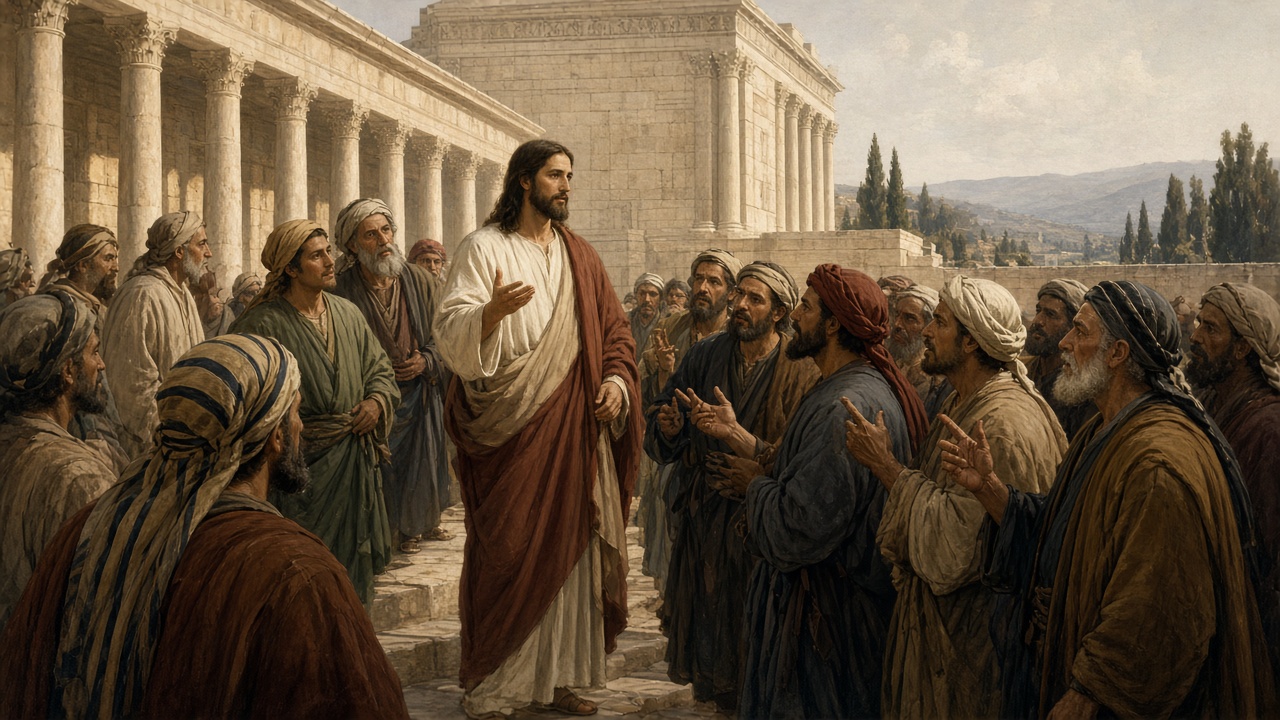
Jesus at the Feast of Tabernacles
- As the Jewish Feast of Tabernacles, a seven-day feast, drew near, Jesus stayed in Galilee and avoided Judea, where people were trying to kill him. In his time Judea was the southernmost of the three Roman divisions of Palestine, distinct from Galilee and Samaria; he later went up to the feast in secret and taught in the temple courts.Sources: the Bible text itself · Feast of Tabernacles · Judea
- The crowds were divided over where the Christ would come from. Some said that Scripture places him in David's line and in Bethlehem, the village where David, the eighth and youngest son of Jesse, lived; others objected that he could not come from Galilee, a region long called Galilee of the Gentiles, and the Pharisees insisted that no prophet comes from there.Sources: the Bible text itself · David · Galilee
- Nicodemus, a Pharisee and a member of the Sanhedrin, had earlier come to Jesus at night. When the officers sent to arrest Jesus returned without him, Nicodemus protested and asked whether their law condemned a man before hearing him and finding out what he had done.Sources: the Bible text itself · Nicodemus
Notes written with AI assistance from open sources (Theographic Bible Metadata, CC BY-SA 4.0; Easton’s Bible Dictionary, public domain) and reviewed before publishing.
Places in this chapter
- Galilee · 32.760, 35.527 · verses 1, 3, 9, 41, 52
- Judea · Today: Judea 1 · 31.777, 35.234 · verses 1, 3
- Jerusalem · 31.777, 35.234 · verse 25
- Bethlehem · 31.704, 35.208 · verse 42
Only places identified with high confidence are shown (90% or more according to the scholarly sources compiled by OpenBible). Period map: DARE (Digital Atlas of the Roman Empire), CC BY 4.0; modern map: © OpenStreetMap contributors; places: OpenBible.info (CC BY 4.0).
Credits and license for this translation
Hmooh hmëë he- ga-jmee Jesucristo; Salmos
New Testament and Psalms in Chinantec, Ozumacín (MX:chz:Chinantec, Ozumacín)
copyright © 2003 Wycliffe Bible Translators, Inc.
Language: Chinantec, Ozumacín
Translation by: Wycliffe Bible Translators, Inc.
Chinanteco, Ozumacín [chz], Mexico
Copyright Information
© 2003, Wycliffe Bible Translators, Inc.
This translation text is made available to you under the
terms of the Creative Commons License: Attribution-Noncommercial-No Derivative Works.
( http://creativecommons.org/licenses/by-nc-nd/3.0/ )
In addition, you have permission to port the text to different file formats, as long as you
do not change any of the text or punctuation of the Bible.
You may share, copy, distribute, transmit, and extract portions
or quotations from this work, provided that you include the above copyright
information:
You must give Attribution to the work.
You do not sell this work for a profit.
You do not make any derivative works that change any of the actual words or punctuation of the Scriptures.
Permissions beyond the scope of this license may be
available if you contact
us with your request.
The New Testament and Psalms
in Chinantec, Ozumacín
© 2003, Wycliffe Bible Translators, Inc.
This translation is made available to you under the terms of the
Creative Commons Attribution-Noncommercial-No Derivatives license 4.0.
You may share and redistribute this Bible translation or extracts from it in any format, provided that:
You include the above copyright and source information.
You do not sell this work for a profit.
You do not change any of the words or punctuation of the Scriptures.
Pictures included with Scriptures and other documents on this site are licensed just for use with those Scriptures and documents.
For other uses, please contact the respective copyright owners.
2014-04-22
Source: http://ebible.org/chzNTps/ · eBible.org