John 10
Hmooh hmëë he- ga-jmee Jesucristo; Salmos · Tap a verse to see its cross-references.
Dsaˉ hi̱ˉ hä̱ä̱˜ borrego kya̱a̱ꜗ
1ʼMaꜙraꜙ juˈdsooꜘ jwë̱ë̱hn˜ hnähꜘ, hi̱ˉ saꜙ dsaˉheꜘ taꜙ hoˊhaahˊ jeeˊ tä̱ä̱hˊ borrego, mahꜗ hnooyhˉ taꜙ jeeˊ jyohꜘ dsaˉheyꜘ, dsaˉhɨ̱ɨ̱ˉ baˊ heꜘ hi̱ˉ dsaˉkya̱a̱ꜘ jahꜘ. 2Pero hi̱ˉ dsaˉheꜘ taꜙ hoˊhaahˊ, hi̱ˉ heꜘ baˊ maꜙraꜙ hi̱ˉ hä̱ä̱˜ borrego. 3Hi̱ˉ chehꜗ høøꜙ jeeˊ ja̱ˉ, näyꜗ hoˊhaahˊ waˊraˉ jaꜗ hi̱ˉ hä̱ä̱˜ borrego heꜘ. Hiꜙ läꜙjë̱ë̱ꜙ borrego heꜘ maˉnʉʉhˊ kiyhˈ. Läꜙ che̱e̱yˉ baˊ tëëyh˜ läꜙja̱a̱ˉ läꜙja̱a̱ˉ mahꜗ hwë̱ë̱y˜ jeeˊ ja̱ˉ. 4Maˉlaꜙ maˉhwë̱ë̱yꜗ läꜙjë̱ë̱ꜙ hi̱ˉ la̱a̱ꜗ kya̱a̱yꜗ, mahꜗ ja̱ˉgaˊ dsooyˈ jä̱ä̱yꜗ. Läꜙjë̱ë̱ꜙ baˊ dsaˉnääꜗ kaahˋ kiyhˈ, jëëhꜘ maˉkyʉʉh˜ bihꜗ lleꜘ kiyhꜗ. 5Pero ja̱a̱ˉ hi̱ˉ saꜙ kyu̱u̱yꜙ, saꜙ llaˉlleyꜗ kaahˋ kiyhˈ. Kyʉ̱ʉ̱yꜗ kihꜗ hi̱ˉ heꜘ, jëëhꜘ saꜙ kyʉʉyh˜ lleꜘ kihꜗ hi̱ˉ jñahꜘ heꜘ.
6Juuˈ naˉhmääˊ läꜙja̱ˉ gaꜙhlëëhꜘ Jesús, heˉja̱ˉ saꜙ gaꜙläꜙngëëꜘ dsaˉ heꜘ heeˉ ja̱ˉ maˊ jäyhꜘ.
Pastor llu̱u̱ꜗ la̱a̱ꜗ Jesús
7Ngooꜗ baˊ Jesús hlë̱ë̱yh˜ dsaˉ heꜘ:
—Maꜙraꜙ juˈdsooꜘ jwë̱ë̱hn˜ hnähꜘ, jnäꜘ heꜘ la̱a̱nꜗ hoˊhaahˊ kihˈ borrego. 8Läꜙjë̱ë̱ꜙ hi̱ˉ yaꜙnääꜗ jä̱ä̱ꜗ gaˊ kinꜙ, maˊ la̱a̱ˈ dsaˉhɨ̱ɨ̱ˉ hi̱ˉ maˊ hɨ̱ɨ̱˜ kihꜗ dsaꜙ. Pero niꜙ ja̱a̱ˉ dsaˉ hi̱ˉ la̱a̱ꜗ läꜙko̱o̱ˉ borrego saꜙ gaꜙnuuꜘ kiyhꜗ. 9Jnäꜘ heꜘ la̱a̱nꜗ hoˊhaahˊ. Hi̱ˉ dsaˉta̱a̱hˋ taꜙ hoˊhaahˊ ja̱ˉ, hi̱ˉ heꜘ baˊ lä̱ä̱ꜘ. Moꜙsoꜙ hiiꜘ gooˉ kiyhꜗ, leꜘ dsaˉta̱a̱yhˋ mahꜗ hwë̱ë̱yꜙ hiꜙ jnøøyhꜙ baˊ heˉ kuyhˉ. 10Waˊraˉ jaꜗ hi̱ˉ hɨ̱ɨ̱ˉ, hë̱ë̱yꜗ, jngëëyhꜗ hiꜙ he̱e̱yꜗ goˉte˜. Ko̱o̱ˉ heˉ ja̱ˉ baˊ jmeeyˈ. Pero jnäꜘ maˉjan˜ mahꜗ jmeenꜙ cha̱a̱ˉ dsaˉ hiꜙ miˊjä̱ä̱ꜚ jnihꜘ chaˉmiihˉ.
11ʼJnäꜘ heꜘ, la̱a̱nꜗ läꜙko̱o̱ˉ ja̱a̱ˉ hi̱ˉ hä̱ä̱˜ lluꜗ jahꜘ kya̱a̱ꜗ. Hi̱ˉ llu̱u̱ꜗ heꜘ, kwa̱a̱yꜗ hñiiyꜘ ju̱u̱yꜘ kihꜗ borrego kya̱a̱yꜗ. 12Pero ja̱a̱ˉ hi̱ˉ hlä̱ä̱hˊ mahꜗ hä̱ä̱y˜ jahꜘ kya̱a̱ꜗ jñahꜘ, kihꜗ heˉ saꜙ la̱a̱ꜗ kya̱a̱ꜗ hi̱ˉ hlä̱ä̱hˊ heꜘ, heˉja̱ˉ waˊraˉ gaꜙjëëyꜗ jaꜗ lobo, be̱e̱yꜗ borrego, mahꜗ kyʉ̱ʉ̱yꜗ. Heˉja̱ˉ gwa̱ꜘ lobo mahꜗ dsaˉcha̱a̱yhꜙ borrego. Jeeˊ ja̱ˉ dsaˉsaaꜘ dsaˉjñeeyꜘ waˊ haˉ chaˉ haˉ. 13Läꜙja̱ˉ jmeeꜙ hi̱ˉ hlä̱ä̱hˊ, kyʉ̱ʉ̱ꜙ bihꜗ. Jëëhꜘ, heˉ hlä̱ä̱yhˊ baˊ ja̱ˉ. Saꜙ chaˉ heˉ gaꜙtë̱ë̱ꜘ jëëyꜗ kihꜗ borrego heꜘ.
14ʼJnäꜘ heꜘ la̱a̱nꜗ läꜙko̱o̱ˉ ja̱a̱ˉ hi̱ˉ hä̱ä̱˜ kweeˉ jahꜘ kya̱a̱ꜗ. Kyu̱u̱ꜙ baˊ jnäꜘ borrego kya̱a̱nꜙ. Hiꜙ läꜙjë̱ë̱ꜙ hi̱ˉ la̱a̱ꜗ kya̱a̱nꜙ, kyu̱u̱yꜙ jnäꜘ. 15Ja̱ˉbaˊ läꜙja̱ˉ, kyu̱u̱ꜙ Tääˋ kya̱a̱nꜙ jnäꜘ, hiꜙ jnäꜘ kyu̱u̱ꜙ jnihꜘ. Hiꜙ kwa̱a̱nꜚ hñiinꜙ ju̱u̱nꜘ kihꜗ dsaˉ kya̱a̱nꜙ hi̱ˉ la̱a̱ꜗ läꜙko̱o̱ˉ borrego. 16Hiꜙ cha̱a̱ˉ gaˊ jñahꜘ dsaˉ kya̱a̱nꜙ hi̱ˉ la̱a̱ꜗ läꜙko̱o̱ˉ borrego hi̱ˉ saꜙ gaˊ maˉta̱a̱hˋ chaˊnehꜙ. Hi̱ˉ heꜘ kaˉlähꜘ jmeeꜙ biiꜗ kinꜙ naˊteenˋ mahꜗ läꜙnʉʉyhˊ kinꜙ. Hiꜙ läꜙja̱ˉ, läꜙjë̱ë̱ꜙ le̱e̱ꜘ ko̱o̱ˉ nääꜗ baˊ, hiꜙ ja̱a̱ˉ baˊ jʉʉyˊ. 17Hnääꜗ Tääˋ jnäꜘ, kihꜗ heˉ kwa̱a̱nꜚ hñiinꜙ ju̱u̱nꜘ. Hiꜙ maˉngëëꜘ maˉju̱u̱nꜙ läꜙji̱i̱hnˊ kaˉlähꜘ. 18Niꜙ ja̱a̱ˉ saꜙ jngëëhꜗ jnäꜘ, taꜙ laˊ jngëëyhˈ jnäꜘ läꜙnaˉ. Heˉ kwa̱a̱nꜚ hñiinꜙ baˊ ja̱ˉ heˉ jngëëyhꜗ jnäꜘ. Naˉngënˈ jwëˈ kwa̱a̱nꜚ hñiinꜙ hiꜙ läꜙja̱ˉ naˉngënˈ jwëˈ läꜙji̱i̱hnˊ kaˉlähꜘ. Heˉ laˉ ja̱ˉ madaꜚ heˉ gaꜙhyohnꜗ kihꜗ Tääˋ kya̱a̱nꜙ.
19Ko̱o̱ˉ kaˉlähꜘ saꜙ gaꜙhɨɨꜘ kweeˉ juuˈ kihꜗ dsaˉ fariseo kya̱a̱hˊ juuˈ heˉ maˉhlëëhꜘ Jesús ja̱ˉ. 20Jwë̱ë̱ꜘ dsaˉ heꜘ maˊ jähꜘ:
—Kye̱yˉ jmɨˉlleꜘ hlɨɨhˈ, dsaˉ ngaahˊ baˊ naˉ. ¿Heˉlaˈ nuuhˉ hnähꜘ kiyhꜗ?
21Pero jñahꜘ maˊ jähꜘ:
—Saꜙ hlëëhꜙ läꜙnaˉ, ja̱a̱ˉ hi̱ˉ kye̱ˉ jmɨˉlleꜘ hlɨɨhˈ. ¿Haˉ läꜙja̱ˉ näꜗ jmɨˉlleꜘ hlɨɨhˈ mɨˈnëˊ ja̱a̱ˉ hi̱ˉ tʉʉˊ?
Saꜙ gaꜙhiiꜗ dsaˉ judiu maˊ he̱e̱hꜙ Jesús
22Jwɨɨˉ Jerusalén maˊ jmeeꜙ dsaˉ jmɨɨˊ kihˈ gwahꜙ. Ji̱i̱ˉ gyʉʉꜘ maˊ tohˉ jmɨɨˊ ja̱ˉ. 23Maˊ ngëꜙ Jesús jeeˊ maˊ chihˈ gwahꜙ ja̱ˉ, jeeˊ laˈ hooˊ naˊhiiˋ kihˈ Salomón. 24Mahꜗ gaꜙkuhꜗ gaꜙlɨhˉ dsaˉ judiu kiyhꜗ, gaꜙsɨɨyhꜙ:
—¿Lɨhꜘ baˊ miˊjnäähꜗ juuˈ kya̱a̱ꜗ jnäähˈ? Chiihˊ jnäähꜗ jë̱ë̱ˉ goˉte˜, cherˊmahꜗ hneˉ heꜘ la̱a̱hꜗ Cristo.
25Heˉja̱ˉ gaꜙje̱e̱hˉ Jesús juuˈ kiyhꜗ:
—Gaꜙjwë̱ë̱hnꜗ baˊ hnähꜘ jä̱ä̱ꜗ, mahꜗ saꜙ gaꜙläꜙdsooꜘ hohꜘ hnähꜘ. Läꜙjëꜙ heˉ jmeenꜙ kya̱a̱hˊ madaꜚ kihꜗ Tääˋ kya̱a̱nꜙ, heˉ ja̱ˉ naˉ jmeeꜙ juˈdsooꜘ kinꜙ. 26Pero hnähꜘ saꜙ maˉdsooꜘ hohꜘ hnähꜘ kinꜙ, jëëhꜘ saꜙ la̱a̱hꜗ hnähꜘ borrego kya̱a̱nꜙ. 27Läꜙjë̱ë̱ꜙ borrego kya̱a̱nꜙ nʉʉhˊ kinꜙ. Jnäꜘ kyu̱u̱ꜙ jnihꜘ, hiꜙ dsaˉnääyꜗ kya̱a̱hˊ jnäꜘ. 28Jnäꜘ kwëëhꜚ jnihꜘ heˉ kya̱a̱hˊ cha̱a̱yˉ tä̱ä̱ꜘ. Ji̱hˊko̱hꜘ moꜙsoꜙ ju̱u̱yꜘ. Niꜙ ja̱a̱ˉ saꜙ lihꜙ hwë̱ë̱yꜗ jaˊgoonꜙ. 29Tääˋ kya̱a̱nꜙ hi̱ˉ gaꜙkwë̱ë̱hˉ jnäꜘ, jø̱ø̱hˈ gyihꜗ läꜙko̱hꜘ gaˊ kihˈ jeeˊ läꜙjë̱ë̱ꜙ. Niꜙ ja̱a̱ˉ saꜙ lihꜙ hwë̱ë̱yꜗ jaˊgooˉ Tääˋ kya̱a̱nꜙ. 30Ko̱o̱ˉ baˊ la̱a̱ˈ jnäꜘ kya̱a̱hˊ Tääˋ.
31Ko̱o̱ˉ kaˉlähꜘ gaꜙka̱ꜗ dsaˉ judiu ku̱u̱ˊ mahꜗ maˊ teyˈ kiyhꜗ. 32Heˉja̱ˉ gaꜙjähꜘ Jesús sɨɨyhꜙ:
—Chaˉmiihˉ heˉ lluꜗ heˉ maˉmiˉjnäänˈ chaˊnëhˊ hnähꜘ kya̱a̱hˊ beꜘ kihꜗ Tääˋ kya̱a̱nꜙ. ¿Heeˉ ko̱o̱ˉ kihꜗ jeeˊ läꜙjëꜙ heˉ ja̱ˉ, heˉ hnoohˉ hnähꜘ tehˈ hnähꜘ ku̱u̱ˊ kinꜙ?
33Mahꜗ gaꜙjähꜘ dsaˉ judiu heꜘ sɨɨyhꜙ:
—Saꜙ teˊ jnäähꜗ ku̱u̱ˊ kyahˈ, kihꜗ taˊ lluˈ heˉ maˉjmeehˊ. Teˊ jnäähꜗ ku̱u̱ˊ kyahˈ kihꜗ heˉ miˉkwa̱hꜚ Dio. Jëëhꜘ dsaˉñʉʉhˉ baˊ hneˉ, mahꜗ jmä̱ä̱hꜙ hñaahꜗ Dio.
34Heˉja̱ˉ gaꜙjähꜘ Jesús sɨɨyhꜙ dsaˉ heꜘ:
—¿Cheˊ saꜙ naˉsɨɨˉ nëˊ ley jnänˋ läꜙlaˉ: “Jnäꜘ gaꜙjwahnꜗ, dio la̱a̱hꜗ hnähꜘ”? 35Kyahꜗ hnähꜘ hi̱ˉ gaꜙhyohꜗ juuˈ kiyhꜗ, gaꜙjäyhꜘ “dio”. Hiꜙ juuˈ kiyhꜗ ja̱ˉ, saꜙ leꜘ he̱e̱ꜘ. 36Cherˊmahꜗ Tääˋ kya̱a̱nꜙ gaꜙhña̱a̱ꜗ jnäꜘ mahꜗ gaꜙche̱e̱yꜗ jnäꜘ jmɨˉgyʉʉꜙ laˉ, ¿heˉlaˈ jwahꜘ hnähꜘ kinꜙ, miˉkwa̱hnꜚ Dio, kihꜗ heˉ maˉjwahnꜗ, jnäꜘ heꜘ la̱a̱nꜗ Jo̱o̱ꜘ Dio? 37Heˉja̱ˉ saꜙ chaˉ heˉ kihꜗ läꜙhe̱e̱hꜘ hnähꜘ kinꜙ, waˊraˉ jähꜘ kihꜗ jnäꜘ saꜙ jmeenꜙ taˊ heˉ jmeeꜙ Tääˋ kya̱a̱nꜙ. 38Pero cherˊmahꜗ jmeeꜙ baˊ jnäꜘ, maꜙkeꜙ saꜙ dsooꜘ hohꜘ hnähꜘ kinꜙ, jmeeˊ hnähꜘ dsooꜘ kihꜗ taˊ heˉ jmeenꜙ baˊ, mahꜗ kya̱a̱hˊ ko̱o̱ˉ häˊ ja̱ˉbaˊ läꜙngëëhꜘ hnähꜘ, Tääˋ heꜘ kya̱a̱hˊ jnäꜘ, hiꜙ jnäꜘ heꜘ kya̱a̱hnˊ Tääˋ.
39Ko̱o̱ˉ kaˉlähꜘ maˊ hnøøyˈ maˊ sa̱a̱yhˈ Jesús, pero gaꜙla̱a̱ꜘ bihꜗ kihꜗ dsaˉ heꜘ.
40Mahꜗ ngooyꜗ kaˉlähꜘ taꜙ hngaahˋ jmɨɨˉ Jordán, ja̱ˉbaˊ taꜙ jeeˊ gaꜙcha̱a̱ꜗ Jwa̱a̱ꜚ dsaˉ jmɨɨˉ läꜙ maˊ toˉnëˊ. Jeeˊ ja̱ˉ gaꜙjä̱yꜘ. 41Jwë̱ë̱ꜘ dsaˉ naˊnääˈ jeeˊ maˊ gyayˈ, mahꜗ maˊ jäyhꜘ:
—Maꜙraꜙ juˈdsooꜘ, niꜙ ko̱o̱ˉ heˉ jʉhˉga̱a̱ˉ saꜙ gaꜙjmeeꜘ Jwa̱a̱ꜚ. Pero läꜙjëꜙ heˉ gaꜙjäyhꜘ kihꜗ hi̱ˉ laˉ, maˊ laˈ juˈdsooꜘ.
42Hiꜙ jwë̱ë̱ꜘ dsaˉ gaꜙläꜙdsooꜘ dsëꜗ kiyhꜗ jeeˊ ja̱ˉ.
Did you know?
The Good Shepherd
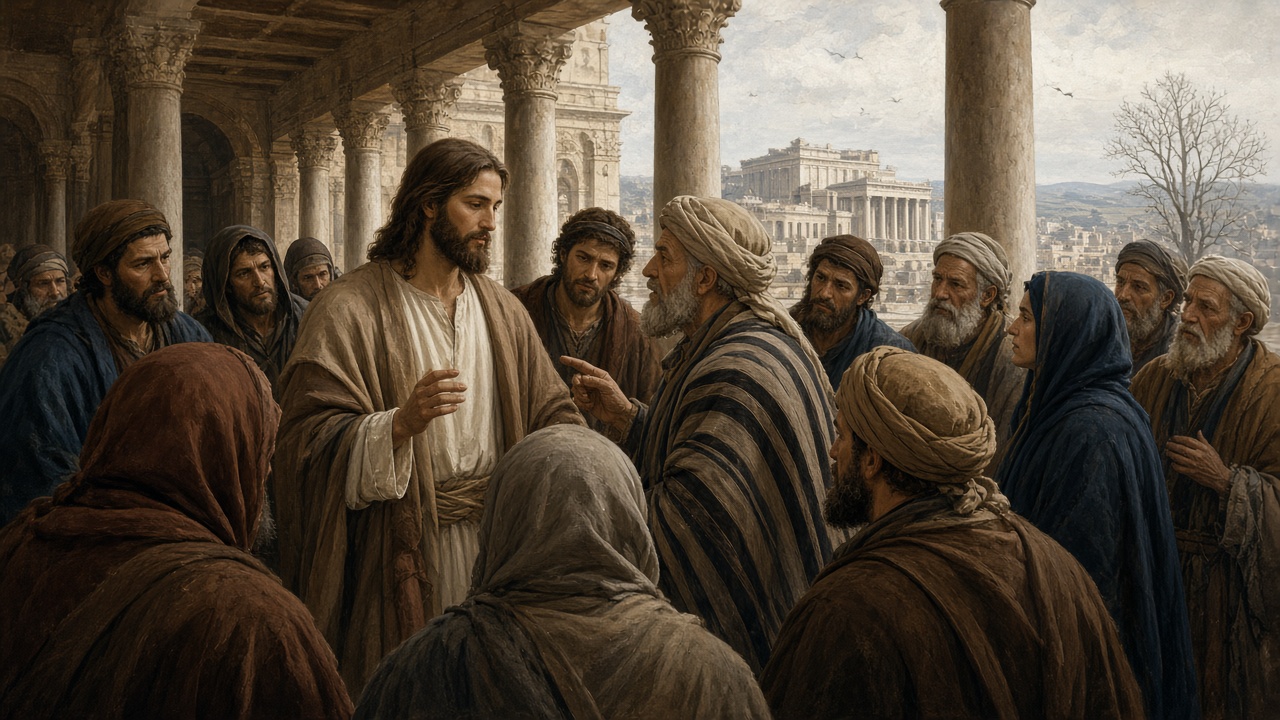
- During the Feast of Dedication in Jerusalem it was winter, and Jesus was walking in the temple courts in Solomon's Colonnade. The name Jerusalem, in a dual form, means "possession of peace" or "foundation of peace"; that form probably refers to the mountains of Zion and Moriah, or, as some suppose, to the upper and lower city. Solomon's Hebrew name, Shelomoh, means "peaceful."Sources: the Bible text itself · Jerusalem · Solomon
- A chronology of Gospel events dates the Good Shepherd teaching to AD 29, and dates a time of teaching and healing from Perea to Jerusalem to AD 30.Sources: The Good Shepherd Teaching · Teaching and Healing in Perea to Jerusalem
- Jesus then went back across the Jordan to the place where John had first been baptizing, and many people there believed in him. John was of priestly descent: his father, Zacharias, was a priest of the course of Abia, and his mother, Elisabeth, was of the daughters of Aaron. His birth, six months before that of Jesus, was foretold by an angel; those who came said that John never performed a sign, yet everything he had said about Jesus was true.Sources: the Bible text itself · John the Baptist
Notes written with AI assistance from open sources (Theographic Bible Metadata, CC BY-SA 4.0; Easton’s Bible Dictionary, public domain) and reviewed before publishing.
Places in this chapter
- Jerusalem · 31.777, 35.234 · verse 22
- Solomon’s Portico · Today: in Jerusalem · 31.777, 35.234 · verse 23
- Jordan · Today: Jordan River · 31.761, 35.558 · verse 40
Only places identified with high confidence are shown (90% or more according to the scholarly sources compiled by OpenBible). Period map: DARE (Digital Atlas of the Roman Empire), CC BY 4.0; modern map: © OpenStreetMap contributors; places: OpenBible.info (CC BY 4.0).
Credits and license for this translation
Hmooh hmëë he- ga-jmee Jesucristo; Salmos
New Testament and Psalms in Chinantec, Ozumacín (MX:chz:Chinantec, Ozumacín)
copyright © 2003 Wycliffe Bible Translators, Inc.
Language: Chinantec, Ozumacín
Translation by: Wycliffe Bible Translators, Inc.
Chinanteco, Ozumacín [chz], Mexico
Copyright Information
© 2003, Wycliffe Bible Translators, Inc.
This translation text is made available to you under the
terms of the Creative Commons License: Attribution-Noncommercial-No Derivative Works.
( http://creativecommons.org/licenses/by-nc-nd/3.0/ )
In addition, you have permission to port the text to different file formats, as long as you
do not change any of the text or punctuation of the Bible.
You may share, copy, distribute, transmit, and extract portions
or quotations from this work, provided that you include the above copyright
information:
You must give Attribution to the work.
You do not sell this work for a profit.
You do not make any derivative works that change any of the actual words or punctuation of the Scriptures.
Permissions beyond the scope of this license may be
available if you contact
us with your request.
The New Testament and Psalms
in Chinantec, Ozumacín
© 2003, Wycliffe Bible Translators, Inc.
This translation is made available to you under the terms of the
Creative Commons Attribution-Noncommercial-No Derivatives license 4.0.
You may share and redistribute this Bible translation or extracts from it in any format, provided that:
You include the above copyright and source information.
You do not sell this work for a profit.
You do not change any of the words or punctuation of the Scriptures.
Pictures included with Scriptures and other documents on this site are licensed just for use with those Scriptures and documents.
For other uses, please contact the respective copyright owners.
2014-04-22
Source: http://ebible.org/chzNTps/ · eBible.org