James 2
Hmooh hmëë he- ga-jmee Jesucristo; Salmos · Tap a verse to see its cross-references.
Saꜙ waˊ jëëˊ jneˊ heˉ la̱a̱ꜗ dsaˉ
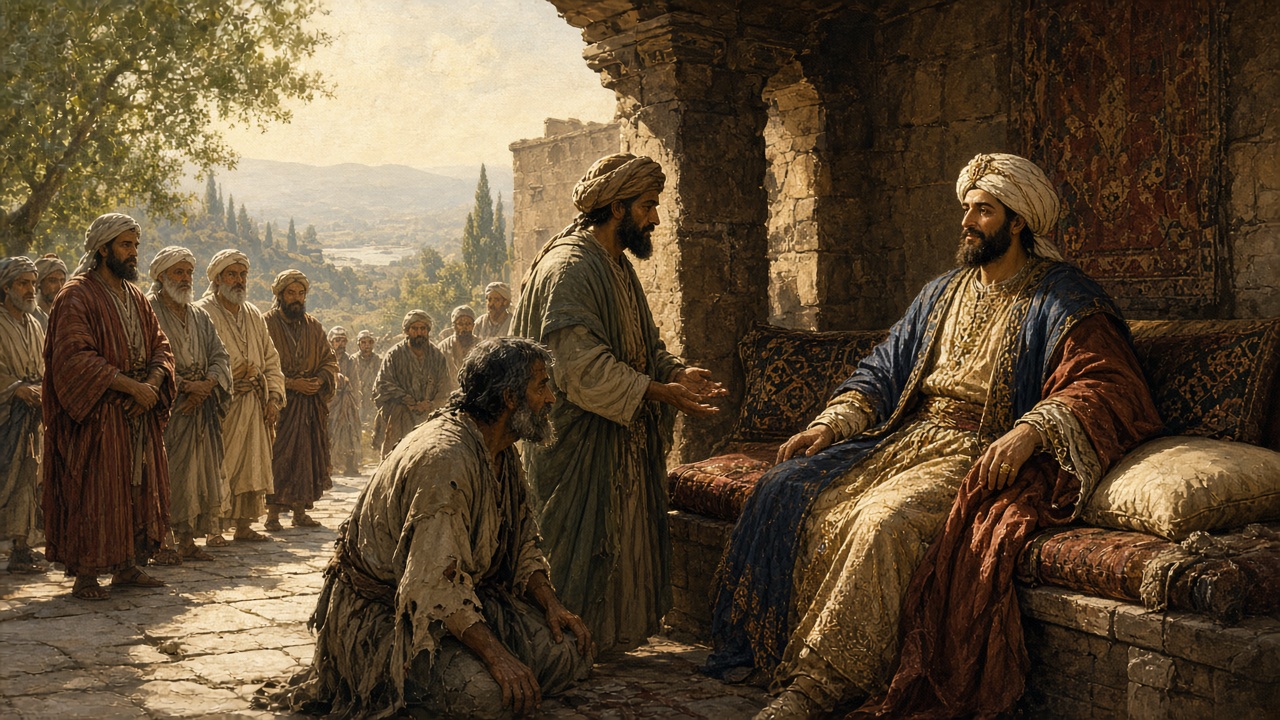
1Ø̱ø̱hnꜗ, heˉ maˉdsooꜘ hohꜘ hnähꜘ kihꜗ Jesucristo Dsaˉjø̱ø̱hˈ jnänˋ hi̱ˉ llu̱u̱ꜗ goˉte˜, jmeeꜙ biiꜗ jmeehˈ hnähꜘ kweeˉ läꜙhiiꜘ nëˊ kya̱a̱hˊ dsaˉ. 2Cherˊmahꜗ gaꜙllooꜗ ja̱a̱ˉ dsaˉ jeeˊ dsaˉñeehꜙ hnähꜘ, hi̱ˉ heꜘ naˉ kye̱hˊ hmɨɨhˉ lluꜗ hiꜙ häˊ aniy˜ hmoohˈ gooyˉ kaˉlähꜘ. Hiꜙ waˊraˉ gaꜙllooꜗ ja̱a̱ˉ hi̱ˉ täˉñeeꜘ hi̱ˉ sɨ̱hˊhɨꜙ hmɨɨhˉ kihꜗ. 3Hiꜙ cherˊmahꜗ jmä̱ä̱hˈ hnähꜘ jø̱ø̱hˈ hi̱ˉ jna̱a̱hˈ hmɨɨhˉ kihꜗ heꜘ, mahꜗ jwɨɨhˈ hnihꜘ: “Naꜘ jeeˊ lluˈ laˉ”, mahꜗ hi̱ˉ täˉñeeꜘ heꜘ, jwɨɨhˈ: “Jmääꜗ läꜙ maˉchehꜗ naˉ o jeeˊ laˉ yaˉnaꜘ hʉʉˊ tɨɨnꜙ laˉ.” 4Jeeˊ ja̱ˉ dsaˉläˉjnäähꜘ hnähꜘ heˉ saꜙ jmeehˉ hnähꜘ kweeˉ läꜙhiiꜘ nëˊ kya̱a̱hˊ dsaˉ. Heˉ jmeehˉ hnähꜘ läꜙja̱ˉ, jmä̱ä̱hꜙ hnähꜘ hñaahꜗ jwëëꜚ hi̱ˉ kye̱ˉ hʉʉˊdsëˉ hlɨɨhˈ jmahꜗ baˊ.
5Nʉʉˉ daˊ hnähꜘ ø̱ø̱hnꜗ hi̱ˉ hnaanꜙ: ¿Cheˊ saꜙ gaꜙlle̱e̱hˉ Dio hi̱ˉ täˉñeeꜘ jmɨˉgyʉʉꜙ laˉ, mahꜗ läꜙdsooꜘ dsëyꜗ kiyhꜗ? Hi̱ˉ heꜘ la̱a̱ꜗ läꜙko̱hꜘ hi̱ˉ chaˉ kuuˊ kihˈ, hiꜙ hyoyhꜙ he̱e̱yꜚ yaꜙjwɨɨꜗ kihꜗ Dio läꜙko̱o̱ˉ gaꜙbä̱ä̱hˉ Dio hñiiꜘ kihꜗ läꜙjë̱ë̱ꜙ hi̱ˉ hnaayhˉ. 6Pero miˉkwa̱hꜚ hnähꜘ kihꜗ hi̱ˉ täˉñeeꜘ, mahꜗ hnaahꜙ hnähꜘ hi̱ˉ chaˉ kuuˊ. ¿Ja̱ˈ dsaˉ chaˉ kuuˊ naˉ hi̱ˉ tä̱ä̱hˊ jmeehꜙ hnähꜘ? ¿Ja̱ˈ hi̱ˉ heꜘ naˉ, dsaˉjä̱ä̱ꜙ hnähꜘ nëˊtaˊ? 7¿Ja̱ˈ dsaˉ chaˉ kuuˊ naˉ, hi̱ˉ miˉkwa̱hꜗ jmɨɨˉ kihꜗ Cristo heˉ laꜗ naˊhñaahꜗ jnänˋ, hiꜙ ja̱ˉbaˊ kya̱a̱hˊ jmɨɨˉ kihꜗ Cristo gaꜙmiꜙche̱e̱yˉ hnähꜘ?
8Heˉ jmeehˉ hnähꜘ lluꜗ baˊ ja̱ˉ, cherˊmahꜗ juˈdsooꜘ gaꜙmiꜙtehˋ hnähꜘ ley jʉʉhˉ, läꜙko̱o̱ˉ naˉsɨɨˉ juuˈ kihꜗ Dio: “Waˊ hnaahꜙ dsaˉkya̱a̱hˊ, ja̱ˉbaˊ läꜙko̱o̱ˉ hnaahꜙ hñaahꜗ.” 9Pero cherˊmahꜗ saꜙ gaꜙjmeehˊ hnähꜘ kweeˉ läꜙhiiꜘ nëˊ kya̱a̱hˊ dsaˉ, heˉ jmeehˉ hnähꜘ dsoˊkyeˉ baˊ ja̱ˉ. Ja̱ˉbaˊ ley ja̱ˉ, hnɨɨ˜ kyahꜗ hnähꜘ heˉ naˉbä̱ä̱hˋ hnähꜘ dsooˊ. 10Ja̱a̱ˉ dsaˉ hi̱ˉ høøꜙ läꜙjëꜙ heˉ lleˋ ley kihꜗ Moisé, cherˊmahꜗ gaꜙhlä̱ä̱yhˉ kya̱a̱hˊ ko̱o̱ˉ mɨˈjuuꜗ baˊ, maˉnaˉbä̱ä̱yhˋ läꜙjëꜙ. 11Heꜘ baˊ hi̱ˉ gaꜙjähꜘ: “Hneˉ hi̱ˉ naˉje̱e̱ꜚ gooˉ, taꜙ ka̱a̱hꜙ hi̱ˉ la̱a̱ꜗ kya̱a̱ꜗ jñahꜘ”, heꜘ baˊ hi̱ˉ heꜘ gaꜙjähꜘ kaˉlähꜘ: “Taꜙ jngëëhꜙ dsaˉ.” Heˉja̱ˉ, cherˊmahꜗ saꜙ ka̱a̱hꜙ hi̱ˉ la̱a̱ꜗ kya̱a̱ꜗ jñahꜘ, pero jngëëhꜙ dsaˉ, maꜙraꜙ heˉ maˉnaˉbä̱ä̱hˋ baˊ hneˉ chaˊnëˊ ley.
12Heˉja̱ˉ hnøøꜗ hlëëhˊ hnähꜘ hiꜙ hnøøꜗ jmeehˈ hnähꜘ läꜙko̱o̱ˉ lleˋ kyahˈ hnähꜘ baˊ, jëëhꜘ lloo˜ ko̱o̱ˉ jmɨɨˊ, ley ja̱ˉ ngɨɨhꜗ kwa̱a̱t˜ jnänˋ, ja̱ˉbaˊ ley heˉ kya̱a̱hˊ dsaˉlä̱ä̱ꜘ jneˊ. 13Kihꜗ hi̱ˉ saꜙ läˉñihꜘ dsëꜗ dsaˉkya̱a̱hˊ, ja̱ˉbaˊ läꜙja̱ˉ saꜙ läˉñihꜘ dsëꜗ Dio kya̱a̱yhˊ kaˉlähꜘ waˊraˉ gaꜙtëꜘ jeeˊ llayˈ taˊ. Pero cherˊmahꜗ gaꜙläꜙñihꜘ dsëˉ jneˊ kihˈ dsaˉkya̱a̱hˊ jneˊ, hwë̱ë̱ꜙ jneˊ lluˈ waˊraˉ gaꜙtëꜘ jeeˊ ngɨɨyhˈ kwa̱a̱t˜ jnänˋ.
Taˊ lluˈ jnänˋ kya̱a̱hˊ heˉ maˉdsooꜘ dsëˉ jneˊ
14Ø̱ø̱hnꜗ, heeˉ jmääꜗ kihꜗ ja̱a̱ˉ hi̱ˉ jähꜘ maˉdsooꜘ baˊ dsëyˈ kihꜗ Dio mahꜗ niꜙ ko̱o̱ˉ heˉ lluꜗ saꜙ jmeeyꜙ. ¿Cheˊ lä̱ä̱yꜘ kya̱a̱hˊ heˉ ko̱o̱ˉ jäyhꜘ: “Maˉdsooꜘ baˊ dsënꜙ”? 15Cherˊmahꜗ cha̱a̱ˉ ja̱a̱ˉ ø̱ø̱hꜗ jneˊ, dsaˉmëꜘ dsaˉñʉʉhˉ hi̱ˉ saꜙ chaˉ hmɨɨhˉ heˉ kë̱yhꜙ hiꜙ saꜙ chaˉ heˉ kuhˊhɨ̱yhꜗ ko̱o̱ˉ jmɨɨˊ ko̱o̱ˉ jmɨɨˊ, 16hiꜙ cherˊmahꜗ ja̱a̱ˉ hnähꜘ gaꜙchiihˊ hnihꜘ: “Jwërte kwaˊ beꜘ, gwa̱a̱hˉ baˊ hneˉ lluꜗ, ja̱ˉ miˉlla̱a̱hˈ hñaahꜗ, ja̱ˉ kuhˉ baˊ hneˉ lluꜗ.” Pero ¿heeˉ jmääꜗ heˉ gaꜙjähˊ läꜙnaˉ, cherˊmahꜗ saꜙ gaꜙkwëëhˋ hnihꜘ heˉ jmeeꜙ biiꜗ kiyhꜗ? 17Ja̱ˉbaˊ läꜙja̱ˉ laꜗ kihꜗ hi̱ˉ jähꜘ maˉdsooꜘ dsëyꜗ kihꜗ Dio. Cherˊmahꜗ saꜙ chaˉ niꜙ miihˉ heˉ lluꜗ maˉjmeeyꜘ, saꜙ jmääꜗ heˉ jäyhꜘ: “Maˉdsooꜘ baˊ dsënꜙ.” Juuˈ taꜙjmahꜗ baˊ ja̱ˉ.
18Pero cherˊmahꜗ ja̱a̱ˉ gaꜙjähꜘ: “Hneˉ jmeehˉ taˊ lluˈ, jnäꜘ maˉdsooꜘ dsënꜙ”, läꜙlaˉ jwɨɨꜚ jnihꜘ kaˉlähꜘ: “Miˉjnääˈ kinꜙ heˉ maˉdsooꜘ hohꜘ, hneˉ hi̱ˉ saꜙ maˉjmeeꜘ niꜙ miihˉ taˊ lluˈ, mahꜗ jnäꜘ miˊjnäänꜗ kyahꜗ heˉ maˉdsooꜘ dsënꜙ kya̱a̱hˊ taˊ lluˈ heˉ jmeenꜙ.” 19Hneˉ jmeehˉ dsooꜘ, ja̱a̱ˉ baˊ Dio cha̱a̱ˉ. Jmeehˉ baˊ hneˉ lluꜗ. Hiꜙ läꜙja̱ˉ jähꜘ hi̱ˉsaꜙllu̱ꜗ kaˉlähꜘ, mahꜗ jlä̱ä̱ꜙ bihꜗ kihꜗ heˉ goyhꜙ. 20Peerꜙ ta̱a̱hˉ hneˉ. ¿Heˉlaˈ saꜙ hii˜ läꜙngëëhꜘ miihˉ? Saꜙ jmääꜗ heˉ jähˊ jneˊ maˉdsooꜘ baˊ dsënˉ kihꜗ Dio mahꜗ saꜙ naˊjnäꜘ taˊ jnänˋ. 21¿Ja̱ˈ gaꜙjmeeꜘ Dio kwa̱a̱t˜ llu̱u̱ꜗ Abraham dsaˉ maˉgyu̱hˉ jnänˋ taꜙlaꜙ kihꜗ taˊ lluˈ heˉ gaꜙjmeeyꜘ, heˉ gaꜙngëëyꜗ Isaac jo̱o̱yꜘ kihꜗ Dio mahꜗ maˊ ju̱u̱yꜘ nëˊ naˊhyooꜘ? 22¿Cheˊ saꜙ ngëëhꜘ haˉ läꜙ laꜗ? Gaꜙläꜙdsooꜘ dsëꜗ Abraham kihꜗ Dio, heˉja̱ˉ baˊ gaꜙjmeeyꜘ läꜙko̱o̱ˉ gaꜙjähꜘ Dio. Hiꜙ kya̱a̱hˊ heˉ gaꜙjmeeꜘ Abraham ja̱ˉ, gaꜙläꜙjnäꜘ maꜙraꜙ heˉ gaꜙläꜙdsooꜘ baˊ dsëyˈ kihꜗ Dio. 23Läꜙja̱ˉ gaꜙläꜙteꜗ läꜙko̱o̱ˉ naˉsɨɨˉ juuˈ kihꜗ Dio heˉ jähꜘ läꜙlaˉ: “Gaꜙläꜙdsooꜘ dsëꜗ Abraham kihꜗ Dio, heˉja̱ˉ gaꜙjmeeꜘ Dio kwa̱a̱t˜ llu̱u̱yꜗ.” Hiꜙ gaꜙläꜙche̱e̱yꜙ omeꜚ kya̱a̱ꜗ Dio. 24Läꜙja̱ˉ dsaˉläˉngëëꜘ jneˊ, jmeeꜙ Dio kwa̱a̱t˜ llu̱u̱ꜗ dsaˉ, kya̱a̱hˊ heˉ jmeeyꜙ taˊ lluˈ, ja̱ꜙ maꜙlaꜙ kya̱a̱hˊ heˉ maˉdsooꜘ dsëyꜗ.
25Ja̱ˉbaˊ läꜙja̱ˉ gaꜙlaꜗ kihꜗ Rahab, ja̱a̱ˉ dsaˉmëꜘ hi̱ˉ maˊ hnëë˜ hñiiꜘ kya̱a̱hˊ waˊ hi̱ˉ chaˉ hi̱ˉ. Gaꜙjmeeꜘ Dio kwa̱a̱t˜ llu̱u̱yꜗ kihꜗ heˉ gaꜙkwayꜘ jeeˊ gaꜙjä̱ꜘ hi̱ˉ gaꜙllaꜙnääꜗ ko̱o̱ˈ juuˈ hiꜙ gaꜙche̱e̱yꜗ taꜙ jyohꜘ jwëˈ läꜙlluꜗ jeeˊ gaꜙla̱a̱yꜘ. 26Jmɨˉngoꜗ heˉ moꜙsoꜙ kya̱a̱hˊ jmɨˉlleꜘ, naˉju̱u̱ˊ baˊ ja̱ˉ. Ja̱ˉbaˊ läꜙja̱ˉ laꜗ jnänˋ. Saꜙ jmääꜗ heˉ maˉdsooꜘ dsëˉ jneˊ kihˈ Dio, cherˊmahꜗ saꜙ naˊjnäꜘ taˊ lluˈ heˉ jmeeˉ jneˊ.
Did you know?
Impartiality and Living Faith
- James recalls that Abraham was justified by offering his son Isaac on the altar, his faith working with his actions and perfected by what he did. Isaac, the only son of Abraham by Sarah, was the one God commanded Abraham to offer as a sacrifice on a mountain in the land of Moriah.Sources: the Bible text itself · Isaac
- James also cites Rahab the prostitute, justified by welcoming the spies and sending them off on another route. The two spies, sent by Joshua while the Hebrews were encamped at Shittim opposite Jericho, had gone to her house, faced danger in the city, and were saved by her fidelity.Sources: the Bible text itself · Rahab
Notes written with AI assistance from open sources (Theographic Bible Metadata, CC BY-SA 4.0; Easton’s Bible Dictionary, public domain) and reviewed before publishing.
Credits and license for this translation
Hmooh hmëë he- ga-jmee Jesucristo; Salmos
New Testament and Psalms in Chinantec, Ozumacín (MX:chz:Chinantec, Ozumacín)
copyright © 2003 Wycliffe Bible Translators, Inc.
Language: Chinantec, Ozumacín
Translation by: Wycliffe Bible Translators, Inc.
Chinanteco, Ozumacín [chz], Mexico
Copyright Information
© 2003, Wycliffe Bible Translators, Inc.
This translation text is made available to you under the
terms of the Creative Commons License: Attribution-Noncommercial-No Derivative Works.
( http://creativecommons.org/licenses/by-nc-nd/3.0/ )
In addition, you have permission to port the text to different file formats, as long as you
do not change any of the text or punctuation of the Bible.
You may share, copy, distribute, transmit, and extract portions
or quotations from this work, provided that you include the above copyright
information:
You must give Attribution to the work.
You do not sell this work for a profit.
You do not make any derivative works that change any of the actual words or punctuation of the Scriptures.
Permissions beyond the scope of this license may be
available if you contact
us with your request.
The New Testament and Psalms
in Chinantec, Ozumacín
© 2003, Wycliffe Bible Translators, Inc.
This translation is made available to you under the terms of the
Creative Commons Attribution-Noncommercial-No Derivatives license 4.0.
You may share and redistribute this Bible translation or extracts from it in any format, provided that:
You include the above copyright and source information.
You do not sell this work for a profit.
You do not change any of the words or punctuation of the Scriptures.
Pictures included with Scriptures and other documents on this site are licensed just for use with those Scriptures and documents.
For other uses, please contact the respective copyright owners.
2014-04-22
Source: http://ebible.org/chzNTps/ · eBible.org