Ephesians 6
Hmooh hmëë he- ga-jmee Jesucristo; Salmos · Tap a verse to see its cross-references.
1Hnähꜘ hi̱ˉ la̱a̱ꜗ chihˉ, waˊ nʉʉhˊ hnähꜘ kihꜗ maaˋ kya̱a̱hˈ tääˋ kya̱a̱hˈ. Läꜙja̱ˉ baˊ so̱o̱h˜ kyahꜗ hnähꜘ, hi̱ˉ la̱a̱ꜗ kya̱a̱ꜗ Dsaˉjø̱ø̱hˈ jnänˋ. 2Heˉ laˉ toˉnëˊ madaꜚ heˉ jaꜗ ko̱ˉjø̱hꜘ kya̱a̱hˊ heˉ laˊ kwaꜙ Dio kihꜗ hi̱ˉ miˉteꜗ: “Waˊ nʉʉhˊ kihˈ maaˋ kya̱a̱hˈ tääˋ kya̱a̱hˈ, 3mahꜗ cha̱a̱hˉ hneˉ lluꜗ hiꜙ läꜙ maˉngooꜗ ja̱ˉbaˊ cha̱a̱hˉ jmɨˉgyʉʉꜙ laˉ.”
4Hnähꜘ hi̱ˉ cha̱a̱ˉ jo̱o̱ꜘ, taꜙ taˉ taꜙ ha̱a̱hˋ hnähꜘ gyʉ̱ʉ̱ˉ kya̱a̱hꜗ gaꜙngëëꜘ jwë̱ë̱ˈ, haˉ gaˉ cheˉ gaꜙyaꜙjë̱ë̱ˈ dsëyꜗ. Jeeˊ dsaˉkwa̱a̱yꜙ, hnøøꜗ kwëëhˈ hnähꜘ nʉʉhꜚ läꜙlleˋ kihˈ mahꜗ läꜙtë̱ë̱yˉ jmeeyꜗ läꜙ hnøøꜗ Dsaˉjø̱ø̱hˈ jnänˋ.
5Hi̱hꜗ hnähꜘ hi̱ˉ jmeeꜙ taˊ kihˈ dsaꜙ, ja̱ˉ jmeeˉ hnähꜘ heˈ kihꜗ dsaˉjʉʉˊ taˊ. Taꜙ jmeeˉ hnähꜘ cha̱a̱hˉ hnähꜘ kya̱a̱yhˊ, niꜙ taꜙ miˉga̱a̱ˈ hnihꜘ, hnøøꜗ ga̱hꜙ hnihꜘ baˊ. Jmeeˊ hnähꜘ kwa̱a̱t˜ läꜙko̱o̱ˉ heˉ jmeehˉ hnähꜘ taˊ kihˈ Cristo. 6Läꜙka̱a̱ˉ tuhˉhohꜘ hnähꜘ jmeeˊ hnähꜘ heˈ kihꜗ dsaˉjʉʉˊ taˊ läꜙko̱o̱ˉ hnøøꜗ Dio. Hiꜙ ja̱ꜙ maꜙlaꜙ taˊko̱ˉji̱i̱hˈ tä̱ä̱yhˊ jëëy˜, läꜙko̱o̱ˉ jmeeꜙ hi̱ˉ hnøøꜗ jä̱ꜗ lluꜗ kya̱a̱hˊ dsaˉ. Jmeeˊ daˊ hnähꜘ hʉʉˊdsëˉ, laꜗ läꜙko̱o̱ˉ heˉ jmeehˉ hnähꜘ taˊ kihˈ Cristo baˊ. 7Kya̱a̱hˊ ko̱o̱ˉ nëëˈ baˊ hʉʉˊdsëˉ jmeeˊ hnähꜘ taˊ kiyhˈ, läꜙko̱o̱ˉ heˉ jmeehˉ hnähꜘ taˊ kihˈ Dsaˉjø̱ø̱hˈ jnänˋ, ja̱ꜙ kihꜗ dsaˉ jmɨˉgyʉʉꜙ. 8Jëëhꜘ ñehˊ baˊ hnähꜘ, miˊhmaahˋ baˊ Dio kihꜗ läꜙjë̱ë̱ꜙ dsaˉ haˉ ko̱hꜘ teꜗ taˊ lluˈ heˉ maˉjmeeyꜘ. Saꜙ chaˉ heˉ jmeeꜗ cheˊ jmeeyꜙ taˊ kihˈ dsaꜙ o cheˊ laˈ taˊ kihˈ hñiiyꜘ.
9Ja̱ˉbaˊ läꜙja̱ˉ jmeeˊ hnähꜘ kya̱a̱hˊ hi̱ˉ jmeeꜙ taˊ kyahˈ hnähꜘ. Taꜙ taˉ taꜙ ha̱a̱hˋ hnihꜘ. Ñehˊ baˊ hnähꜘ, heꜘ baˊ hi̱ˉ gyaꜗ gyʉʉhˈ la̱a̱ꜗ jʉʉˊ hi̱ˉ jmeeꜙ taˊ kyahˈ hnähꜘ hiꜙ la̱a̱yꜗ jʉʉˊ hnähꜘ kaˉlähꜘ. Jëëhꜘ, ko̱o̱ˉ baˊ la̱a̱ˈ dsaˉ chaˊnëyˊ.
Chaˉ baˊ heˉ kya̱a̱hˊ te̱e̱nˊ kya̱a̱hˊ hi̱ˉsaꜙllu̱ꜗ
10Taꜙ jyohꜘ ko̱ˉta̱a̱ˉ, jwë̱ë̱hn˜ hnähꜘ ø̱ø̱hnꜗ, kwaˊ hnähꜘ beꜘ kihꜗ heˉ maˉla̱a̱hꜗ hnähꜘ ko̱o̱ˉ kya̱a̱hˊ Cristo. Jëëhꜘ chaˉmiihˉ beꜘ chaˉ kiyhꜗ. 11Jmä̱ä̱hˋ hnähꜘ taˊ läꜙjëꜙ heˉ kwaꜙ Dio heˉ kya̱a̱hˊ lä̱ä̱hˊ hnähꜘ hñaahꜗ. Läꜙja̱ˉ baˊ tä̱ä̱hꜙ hnähꜘ te̱e̱hˈ kya̱a̱hˊ läꜙjëꜙ ma̱y˜ kihꜗ hi̱ˉsaꜙllu̱ꜗ. 12Saꜙ laꜗ juuˈ te̱e̱ˊ jneˊ kya̱a̱hˊ dsaˉ jmɨˉgyʉʉꜙ, laꜗ juuˈ kya̱a̱hˊ läꜙjëꜙ jmɨˉlleꜘ hlɨɨhˈ hi̱ˉ kye̱ˉ naˉkuˊ naˉngɨɨˈ taˊ jmɨˉgyʉʉꜙ hlɨɨhˈ laˉ. Cha̱a̱ˉ hi̱ˉ mähꜗ, läꜙ gaꜙtëꜘ hi̱ˉ jø̱ø̱hˈ. Läꜙkye̱ˉ jmɨˉlleꜘ hlɨɨhˈ hi̱ˉ gaꜙnääˊ gyʉʉhˈ te̱e̱ˊ jneˊ kya̱a̱hˊ kaˉlähꜘ. 13Heˉja̱ˉ jmeeꜙ biiꜗ jmä̱ä̱hˊ hnähꜘ taˊ läꜙjëꜙ heˉ kwaꜙ Dio, mahꜗ te̱e̱hˈ hnähꜘ kya̱a̱hˊ hi̱ˉ heꜘ. Läꜙjëꜙ heˉ kwëëh˜ Dio hnähꜘ laꜗ läꜙko̱o̱ˉ heˉ cho̱o̱hˉ hløøꜘ hi̱ˉ tä̱ä̱hˊ jeeˊ hniiˉ mahꜗ lä̱ä̱hˊ hnähꜘ hñaahꜗ waˊraˉ gaꜙllooꜗ jmɨɨˊ hlɨɨhˈ ja̱ˉ. Hiꜙ maˉlaꜙ maˉte̱e̱hˊ hnähꜘ, maˉlë̱h˜ hnähꜘ kihꜗ läꜙjëꜙ. 14Heˉja̱ˉ goˉta̱a̱hˊ hnähꜘ ko̱o̱ˉ hwehˉ kya̱a̱hˊ juˈdsooꜘ. Heˉ ja̱ˉ naˉ laꜗ läꜙko̱o̱ˉ looˉ heˉ naˉhñʉʉꜚ tuhˉ hløøꜘ. Hiꜙ läꜙja̱ˉ hnøøꜗ jmeehˈ hnähꜘ heˉ lluꜗ jmahꜗ mahꜗ läꜙja̱ˉ lä̱ä̱hˊ hnähꜘ hñaahꜗ, läꜙ jmeeꜙ hløøꜘ hi̱ˉ tä̱ä̱hˊ jeeˊ hniiˉ naˉlä̱ä̱ˉ bihꜗ ñeˈ. 15Hiꜙ hnøøꜗ maˉnaˊllu̱u̱hˋ hnähꜘ tä̱ä̱ꜘ kwahˈ hnähꜘ juˈhmëëꜘ heˉ jmeeꜙ hiiꜘ tiiˊ jnänˋ. Heˉ ja̱ˉ naˉ laꜗ läꜙko̱o̱ˉ heˉ häˊ mɨɨˉ tɨɨˊ jneˊ. 16Hiꜙ jeeˊ läꜙjëꜙ, hnøøꜗ dsooꜘ hohꜘ hnähꜘ kihꜗ Dio mahꜗ le̱hꜙ hnähꜘ kihꜗ hi̱ˉsaꜙllu̱ꜗ waˊraˉ gaꜙjmeeyꜘ jwɨɨhˋ kyahˈ hnähꜘ. Heˉ ja̱ˉ naˉ laꜗ läꜙko̱o̱ˉ heˉ jmeeꜙ hløøꜘ hi̱ˉ hɨɨˉ ñeˈ heˉ lä̱ä̱y˜ hñiiyꜘ kihꜗ läꜙjëꜙ flech heˉ naˉhi̱h˜ jeˉ heˉ te˜ dsaˉ jeeˊ chaˉ hniiˉ. 17Hiꜙ dsooh˜ hohꜘ hnähꜘ maˉlä̱ä̱ꜗ baˊ Dio hnähꜘ. Läꜙja̱ˉ la̱a̱hꜗ hnähꜘ läꜙko̱o̱ˉ la̱a̱ꜗ hløøꜘ hi̱ˉ häˊ mɨˈkyaahˊ lleˊ. Hiꜙ cho̱o̱hˊ hnähꜘ ñeˈtuuhꜚ jʉʉhˉ kihꜗ Jmɨˉlleꜘ Naˉjngɨɨˈ. Heˉ ja̱ˉ naˉ laꜗ juuˈ kihꜗ Dio. 18Läꜙjëꜙ ji̱i̱h˜ hnøøꜗ chu̱u̱hˈ hnähꜘ kya̱a̱hˊ Dio, ngɨɨˊ hnähꜘ kiyhꜗ läꜙ hnøøꜗ Jmɨˉlleꜘ Naˉjngɨɨˈ. Waˊ naˉnëhˊ hnähꜘ, taꜙ tʉꜘ hnähꜘ heˉ ngɨɨhˊ hnähꜘ kihꜗ läꜙjë̱ë̱ꜙ hi̱ˉ la̱a̱ꜗ kya̱a̱ꜗ Dio.
19Hiꜙ ngɨɨˊ hnähꜘ kinꜙ mahꜗ kwayꜗ juuˈ heˉ hlëëhnˊ hiꜙ niꜙ saꜙ jäꜙ läꜙgohnꜙ waˊraˉ gaꜙtëꜘ jeeˊ kwanˋ juˈhmëëꜘ kihꜗ Jesús heˉ maˊ naˉhmääˊ. 20Gaꜙche̱e̱ꜗ Dio jnäꜘ mahꜗ kwanˋ juuˈ kiyhꜗ. Heˉja̱ˉ baˊ naˉ hä̱ä̱nˊ nehꜙñeˈ. Heˉja̱ˉ ngɨɨˊ hnähꜘ kinꜙ mahꜗ ja̱ˉ tu̱u̱ˉ dsënꜙ hlëëhnˊ läꜙko̱o̱ˉ lleˋ kihˈ.
21Tíquico la̱a̱ꜗ ja̱a̱ˉ ø̱ø̱hꜗ jneˊ hi̱ˉ hnaanꜙ chaˉmiihˉ. Läꜙ maˉjmeeyꜙ ja̱ˉbaˊ taˊ kihˈ Dsaˉjø̱ø̱hˈ jnänˋ. Hi̱ˉ heꜘ jmeeꜗ juuˈ kyahꜗ hnähꜘ haˉ läꜙ laꜗ kinꜙ hiꜙ haˉ läꜙ ngënꜙ kya̱a̱hˊ taˊ kinꜙ. 22Kihꜗ heˉja̱ˉ baˊ naˉ, che̱e̱ꜙ jnihꜘ taꜙ naꜙ kyahꜗ hnähꜘ mahꜗ läꜙñehˊ hnähꜘ haˉ läꜙ dsaˉngëëꜘ jnäähˈ hiꜙ läꜙja̱ˉ kwayꜗ beꜘ kyahꜗ hnähꜘ.
23Ngɨɨnˊ kihˈ Dio hi̱ˉ la̱a̱ꜗ Tääˋ jnänˋ hiꜙ ngɨɨnˊ kihˈ Jesucristo Dsaˉjø̱ø̱hˈ jnänˋ, waˊ jmeeyꜘ hiiꜘ tiiˊ dsëˈ läꜙjë̱ë̱ꜙ ø̱ø̱hꜗ jneˊ hi̱ˉ tä̱ä̱hˊ jeeˊ naˉ, waˊ jmeeyꜘ hnääyꜗ ø̱ø̱yhꜚ hiꜙ waˊ jmeeyꜘ dsooꜘ dsëyꜗ kihꜗ Dio. 24Waˊ miˉjä̱ä̱ꜗ Dio läꜙjë̱ë̱ꜙ hi̱ˉ saꜙ hwa̱a̱˜ heˉ hnääyꜗ Jesucristo Dsaˉjø̱ø̱hˈ jnänˋ. Waˊ laˈ läꜙja̱ˉ.
Did you know?
Household duties, God's armor, and Tychicus
- This chapter presents the command to honor one's father and mother as the first commandment with a promise: that it may go well with you and that you may have a long life on the earth. It also tells fathers not to provoke their children to wrath, but to bring them up in the discipline and instruction of the Lord.Sources: the Bible text itself
- The chapter says the struggle is not against flesh and blood, but against rulers, authorities, the powers of this world's darkness, and spiritual forces of evil in the heavenly realms. Readers are urged to take up the full armor of God—a belt of truth, a breastplate of righteousness, feet fitted with the readiness of the gospel of peace, a shield of faith, a helmet of salvation, and the sword of the Spirit, which is the word of God—so they can stand when the day of evil comes.Sources: the Bible text itself
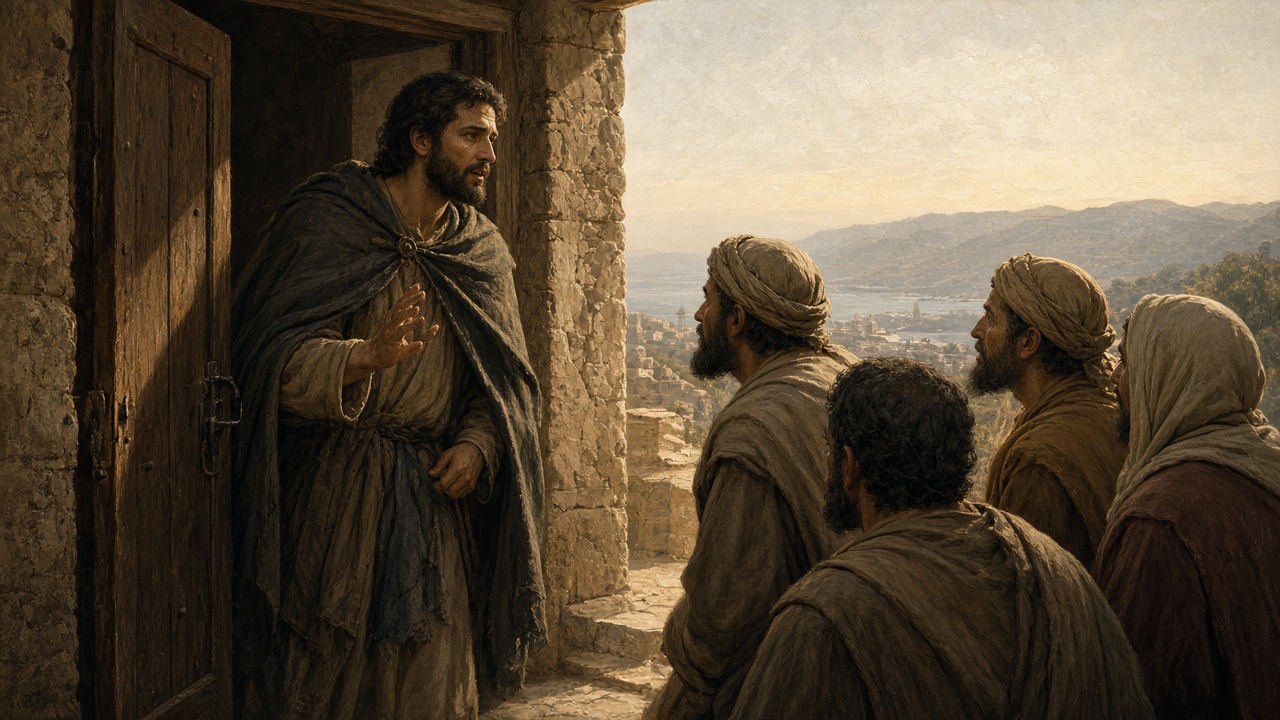
- The writer asks for prayer to proclaim the gospel fearlessly as an ambassador in chains, and sends Tychicus, the beloved brother and faithful servant in the Lord, to tell the readers how he is and to encourage them. Tychicus is described as an Asiatic Christian who, with Trophimus, accompanied Paul on part of the journey from Macedonia to Jerusalem and was with Paul at Rome, from where he was sent to Ephesus, probably to build up and encourage the church.Sources: the Bible text itself · Tychicus
Notes written with AI assistance from open sources (Theographic Bible Metadata, CC BY-SA 4.0; Easton’s Bible Dictionary, public domain) and reviewed before publishing.
Credits and license for this translation
Hmooh hmëë he- ga-jmee Jesucristo; Salmos
New Testament and Psalms in Chinantec, Ozumacín (MX:chz:Chinantec, Ozumacín)
copyright © 2003 Wycliffe Bible Translators, Inc.
Language: Chinantec, Ozumacín
Translation by: Wycliffe Bible Translators, Inc.
Chinanteco, Ozumacín [chz], Mexico
Copyright Information
© 2003, Wycliffe Bible Translators, Inc.
This translation text is made available to you under the
terms of the Creative Commons License: Attribution-Noncommercial-No Derivative Works.
( http://creativecommons.org/licenses/by-nc-nd/3.0/ )
In addition, you have permission to port the text to different file formats, as long as you
do not change any of the text or punctuation of the Bible.
You may share, copy, distribute, transmit, and extract portions
or quotations from this work, provided that you include the above copyright
information:
You must give Attribution to the work.
You do not sell this work for a profit.
You do not make any derivative works that change any of the actual words or punctuation of the Scriptures.
Permissions beyond the scope of this license may be
available if you contact
us with your request.
The New Testament and Psalms
in Chinantec, Ozumacín
© 2003, Wycliffe Bible Translators, Inc.
This translation is made available to you under the terms of the
Creative Commons Attribution-Noncommercial-No Derivatives license 4.0.
You may share and redistribute this Bible translation or extracts from it in any format, provided that:
You include the above copyright and source information.
You do not sell this work for a profit.
You do not change any of the words or punctuation of the Scriptures.
Pictures included with Scriptures and other documents on this site are licensed just for use with those Scriptures and documents.
For other uses, please contact the respective copyright owners.
2014-04-22
Source: http://ebible.org/chzNTps/ · eBible.org