Acts 15
Hmooh hmëë he- ga-jmee Jesucristo; Salmos · Tap a verse to see its cross-references.
Gaꜙta̱a̱hˋ apóstole juuˈ kweeˉ haˉ läꜙ sɨɨyhꜙ ø̱ø̱hꜗ jneˊ hi̱ˉ saꜙ la̱a̱ꜗ judiu
1Ko̱ˉlla̱a̱ˊ dsaˉ hi̱ˉ maˊ cha̱a̱ˉ Judea gaꜙllaꜙnääyꜗ jwɨɨˉ Antioquía naˊkwayˉ juuˈ kihꜗ ø̱ø̱hꜗ jneˊ hi̱ˉ maˊ tä̱ä̱hˊ jeeˊ ja̱ˉ, maˊ jäyhꜘ:
—Cherˊmahꜗ saꜙ gaꜙwɨ̱hꜘ jmɨˉngoꜗ kyahꜗ hnähꜘ läꜙko̱o̱ˉ nøøꜘ kihꜗ Moisé, saꜙ lä̱ä̱hꜘ hnähꜘ.
2Peerꜙ gaꜙtiˉ gaꜙchooꜘ Paaˊ juuˈ kya̱a̱hˊ dsaˉ heꜘ hiꜙ läꜙja̱ˉ maˊ jmeeꜙ Bernabé kaˉlähꜘ. Haˉ ko̱hꜘ juuˈ saꜙ gaꜙtiˉ gaꜙchooyꜘ. Heˉja̱ˉ ø̱ø̱hꜗ jneˊ hi̱ˉ maˊ tä̱ä̱hˊ Antioquía, gaꜙhña̱a̱yꜗ Paaˊ kya̱a̱hˊ Bernabé kya̱a̱hˊ jñahꜘ gaˊ ø̱ø̱hˈ jneˊ. Gaꜙche̱e̱yꜗ taꜙ Jerusalén mahꜗ miˉeeyꜙ juuˈ ja̱ˉ kya̱a̱hˊ apóstole hiꜙ kya̱a̱hˊ läꜙjë̱ë̱ꜙ dsaˉgyʉʉhˊ.
3Ø̱ø̱hꜗ jneˊ hi̱ˉ maˊ tä̱ä̱hˊ Antioquía gaꜙche̱e̱ꜗ dsihꜘ kya̱a̱hˊ juuˈ lluꜗ. Jeeˊ gaꜙnääyꜗ ja̱ˉ, gaꜙngëëyꜘ hwaꜗ Fenicia hiꜙ gaꜙngëëyꜘ hwaꜗ Samária. Läꜙjëꜙ jwɨɨˉ jeeˊ gaꜙngëëyꜘ ja̱ˉ, gaꜙjmeeyhꜗ juuˈ haˉ läꜙ gaꜙlaꜗ heˉ gaꜙje̱e̱h˜ dsaˉ hi̱ˉ saꜙ la̱a̱ꜗ judiu kya̱a̱hˊ Dio. Peerꜙ gaꜙtɨhꜗ dsëꜗ läꜙjë̱ë̱ꜙ ø̱ø̱hꜗ jneˊ maˊ gaꜙnuuyꜘ juuˈ ja̱ˉ.
4Maˊ gaꜙllooꜗ Paaˊ kya̱a̱hˊ Bernabé taꜙ Jerusalén, ø̱ø̱hꜗ jneˊ hi̱ˉ tä̱ä̱hˊ jeeˊ ja̱ˉ gaꜙhe̱e̱hˉ bihꜗ lluꜗ. Hiꜙ läꜙja̱ˉ gaꜙjmeeꜘ apóstole kya̱a̱hˊ läꜙjë̱ë̱ꜙ dsaˉgyʉʉhˊ kaˉlähꜘ. Hiꜙ gaꜙjmeehꜗ Paaˊ kya̱a̱hˊ Bernabé juuˈ läꜙjëꜙ heˉ gaꜙjmeeꜘ Dio kya̱a̱yhˊ läꜙka̱a̱ˉ jeeˊ naˊnääyˈ. 5Pero ko̱ˉlla̱a̱ˊ fariseo hi̱ˉ maˉhe̱e̱hˉ juuˈ kihꜗ Dio gaꜙnooyˉ mahꜗ gaꜙjäyhꜘ:
—Jmeeꜙ biiꜗ ʉ̱ʉ̱hꜙ jmɨˉngoꜗ kihꜗ dsaˉñʉʉhˉ hi̱ˉ saꜙ la̱a̱ꜗ judiu hiꜙ jmeenˊ madaꜚ kiyhꜗ mahꜗ høøyꜗ läꜙjëꜙ nʉʉhꜚ kihꜗ Moisé.
6Heˉja̱ˉ gaꜙku̱hꜗ apóstole kya̱a̱hˊ dsaˉgyʉʉhˊ mahꜗ miˉeeyꜙ juuˈ ja̱ˉ. 7Maˉläˉhɨɨˋ tä̱ä̱yhˊ tiˉchooyꜙ juuˈ jeeˊ läꜙjë̱ë̱yꜙ, ja̱ˉgaˊ gaꜙnooˉ Peeˊ mahꜗ gaꜙjäyhꜘ:
—Nʉʉˉ daˊ hnähꜘ dsaˉñʉʉhˉ ø̱ø̱hnꜗ. Ñehˊ baˊ hnähꜘ, jä̱ä̱ꜗ gaꜙlle̱e̱hˉ Dio jnäꜘ jeeˊ kyahˈ hnähꜘ mahꜗ kwanˋ juˈhmëëꜘ kihꜗ hi̱ˉ saꜙ la̱a̱ꜗ judiu, mahꜗ läꜙdsooꜘ dsëyꜗ kihꜗ Jesús. 8Dio hi̱ˉ kyʉʉh˜ haˉ läꜙ laꜗ tuhˉdsëꜗ dsaˉ, gaꜙmiꜙjnääyˉ dsaˉ heꜘ, maꜙraꜙ heˉ la̱a̱yꜗ dsaˉ kya̱a̱yꜗ läꜙlluꜗ heˉ gaꜙkwëëyhꜗ Jmɨˉlleꜘ Naˉjngɨɨˈ, ja̱ˉbaˊ läꜙko̱hꜘ gaꜙhñahꜗ jneˊ. 9Ja̱ˉbaˊ läꜙko̱hꜘ gaꜙjmeeꜘ Dio jnäˋ jneˊ, ja̱ˉbaˊ läꜙja̱ˉ gaꜙjmeeyꜘ kya̱a̱hˊ dsaˉ heꜘ kaˉlähꜘ. Jëëhꜘ, kya̱a̱hˊ heˉ maˉläˉdsooꜘ dsëyꜗ kihꜗ Jesús, läꜙja̱ˉ baˊ maˉjä̱yꜘ naˉjngëëyˈ. 10¿Heˉlaˈ ka̱hˉ hnähꜘ dsëꜗ Dio, heˉ jmeehˉ hnähꜘ biiꜗ kihꜗ ø̱ø̱hꜗ jneˊ heˉ høøyꜗ ley heˉ saꜙ tä̱ä̱yꜙ høøyꜗ, hiꜙ niꜙ jneˊ saꜙ tä̱ä̱ꜙ jneˊ høønˊ, hiꜙ niꜙ dsaˉ maˉgyu̱hˉ jnänˋ saꜙ gaꜙtä̱ä̱yꜙ maˊ høøyˈ? 11Pero naꜗ maˉñeˊ jneˊ, heˉ laˊ maˉlä̱ä̱ꜗ baˊ Jesús jneˊ, kweeˉ baˊ kya̱a̱hˊ dsaˉ heꜘ —gaꜙjähꜘ Peeˊ.
12Maˊ gaꜙløøꜗ Bernabé kya̱a̱hˊ Paaˊ jmeeh˜ juuˈ, läꜙjë̱ë̱ꜙ dsaˉ heꜘ gaꜙta̱a̱hˋ tiiˊ nuuyˉ haˉ läꜙ chaˉmiihˉ jʉhˉga̱a̱ˉ heˉ gaꜙjmeeꜘ Dio kya̱a̱yhˊ jeeˊ naˊnääyˈ naˊkwayˉ juˈhmëëꜘ kihꜗ dsaˉ hi̱ˉ saꜙ la̱a̱ꜗ judiu. 13Hiꜙ maˊ gaꜙdsa̱a̱ꜗ juuˈ kihꜗ Paaˊ kya̱a̱hˊ Bernabé, gaꜙhlëëhꜘ Jacobo, gaꜙjäyhꜘ:
—Dsaˉñʉʉhˉ ø̱ø̱hnꜗ, nʉʉˉ daˊ hnähꜘ. 14Maˉnʉʉˊ jneˊ läꜙko̱o̱ˉ maˉjmeehꜗ Simón juuˈ haˉ läꜙ gaꜙjmeeꜘ Dio toˉnëˊ jeeˊ kihˈ dsaˉ hi̱ˉ saꜙ la̱a̱ꜗ judiu, gaꜙtëëyˉ dsaˉ heꜘ, gaꜙjmä̱ä̱yꜗ kya̱a̱yꜗ. 15Heˉ laˉ naˉ je̱e̱hˈ kweeˉ kya̱a̱hˊ heˉ gaꜙhlëëhꜘ hi̱ˉ gaꜙngëëꜗ juuˈ kihꜗ Dio, jeeˊ naˉsɨɨˉ läꜙlaˉ:
16Maˉngëëꜘ heˉ laˉ, nɨɨnˋ naˊchoohnˋ hneˈ kihꜗ David heˉ naˉhlaˋ.
Naˊjmeehnˋ kaˉlähꜘ läꜙka̱a̱ˉ jeeˊ naˉhe̱e̱ꜚ, mahꜗ choohnˊ kaˉlähꜘ läꜙhmëëꜘ,
17mahꜗ läꜙja̱ˉ hi̱ˉ jñahꜘ nääꜗ dsaˉ heꜘ waˊ hnääyhꜘ Dio,
läꜙjë̱ë̱ꜙ dsaˉ hi̱ˉ saꜙ la̱a̱ꜗ judiu hi̱ˉ maˉmiˉjä̱ä̱nꜚ la̱a̱yꜗ kya̱a̱nꜙ.
18Läꜙja̱ˉ gaꜙjähꜘ Dio, hi̱ˉ gaꜙmiꜙjnääˉ juuˈ laˉ lloꜘjooꜗ goˉteˈ.
19ʼHeˉja̱ˉ jwahnꜙ, taꜙ waˊ hanˊ kihˈ hi̱ˉ saꜙ la̱a̱ꜗ judiu hi̱ˉ dsaˉje̱e̱h˜ kya̱a̱hˊ Dio. 20Maˉle̱e̱ꜙ baˊ ko̱o̱ˉ sɨɨnˊ kiyhˈ mahꜗ saꜙ waˊ kuyhˉ maꜗ heˉ jmeeꜗ miˉsa̱yhꜘ hñiiyꜘ heˉ llaꜙ dsaˉ chaˊnëˊ dio hi̱ˉ naˉla̱a̱ꜚ ka̱a̱h˜ dsaˉ, hiꜙ dsaˉmëꜘ dsaˉñʉʉhˉ saꜙ waˊ ka̱a̱yhˈ waˊ hi̱ˉ chaˉ hi̱ˉ, hiꜙ niꜙ saꜙ waˊ ku̱yhˉ jahꜘ hi̱ˉ dsaˉju̱u̱ꜘ kya̱a̱hˊ heˉ wɨɨꜘ, niꜙ saꜙ waˊ kuyhˉ jmaˉ. 21Jëëhꜘ lloꜘjooꜗ gaꜙløøꜗ dsaˉ judiu kwaꜙ nʉʉhꜚ kihꜗ Moisé nehꜙ gwahꜙ heˉ tø̱ø̱ꜘ läꜙko̱o̱ˉ läꜙko̱o̱ˉ jwɨɨˉ. Jeeˊ ja̱ˉ hëyˉ heˉ gaꜙsɨɨꜘ Moisé, läꜙjëꜙ jmɨɨˊ heˉ te̱e̱hˉ dsaˉ dsëꜗ —gaꜙjähꜘ Jacobo.
Gaꜙche̱e̱yꜗ ko̱o̱ˉ jeˉ kihꜗ läꜙjë̱ë̱ꜙ ø̱ø̱hꜗ jneˊ hi̱ˉ saꜙ la̱a̱ꜗ judiu
22Läꜙjë̱ë̱ꜙ ø̱ø̱hꜗ jneˊ heꜘ, kya̱a̱hˊ apóstole hiꜙ kya̱a̱hˊ dsaˉgyʉʉhˊ gaꜙta̱a̱yhˋ juuˈ kweeˉ gaꜙhña̱a̱yꜗ ko̱ˉlla̱a̱ˊ ø̱ø̱hꜗ jneˊ hi̱ˉ maˊ tä̱ä̱hˊ jeeˊ ja̱ˉ mahꜗ dsaˉnääyꜗ jwɨɨˉ Antioquía kya̱a̱hˊ Paaˊ hiꜙ kya̱a̱hˊ Bernabé. Gaꜙhña̱a̱yꜗ Juda, heꜘ baˊ hi̱ˉ tëëyh˜ Barsabá, hiꜙ gaꜙhña̱a̱yꜗ Sila. Hi̱ˉ heꜘ maˊ la̱a̱ˈ taˊ jeeˊ kihˈ dsaˉkya̱a̱yhˊ. 23Kya̱a̱hˊ hi̱ˉ heꜘ gaꜙche̱e̱yꜗ jeˉ heˉ naˉsɨɨˉ läꜙlaˉ:
“Jnäähˈ apóstole, jnäähˈ dsaˉgyʉʉhˊ kya̱a̱hˊ ø̱ø̱hˈ jneˊ, jmeeˉ jnäähˈ juuˈ kyahꜗ hnähꜘ ø̱ø̱hnꜗ hi̱ˉ saꜙ la̱a̱ꜗ judiu hi̱ˉ cha̱a̱ˉ Antioquía, hi̱ˉ cha̱a̱ˉ hwaꜗ Siria hiꜙ Cilicia kaˉlähꜘ. Waˊ cha̱a̱ˉ hnähꜘ lluꜗ. 24Maˉnʉʉˊ jnäähꜗ kihꜗ ko̱ˉlla̱a̱ˊ hi̱ˉ gaꜙhwë̱ë̱ˉ jeeˊ laˉ gaꜙnääyꜗ taꜙ naꜙ. Saꜙ ñeˊ jnäähꜗ heˉ gaꜙnääyꜗ miˉga̱a̱yꜙ hnähꜘ kya̱a̱hˊ juuˈ kiyhꜗ, he̱e̱y˜ hʉʉˊdsëˉ kyahꜗ hnähꜘ hiꜙ jmeeyꜙ hihꜙ heˉ ʉ̱ʉ̱hꜙ jmɨˉngoꜗ kyahꜗ hnähꜘ hiꜙ heˉ høøhˈ hnähꜘ ley. 25Heˉja̱ˉ maˉtoohˋ jnäähꜗ juuˈ kweeˉ, maˉjëëˊ jnäähꜗ lluꜗ baˊ heˉ maˉhña̱a̱ˊ jnäähꜗ ø̱ø̱hꜗ jneˊ hi̱ˉ tä̱ä̱hˊ jeeˊ laˉ mahꜗ dsaˉnääyꜗ dsaˉjë̱ë̱yꜙ hnähꜘ ko̱ˉjø̱hꜘ kya̱a̱hˊ Paaˊ hiꜙ kya̱a̱hˊ Bernabé hi̱ˉ hnääꜙ jneˊ chaˉmiihˉ. 26Dsaˉñʉʉhˉ naˉ, saꜙ gaꜙjmeeyꜘ heˈ cheˊ cha̱a̱ˉ ju̱u̱yꜘ jeeˊ gaꜙnääyꜗ kwayꜙ juuˈ kihꜗ Jesucristo. 27Heˉja̱ˉ che̱e̱ˊ jnäähꜗ Juda kya̱a̱hˊ Sila mahꜗ dsaˉnääyꜗ dsaˉkwayꜙ juuˈ heˉ naˉsɨɨˉ laˉ. 28Lluꜗ baˊ laˈ kihꜗ Jmɨˉlleꜘ Naˉjngɨɨˈ hiꜙ läꜙja̱ˉ kya̱a̱ꜗ jnäähˈ kaˉlähꜘ, heˉ saꜙ hnøøˉ jnäähˈ heˉ høøhˈ hnähꜘ heˉ saꜙ tä̱ä̱ꜙ hnähꜘ høøhˈ. Maꜙlaꜙ heˉ laˉ baˊ hnøøˈ nuuhˈ hnähꜘ. 29Saꜙ kuhˈ hnähꜘ heˉ maˉllaꜘ dsaˉ chaˊnëˊ dio hi̱ˉ naˉla̱a̱ꜚ ka̱a̱h˜ dsaˉ, niꜙ saꜙ leꜘ kuhˈ hnähꜘ jmaˉ, niꜙ saꜙ leꜘ ku̱hˈ hnähꜘ jahꜘ hi̱ˉ dsaˉju̱u̱ꜘ kya̱a̱hˊ heˉ wɨɨꜘ. Hnähꜘ dsaˉmëꜘ dsaˉñʉʉhˉ, taꜙ ka̱a̱hꜙ hnähꜘ waˊ hi̱ˉ chaˉ hi̱ˉ. Cherˊmahꜗ gaꜙlë̱hꜗ hnähꜘ høøhˈ heˉ ja̱ˉ, jmeehˉ baˊ hnähꜘ lluꜗ. Waˊ dsaˉngëëhꜘ baˊ hnähꜘ lluꜗ.”
30Läꜙjë̱ë̱ꜙ hi̱ˉ naˉhña̱a̱ˊ heꜘ, gaꜙnääyꜗ taꜙ Antioquía. Maˊ gaꜙllaꜙnääyꜗ jeeˊ ja̱ˉ, gaꜙjø̱ø̱yhˉ ø̱ø̱hꜗ jneˊ mahꜗ gaꜙngëëyꜗ jeˉ heˉ maˊ kye̱yˉ ja̱ˉ, toꜙloꜙ nëˊ jeeˊ läꜙjë̱ë̱ꜙ. 31Peerꜙ gaꜙnøhꜗ dsëꜗ ø̱ø̱hꜗ jneˊ heꜘ maˊ gaꜙhëyꜘ jeˉ ja̱ˉ, heˉja̱ˉ gaꜙläꜙcha̱a̱yꜙ lluꜗ jwërte. 32Juda kya̱a̱hˊ Sila hi̱ˉ maˊ ngëë˜ juuˈ kihꜗ Dio maˊ kwayꜙ chaˉgaˊmiihˉ juuˈ. Hehꜗ läꜙja̱ˉ, gaꜙnøhꜗ dsëꜗ ø̱ø̱hꜗ jneˊ hiꜙ gaꜙtë̱ë̱yhꜗ chaˉmiihˉ beꜘ. 33Gaꜙläꜙhɨɨˋ gaˊ miihˉ jmɨɨˊ, ja̱ˉgaˊ gaꜙhɨhꜗ ø̱ø̱hꜗ jneˊ juuˈ kya̱a̱yhˊ mahꜗ dsaˉnääyˋ lluˈ taꜙ Jerusalén jeeˊ tä̱ä̱hˊ hi̱ˉ gaꜙche̱e̱yꜗ. 34Pero gaꜙjmeeꜘ Sila hʉʉˊdsëˉ: “Goꜚ lluˈ gaˊ heˉ jä̱nꜙ jeeˊ laˉ.” 35Hiꜙ gaꜙjä̱ꜘ baˊ Paaˊ kya̱a̱hˊ Bernabé Antioquía ja̱ˉ, maˊ miˉtë̱ë̱yꜙ dsaˉ juuˈ kihꜗ Dsaˉjø̱ø̱hˈ jnänˋ. Hiꜙ ko̱ˉjø̱hꜘ kya̱a̱hˊ jñahꜘ dsaˉkya̱a̱yhˊ maˊ kwayꜙ juˈhmëëꜘ.
Ngooꜗ Paaˊ jeeˊ gaꜙtëꜘ to̱ꜗ ji̱i̱h˜ naˊkwayˉ juuˈ
36Gaꜙläꜙhɨɨˋ gaˊ miihˉ jmɨɨˊ, maˊ gaꜙjähꜘ Paaˊ sɨɨyhꜙ Bernabé:
—Manˋ kaˉlähꜘ maꜙjë̱ë̱nˊ läꜙjë̱ë̱ꜙ ø̱ø̱hꜗ jneˊ hi̱ˉ tä̱ä̱hˊ läꜙka̱a̱ˉ jwɨɨˉ jeeˊ naˊka̱nˊ juuˈ kihꜗ Dio jä̱ä̱ꜗ, maꜙjëënˊ haˉ läꜙ tä̱ä̱yhˊ.
37Maˊ hnøøˈ Bernabé maˊ jä̱ä̱yˈ Jwa̱a̱ꜚ hi̱ˉ tëëyh˜ Marcos. 38Pero saꜙ gaꜙtɨhꜗ dsëꜗ Paaˊ heˉ maˊ jä̱ä̱yˈ kaˉlähꜘ hi̱ˉ gaꜙkë̱hꜗ ji̱i̱hˈ hwaꜗ Panfilia, jëëhꜘ moꜙsoꜙ ñeeˊ gyihꜗ naˊkwayˉ juuˈ kihꜗ Dio kya̱a̱hˊ Paaˊ. 39Niꜙ miihˉ saꜙ gaꜙhɨɨꜘ kweeˉ juuˈ kihꜗ Paaˊ kya̱a̱hˊ Bernabé, läꜙji̱i̱hˈ gaꜙbe̱e̱yꜗ ø̱ø̱yhꜚ, gaꜙnääyꜗ maꜙ kihˉkihꜗ. Heˉja̱ˉ Bernabé gaꜙjä̱ä̱yꜗ Marcos, gaꜙta̱a̱yhˋ nehꜙ barco gaꜙnääyꜗ taꜙ Chipre. 40Hiꜙ Paaˊ gaꜙjä̱ä̱yꜗ Sila. Läꜙko̱o̱ˉ maˊ gaꜙhwë̱ë̱yˉ jeeˊ ja̱ˉ, gaꜙjähꜘ ø̱ø̱hꜗ jneˊ hi̱ˉ maˊ tä̱ä̱hˊ Antioquía sɨɨyhꜙ:
—Dio kya̱a̱hˊ hnähꜘ.
41Gaꜙngëëyꜘ taꜙ hwaꜗ Siria kya̱a̱hˊ hwaˈ Cilicia maˊ kwayꜙ beꜘ kihꜗ ø̱ø̱hꜗ jneˊ hi̱ˉ maˊ tä̱ä̱hˊ läꜙko̱o̱ˉ läꜙko̱o̱ˉ jwɨɨˉ.
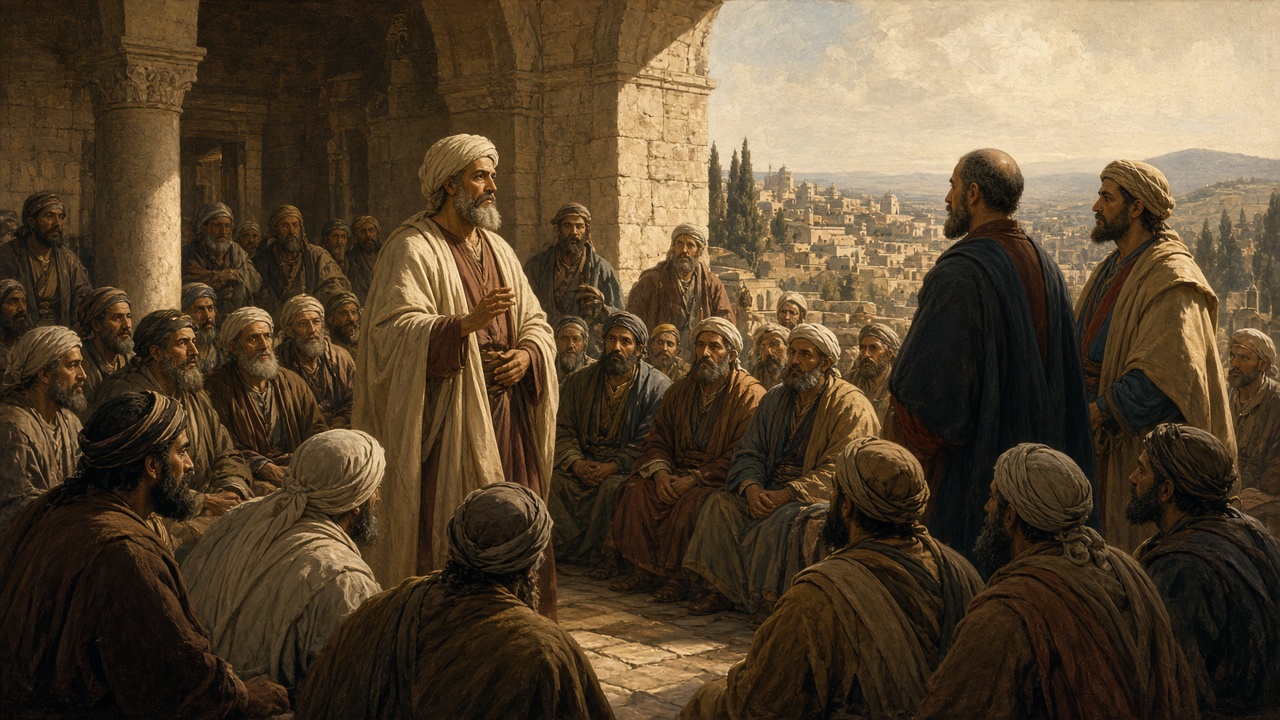
Did you know?
The Council on Gentile Believers
- The dispute began in Antioch, on the Orontes about three hundred miles north of Jerusalem, then ranked third among the cities of the Roman empire, after Rome and Alexandria. On the way to the council, Paul and Barnabas passed through Phoenicia, a coastal strip about one hundred twenty miles long, and through Samaria. A chronological note dates the Jerusalem Council to AD 46.Sources: Antioch (Syria) · Phenicia · the Bible text itself · Jerusalem Council
- Easton's Bible Dictionary (1897) says that James, whom it calls the brother or near kinsman of Jesus, headed the church in Jerusalem and presided at the council on the Gentiles. The letter that followed was addressed to Gentile believers in Antioch, Syria, and Cilicia. Cilicia, Paul's home province and a maritime Roman province in the southeast of Asia Minor since 67 BC, included his native city of Tarsus.Sources: James (Brother of Jesus) · the Bible text itself · Cilicia · Paul
- Judas, called Barsabbas, and Silas, also known as Silvanus, were prophets and leading men of the Jerusalem church, sent to confirm the council's decision in person. A later sharp disagreement over John Mark, cousin of Barnabas, separated the two missionaries: Barnabas took Mark and sailed for Cyprus, while Paul chose Silas. A chronological note dates that parting to AD 47.Sources: the Bible text itself · Silas · John Mark · Paul and Barnabas part ways
Notes written with AI assistance from open sources (Theographic Bible Metadata, CC BY-SA 4.0; Easton’s Bible Dictionary, public domain) and reviewed before publishing.
Places in this chapter
- Antioch · Today: Antioch on the Orontes · 36.227, 36.172 · verses 1, 22, 23, 30, 35
- Judea · Today: Judea 1 · 31.777, 35.234 · verse 1
- Jerusalem · 31.777, 35.234 · verses 2, 3, 4, 22, 23, 33
- Phoenicia · 33.271, 35.196 · verse 3
- Samaria · Today: Samaria 2 · 32.276, 35.195 · verse 3
- Cilicia · 36.913, 34.892 · verses 23, 41
- Syria · Today: Syria 2 · 33.511, 36.306 · verses 23, 41
- Pamphylia · 37.000, 31.000 · verse 38
- Cyprus · 35.000, 33.000 · verse 39
Only places identified with high confidence are shown (90% or more according to the scholarly sources compiled by OpenBible). Period map: DARE (Digital Atlas of the Roman Empire), CC BY 4.0; modern map: © OpenStreetMap contributors; places: OpenBible.info (CC BY 4.0).
Credits and license for this translation
Hmooh hmëë he- ga-jmee Jesucristo; Salmos
New Testament and Psalms in Chinantec, Ozumacín (MX:chz:Chinantec, Ozumacín)
copyright © 2003 Wycliffe Bible Translators, Inc.
Language: Chinantec, Ozumacín
Translation by: Wycliffe Bible Translators, Inc.
Chinanteco, Ozumacín [chz], Mexico
Copyright Information
© 2003, Wycliffe Bible Translators, Inc.
This translation text is made available to you under the
terms of the Creative Commons License: Attribution-Noncommercial-No Derivative Works.
( http://creativecommons.org/licenses/by-nc-nd/3.0/ )
In addition, you have permission to port the text to different file formats, as long as you
do not change any of the text or punctuation of the Bible.
You may share, copy, distribute, transmit, and extract portions
or quotations from this work, provided that you include the above copyright
information:
You must give Attribution to the work.
You do not sell this work for a profit.
You do not make any derivative works that change any of the actual words or punctuation of the Scriptures.
Permissions beyond the scope of this license may be
available if you contact
us with your request.
The New Testament and Psalms
in Chinantec, Ozumacín
© 2003, Wycliffe Bible Translators, Inc.
This translation is made available to you under the terms of the
Creative Commons Attribution-Noncommercial-No Derivatives license 4.0.
You may share and redistribute this Bible translation or extracts from it in any format, provided that:
You include the above copyright and source information.
You do not sell this work for a profit.
You do not change any of the words or punctuation of the Scriptures.
Pictures included with Scriptures and other documents on this site are licensed just for use with those Scriptures and documents.
For other uses, please contact the respective copyright owners.
2014-04-22
Source: http://ebible.org/chzNTps/ · eBible.org