2 Corinthians 8
Hmooh hmëë he- ga-jmee Jesucristo; Salmos · Tap a verse to see its cross-references.
Gaꜙcho̱o̱hꜗ dsaˉ kuuˊ kihˈ ø̱ø̱hꜗ jneˊ hi̱ˉ cha̱a̱ˉ Jerusalén
1Jeeˊ laˉ jmeehˊ jnäähꜗ juuˈ kyahꜗ hnähꜘ haˉ läꜙ gaꜙjmeeꜘ ø̱ø̱hꜗ jneˊ hi̱ˉ tä̱ä̱hˊ läꜙka̱a̱ˉ gwahꜙ heˉ tø̱ø̱ꜘ hwaꜗ Macedonia kihꜗ heˉ lluꜗ dsëꜗ Dio kya̱a̱yhˊ. 2Maꜙkeꜙ tä̱ä̱yhˊ jëëy˜ wɨɨꜘ, pero cha̱a̱yˉ lluꜗ. Maꜙkeꜙ tä̱ä̱yhˊ täˉñeeyꜘ pero chaˉmiihˉ kuuˊ gaꜙkwayꜘ. Gaꜙjmä̱ä̱yꜗ hñiiyꜘ läꜙko̱o̱ˉ dsaˉ chaˉ kuuˊ. 3Jmeenꜙ dsooꜘ kiyhꜗ, gaꜙkwayꜘ kuuˊ läꜙko̱o̱ˉ llaꜙ dsëyꜗ, läꜙko̱hꜘ ji̱i̱hˈ tä̱ä̱yꜙ. Hiꜙ gaꜙkwayꜘ laꜚ gaˊ. 4Chaˉmiihˉ gaꜙchu̱u̱ꜘ dsaˉ heꜘ kya̱a̱hˊ jnäähꜗ mahꜗ kwaˊ jnäähꜗ jwëˈ jmeeyꜗ läꜙko̱o̱ˉ jmeeꜙ läꜙjë̱ë̱ꜙ hi̱ˉ cho̱o̱h˜ kuuˊ mahꜗ jmeeyꜗ beꜘ kihꜗ hi̱ˉ la̱a̱ꜗ kya̱a̱ꜗ Dio. 5Chaˉgaˊmiihˉ gaꜙjmeeyꜘ läꜙko̱hꜘ gaˊ heˉ maˊ laˈ hʉʉˊdsëˉ kya̱a̱ꜗ jnäähˈ. Toˉnëˊ gaꜙngëëyꜗ hñiiyꜘ mahꜗ jmeeyꜗ läꜙ hnøøꜗ Dio. Hiꜙ läꜙja̱ˉ gaꜙjmeeyꜘ kya̱a̱ꜗ jnäähˈ kaˉlähꜘ. 6Heˉja̱ˉ gaꜙchu̱u̱ꜘ jnäähˈ kya̱a̱hˊ Tito mahꜗ miˉhñaayꜙ taˊ kiyhˈ heˉ jʉhˊlä̱ä̱yhꜗ kuuˊ läꜙko̱o̱ˉ gaꜙløøyꜗ jmeeyꜙ jä̱ä̱ꜗ jeeˊ kyahˈ hnähꜘ hi̱ˉ kwaꜙ kuuˊ läꜙka̱a̱ˉ tuhˉdsëꜗ. 7Maˉhwë̱ë̱hˉ hnähꜘ lluꜗ kya̱a̱hˊ läꜙjëꜙ heˉ jmeehˉ hnähꜘ. Maˉläˉdsooꜘ hohꜘ hnähꜘ, maˉhlë̱ë̱hˊ hnähꜘ dsaˉ, maˉkyu̱u̱h˜ hnähꜘ lluꜗ, maˉjmeehˉ hnähꜘ taˊ läꜙka̱a̱ˉ tuhˉhohꜘ hnähꜘ, hiꜙ maˉläˉhnaahꜙ jnäähˈ. Läꜙja̱ˉ kaˉlähꜘ, hnøøꜗ hwë̱ë̱ꜙ hnähꜘ kweeˉ kya̱a̱hˊ taˊ lluˈ jeeˊ jʉhˊlä̱ä̱hˊ hnähꜘ kuuˊ.
8Ja̱ꜙ heˉ jmeenꜙ madaꜚ kyahꜗ hnähꜘ heˉ jwë̱ë̱hn˜ hnähꜘ läꜙnaˉ. Heˉ hnoonꜗ jëënꜚ cheˊ maꜙraꜙ juˈdsooꜘ hnaahꜙ hnähꜘ ø̱ø̱hꜗ jneˊ. Heˉja̱ˉ baˊ naˉ maˉjwë̱ë̱hnꜗ hnähꜘ läꜙko̱o̱ˉ gaꜙjmeeꜘ hi̱ˉ tä̱ä̱hˊ Macedonia. 9Jëëhꜘ, maˉñehˊ baˊ hnähꜘ läꜙko̱o̱ˉ lluꜗ dsëꜗ Jesucristo Dsaˉjø̱ø̱hˈ jnänˋ. Maꜙkeꜙ häˊ gooyˉ läꜙjëꜙ heˉ chaˉ, gaꜙjmä̱ä̱yꜗ hñiiyꜘ hi̱ˉ täˉñeeꜘ, kihꜗ heˉ hnääyꜗ jneˊ. Läꜙjwëꜘ ja̱ˉ läꜙchaˉ jnänˋ chaˉmiihˉ, kihꜗ heˉ gaꜙjmä̱ä̱yꜗ hñiiyꜘ täˉñeeꜘ.
10Heˉ lluꜗ kyahꜗ hnähꜘ heˉ kwanˋ nʉʉhꜚ laˉ. Hnähꜘ toˉnëˊ gaꜙläꜙhyohꜙ hohꜘ hnähꜘ cho̱o̱hˊ hnähꜘ kuuˊ maˉhyaˉ ko̱o̱ˉ ji̱ˉñeˉ. Hiꜙ ja̱ꜙ maꜙlaꜙ heˉja̱ˉ, gaꜙløøhˋ hnähꜘ cho̱o̱hˊ hnähꜘ kuuˊ, jä̱ä̱ꜗ gaˊ läꜙko̱hꜘ jñahꜘ ø̱ø̱hꜗ jneˊ. 11Heˉja̱ˉ naꜗ miˉhñaaˈ hnähꜘ taˊ heˉ maˉløøhˋ hnähꜘ. Ja̱ˉbaˊ läꜙko̱o̱ˉ gaꜙläꜙhyohꜙ hohꜘ hnähꜘ jmeehˈ hnähꜘ, läꜙja̱ˉ kaˉlähꜘ, läꜙka̱a̱ˉ tuhˉhohꜘ hnähꜘ miˉhñaaˈ hnähꜘ taˊ naˉ. Ja̱ˉ cho̱o̱hˋ hnähꜘ kuuˊ läꜙko̱o̱ˉ teꜗ tä̱ä̱hꜙ baˊ hnähꜘ. 12Cherˊmahꜗ cha̱a̱ˉ hi̱ˉ llaꜙ dsëꜗ kwaꜗ, he̱e̱hˉ baˊ Dio haˉ ko̱o̱ˉ teꜗ chaˉ. Jëëhꜘ saꜙ ngɨɨꜙ Dio heˉ saꜙ chaˉ jnänˋ.
13Saꜙ jwahnꜙ läꜙlaˉ mahꜗ jñahꜘ baˊ läꜙchaˉ kihꜗ, taˊko̱ˉji̱i̱hˈ saꜙ chaˉ kyahꜗ hnähꜘ. 14Hnøøꜗ jmeehˈ hnähꜘ läꜙko̱o̱ˉ lleˋ kihˈ. Jmɨɨˊ naˈ heˉ chaˉ chaˉmiihˉ kyahꜗ hnähꜘ, heˉ ja̱ˉ le̱e̱ꜙ kihꜗ hi̱ˉ llaˉkya̱a̱ꜗ. Läꜙja̱ˉ kaˉlähꜘ maˊ chaˉ chaˉmiihˉ kihꜗ jñahꜘ, le̱e̱ꜙ kyahꜗ hnähꜘ maˊ jmeeꜙ biiꜗ. Läꜙja̱ˉ baˊ jä̱ˈ lluꜗ kihꜗ läꜙjë̱ë̱ꜙ. 15Läꜙko̱o̱ˉ naˉsɨɨˉ juuˈ kihꜗ Dio: “Saꜙ gaꜙcha̱a̱ꜗ gaˊ kihˈ hi̱ˉ gaꜙjʉʉhꜗ chaˉmiihˉ. Niꜙ saꜙ gaꜙläꜙhnøøꜗ gaˊ kihˈ hi̱ˉ gaꜙjʉʉhꜗ ko̱ˉhi̱ˊpihˈ.”
Tito kya̱a̱hˊ dsaˉkya̱a̱hˊ
16Peerꜙ tiˊhmaahˊ Dio hi̱ˉ gaꜙjmeeꜘ gaꜙka̱ꜗ Tito hʉʉˊdsëˉ kyahꜗ hnähꜘ, ja̱ˉbaˊ läꜙko̱o̱ˉ kye̱ˊ jnäꜘ hʉʉˊdsëˉ. 17Gaꜙhe̱e̱hˉ bihꜗ läꜙko̱o̱ˉ gaꜙhlë̱ë̱hˋ jnihꜘ. Jëëhꜘ, hñiiꜘ bihꜗ maˊ lleˋ dsëyˈ kwayꜗ beꜘ kyahꜗ hnähꜘ. Heˉja̱ˉ jeeˊ të̱ë̱yˉ hñiiꜘ bihꜗ dsooyꜗ dsaˉjë̱ë̱yꜙ hnähꜘ.
18Ko̱ˉjø̱hꜘ kya̱a̱hˊ Tito, che̱e̱ˊ jnäähꜗ ja̱a̱ˉ ø̱ø̱hꜗ jneˊ hi̱ˉ hiiꜘ juuˈ kihꜗ läꜙka̱a̱ˉ gwahꜙ jeeˊ jmeeyꜙ taˊ kwa̱a̱t˜ kihꜗ juˈhmëëꜘ. 19Ja̱ꜙ maꜙlaꜙ heˉ ja̱ˉ, ø̱ø̱hꜗ jneˊ gaꜙhña̱a̱yꜗ mahꜗ jmeeyꜗ ko̱ˉjø̱hꜘ kya̱a̱hˊ jnäähꜗ jeeˊ dsaˊka̱ˊ jnäähꜗ kuuˊ heˉ jʉhˉlä̱ä̱h˜ ø̱ø̱hꜗ jneˊ. Kya̱a̱hˊ heˉ ja̱ˉ, jmeeˊ jnäähꜗ jʉʉhˉ kihꜗ Dio hiꜙ läꜙjwëꜘ ja̱ˉ läꜙjnäꜘ heˉ hnøøˉ jnäähˈ kwaˊ jnäähꜗ beꜘ kihꜗ ø̱ø̱hnꜗ. 20Läꜙja̱ˉ jmeeˉ jnäähˈ, mahꜗ saꜙ cha̱a̱ˉ hi̱ˉ hlëëhꜗ wɨɨꜘ kya̱a̱ꜗ jnäähˈ heˉ jʉhˊlä̱ä̱hˊ jnäähꜗ chaˉmiihˉ kuuˊ. 21Jëëhꜘ ñeˉ baˊ Dio heˉ jmeeˉ jnäähˈ biiꜗ jmeeˊ jnäähꜗ taˊ läꜙko̱o̱ˉ lleˋ kihˈ, hiꜙ läꜙja̱ˉ hnoonꜗ ka̱ꜗ dsaˉ jmɨˉgyʉʉꜙ kwa̱a̱t˜ kaˉlähꜘ.
22Hiꜙ che̱e̱ˊ gaˊ jnäähꜗ jñahꜘ ø̱ø̱hꜗ jneˊ ko̱ˉjø̱hꜘ kya̱a̱yhˊ. Hi̱ˉ heꜘ, ja̱ꜙ ko̱o̱ˉ häˊ maˉjëëˊ jnäähꜗ jmeeyꜙ heˉ lluꜗ jmahꜗ. Hiꜙ chaˉgaˊmiihˉ jmeeyꜗ, naꜗ heˉ maˉjëëyꜙ heˉ miˉteˋ hnähꜘ. 23Taꜙ ka̱ˉ hnähꜘ hʉʉˊdsëˉ. Tito la̱a̱ꜗ dsaˉkya̱a̱hˊ jnäähꜗ jeeˊ jmeeˉ jnäähˈ taˊ ko̱ˉjø̱hꜘ mahꜗ leꜘ lluꜗ kyahꜗ hnähꜘ. Hi̱ˉ jñahꜘ ø̱ø̱hꜗ jneˊ hi̱ˉ jä̱ä̱yꜙ naˉ, häˊ gooyˉ läꜙka̱a̱ˉ gwahꜙ. Hiꜙ kwa̱a̱t˜ kihꜗ hi̱ˉ heꜘ, läꜙka̱a̱ˉ jeeˊ dsaˉnääyꜗ jmeeꜙ ø̱ø̱hꜗ jneˊ jʉʉhˉ kihꜗ Cristo. 24Ja̱ˉ miˉjnääˈ hnähꜘ kiyhꜗ haˉ läꜙko̱o̱ˉ ji̱i̱hˈ hnaahꜙ hnähꜘ dsaˉ. Läꜙja̱ˉ miˉjnääˈ hnähꜘ chaˊnëˊ läꜙjë̱ë̱ꜙ ø̱ø̱hꜗ jneˊ heˉ kihꜗ ja̱ˉ heˉ cha̱a̱ˉ jnäähˈ lluꜗ kya̱a̱hˊ hnähꜘ.
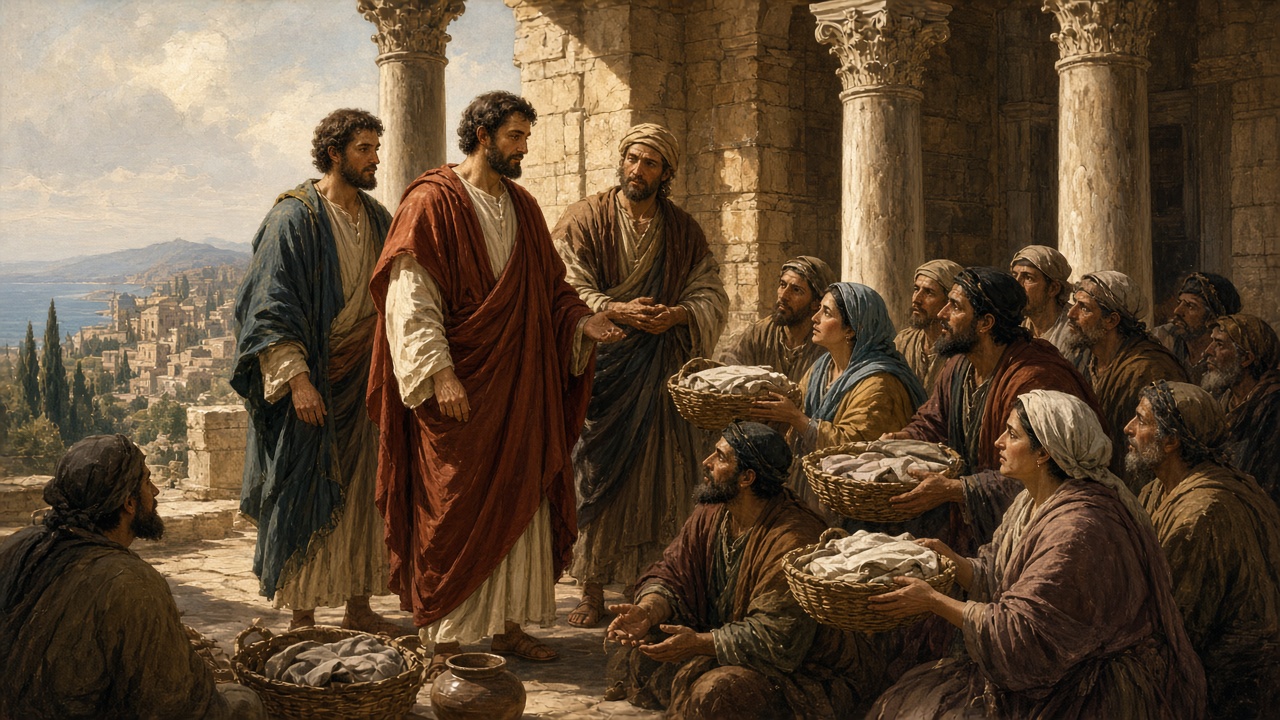
Did you know?
Generosity and the Jerusalem Collection
- In New Testament times Macedonia was a Roman province north of Greece. Paul was summoned by the vision of a man of Macedonia to preach the gospel there, and this chapter tells the Corinthians how those churches, in a terrible ordeal and deep poverty, gave joyfully and even beyond their ability.Sources: Macedonia · the Bible text itself
- Titus, whose name nowhere occurs in Acts, appears to have been a Gentile chiefly engaged in ministering to Gentiles. From Ephesus, Paul sent him to Corinth to forward the church's contributions for the poor saints at Jerusalem; in this chapter Paul urges him to complete that work, and Titus is coming eagerly of his own accord.Sources: Titus · the Bible text itself
- Along with Titus, Paul is sending a brother praised by all the churches for his work in the gospel and chosen by them to accompany the offering, and another brother whose earnestness has been proven many times and in many ways. He explains that this care is meant to avoid criticism of how the generous gift is administered, so that they do what is right not only in the eyes of the Lord but also in the eyes of other people.Sources: the Bible text itself
Notes written with AI assistance from open sources (Theographic Bible Metadata, CC BY-SA 4.0; Easton’s Bible Dictionary, public domain) and reviewed before publishing.
Places in this chapter
Only places identified with high confidence are shown (90% or more according to the scholarly sources compiled by OpenBible). Period map: DARE (Digital Atlas of the Roman Empire), CC BY 4.0; modern map: © OpenStreetMap contributors; places: OpenBible.info (CC BY 4.0).
Credits and license for this translation
Hmooh hmëë he- ga-jmee Jesucristo; Salmos
New Testament and Psalms in Chinantec, Ozumacín (MX:chz:Chinantec, Ozumacín)
copyright © 2003 Wycliffe Bible Translators, Inc.
Language: Chinantec, Ozumacín
Translation by: Wycliffe Bible Translators, Inc.
Chinanteco, Ozumacín [chz], Mexico
Copyright Information
© 2003, Wycliffe Bible Translators, Inc.
This translation text is made available to you under the
terms of the Creative Commons License: Attribution-Noncommercial-No Derivative Works.
( http://creativecommons.org/licenses/by-nc-nd/3.0/ )
In addition, you have permission to port the text to different file formats, as long as you
do not change any of the text or punctuation of the Bible.
You may share, copy, distribute, transmit, and extract portions
or quotations from this work, provided that you include the above copyright
information:
You must give Attribution to the work.
You do not sell this work for a profit.
You do not make any derivative works that change any of the actual words or punctuation of the Scriptures.
Permissions beyond the scope of this license may be
available if you contact
us with your request.
The New Testament and Psalms
in Chinantec, Ozumacín
© 2003, Wycliffe Bible Translators, Inc.
This translation is made available to you under the terms of the
Creative Commons Attribution-Noncommercial-No Derivatives license 4.0.
You may share and redistribute this Bible translation or extracts from it in any format, provided that:
You include the above copyright and source information.
You do not sell this work for a profit.
You do not change any of the words or punctuation of the Scriptures.
Pictures included with Scriptures and other documents on this site are licensed just for use with those Scriptures and documents.
For other uses, please contact the respective copyright owners.
2014-04-22
Source: http://ebible.org/chzNTps/ · eBible.org