1 Peter 2
Hmooh hmëë he- ga-jmee Jesucristo; Salmos · Tap a verse to see its cross-references.
1Heˉja̱ˉ beꜗ hnähꜘ läꜙjëꜙ heˉ hlɨɨhˈ, taꜙ jmeeˉ hnähꜘ juuˈ taˉjuuˈ, taꜙ waˊ taˉju̱u̱hˈ hnähꜘ heˉ jmäähꜙ hnähꜘ hñaahꜗ läꜙko̱o̱ˉ ja̱a̱ˉ hi̱ˉ miˉteꜗ mahꜗ saꜙ miˉte̱yhꜗ, taꜙ waˊ wɨɨꜘ hohꜘ hnähꜘ, taꜙ koohꜘ hnähꜘ juuˈ jwɨɨˋ. 2Läꜙ jmeeꜙ ja̱a̱ˉ gyʉ̱ʉ̱ˉ së̱hꜘ hi̱ˉ tʉhꜘ ko̱ˉllaˉji̱i̱h˜, läꜙja̱ˉ waˊ läˉhe̱e̱ꜘ hohꜘ hnähꜘ waˊjʉhꜙ heˉ laꜗ ko̱o̱ˉ nëëˈ baˊ heˉ gwaꜘ gyʉʉhˈ. Heˉ laˉ naˉ laꜗ juuˈ heˉ saꜙ jwë̱ë̱hˋ heˉ jmeeꜙ dsaˊnøøˈ jneˊ taꜙ chaˊnëˊ läꜙjwëꜘ jeeˊ lä̱ä̱ꜘ jneˊ. 3Jëëhꜘ, maˉkyu̱u̱h˜ baˊ hnähꜘ haˉ ko̱hꜘ saꜙ lluꜗ dsëꜗ Dsaˉjø̱ø̱hˈ jnänˋ.
Cristo la̱a̱ꜗ läꜙko̱o̱ˉ mɨˈku̱u̱ˊ heˉ naˊji̱i̱hꜙ
4Heˉja̱ˉ yaˊnäähꜗ hnähꜘ chu̱hꜙ kihꜗ Cristo hi̱ˉ la̱a̱ꜗ läꜙko̱hꜘ ku̱u̱ˊ heˉ naˊji̱i̱hꜙ heˉ saꜙ gaꜙtɨhꜗ dsëꜗ dsaˉ jä̱ä̱ꜗ, pero kihꜗ Dio, la̱a̱yꜗ läꜙko̱hꜘ mɨˈku̱u̱ˊ heˉ naˉlliihˊ hiꜙ hmoohˈ jwërte kaˉlähꜘ. 5Hiꜙ ja̱ˉbaˊ läꜙja̱ˉ la̱a̱hꜗ hnähꜘ läꜙko̱hꜘ ku̱u̱ˊ heˉ naˊji̱i̱hꜙ, heˉ kya̱a̱hˊ jmeeꜙ Dio hneꜗ kiyhꜗ hiꜙ le̱e̱hꜘ hnähꜘ läꜙko̱o̱ˉ jmiˉdsaˉ hi̱ˉ naˉjngëëˈ goˉte˜ mahꜗ kwëëhˈ hnähꜘ Dio läꜙjëꜙ heˉ ngɨɨyꜙ. Läꜙja̱ˉ baˊ tɨh˜ dsëꜗ Dio jmeehˈ hnähꜘ taꜙlaꜙ kihꜗ Jesucristo. 6Kihꜗ heˉja̱ˉ baˊ hlëëhꜙ läꜙlaˉ jeeˊ naˉsɨɨˉ juuˈ kihꜗ Dio:
Jnäꜘ Dio lla̱a̱nꜚ jwɨɨˉ Sión ja̱a̱ˉ hi̱ˉ la̱a̱ꜗ läꜙko̱o̱ˉ ku̱u̱ˊ heˉ kyeˉ dsaˉ toˉnëˊ kihˈ ko̱o̱ˉ hneꜗ jʉʉhˉ.
Laꜗ ko̱o̱ˉ mɨˊku̱u̱ˊ naˉlliihˊ heˉ hmoohˈ jwërte.
Hi̱ˉ dsooꜘ dsëꜗ kiyhꜗ, ji̱hˊko̱hꜘ saꜙ jä̱yꜗ kya̱a̱hˊ oˉhihꜙ.
7Ku̱u̱ˊ ja̱ˉ hmoohˈ jwërte kyahꜗ hnähꜘ hi̱ˉ maˉdsooꜘ dsëꜗ. Pero kihꜗ hi̱ˉ saꜙ dsooꜘ dsëꜗ kihꜗ Dio, naˉsɨɨˉ läꜙlaˉ:
Ja̱ˉbaˊ ku̱u̱ˊ heˉ saꜙ gaꜙtɨhꜗ dsëꜗ tëꜙhyahꜙ,
heˉ ja̱ˉ baˊ gaꜙjä̱ꜘ läꜙko̱o̱ˉ mɨˈku̱u̱ˊ heˉ kyeˉ dsaˉ toˉnëˊ kihˈ ko̱o̱ˉ hneꜗ jʉʉhˉ.
8Hiꜙ läꜙlaˉ naˉsɨɨˉ kaˉlähꜘ:
Laꜗ ko̱o̱ˉ mɨˊku̱u̱ˊ heˉ dsaˉtë̱hꜗ dsaˉ hiꜙ läꜙko̱o̱ˉ hlooˉ heˉ jmeeꜙ dsaˉtä̱hꜙ dsaˉ.
Dsaˉ heꜘ dsaˉtë̱hꜗ, kihꜗ heˉ saꜙ hii˜ he̱e̱yhꜙ juuˈ kihꜗ Dio, ko̱ˉja̱ˉ lleˋ kihˈ bihꜗ ja̱ˉ.
9Pero jneˊ maˉla̱a̱ꜗ jneˊ ko̱o̱ˉ nääꜗ dsaˉ hi̱ˉ naˉlle̱e̱hˊ baˊ, hiꜙ maˉla̱a̱ꜗ jneˊ läꜙko̱o̱ˉ jmiˉdsaˉ kya̱a̱ꜗ dsaˉtaˊ jø̱ø̱hˈ, maˉla̱a̱ꜗ jneˊ ko̱o̱ˉ nääꜗ dsaˉ hi̱ˉ naˉjngëëˈ. Hiꜙ ja̱ˉbaˊ läꜙja̱ˉ maˉla̱a̱ꜗ jneˊ ko̱o̱ˉ jwɨɨˉ kihꜗ Dio mahꜗ kwaˊ jneˊ juuˈ haˉläꜙ laꜗ heˉ jʉhˉga̱a̱ˉ heˉ jmeeyꜙ. Jëëhꜘ, gaꜙhwë̱ë̱yꜗ jneˊ jeeˊ naˉho̱o̱ˉ mahꜗ dsaˊtoohˊ jneˊ kya̱a̱yhˊ jeeˊ jnäꜘ waˊjeˉ jihˈgye̱hꜗ. 10Jä̱ä̱ꜗ saꜙ chaˉ maˊ la̱a̱ˈ jneˊ kihˈ Dio, pero naꜗ maˉla̱a̱ꜗ jneˊ dsaˉ kya̱a̱yꜗ. Saꜙ cha̱a̱ˉ hi̱ˉ gaꜙläꜙñihꜘ dsëꜗ jneˊ jä̱ä̱ˈ, pero naꜗ maˉläˉñihꜘ dsëꜗ Dio jneˊ.
Jmeeꜙ biiꜗ miˊteˋ jneˊ kihˈ Dio
11Peerꜙ hnaanꜙ hnähꜘ ø̱ø̱hnꜗ. Jwɨɨ˜ hnähꜘ hi̱ˉ gaꜙhwë̱ë̱ˉ jwɨɨˉ kihꜗ mahꜗ gaꜙnäähꜗ hnähꜘ jeeˊ jyohꜘ jwɨɨˉ. Läꜙko̱hꜘ heˉ moꜙsoꜙ naˊjnääꜘ hnähꜘ kihꜗ jmɨˉgyʉʉꜙ baˊ laˈ. Heˉja̱ˉ chu̱u̱nꜘ kya̱a̱hˊ hnähꜘ, moꜙtoꜙ jmeeˉ hnähꜘ heˉ ngɨɨꜙ jmɨˉngoꜗ kyahꜗ hnähꜘ heˉ jmeeꜙ dsaˉhe̱e̱ꜘ tuhˉhohꜘ hnähꜘ. 12Goˉta̱a̱hˊ hnähꜘ läꜙko̱o̱ˉ lleˋ kyahˈ hnähꜘ, jeeˊ kihˈ dsaˉ hi̱ˉ saꜙ maˉhe̱e̱hˉ kihꜗ Dio mahꜗ läꜙja̱ˉ jmeeyꜗ jʉʉhˉ kihˈ Dio waˊraˉ gaꜙtëꜘ jeeˊ jä̱yhꜘ. Jëëhꜘ maˊja̱ˉ jëëꜗ dsaˉ heꜘ, heˉ lluꜗ baˊ taˊ kyahˈ hnähꜘ maꜙkeꜙ naꜗ hlëëyhꜙ wɨɨꜘ kyahꜗ hnähꜘ, jäyhꜘ heˉ hlɨɨhˈ baˊ naˉ jmeehˉ hnähꜘ.
13Kwa̱a̱t˜ kihꜗ Dsaˉjø̱ø̱hˈ jnänˋ, waˊ nʉʉhˊ hnähꜘ kihꜗ läꜙjë̱ë̱ꜙ dsaˉ hi̱ˉ la̱a̱ꜗ taˊ jmɨˉgyʉʉꜙ laˉ. Läꜙja̱ˉ waˊ nʉʉhˊ hnähꜘ kihꜗ dsaˉtaˊ jø̱ø̱hˈ hi̱ˉ jmeeꜙ hihꜙ kihꜗ läꜙjë̱ë̱ꜙ. 14Hiꜙ läꜙja̱ˉ waˊ nʉʉhˊ hnähꜘ kihꜗ läꜙjë̱ë̱ꜙ lleˊmohꜘ hi̱ˉ naˉhña̱a̱ˊ kya̱a̱yˈ hi̱ˉ llaꜙ taˊ kihˈ hi̱ˉ jmeeꜙ heˉ hlɨɨhˈ hiꜙ hlëëyhꜙ lluꜗ kihꜗ hi̱ˉ jmeeꜙ heˉ lluꜗ jmahꜗ baˊ. 15Jëëhꜘ, Dio hnøøꜗ jmeehˈ hnähꜘ heˉ lluꜗ jmahꜗ baˊ mahꜗ saꜙ chaˉ heˉ kihꜗ hlëëhꜗ wɨɨꜘ hi̱ˉ saꜙ ngëëꜘ hi̱ˉ saꜙ chaˉ hʉʉˊdsëˉ lluꜗ kihꜗ. 16Goˉta̱a̱hˊ hnähꜘ läꜙko̱o̱ˉ ja̱a̱ˉ hi̱ˉ naˉla̱a̱ˊ baˊ, jëëhꜘ moꜙsoꜙ chaˉ heˉ hnɨɨ˜ kyahꜗ hnähꜘ. Pero taꜙ jmeeˉ hnähꜘ hʉʉˊdsëˉ chaˉ jwëˈ jmeehˈ hnähꜘ waˊ laˈ chaˉ laꜗ, kihꜗ heˉ maˉnaˉla̱a̱hˊ hnähꜘ. Jmeeˊ hnähꜘ läꜙko̱o̱ˉ jmeeꜙ hi̱ˉ tä̱ä̱hˊ tä̱ä̱ꜘ jmeeꜙ taˊheꜗ kihꜗ Dio baˊ. 17Waˊ ji̱i̱hˊ jneˊ juuˈ lluꜗ kihꜗ läꜙjë̱ë̱ꜙ dsaˉ. Waˊ hnääꜙ jneˊ ø̱ø̱hꜗ jneˊ, waˊ ga̱hꜙ jneˊ Dio, hiꜙ waˊ miˉteˋ jneˊ kihˈ dsaˉtaˊ jø̱ø̱hˈ hi̱ˉ cha̱a̱ˉ hwaꜗ laˉ.
18Hnähꜘ hi̱ˉ jmeeꜙ taˊ kihˈ dsaꜙ, waˊ nʉʉhˊ hnähꜘ kihꜗ jʉʉˊ taˊ hiꜙ waˊ ga̱hˈ hnihꜘ. Ja̱ꜙ maꜙlaꜙ kihꜗ hi̱ˉ jmeeꜙ lluꜗ hi̱ˉ jø̱hˉ dsëꜗ, läꜙja̱ˉ jmeehˈ hnähꜘ kihꜗ jʉʉˊ taˊ hi̱ˉ saꜙ jø̱hˉ dsëꜗ kya̱a̱hˊ dsaˉ. 19Ja̱a̱ˉ dsaˉ hi̱ˉ jëë˜ wɨɨꜘ, maꜙkeꜙ saꜙ chaˉ heˉ kihꜗ jmeehꜙ dsihꜘ, cherˊmahꜗ he̱e̱hˉ bihꜗ heˉ jëëy˜ wɨɨꜘ, läꜙja̱ˉ baˊ tɨh˜ dsëꜗ Dio. Jëëhꜘ, gaꜙjmeeyꜘ läꜙko̱o̱ˉ lleˋ kihˈ mahꜗ saꜙ chaˉ heˉ kihꜗ heˉ hnɨɨꜗ hʉʉˊdsëˉ kiyhꜗ. 20Haˉ jmääꜗ heˉ beꜘ hohꜘ hnähꜘ heˉ jëëhꜘ hnähꜘ wɨɨꜘ cherˊmahꜗ jmeehˉ gaˊ hnähꜘ heˉ hlɨɨhˈ. Pero cherˊmahꜗ gaꜙläꜙbeꜘ hohꜘ hnähꜘ heˉ jëëhˈ hnähꜘ wɨɨꜘ kihꜗ heˉ jmeehˉ hnähꜘ heˉ lluꜗ, heˉ naˉ baˊ tɨh˜ dsëꜗ Dio. 21Kihꜗ heˉja̱ˉ baˊ gaꜙlle̱e̱hˉ Dio jneˊ. Jëëhꜘ, Cristo gaꜙjëëyꜗ wɨɨꜘ kwa̱a̱t˜ jnänˋ. Hñiiyꜘ gaꜙjmeeyꜘ toˉnëˊ mahꜗ jmeeˊ jneˊ läꜙja̱ˉ. 22Cristo, saꜙ gaꜙjmeeꜘ niꜙ miihˉ dsoˊkyeˉ, niꜙ saꜙ gaꜙmiꜙga̱a̱yˉ niꜙ ja̱a̱ˉ dsaˉ. 23Maˊ gaꜙhlëëhꜘ dsaˉ hlɨɨhˈ kiyhꜗ, saꜙ gaꜙji̱i̱yhˈ juuˈ kya̱a̱hˊ dsoˊjwɨɨꜘ. Hiꜙ maˊ gaꜙheehꜗ dsihꜘ wɨɨꜘ, saꜙ gaꜙtaˊ gaꜙha̱a̱yhˉ dsaˉ. Gaꜙtooyhˉ gooˉ Dio baˊ hi̱ˉ llaꜙ taˊ kya̱a̱hˊ juuˈ dsooꜘ. 24Cristo gaꜙko̱o̱ˈ läꜙjëꜙ dsoˊkyeˉ jnänˋ nëˊ kiyhˈ läꜙko̱o̱ˉ maˊ gaꜙta̱a̱yꜚ dsohꜘ hmaˉcruꜚ. Läꜙja̱ˉ maˉnaˉju̱u̱ˊ jneˊ kihˈ dsoˊkyeˉ mahꜗ jmeeˊ jneˊ heˉ lluꜗ jmahꜗ baˊ. Gaꜙjä̱ꜗ jnänˋ, läꜙlluꜗ heˉ gaꜙlaꜗ dsooˊ kiyhˈ. 25Maˊ la̱a̱ˈ jneˊ läꜙko̱o̱ˉ ja̱a̱ˉ borrego hi̱ˉ gaꜙka̱h˜ jwëˈ, pero naꜗ maˉje̱e̱h˜ jneˊ kihˈ Cristo hi̱ˉ hä̱ä̱˜ jneˊ hi̱ˉ jøøꜙ jnänˋ.
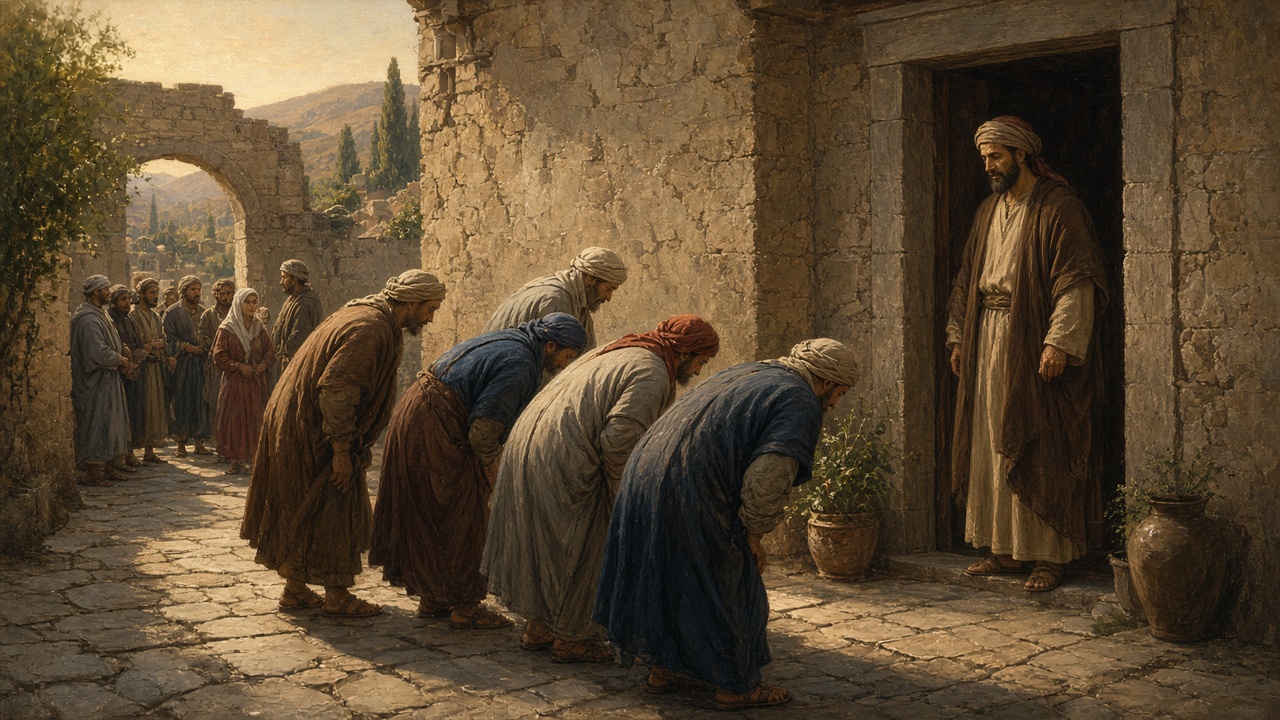
Did you know?
Living Stones and a Chosen People
- This chapter quotes Scripture about a chosen and precious cornerstone laid in Zion: the one who believes in him will never be put to shame. Zion was the south-eastern hill of Jerusalem, one of the heights on which the city was built, surrounded on every side except the north by deep valleys.Sources: the Bible text itself · Zion
- David took Zion from the Jebusites, built a citadel and a palace there, and the hill became known as the city of David. The letter uses that place-name when it quotes Scripture about a cornerstone laid in Zion, and it pictures the readers as living stones being built into a spiritual house and a holy priesthood.Sources: Zion · the Bible text itself
- The chapter urges submission, for the Lord’s sake, to every human institution—to the king as supreme authority and to governors sent to punish wrong and praise what is right. It tells servants to respect even unreasonable masters, and it holds up Christ’s suffering, without sin, deceit, threats, or retaliation, as the pattern for enduring unjust pain.Sources: the Bible text itself
Notes written with AI assistance from open sources (Theographic Bible Metadata, CC BY-SA 4.0; Easton’s Bible Dictionary, public domain) and reviewed before publishing.
Places in this chapter
- Zion · Today: Jerusalem · 31.777, 35.234 · verse 6
Only places identified with high confidence are shown (90% or more according to the scholarly sources compiled by OpenBible). Period map: DARE (Digital Atlas of the Roman Empire), CC BY 4.0; modern map: © OpenStreetMap contributors; places: OpenBible.info (CC BY 4.0).
Credits and license for this translation
Hmooh hmëë he- ga-jmee Jesucristo; Salmos
New Testament and Psalms in Chinantec, Ozumacín (MX:chz:Chinantec, Ozumacín)
copyright © 2003 Wycliffe Bible Translators, Inc.
Language: Chinantec, Ozumacín
Translation by: Wycliffe Bible Translators, Inc.
Chinanteco, Ozumacín [chz], Mexico
Copyright Information
© 2003, Wycliffe Bible Translators, Inc.
This translation text is made available to you under the
terms of the Creative Commons License: Attribution-Noncommercial-No Derivative Works.
( http://creativecommons.org/licenses/by-nc-nd/3.0/ )
In addition, you have permission to port the text to different file formats, as long as you
do not change any of the text or punctuation of the Bible.
You may share, copy, distribute, transmit, and extract portions
or quotations from this work, provided that you include the above copyright
information:
You must give Attribution to the work.
You do not sell this work for a profit.
You do not make any derivative works that change any of the actual words or punctuation of the Scriptures.
Permissions beyond the scope of this license may be
available if you contact
us with your request.
The New Testament and Psalms
in Chinantec, Ozumacín
© 2003, Wycliffe Bible Translators, Inc.
This translation is made available to you under the terms of the
Creative Commons Attribution-Noncommercial-No Derivatives license 4.0.
You may share and redistribute this Bible translation or extracts from it in any format, provided that:
You include the above copyright and source information.
You do not sell this work for a profit.
You do not change any of the words or punctuation of the Scriptures.
Pictures included with Scriptures and other documents on this site are licensed just for use with those Scriptures and documents.
For other uses, please contact the respective copyright owners.
2014-04-22
Source: http://ebible.org/chzNTps/ · eBible.org