1 John 3
Hmooh hmëë he- ga-jmee Jesucristo; Salmos · Tap a verse to see its cross-references.
Hi̱ˉ la̱a̱ꜗ jo̱o̱ꜘ Dio
1Jëëˋ daˊ hnähꜘ haˉ ko̱hꜘ saꜙ hnääꜗ Tääˋ jneˊ, läꜙji̱i̱hˈ maˉmiˉche̱e̱yˉ jneˊ jo̱o̱yꜘ. Heˉja̱ˉ, dsaˉ jmɨˉgyʉʉꜙ saꜙ kyu̱u̱ꜙ jneˊ, jëëhꜘ saꜙ gaꜙläꜙkyu̱u̱yꜙ hñiiꜘ Dio. 2Ø̱ø̱hnꜗ hi̱ˉ hnaanꜙ, naꜗ maˉla̱a̱ꜗ jneˊ jo̱o̱ꜘ Dio. Saꜙ gaˊ maˉñeˊ jneˊ haˉ läꜙ le̱e̱ꜘ jneˊ. Pero ñeˊ baˊ jneˊ, waˊraˉ gaꜙtëꜘ jeeˊ läꜙjnääꜘ Jesucristo, le̱e̱ꜘ jneˊ läꜙko̱o̱ˉ la̱a̱yꜗ hñiiyꜘ, jëëhꜘ maˊja̱ˉ jë̱ë̱ˊ jnihꜘ naˉhñaaˈ läꜙjë̱ë̱ˉ läꜙko̱o̱ˉ la̱a̱yꜗ hñiiyꜘ. 3Hiꜙ gaꜙläꜙjë̱ë̱ꜙ hi̱ˉ chaˉ oˉjø̱hꜙ dsëˉ kihꜗ heˉ le̱e̱yꜘ kweeˉ kya̱a̱yhˊ, hi̱ˉ heꜘ naˉ, ngooꜗ miˉllu̱u̱yꜗ hñiiyꜘ chaˉgaˊmiihˉ läꜙji̱i̱hˈ le̱e̱yꜘ naˉjngëëyˈ läꜙko̱o̱ˉ naˉjngëëˈ hñiiꜘ Jesús.
4Läꜙjë̱ë̱ꜙ hi̱ˉ jmeeꜙ dsoˊkyeˉ, hlä̱ä̱yhˉ chaˊnëˊ ley kihꜗ Dio. Jëëhꜘ hi̱ˉ jmeeꜙ dsoˊkyeˉ naˉ, saꜙ miˉteyꜗ kihꜗ ley. 5Maˉñehˊ baˊ hnähꜘ, jaꜗ Jesús mahꜗ jñuuyhꜗ dsoˊkyeˉ jnänˋ. Hi̱ˉ heꜘ niꜙ miihˉ dsoˊkyeˉ saꜙ gaꜙläꜙchaꜙ kiyhꜗ. 6Läꜙjë̱ë̱ꜙ hi̱ˉ tä̱ä̱hˊ kya̱a̱yhˊ, saꜙ jmeeyꜙ dsoˊkyeˉ. Pero läꜙjë̱ë̱ꜙ hi̱ˉ jmeeꜙ dsoˊkyeˉ, saꜙ gaˊ maˉjë̱ë̱yꜙ niꜙ saꜙ gaˊ maˉläˉkyu̱u̱yꜙ. 7Gyʉ̱ʉ̱ˉ kya̱a̱nꜙ, taꜙ kwaˉ hnähꜘ jwëˈ kihꜗ niꜙ ja̱a̱ˉ mahꜗ miˉga̱a̱yꜙ hnähꜘ. Hi̱ˉ jmeeꜙ maꜙlaꜙ heˉ lluꜗ jmahꜗ, hi̱ˉ heꜘ baˊ llu̱u̱ˈ, läꜙko̱o̱ˉ llu̱u̱ꜗ hñiiꜘ Cristo. 8Pero hi̱ˉ gaꜙnääˊ jmeeꜙ dsoˊkyeˉ, la̱a̱ꜗ kya̱a̱ꜗ hi̱ˉsaꜙllu̱ꜗ, jëëhꜘ hi̱ˉsaꜙllu̱ꜗ gaꜙløøꜗ jmeeꜙ heˉ hlɨɨhˈ läꜙ maˊ toˉnëˊ. Heˉja̱ˉ jaꜗ Jo̱o̱ꜘ Dio mahꜗ he̱e̱yꜗ taˊ kihˈ hi̱ˉsaꜙllu̱ꜗ.
9Läꜙjë̱ë̱ꜙ hi̱ˉ la̱a̱ꜗ kya̱a̱ꜗ Dio saꜙ jmeeyꜙ dsoˊkyeˉ, jëëhꜘ läꜙ maˉla̱a̱yꜗ ja̱ˉbaˊ saˊju̱ˉ kihꜗ Dio. Saꜙ leꜘ jmeeyꜙ dsoˊkyeˉ, kihꜗ heˉ la̱a̱yꜗ kya̱a̱ꜗ Dio. 10Jeeˊ laˉ dsaˉläˉjnäꜘ hi̱i̱ˉ la̱a̱ꜗ jo̱o̱ꜘ Dio hiꜙ hi̱i̱ˉ la̱a̱ꜗ jo̱o̱ꜘ hi̱ˉsaꜙllu̱ꜗ. Gaꜙläꜙjë̱ë̱ꜙ hi̱ˉ saꜙ jmeeꜙ heˉ lluꜗ, hiꜙ saꜙ hnääyꜗ ø̱ø̱yhꜚ, saꜙ la̱a̱yꜗ kya̱a̱ꜗ Dio.
Waˊ hnääꜙ jneˊ läꜙja̱a̱ˉ läꜙja̱a̱ˉ dsaˉkya̱a̱hnˊ
11Juuˈ laˉ, heˉ gaꜙnʉʉhˉ hnähꜘ läꜙ maˊ toˉnëˊ: Waˊ hnääꜙ jneˊ läꜙja̱a̱ˉ läꜙja̱a̱ˉ dsaˉkya̱a̱hnˊ. 12Taꜙ jmeeˉ hnähꜘ läꜙko̱o̱ˉ gaꜙjmeeꜘ Caín hi̱ˉ maˊ la̱a̱ˈ kya̱a̱ꜗ hi̱ˉsaꜙllu̱ꜗ mahꜗ gaꜙjngëëyhꜗ ø̱ø̱yhꜚ. ¿Heeˉ kihꜗ ja̱ˉ heˉ gaꜙjngëëyhꜗ ø̱ø̱yhꜚ? Gaꜙjngëëyhꜗ, kihꜗ läꜙjëꜙ heˉ maˊ jmeeyꜙ maˊ laˈ taˊ hlɨɨhˈ baˊ, hiꜙ taˊ kihˈ ø̱ø̱yhꜚ maˊ laˈ taˊ lluˈ jmahꜗ.
13Hnähꜘ ø̱ø̱hnꜗ, taꜙ jmeeˉ hnähꜘ dsa̱a̱˜ hohꜘ cherˊmahꜗ naˉhøøhˊ dsaˉ kyahꜗ hnähꜘ. 14Kihꜗ heˉ hnääꜙ jneˊ ø̱ø̱hꜗ jneˊ, heˉja̱ˉ maˉñeˊ jneˊ maˉtë̱ë̱hꜗ jneˊ jeeˊ cha̱a̱ˉ jneˊ tä̱ä̱ꜘ llaꜚ heˉ maˊ ju̱u̱ꜘ jneˊ. Pero hi̱ˉ saꜙ hnääꜗ ø̱ø̱hꜚ, läꜙ maˉnaˉju̱u̱yˊ ja̱ˉbaˊ. 15Läꜙjë̱ë̱ꜙ hi̱ˉ naˉhä̱ä̱hˊ ø̱ø̱hꜚ, la̱a̱yꜗ läꜙko̱o̱ˉ ja̱a̱ˉ hi̱ˉ jngëëhꜙ dsaˉ. Maˉñehˊ baˊ hnähꜘ, niꜙ ja̱a̱ˉ hi̱ˉ jngëëhꜙ dsaˉ, saꜙ naˊjnääyꜘ kihꜗ Dio. 16Maˉñeˊ baˊ jneˊ heeˉ ja̱ˉ heˉ hnääꜙ jneˊ ø̱ø̱hnꜗ. Jëëhꜘ, Jesucristo gaꜙngëëꜗ hñiiꜘ gaꜙju̱u̱ꜗ jnäˋ jneˊ. Ja̱ˉbaˊ läꜙja̱ˉ jneˊ kaˉlähꜘ, ä̱ä̱ˉ jmɨɨˊ kwa̱a̱ˊ jneˊ hñaanˈ mahꜗ ju̱u̱ꜘ jneˊ kihˈ ø̱ø̱hnꜗ. 17Hi̱ˉ maˉchaˉ kihꜗ jmɨˉgyʉʉꜙ laˉ, mahꜗ saꜙ kwayꜙ niꜙ miihˉ läꜙ maˊ llaˉkya̱a̱ꜗ ø̱ø̱yhꜚ, haˉ läꜙja̱ˉ jäyhꜙ hnääꜗ bihꜗ Dio mahꜗ saꜙ hnääyꜗ ø̱ø̱yhꜚ. 18Gyʉ̱ʉ̱ˉ kya̱a̱nꜙ, saꜙ jmääꜗ jnänˋ heˉ hnääꜙ jneˊ dsaˉkya̱a̱hnˊ kya̱a̱hˊ juuˈ taꜙjmahꜗ. Hnøøꜗ kwanˊ läꜙka̱a̱ˉ tuhˉdsëˉ jneˊ heˉ jmeeꜙ biiꜗ kiyhꜗ, ja̱ꜙ ko̱o̱ˉ jmeenˊ baˊ.
19Hehꜗ läꜙja̱ˉ ñeˊ jneˊ heˉ tøøhnˊ kya̱a̱hˊ juˈdsooꜘ hiꜙ moꜙsoꜙ hnɨɨ˜ gaˊ hʉʉˊdsëˉ jnänˋ chaˊnëˊ Dio. 20Pero cherˊmahꜗ hnɨɨ˜ gaˊ hʉʉˊdsëˉ jnänˋ, haˉ gaˊ saꜙ ñeˉ Dio hi̱ˉ jë̱ë̱˜ jneˊ. Gaꜙläꜙjëꜙ goˉte˜ baˊ ñeyˉ. 21Ø̱ø̱hnꜗ hi̱ˉ hnaanꜙ, cherˊmahꜗ maˉnaˉjngɨɨˈ hʉʉˊdsëˉ jnänˋ, maˉchaˉ baˊ oˉjø̱hꜙ dsëˉ jnänˋ kya̱a̱hˊ Dio. 22Hiꜙ waˊ heˉ chaˉ heˉ heˉ ngɨɨnˊ kihˈ Dio, hñahꜙ baˊ jneˊ, jëëhꜘ høøˉ baˊ jneˊ nʉʉhꜚ kiyhꜗ hiꜙ jmeeˉ baˊ jneˊ läꜙjëꜙ heˉ tɨh˜ dsëyꜗ. 23Heˉ laˉ ja̱ˉ nʉʉhꜚ kiyhꜗ: Heˉ jmeenˊ dsooꜘ dsëˉ jneˊ kihˈ jo̱o̱yꜘ Jesucristo, hiꜙ heˉ hnääꜙ jneˊ dsaˉkya̱a̱hnˊ läꜙko̱o̱ˉ madaꜚ heˉ gaꜙjmeeyꜘ jnänˋ. 24Hi̱ˉ høøꜙ läꜙjëꜙ madaꜚ kiyhꜗ, cha̱a̱ˉ bihꜗ kya̱a̱hˊ Dio, hiꜙ Dio kya̱a̱yhˊ kaˉlähꜘ. Taꜙlaꜙ kihꜗ jmɨˉlleꜘ heˉ gaꜙkwëëyhꜗ jneˊ, heˉja̱ˉ baˊ naˉ ñeˊ jneˊ Dio kya̱a̱hˊ jneˊ.
Did you know?
Children of God and brotherly love
- The warning not to be like Cain recalls Adam and Eve's firstborn, a tiller of the ground, whose brother Abel followed a pastoral life. They presented offerings: Abel's, of the firstlings and the fat of his flock, was accepted as more excellent, and Cain, whose offering was of the fruit of the ground, became very angry. The letter says Cain belonged to the evil one and murdered Abel because his own deeds were evil and his brother's were righteous.Sources: Cain · the Bible text itself
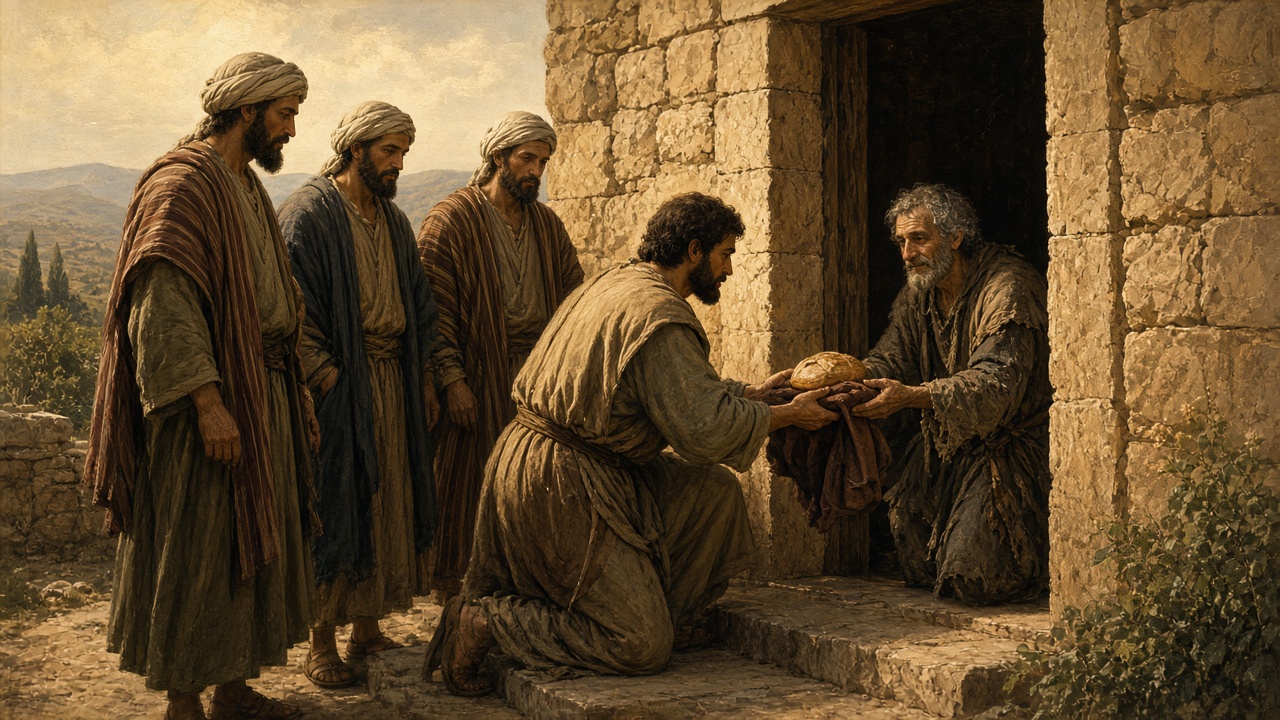
- In this chapter, hating a brother is treated as murder: everyone who hates his brother is a murderer, and eternal life does not reside in a murderer. Love is known because Jesus laid down his life for us, and the readers are told they ought to lay down their lives for their brothers.Sources: the Bible text itself
- The children of God are distinguished from the children of the devil by practicing righteousness and by loving one's brother. The message heard from the beginning is that we should love one another, and God's commandment is to believe in the name of his Son, Jesus Christ, and to love one another as he commanded.Sources: the Bible text itself
Notes written with AI assistance from open sources (Theographic Bible Metadata, CC BY-SA 4.0; Easton’s Bible Dictionary, public domain) and reviewed before publishing.
Credits and license for this translation
Hmooh hmëë he- ga-jmee Jesucristo; Salmos
New Testament and Psalms in Chinantec, Ozumacín (MX:chz:Chinantec, Ozumacín)
copyright © 2003 Wycliffe Bible Translators, Inc.
Language: Chinantec, Ozumacín
Translation by: Wycliffe Bible Translators, Inc.
Chinanteco, Ozumacín [chz], Mexico
Copyright Information
© 2003, Wycliffe Bible Translators, Inc.
This translation text is made available to you under the
terms of the Creative Commons License: Attribution-Noncommercial-No Derivative Works.
( http://creativecommons.org/licenses/by-nc-nd/3.0/ )
In addition, you have permission to port the text to different file formats, as long as you
do not change any of the text or punctuation of the Bible.
You may share, copy, distribute, transmit, and extract portions
or quotations from this work, provided that you include the above copyright
information:
You must give Attribution to the work.
You do not sell this work for a profit.
You do not make any derivative works that change any of the actual words or punctuation of the Scriptures.
Permissions beyond the scope of this license may be
available if you contact
us with your request.
The New Testament and Psalms
in Chinantec, Ozumacín
© 2003, Wycliffe Bible Translators, Inc.
This translation is made available to you under the terms of the
Creative Commons Attribution-Noncommercial-No Derivatives license 4.0.
You may share and redistribute this Bible translation or extracts from it in any format, provided that:
You include the above copyright and source information.
You do not sell this work for a profit.
You do not change any of the words or punctuation of the Scriptures.
Pictures included with Scriptures and other documents on this site are licensed just for use with those Scriptures and documents.
For other uses, please contact the respective copyright owners.
2014-04-22
Source: http://ebible.org/chzNTps/ · eBible.org