Psalms 42
Paipel · Tap a verse to see its cross-references.
ARUUEN PUK
Positi Kot
Ngeni ewe mi emweni chon köl: Echö än nöün Kora kewe mwän kölün kait.
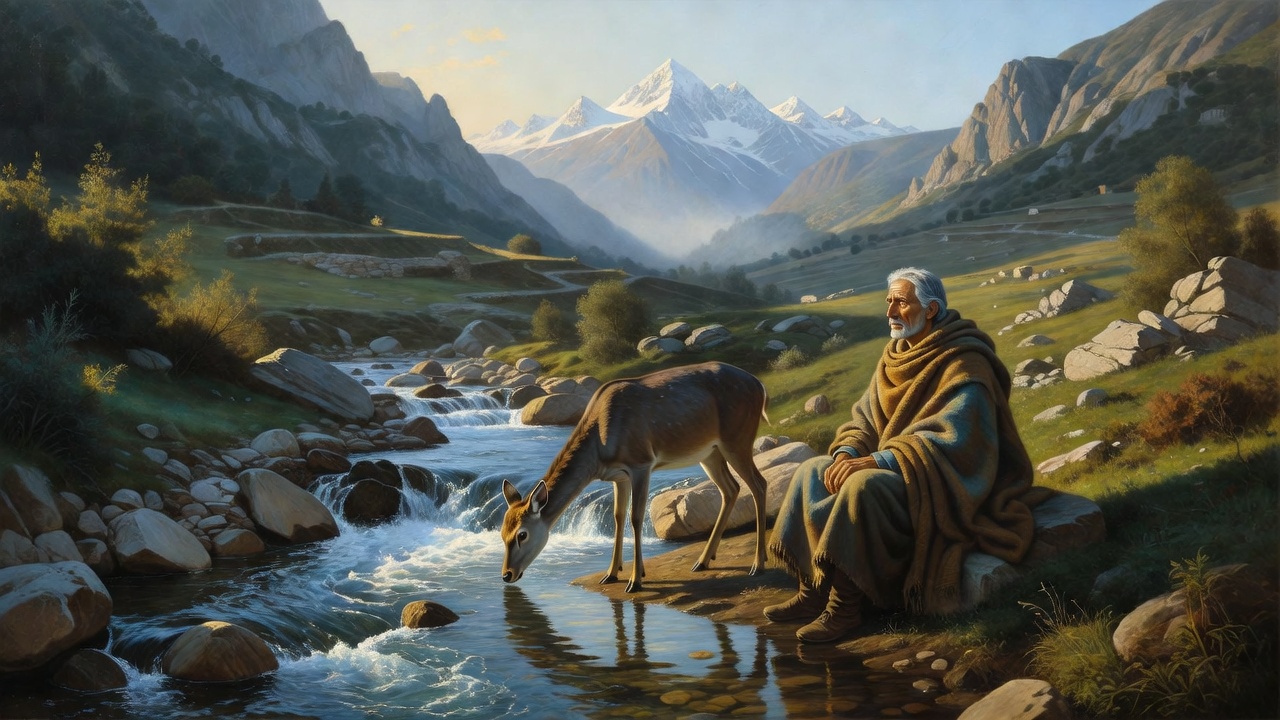
1Usun eman chia a positi lölön chanpupu,
iei usun ngang üa posituk, ai Kot.
2Üa fokun posituk, en ai Kot mi manau.
Inet üpwe tongeni feila o nenengeni mesom?
3Chönün mesei a fisitiu pwe enei mongö lerän me lepwin,
pun aramas ra aispat ngeniei, “Ifa i om we Kot?”
4Lelukei a tatakis, lupwen üa chechemeni ekei mettoch:
Usun üa eti ewe mwicheichen aramas
o emweniir lon och tettel le feila ngeni ewe imwen Kot,
eu mwichemongun aramas mi mweireiren pwapwa me kölün kilisou.
5Ngüni, pwota ka letipengau,
pwota ka ngüngü me loi?
Üpwe apilükülükü Kot,
pun üpwe mwareitisefäli i,
ai Chon Amanau me ai Kot.
6Ngüni a letipengau me loi. Iei mine üa chechemenuk
seni ewe fanü pekilan ewe chanpupu Jortan,
seni ewe chuk Hermon me ewe chuk Misar.
7Eu lenien alolol a kökkörato pwal eu lenien alolol,
lupwen om kewe koluk mi putiu ra püngümong.
Om kewe no meinisin me om kewe nolapalap ra pwölüeila.
8Lerän ewe Samol mi Lapalap a pwärawu an tong ellet,
nge lepwin üa eäni echö an köl,
üa iotek ngeni ewe Kot mi ngeniei manau.
9Üa kapas ngeni Kot ai achau,
“Pwota ka manlükieila?
Pwota üa chök ngüngüres
pokiten ai riaföü ren chon oputaei?”
10Usun chök nge chüi ra kup,
lupwen chon ü ngeniei ra ämängauaei ren ar aispat ngeniei,
“Ifa i om we Kot?”
11Ngüni, pwota ka letipengau,
pwota ka ngüngü me loi?
Üpwe apilükülükü Kot,
pun üpwe mwareitisefäli i
ai Chon Amanau me ai Kot.
Did you know?
Thirsting for God Far from Home
- The psalm is introduced as a song of the sons of Korah, a Levitical family descended from the Levite Korah who took part in temple music and worship.Sources: the Bible text itself · Korah (Levite)
- The speaker longs for God from the northern borderlands, mentioning the Jordan, Mount Hermon, and Mount Mizar. Hermon is a towering range with multiple peaks reaching over 9,000 feet, while Mizar (meaning 'smallness') represents a lesser neighboring summit.Sources: the Bible text itself · Hermon · Hill Mizar
- The poem uses vivid water metaphors, moving from a thirsty deer longing for mountain streams to roaring waterfalls and crashing waves that symbolize overwhelming emotional distress.Sources: the Bible text itself
Notes written with AI assistance from open sources (Theographic Bible Metadata, CC BY-SA 4.0; Easton’s Bible Dictionary, public domain) and reviewed before publishing.
Places in this chapter
Only places identified with high confidence are shown (90% or more according to the scholarly sources compiled by OpenBible). Period map: DARE (Digital Atlas of the Roman Empire), CC BY 4.0; modern map: © OpenStreetMap contributors; places: OpenBible.info (CC BY 4.0).
Credits and license for this translation
Paipel
The Holy Bible in the Chuukese language of the Federated States of Micronesia
copyright © 1984, 1989, 1991, 2001 Liebenzel Mission
Language: Chuukese
Translation by: Liebenzell Mission
Old Testament © 1989, 2001 Liebenzel Mission
New Testament © 1984, 1991 Liebenzel Mission
This translation is made available to you under the terms of the
Creative Commons Attribution-No Derivatives license 4.0.
You may share and redistribute this Bible translation or extracts from it in any format, provided that:
You include the above copyright and source information.
You do not make any derivative works that change any of the actual words or punctuation of the Scriptures.
Pictures included with Scriptures and other documents on this site are licensed just for use with those Scriptures and documents.
For other uses, please contact the respective copyright owners.
2024-01-24
Source: http://ebible.org/chk/ · eBible.org