Psalms 39
Paipel · Tap a verse to see its cross-references.
Manauen aramas a mochomoch
Ngeni ewe mi emweni chon köl: ngeni Jetutun. Echö än Tafit köl.
1Üa apasa, “Üpwe püsin tümwünüei ren mine üa föri,
üsap pwal mwüt ngeni chönawei pwe epwe apasa och mine üa tipis ren.
Üpwe pinei awei
lon ükükün fansoun än ekewe aramasangau nom rei.”
2Üa mosonoson o fanafanala,
üsap mwo nge apasa och mi mürina.
Nge ai riaföü a chök wattela.
3Üa fokun lolilen.
Iwe, lupwen üa ekinlon,
ai riaföü a chök lapala.
Mürin, üa kapas.
4“Ai Samol mi Lapalap, kopwe asile ngeniei sopolan manauei,
pwal ükükün langatamen ränin manauei.
Kopwe asile ngeniei müttirin än manauei sü seniei.
5Nengeni, ka föri pwe tamen ränin manauei ra chök usun tamen
ekoch chöchön lon pau.
Fansoun manauei a usun chök nge esor me fän mesom.
Ellet, iteiten aramas mi nom won ei fanüfan ra usun chök eu enienin asepwäl.
6Ellet, aramas ra usun chök ngünüen mettoch.
Meinisin mine ra anganga esap wor lomotan.
Aramas ra achukuchukätä wöür, nge resap silei iö epwe angei me mürin.
7Ai Samol, met üpwe tongeni ösüküsükü iei?
Ai apilükülük a nom womw.
8Kopwe amanauaei seni ai tipis meinisin.
Kosap mwüt ngeni ekewe chon umwes pwe repwe turunufaseei.
9Üa fanafanala, üsap tongeni kapas,
pun en ewe mi atolongaei lon ei riaföü.
10Kose mochen kosap chüen ninniei.
Üa arap ngeni mäla ren om wichiei.
11Lupwen ka apwüngü eman aramas ren om fönöü pokiten an tipis,
ka ataela mettochun meinisin mi aüchea ngeni, usun pwötür ra enala mettoch.
Ellet, iteiten aramas ra usun chök eu enienin asepwäl.
12Ai Samol mi Lapalap, kopwe aüselinga ai iotek,
kopwe aü selingom ngeni ai siö.
Kosap fanafanala, lupwen üa kechü.
Pun ngang üa chök eman wasöla reöm,
üa eman chon siamü usun ai kewe lewo meinisin.
13Kopwe nenne seniei pwe üpwe tongeni pwapwa
me mwen ai üpwe mäla, nge üsap chüen nom.”
Did you know?
The Frailty and Fleeting Nature of Human Life
- The superscription dedicates this composition to the choirmaster and to Jeduthun, attributing the prayer to David.Sources: the Bible text itself · David
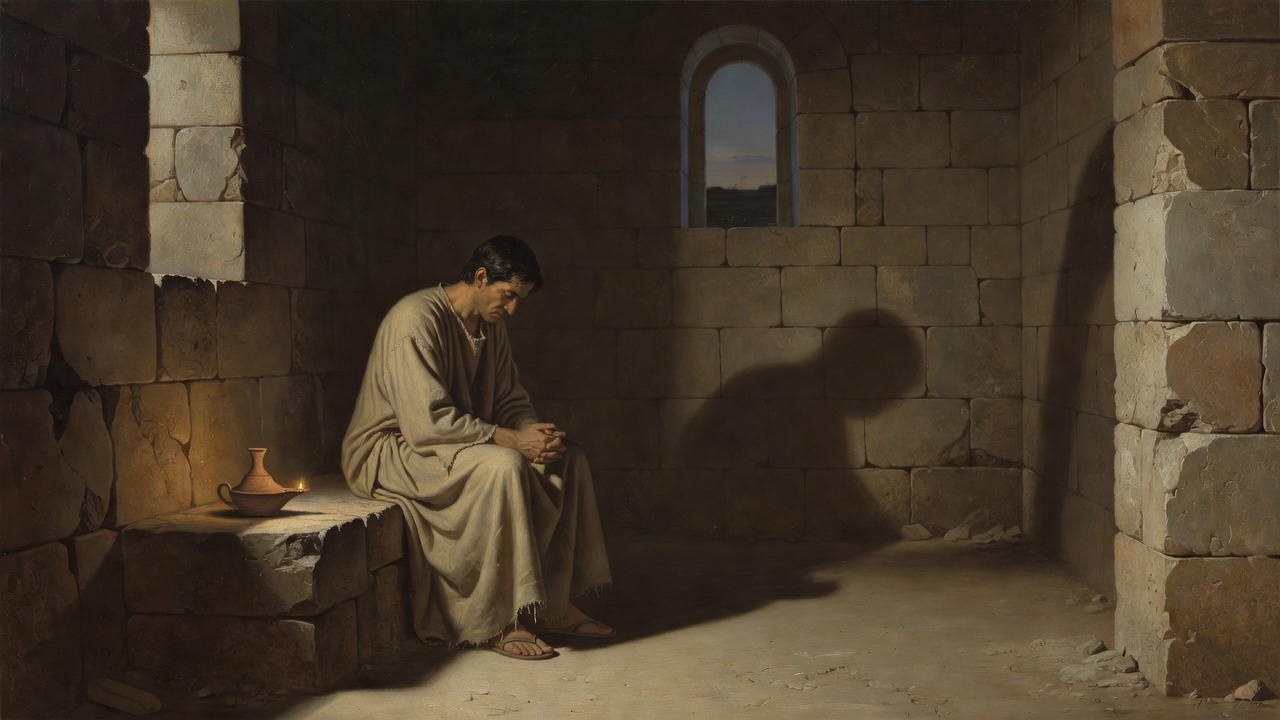
- The psalm illustrates the brevity of human existence by describing human life as merely a handbreadth—an ancient unit of measurement based on the width of the palm—and as a passing breath or shadow.Sources: the Bible text itself
- The speaker identifies as a foreigner and a temporary guest dwelling with God, reflecting an attitude of complete dependence on divine mercy and hospitality.Sources: the Bible text itself
Notes written with AI assistance from open sources (Theographic Bible Metadata, CC BY-SA 4.0; Easton’s Bible Dictionary, public domain) and reviewed before publishing.
Credits and license for this translation
Paipel
The Holy Bible in the Chuukese language of the Federated States of Micronesia
copyright © 1984, 1989, 1991, 2001 Liebenzel Mission
Language: Chuukese
Translation by: Liebenzell Mission
Old Testament © 1989, 2001 Liebenzel Mission
New Testament © 1984, 1991 Liebenzel Mission
This translation is made available to you under the terms of the
Creative Commons Attribution-No Derivatives license 4.0.
You may share and redistribute this Bible translation or extracts from it in any format, provided that:
You include the above copyright and source information.
You do not make any derivative works that change any of the actual words or punctuation of the Scriptures.
Pictures included with Scriptures and other documents on this site are licensed just for use with those Scriptures and documents.
For other uses, please contact the respective copyright owners.
2024-01-24
Source: http://ebible.org/chk/ · eBible.org