Psalms 27
Paipel · Tap a verse to see its cross-references.
Kot ai saram me ai manau
Echö än Tafit köl.
1Ewe Samol mi Lapalap i ai saram me ai Chon Amanau.
Üsap niueiti eman.
Ewe Samol mi Lapalap a tümwünüei seni feiengau,
üsap fokun niuokus.
2Lupwen aramasangau ra rangetiei pwe repwe nieila,
lupwen chon ü ngeniei ra fiu ngeniei,
repwe chök chepetek o turula.
3Inamwo are eu mwichen sounfiu repwe pwelifeiliei,
ngang üsap niuokus.
Inamwo are ra maun ngeniei,
nge ai lükü Kot epwe chök nüküchar.
4Eu mettoch üa tüngorei ewe Samol mi Lapalap,
eu mettoch chök üa mochen:
Pwe üpwe nonom lon imwen ewe Samol mi Lapalap lon ränin manauei meinisin,
pwe üpwe ingeiti an kirikiröch
o kütta öüröürei me ren me lon imwan imwenfel.
5Pun lon fansoun weires i epwe aopaei.
I epwe tümwünüei me lon imwan imwenfel,
epwe pwal atekiaeitä won eu achau.
6Mürin üpwe chimwetä o nom asen ekewe chon oputaei mi pwelifeilei,
üpwe asor lon imwan fän mweireiren pwapwa.
Üpwe köl o ettiki pisekin ettik ngeni ewe Samol mi Lapalap.
7Ai Samol mi Lapalap, kopwe aüselinga ai siö ngonuk.
Kopwe ümöümöch ngeniei o pälüeniei.
8En ka apasa, “Oupwe küttaei.”
Nge ngang üa pälüeni, “Üa küttok, ai Samol mi Lapalap.”
9Kosap aopa mesom seniei.
Kosap aliwini noum ei chon angang lon om song,
pun en ai chon alilis.
Kosap pöütieila, kosap pwal likitieila,
Ai Kot, ai Chon Amanau.
10Inamwo ika semei me inei ra likitieila,
nge ewe Samol mi Lapalap epwe tümwünüei.
11Ai Samol mi Lapalap, kopwe aiti ngeniei mine üpwe föri
o emweniei won efoch al mi wenechar
pokiten chon oputaei.
12Kosap asechieilong lepöün chon pälüeniei.
Pun chon pwärätä chofana ra ü ngeniei,
ra tiliken le föri föförün mwäneson ngeniei.
13Nge ngang üa lükü pwe ewe Samol mi Lapalap epwe kirikiröch ngeniei
lon fansoun ai manau won fanüfan.
14Kopwe apilükülükü ewe Samol mi Lapalap,
kopwe pöchökül o tipepwora.
Ewer, kopwe apilükülükü ewe Samol mi Lapalap.
Did you know?
Confidence in God's Protection and Presence
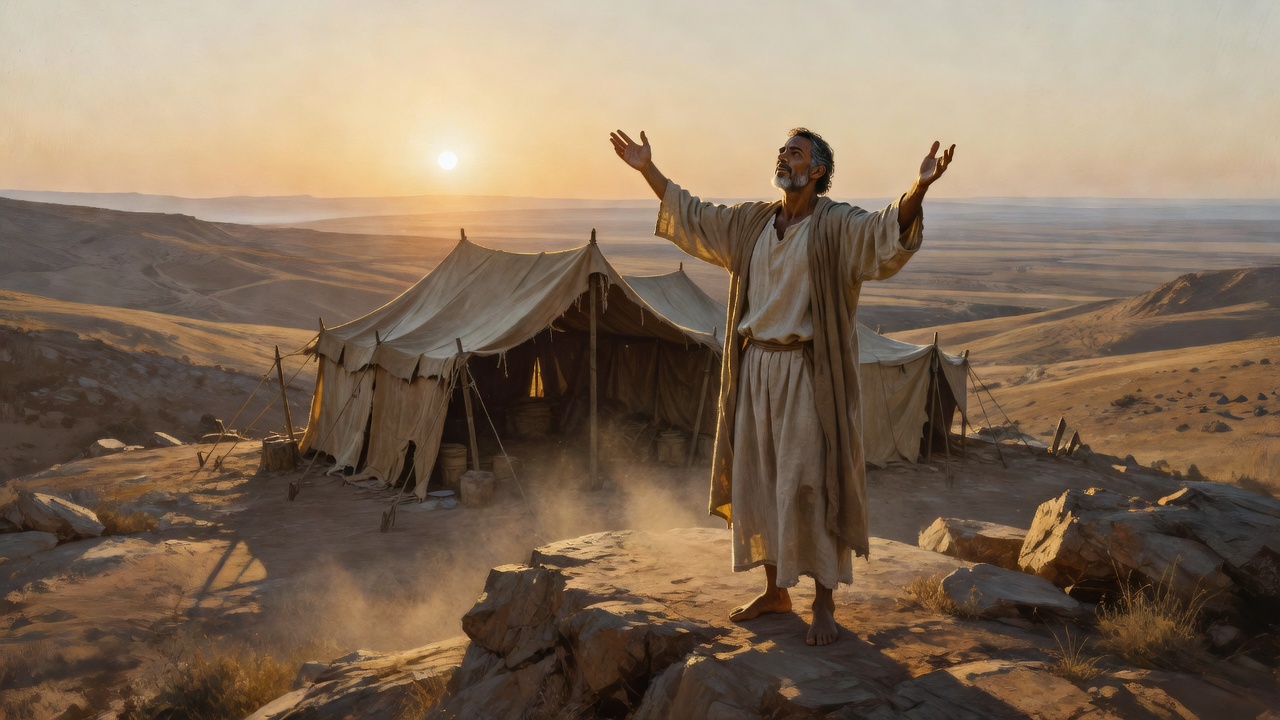
- The psalm repeatedly associates divine security with sacred space, portraying God's presence as a shelter, a tent, and a house where the worshiper can gaze upon God's beauty and offer joyful sacrifices with music.Sources: the Bible text itself
- The threats described range from besieging armies and violent warfare to personal legal peril, specifically false witnesses who rise up breathing violence against the psalmist.Sources: the Bible text itself
- The expression to seek God's face is central to the psalmist's plea, representing a desire for direct relational communion and favor rather than divine concealment or abandonment.Sources: the Bible text itself
Notes written with AI assistance from open sources (Theographic Bible Metadata, CC BY-SA 4.0; Easton’s Bible Dictionary, public domain) and reviewed before publishing.
Credits and license for this translation
Paipel
The Holy Bible in the Chuukese language of the Federated States of Micronesia
copyright © 1984, 1989, 1991, 2001 Liebenzel Mission
Language: Chuukese
Translation by: Liebenzell Mission
Old Testament © 1989, 2001 Liebenzel Mission
New Testament © 1984, 1991 Liebenzel Mission
This translation is made available to you under the terms of the
Creative Commons Attribution-No Derivatives license 4.0.
You may share and redistribute this Bible translation or extracts from it in any format, provided that:
You include the above copyright and source information.
You do not make any derivative works that change any of the actual words or punctuation of the Scriptures.
Pictures included with Scriptures and other documents on this site are licensed just for use with those Scriptures and documents.
For other uses, please contact the respective copyright owners.
2024-01-24
Source: http://ebible.org/chk/ · eBible.org