Psalms 148
Paipel · Tap a verse to see its cross-references.
Förien Kot meinisin ra angei föneer pwe repwe mwareiti i
1Ousipwe mwareiti ewe Samol mi Lapalap.
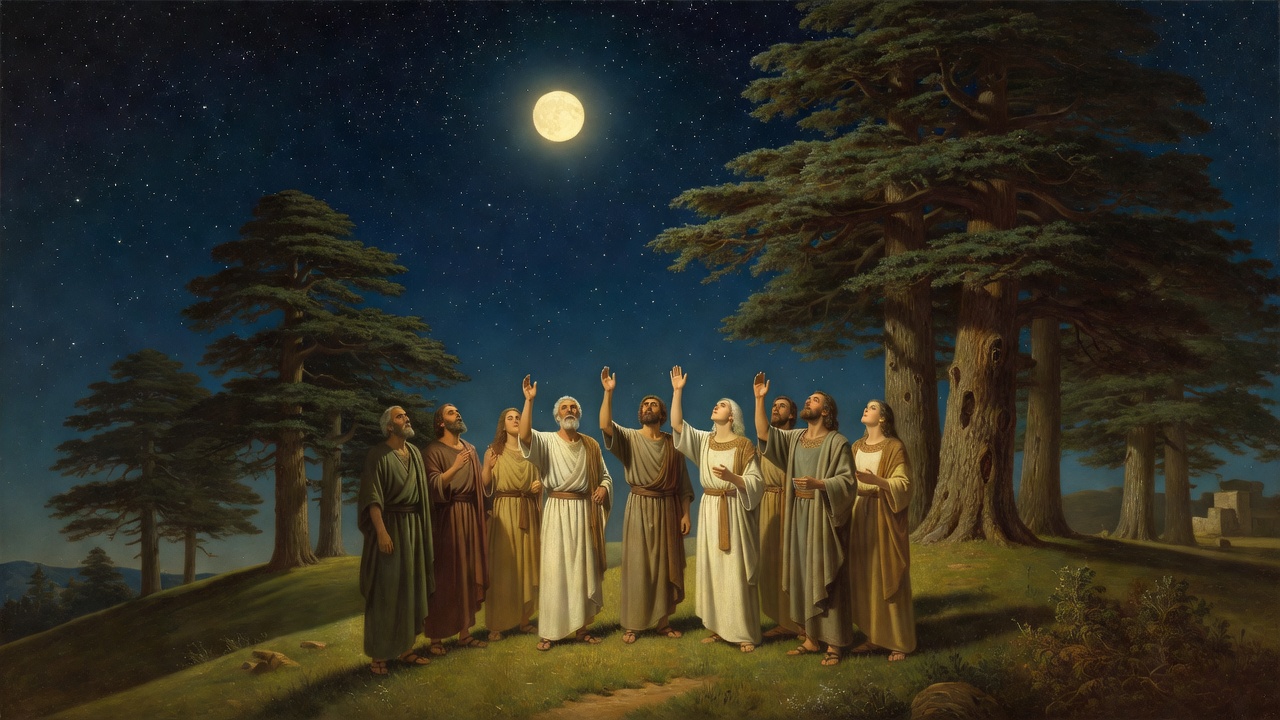
Oupwe mwareiti ewe Samol mi Lapalap seni won läng,
oupwe mwareiti i me won ekewe leni tekia.
2Oupwe mwareiti i, ämi nöün chon läng meinisin.
Oupwe mwareiti i, ämi nöün mwichen sounfiun läng meinisin.
3Oupwe mwareiti i, ämi akkar me maram,
oupwe mwareiti i, ämi fü meinisin mi tin.
4Oupwe mwareiti i, ämi kewe läng mi fokun tekia,
pwal ämi kewe koluk asen ekewe läng.
5Ir meinisin repwe mwareiti iten ewe Samol mi Lapalap.
Pun i a allük, nge ir ra fisitä.
6Kot a anüküchareer lon lenier pwe repwe nom tori feilfeilachök
ren eu allük esap tongeni tala.
7Oupwe mwareiti ewe Samol mi Lapalap seni won fanüfan,
ämi kewe mönün lematau mi fokun watte me ämi kewe leni mi alolol,
8ämi inefi me ütten fau, sno me kuchu,
pwal mölümöl mi apwönüetä an allük.
9Oupwe mwareiti i, ämi kewe chukutekia me chukutekison meinisin,
ämi kewe irä mi ua me ämi irä setar meinisin,
10ämi manmwacho me manfesir,
ämi mantötö me mansüsü meinisin.
11Oupwe mwareiti i, ämi kewe kingen fanüfan me chon ekewe mwü meinisin,
ämi samol me chon nemenem meinisin won fanüfan,
12ämi alüal me föpwül,
pwal chinlap me semirit.
13Ir meinisin repwe mwareiti iten ewe Samol mi Lapalap,
pun itan a tekia seni it meinisin,
an ling a nom asen fanüfan me läng.
14A apöchöküla mwün nöün aramas.
Iei mine nöün kewe chon pin meinisin ra mwareiti,
ir ekewe aramasen Israel a echeniir.
Ousipwe mwareiti ewe Samol mi Lapalap.
Did you know?
Universal Praise from Heaven and Earth
- Psalm 148 is organized as a comprehensive cosmic inventory, calling every level of creation to praise God. It begins in the heights of the heavens with angels, heavenly hosts, sun, moon, stars, and celestial waters, before moving downward to the earth.Sources: the Bible text itself
- The terrestrial section encompasses meteorology, landscapes, flora, wild and domestic animals, and all segments of human society, ranging from monarchs and princes to young men, maidens, and the elderly.Sources: the Bible text itself
- The hymn concludes its sweeping scope by focusing on God's covenant people, noting that He has raised up a horn for His saints, specifically describing Israel as a people near to Him.Sources: the Bible text itself · Jacob (Israel)
Notes written with AI assistance from open sources (Theographic Bible Metadata, CC BY-SA 4.0; Easton’s Bible Dictionary, public domain) and reviewed before publishing.
Credits and license for this translation
Paipel
The Holy Bible in the Chuukese language of the Federated States of Micronesia
copyright © 1984, 1989, 1991, 2001 Liebenzel Mission
Language: Chuukese
Translation by: Liebenzell Mission
Old Testament © 1989, 2001 Liebenzel Mission
New Testament © 1984, 1991 Liebenzel Mission
This translation is made available to you under the terms of the
Creative Commons Attribution-No Derivatives license 4.0.
You may share and redistribute this Bible translation or extracts from it in any format, provided that:
You include the above copyright and source information.
You do not make any derivative works that change any of the actual words or punctuation of the Scriptures.
Pictures included with Scriptures and other documents on this site are licensed just for use with those Scriptures and documents.
For other uses, please contact the respective copyright owners.
2024-01-24
Source: http://ebible.org/chk/ · eBible.org