Psalms 10
Paipel · Tap a verse to see its cross-references.
Eu iotek pwe aramasangau repwe kuf
1Ai Samol mi Lapalap, pwota ka chök ütä me toau?
Pwota ka okopola lupwen äm nom lon riaföü?
2Ekewe aramasangau ra ariaföüü ekewe chon wöüngau fän lamalamtekia.
Kopwe föri pwe repwe oo lon ekewe ekiekingau ra püsin ekiekitä.
3Ewe aramasangau a sikäsini mochenin lelukan,
nge ewe aramas mi mochenian win a otteki o pöütala ewe Samol mi Lapalap.
4Ewe aramasangau esap kütta Kot.
Lon an lamalamtekia a chök ekieki pwe esap wor Kot.
5Än ewe aramasangau kewe föför meinisin ra chök fisiöch fansoun meinisin.
Esap weweiti om kewe allük,
nge a chök esita chon oputan.
6Iwe, a ekieki lon lelukan, “Üsap tongeni mwökütütküt.
Üpwe pwapwa fansoun meinisin, nge üsap tolong lon osupwang.”
7An kapas a uren ottek, atuputup me eniweniw,
a müttir le apasawu kapasen oput me kapas mi ngau.
8A op lon ekewe sop
o awiti ekewe aramas esap wor ar tipis pwe epwe nirela.
Iwe, a aköürü ekewe chon mwelele,
9a witiwit lon an lenien op usun eman laion.
A öüröürela pwe epwe turufi ekewe chon wöüngau.
A liapeniir me lon an we sär o etekinirela.
10Iwe, ewe chon mwelele a kawet,
a mwörürütiu o turula ren pöchökülen ewe aramasangau.
11Nge ewe aramasangau a ekieki lon lelukan,
“Kot esap ekieki usun, a aopala mesan pwe esap fokun künaei.”
12Ai Samol mi Lapalap, kopwe apwüngü ekei aramasangau.
Kosap manlükala chokewe mi nom lon riaföü.
13Pwota ewe aramasangau a turunufasei Kot o ekieki lon lelukan,
“Kot esap apwüngüei.”
14Nge en ka küna, ewer, ka silei ewe osupwang me riaföü,
ka pwal amolätä om kopwe alilis.
Ewe chon mwelele a atolonga püsin i lepoum,
en ewe ka alisi ekewe mi mäsen fansoun meinisin.
15Kopwe kupi pöchökülen ewe aramasangau me ewe chon föföringau.
Kopwe aunusa ngeniir liwinin ar föföringau
tori resap chüen försefäli.
16Ewe Samol mi Lapalap i king tori feilfeilachök.
Chon ekewe mwü repwe rosola seni fanüan.
17Ai Samol mi Lapalap, kopwe rong än ekewe mi riaföü tüngor,
kopwe apöchöküla leluker
o aü selingom ngeni ar siö.
18Kopwe peni ekewe mi mäsen me ekewe mi riaföü,
pwe aramas mi pop seni fanüfan resap chüen eniwokusu eman.
Did you know?
A Plea for Justice Against the Arrogant
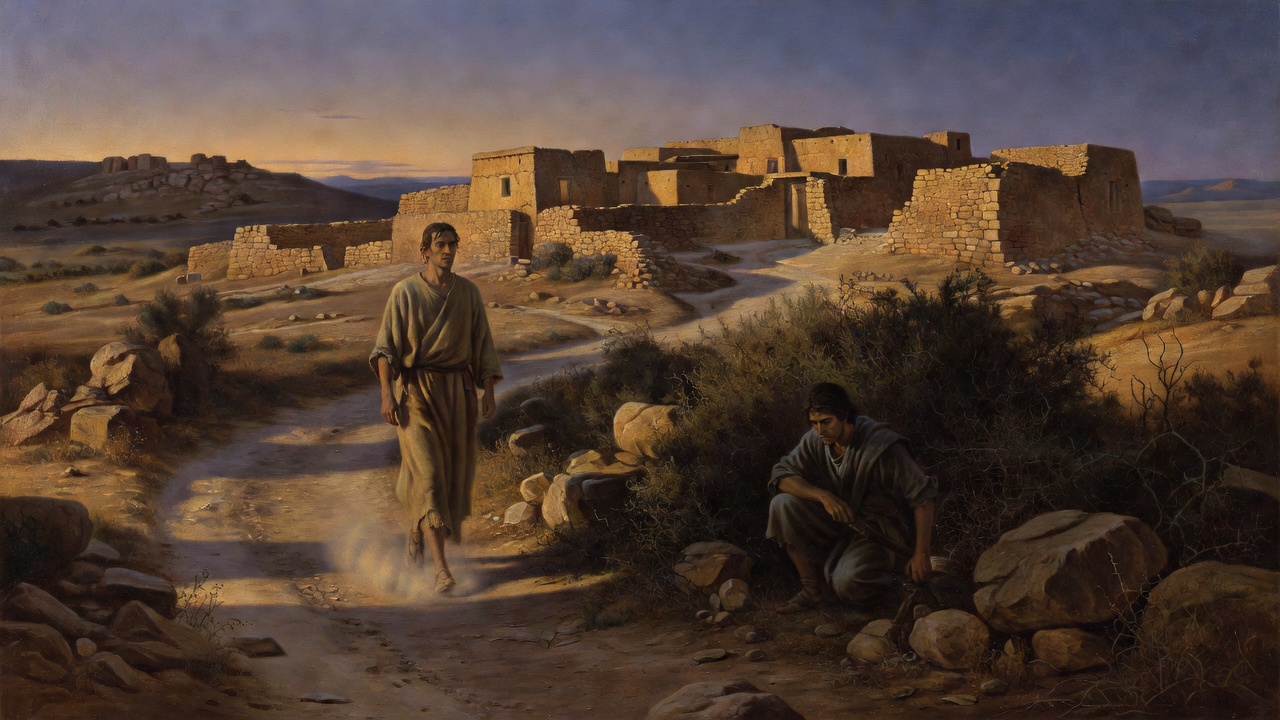
- Psalm 10 describes oppressors using vivid imagery of wilderness predators and hunters, comparing them to a lion waiting in a thicket or laying an ambush outside villages to capture the helpless in a net.Sources: the Bible text itself
- The wicked in this psalm are characterized by their belief in total impunity, falsely assuming that God hides His face, forgets, and will never call them to account for their violence.Sources: the Bible text itself
- In response to social injustice, the psalmist appeals to God specifically as the helper of the fatherless and the defender of the oppressed, calling on Him to break the power of the evildoer.Sources: the Bible text itself
Notes written with AI assistance from open sources (Theographic Bible Metadata, CC BY-SA 4.0; Easton’s Bible Dictionary, public domain) and reviewed before publishing.
Credits and license for this translation
Paipel
The Holy Bible in the Chuukese language of the Federated States of Micronesia
copyright © 1984, 1989, 1991, 2001 Liebenzel Mission
Language: Chuukese
Translation by: Liebenzell Mission
Old Testament © 1989, 2001 Liebenzel Mission
New Testament © 1984, 1991 Liebenzel Mission
This translation is made available to you under the terms of the
Creative Commons Attribution-No Derivatives license 4.0.
You may share and redistribute this Bible translation or extracts from it in any format, provided that:
You include the above copyright and source information.
You do not make any derivative works that change any of the actual words or punctuation of the Scriptures.
Pictures included with Scriptures and other documents on this site are licensed just for use with those Scriptures and documents.
For other uses, please contact the respective copyright owners.
2024-01-24
Source: http://ebible.org/chk/ · eBible.org