Proverbs 5
Paipel · Tap a verse to see its cross-references.
Kapasen fön ngeni chon mocheisou
1Nei, kopwe fokun aüselinga ai tipachem, kopwe aü selingom ngeni ai kapasen öüröür, 2pwe kopwe eäni mirit, nge om kapas repwe pwärätä pwe a wor om silelap. 3Pun än eman fin lisowu fos a arar usun chönün chunen, kapasen awan a pwal motoutou usun noppuk, 4nge sopolan a kipwin usun chök kipwinin ewe irä maras, a pwal wor ekinasean usun chök ekinasaen efoch ketilas mi seisei me ruepek. 5Ewe al neminewe a fetal won a ale ngeni mäla, epwe emwenukela ngeni ewe lenien sotup. 6Esap fetal won ewe al mi ale ngeni manau, pwe a rik seni, nge esap mefi.
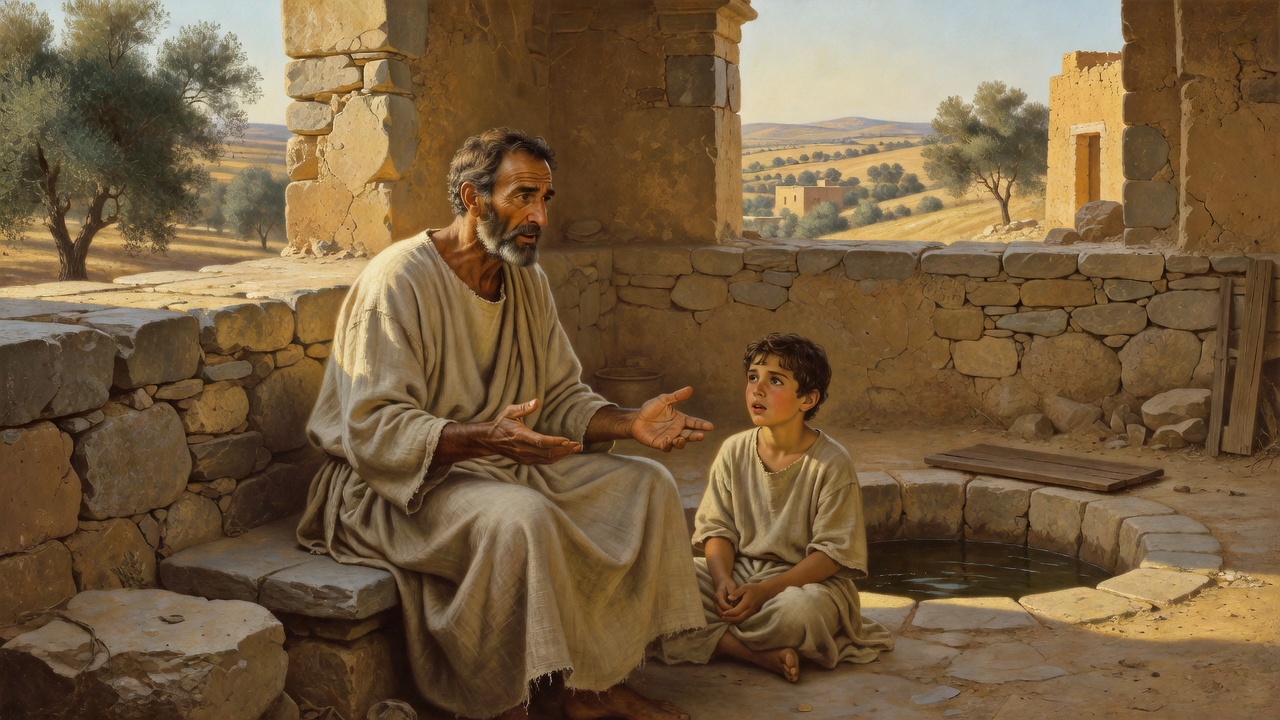
7Nge iei nei, kopwe aüselingaei, kosap fokun manlükala mine üa ürenuk. 8Kopwe sü seni ena sokun fefin, kosap pwal kan ngeni asamen imwan. 9Are kosap aüselingaei, om iteüöch epwe pöüt senuk, nge epwe tori pwal ekoch aramas, pwal manauom epwe tolong lepöün chokewe resap eäni tong, 10ekewe chon ekis repwe angei woum, nge uän om angang epwe pwal tori ekoch. 11Iwe, lesopolan manauom kopwe ngüngü, lupwen fitukom me inisum ra telila. 12Mürin kopwe apasa, “Pwota üa oput ekewe kapasen fön? Pwota üa tipeweires ngeni ekewe kapasen emirit? 13Üsap aüselinga alon nei kewe sense, üsap pwal aü selingei ngeni chokewe mi öüröüraei. 14Üa arapakan ngeni ai üpwe unusen feiengau me fän mesen ewe mwichen aramas.”
15Kopwe allükülük won püsin pwülüom, kopwe chök echeni i. 16Kosap angei om feiöch seni noum me won pwal ekoch fefin. 17Püsin noum kewe repwe mämäritä o alisuk, nge sap chon ekis. 18Kopwe pwapwaiti pwülüom o meseikeiti ewe föpwül ka pwülüeni lupwen om alüal, 19neminewe mi liöch usun chök liöchün urupap, a mürina usun ewe machang itan witiwit. Kopwe mwüt ngeni pwe an tong ngonuk epwe fokun apwapwok fansoun meinisin, kopwe chengel ren an tong iteiten fansoun. 20Nei, pwota kopwe aumwesukela won pwülüen pwal eman mwän? Pwota kopwe romi eman fin ekis? 21Ewe Samol mi Lapalap a küna om föför meinisin, a nenengeni ia ka feila ie. 22Än ewe aramasangau föföringau ra püsin likatupu i, a oo lon püsin an tipis. 23Epwe mäla pokiten esap mochen aleasochisi kapasen emirit, epwe pöütmälila pokiten watten an umwes.
Did you know?
Wisdom, Fidelity, and the Pitfalls of Seduction
- The passage uses domestic water sources, such as a personal cistern and well, as metaphors for marital intimacy and fidelity. The father advises finding satisfaction at home rather than letting one's springs and streams scatter into public streets and squares.Sources: the Bible text itself
- Seductive speech is contrasted with its consequences: while its words are portrayed as sweet like honey and smooth like oil, the ultimate outcome is described as bitter like wormwood, piercing like a double-edged sword, and leading to death and Sheol.Sources: the Bible text itself
- The warning highlights both practical and spiritual costs of infidelity, from the loss of personal wealth and physical vigor to public disgrace before the community assembly, concluding that all human ways are examined by the LORD.Sources: the Bible text itself
Notes written with AI assistance from open sources (Theographic Bible Metadata, CC BY-SA 4.0; Easton’s Bible Dictionary, public domain) and reviewed before publishing.
Credits and license for this translation
Paipel
The Holy Bible in the Chuukese language of the Federated States of Micronesia
copyright © 1984, 1989, 1991, 2001 Liebenzel Mission
Language: Chuukese
Translation by: Liebenzell Mission
Old Testament © 1989, 2001 Liebenzel Mission
New Testament © 1984, 1991 Liebenzel Mission
This translation is made available to you under the terms of the
Creative Commons Attribution-No Derivatives license 4.0.
You may share and redistribute this Bible translation or extracts from it in any format, provided that:
You include the above copyright and source information.
You do not make any derivative works that change any of the actual words or punctuation of the Scriptures.
Pictures included with Scriptures and other documents on this site are licensed just for use with those Scriptures and documents.
For other uses, please contact the respective copyright owners.
2024-01-24
Source: http://ebible.org/chk/ · eBible.org