Proverbs 29
Paipel · Tap a verse to see its cross-references.
1Eman mi angei apwüng fän chomong, nge a chök tipeförea, epwe müttir fisikai an feiengau, nge esap chüen chikarsefäl. 2Lupwen ekewe chon pwüng ra nemenem, ekewe aramas ra mwänek, nge lupwen ekewe aramasangau ra nemenem, ekewe aramas ra ngüngü. 3Eman mi aücheani tipachem a apwapwai saman, nge eman mi chiechi ngeni fefin mi amömö inisir fän iten lisowu a fangesoroula wöün. 4Eman king a anüküchara mwün ren an eäni pwüng, nge ätewe mi angei lifangen amichimich epwe ataela. 5Eman aramas mi eäni kapas amichimich ngeni chon arun a ameresala eu cheew fän iten püsin pechen. 6Eman aramas mi ngau a fif lon püsin an tipis, nge eman aramas mi pwüng a köl o mwänek. 7Eman chon pwüng a ekieki met ekewe chon mwelele repwe eäni pwüng ren, nge eman aramasangau esap ekieki usun ei. 8Chon turunufas ra afitikokoi chon eu telinimw, nge aramas mi tipachem ra akinamwela song. 9Are eman aramas mi tipachem a anini ngeni eman mi tiparoch, ewe mi tiparoch a chök song ika takir, nge esap wor kinamwe. 10Aramas mi mochen niela aramas ra oput eman esap wor an tipis o kütta met repwe niela ekewe chon pwüng ren. 11Eman aramas mi tiparoch a fokun songokai, nge eman aramas mi tipachem a engila fän mosonoson. 12Are eman sounemenem a aüseling ngeni pworaus mi mwäl, nöün kewe nöüwis meinisin repwe aramasangau. 13Eman aramas mi wöüngau me eman mi ariaföüü aramas ra wewefengen lon ei lapalap: Ewe Samol mi Lapalap a aneneloi meser me ruoman pwe repwe küna mwer. 14Are eman king a eäni kapwüng ngeni ekewe chon wöüngau fän wenechar, an nemenem epwe nüküchar fansoun meinisin. 15Efoch wok me kapasen fön ra atoto tipachem, nge eman semirit, esap wor eman a apwüngü, epwe atoto säw won inan. 16Lupwen ekewe aramasangau ra nemenem, tipis a lapalapala, nge ekewe chon pwüng repwe nenengeni usun ar turutiu. 17Kopwe apwüngü noum, pwe i epwe akinamweek, epwe pwal apwapwai lelukom. 18Anaie esap wor kapasen osuni ie, ekewe aramas ra chök förfetalei mine ra mochen. Nge feiöchün eman aramas mi aleasochisi än Kot kewe allük. 19Kosap tongeni apwüngü eman chon angang ren kapas chök, pun inamwo ika a weweiti om kapas, nge esap mochen aleasochisi. 20Ka fen küna eman aramas mi müttir le fos? Ka tongeni apilükülükü eman chon tiparoch lap seni ena sokun aramas. 21Eman mi nöüwechen ngeni nöün chon angang seni lekükünün, lon eu rän ewe chon angang epwe wöüni wöün. 22Eman aramas mi nisosong a afisätä fitikoko, nge eman mi songokai a tolong lon chomong tipis. 23Eman aramas mi lamalamtekia epwe küna tekison, nge eman aramas mi tekison epwe küna iteüöch. 24Eman aramas mi chonäni eman chon solä a oput püsin manauan. Epwe küna liwiningau, are a pwärätä mine a let lon kapwüng. Nge are esap pwärätä, Kot epwe anümamaua. 25Om niuokusiti aramas, iei eu sär fän itom, nge are ka apilükülükü ewe Samol mi Lapalap, kosap feiengau. 26Chomong aramas ra kütta chenir me ren eman sounemenem, nge ewe Samol mi Lapalap echök a eäni pwüng ngeni aramas. 27Ekewe chon pwüng ra oput ekewe aramasangau, nge ekewe aramasangau ra oput ekewe chon pwüng.
Did you know?
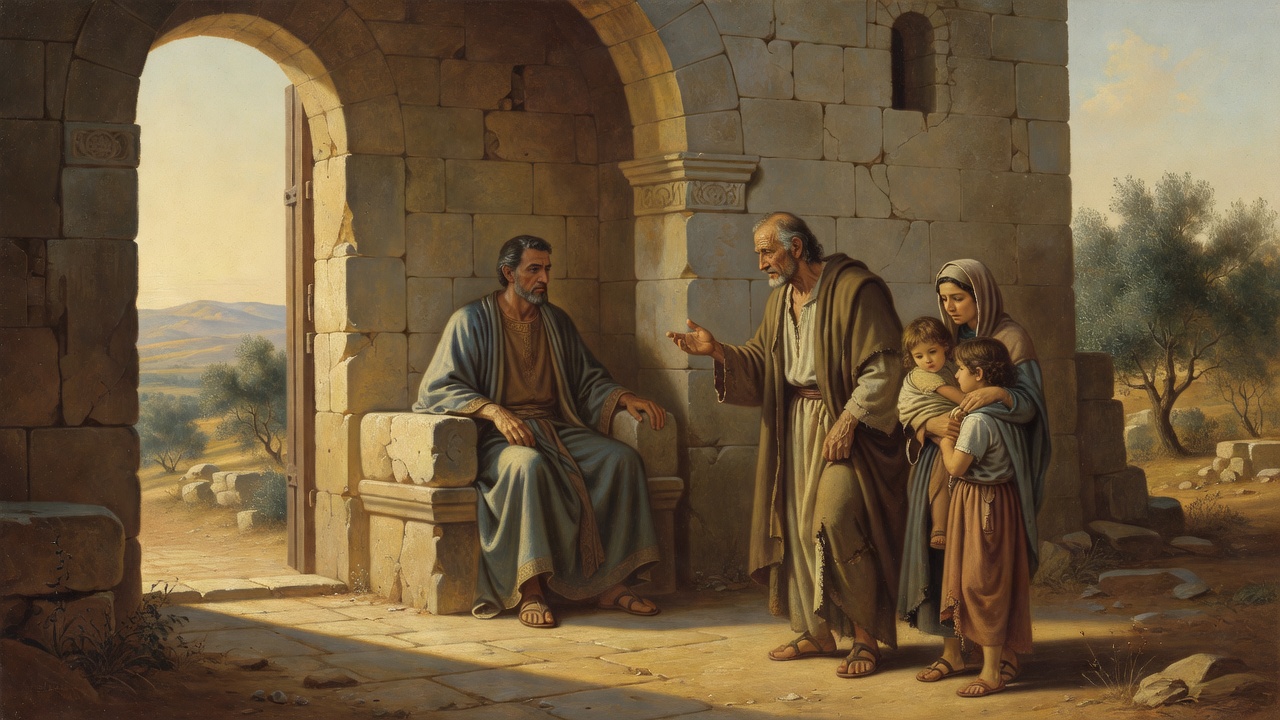
Justice, Governance, and Self-Restraint
- Proverbs 29 repeatedly links a society's well-being to righteous governance, noting that the people rejoice when the righteous rule but groan under wicked leaders. A king who judges the poor with equity and maintains justice stabilizes the land, while rulers who heed falsehoods corrupt their officials.Sources: the Bible text itself
- The chapter highlights the importance of moral guidance and discipline, observing that without a vision or revelation, people cast off restraint, whereas keeping the Law brings blessing. This principle of instruction and correction is also applied directly to the household and the raising of children.Sources: the Bible text itself
- Self-control in speech and emotion is a central theme: while a fool vents all his rage and speaks in haste, a wise person holds back anger. The text warns that pride brings a person low, but a humble spirit attains honor.Sources: the Bible text itself
Notes written with AI assistance from open sources (Theographic Bible Metadata, CC BY-SA 4.0; Easton’s Bible Dictionary, public domain) and reviewed before publishing.
Credits and license for this translation
Paipel
The Holy Bible in the Chuukese language of the Federated States of Micronesia
copyright © 1984, 1989, 1991, 2001 Liebenzel Mission
Language: Chuukese
Translation by: Liebenzell Mission
Old Testament © 1989, 2001 Liebenzel Mission
New Testament © 1984, 1991 Liebenzel Mission
This translation is made available to you under the terms of the
Creative Commons Attribution-No Derivatives license 4.0.
You may share and redistribute this Bible translation or extracts from it in any format, provided that:
You include the above copyright and source information.
You do not make any derivative works that change any of the actual words or punctuation of the Scriptures.
Pictures included with Scriptures and other documents on this site are licensed just for use with those Scriptures and documents.
For other uses, please contact the respective copyright owners.
2024-01-24
Source: http://ebible.org/chk/ · eBible.org