Proverbs 27
Paipel · Tap a verse to see its cross-references.
1Kosap sikesik usun lesor, pun kosap silei mine ewe rän epwe atoto. 2A öch eman epwe mwareituk, ika eman chon ekis, nge sap püsin en. 3Eföü fau a chou, pwal pi, nge ach osukosuk ren eman chon tiparoch a chou seni ekewe ruu mettoch. 4Song a fokun ngau, nge lingeringer a usun chök eu noter. Nge lolowo a fokun afeiengau seniir. 5A mürina om kopwe apwüngü eman le pwäpwäla lap seni om kopwe tongei eman, nge kosap pwäri ngeni. 6Atongeom a ekieki om feiöch, inamwo are a akinasok. Nge än chon oputom mitiruk esap let. 7Eman mi fokun möt a oput chönün chunen, nge mongö mi kipwin a annö me ren eman mi echik. 8Eman aramas mi towu seni lenian a usun eman machang mi sü seni fasan. 9Noppuk me löpokus ra apwapwai leluken aramas, nge osukosuk a atai kinamwen aramas. 10Kosap likitala chiechiom me chiechien semelapom, nge kosap feila lon imwen pwiüm lon ränin om feiengau. Eman chon arum mi kan ngonuk a tongeni alisuk, lap seni eman pwiüm mi toau senuk. 11Nei, kopwe tipachem o apwapwai lelukei, pwe üpwe tongeni pälüeni ätewe mi aitengauaei. 12Eman aramas mi mirit a küna ewe feiengau mi feito o opola, nge ekewe chon wewemang ra chök feilong lon o feiengau. 13Kopwe angei üfen ätewe mi pwon pwe epwe mönätiu än eman wasöla liwinimang o amwöchü pwe asisilen an pwon ngeni eman chon ekis. 14Eman mi älälei chon arun fän leüömong pwe epwe feiöch lupwen an pwätä lesosorusich a usun chök pwe a otteki. 15Eman fefin mi lalapat a usun chök chiin üt mi püng fochofoch lupwen fansoun räningau. 16Om kopwe aükätiu än neminewe lal a usun chök om kopwe aükätiu asepwäl, ika om kopwe kumwuchuw noppuk lon poum. 17Mächä a akeni mächä, iei usun eman aramas a tongeni aöchüela pwal eman. 18Eman mi tümwünü efoch irä fiik epwe mongö seni uan, nge eman chon angang mi tümwünü an samol epwe küna iteüöch. 19Ngünüen won mesom me lon koluk a nönnöfengen me won mesom, iei usun leluken eman aramas a pwärala usun püsin i. 20Ewe lenien sotup me ewe leni mi alolol resap fokun menemenöch, pwal ina usun aramas resap menemenöch. 21Usun silifer me kolt a pwä öchün lon ewe lenien ketel, iei usun a pwä lapalapen eman aramas, lupwen eman a mwareiti. 22Are kopwe wichi eman mi tiparoch tori a arap ngeni mäla, iei mwo nge an tiparoch esap towu seni.
23Kopwe mamasaöchü o tümwünüöchü noum pwiin sip me kow, 24pun wöü esap nonom tori feilfeilachök. Pwal ekewe mwü resap nonomola tori ekewe täppin aramas meinisin. 25Are ewe fetil a itela, a pwal pwükütä fetil mi fö, are ekewe fetilipwas mi nom won ekewe chukuchukutä ra ioifengen, 26mürin epwe wor ülöülen sip fän iten üfom, epwe pwal wor moni seni ekewe kuuch fän iten om kopwe möni eu fanü, 27epwe pwal naf milik seni ekewe kuuch fän iten ünümemi me chon leimwom, pwal fän iten ünümen noum chon angang fefin.
Did you know?
Friendship, Prudence, and Daily Diligence
- Proverbs 27 places a strong emphasis on authentic relationships, contrasting the deceitful kisses of an enemy with the faithful wounds of a friend. It famously describes constructive interpersonal interaction with the metaphor of iron sharpening iron, while also advising reliance on a nearby neighbor over a distant relative in times of crisis.Sources: the Bible text itself
- The chapter draws on practical illustrations from ancient daily crafts and domestic life, such as refining silver and gold in a crucible and furnace, grinding grain with a mortar and pestle, and observing one's reflection in water.Sources: the Bible text itself
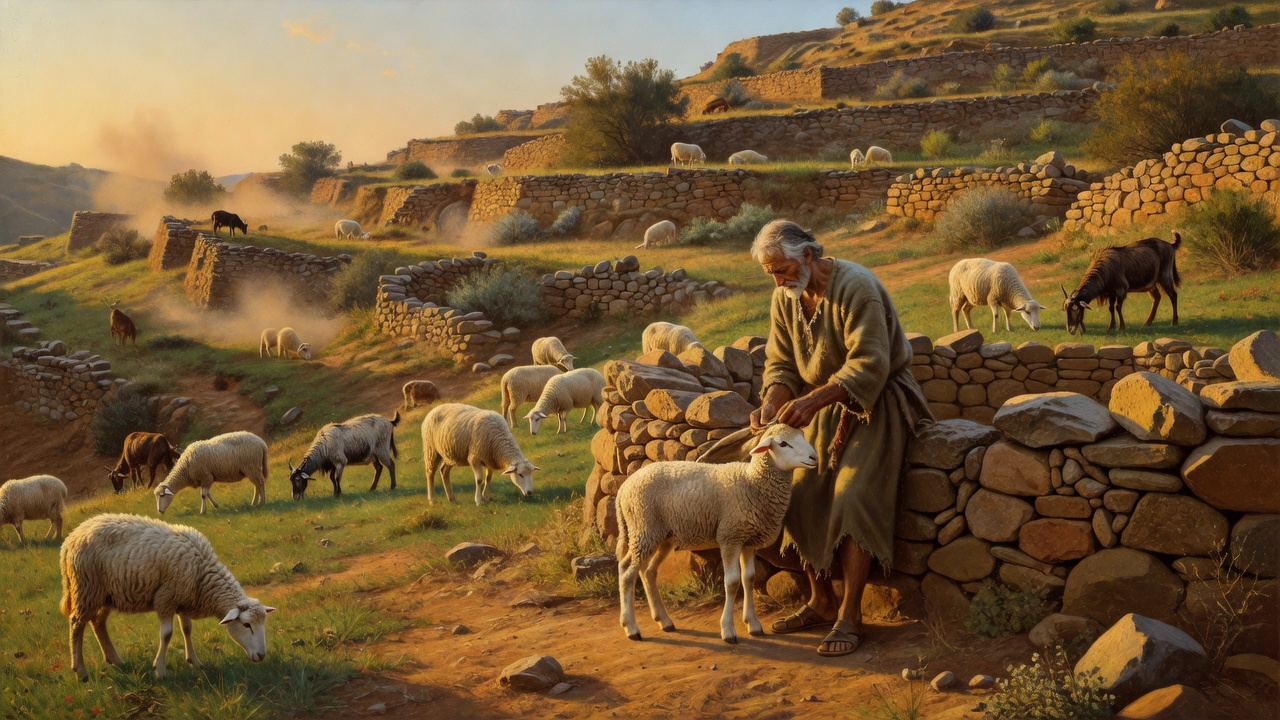
- The closing section outlines the seasonal realities of an agrarian and pastoral economy. It urges careful oversight of flocks and herds, noting that wealth and political crowns are fleeting, while diligent care of livestock and land reliably provides food, goat milk, and wool for the household.Sources: the Bible text itself
Notes written with AI assistance from open sources (Theographic Bible Metadata, CC BY-SA 4.0; Easton’s Bible Dictionary, public domain) and reviewed before publishing.
Credits and license for this translation
Paipel
The Holy Bible in the Chuukese language of the Federated States of Micronesia
copyright © 1984, 1989, 1991, 2001 Liebenzel Mission
Language: Chuukese
Translation by: Liebenzell Mission
Old Testament © 1989, 2001 Liebenzel Mission
New Testament © 1984, 1991 Liebenzel Mission
This translation is made available to you under the terms of the
Creative Commons Attribution-No Derivatives license 4.0.
You may share and redistribute this Bible translation or extracts from it in any format, provided that:
You include the above copyright and source information.
You do not make any derivative works that change any of the actual words or punctuation of the Scriptures.
Pictures included with Scriptures and other documents on this site are licensed just for use with those Scriptures and documents.
For other uses, please contact the respective copyright owners.
2024-01-24
Source: http://ebible.org/chk/ · eBible.org