Proverbs 21
Paipel · Tap a verse to see its cross-references.
1Leluken eman king a nom lepöün ewe Samol mi Lapalap. A emwenifetalei usun chök an afetala eu chanpupu ia a mochen afetalala ie. 2Eman aramas a ekieki pwe an föför a pwüng, nge ewe Samol mi Lapalap a atittina ekiekin lelukan. 3Ewe Samol mi Lapalap a efich pwüng me pwüngüöch lap seni asor. 4Meselamalamtekia me tipelamalamtekia ekei sokun föför ekewe aramasangau ra tipis ren. 5Aramas mi akota ar angang o achocho le föri repwe pisekisek, nge chokewe mi chök müttir föri ar angang, nge resap akota me mwan, repwe wöüngau. 6Pisek aüchea eman a angei ren an kapas chofana a usun chök ötüöt mi ässila, pwal usun chök eu särin mäla. 7Än ekewe aramasangau angangen mwänewüs a püsin afeiengaueer, pun resap mochen föri mine a pwüng. 8Ekewe chon tipis ra fetal won efoch al mi pwor, nge chokewe esap wor ar tipis ra föri mine a pwüng. 9Än eman nonom lepwokukun ungen eu imw a mürina seni an epwe nom lon ei imw ren eman fefin mi lalapat. 10Ekewe aramasangau ra chök mochen föri mine a ngau, resap eäni tong ngeni chon arur. 11Lupwen eman chon turunufas a angei liwinin an föför, ekewe chon wewemang ra tipachemela. Nge lupwen eman chon tipachem a angei an öüröür, a fefeitä lon an silelap. 12Kot ewe mi pwüng a silei mine a fis lon imwen ekewe aramasangau, epwe awarato feiengau wor. 13Eman mi pinei selingan seni än ekewe chon wöüngau siö epwe püsin siö, nge esap wor eman epwe rongorong. 14Eu lifang eman a fangala lemonomon a amasösöü song, nge eu lifangen amichimich mi fis lemonomon a amasösöü lingeringer. 15Ekewe chon pwüng ra pwapwa lupwen pwüng a fisitä, nge chokewe mi föri mine a ngau ra rükö. 16Eman aramas mi likitala mirit epwe nom lein chon mäla. 17Eman mi sani ekewe pwapwan fanüfan epwe chök eman chon wöüngau, nge ätewe mi sani wain me löpokus esap pisekisek. 18Mine ekewe aramasangau ra ekiekin ariaföüü ngeni ekewe chon pwüng epwe püsin küür. 19Än eman aramas nonom lon fanüapö a mürina seni an epwe nom ren eman fefin mi lalapat me nisosong. 20Lon imwen chon tipachem a wor pisek mi aüchea me löpokus, nge ekewe chon tiparoch ra fangesoroula pisekir. 21Eman mi eäni pwüng me kirikiröch epwe manauatam, epwe küna pwüng me iteüöch. 22Eman meilapen sounfiu mi tipachem a töpworalong lon telinimwen ekewe chon pwora o ataetiu ewe leni mi pöchökül ra anomu ar apilükülük won. 23Eman mi tümwünü kapasen awan a tümwünü inisin seni osukosuk. 24Eman aramas mi lamalamtekia me sikesik, itan chon turunufas, i ätewe mi föri an föför fän lamalamtekia. 25Än eman aramas chipwang le angang a eselipa ngeni mäla. 26Eman chon chipwang a chök ekieki fansoun meinisin met epwe wor ren, nge ewe chon pwüng a fangala, nge esap kichingau. 27Ewe Samol mi Lapalap a oput än eman aramasangau asor, nge a lapala an oput, lupwen a uwato an asor fän iten och ekiek mi ngau. 28Eman chon pwärätä mi chofana epwe feiengau. Nge eman aramas mi aüselingafichi epwe eäni kapas wenechar iteiten fansoun. 29Eman aramasangau a wopwora, nge eman aramas mi wenechar a ekieköchü usun mine epwe föri. 30Än aramas tipachem, mirit me kapasen öüröür resap tongeni üpalü ngeni ewe Samol mi Lapalap. 31Aramas ra tongeni amolätä oris fän iten maun, nge win a feito seni ewe Samol mi Lapalap.
Did you know?
Divine Sovereignty and Just Living
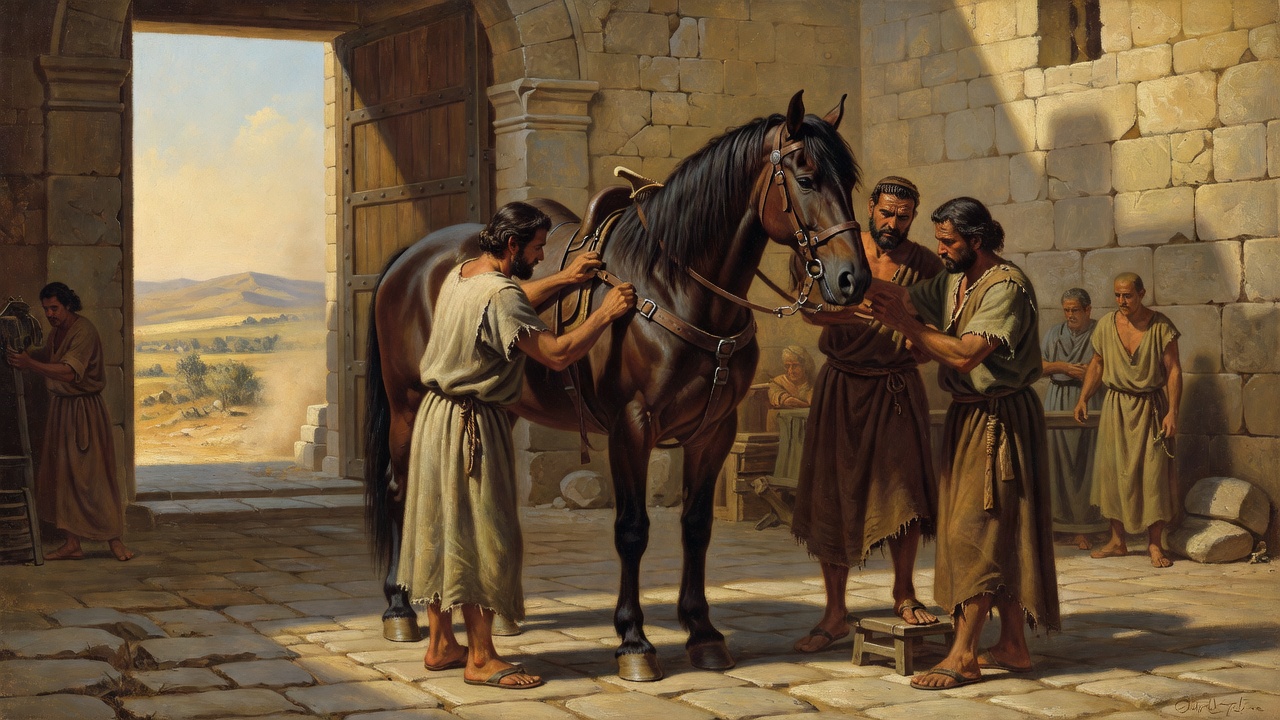
- Proverbs 21 emphasizes that divine sovereignty governs human power and conflict, declaring that a king's heart is directed like a water channel by the LORD and that victory in battle belongs to God rather than war horses.Sources: the Bible text itself
- The chapter places ethical conduct above ritual observance, teaching that practicing righteousness and justice is more desirable to the LORD than offering sacrifice.Sources: the Bible text itself
- The proverbs contrast steady diligence with hasty and lazy behaviors, noting that careful plans bring abundance while haste and the refusal to work lead to poverty.Sources: the Bible text itself
Notes written with AI assistance from open sources (Theographic Bible Metadata, CC BY-SA 4.0; Easton’s Bible Dictionary, public domain) and reviewed before publishing.
Credits and license for this translation
Paipel
The Holy Bible in the Chuukese language of the Federated States of Micronesia
copyright © 1984, 1989, 1991, 2001 Liebenzel Mission
Language: Chuukese
Translation by: Liebenzell Mission
Old Testament © 1989, 2001 Liebenzel Mission
New Testament © 1984, 1991 Liebenzel Mission
This translation is made available to you under the terms of the
Creative Commons Attribution-No Derivatives license 4.0.
You may share and redistribute this Bible translation or extracts from it in any format, provided that:
You include the above copyright and source information.
You do not make any derivative works that change any of the actual words or punctuation of the Scriptures.
Pictures included with Scriptures and other documents on this site are licensed just for use with those Scriptures and documents.
For other uses, please contact the respective copyright owners.
2024-01-24
Source: http://ebible.org/chk/ · eBible.org