Malachi 4
Paipel · Tap a verse to see its cross-references.
Ewe ränin Kot epwe war
1Iei alon ewe Samol mi Unusen Manaman, “Nengeni, epwe war eu rän, epwe pulopul usun eu um. Iwe, ekewe chon lamalamtekia me ekewe chon föföringau repwe wewe ngeni fetilipwas. Lon ewe rän ekkei epwe kenirela pwe esap chüen wor eman lusun. 2Nge usun akkar a asarama fanü, iei usun pwüng epwe uwato manau ngenikemi mi aleasochisiei. Ämi oupwe towu o mwetemwet usun chök ekewe nienifön kow ra mwetemwet lupwen ra towu seni lenier. 3Lon ewe rän üpwe afisi ekei föför, ämi oupwe purätiu ekewe aramasangau, nge ir repwe usun chök falang me fän pechemi. 4Oupwe chechemeni mine üa aiti ngenikemi ren nei we chon angang Moses, ekewe allük me pwüüng üa ngenikemi me won ewe chuk Horep fän iten chon Israel meinisin.
5Nengeni, ngang üpwe tinala remi ewe soufos Elias me mwen ränin ewe Samol mi Lapalap epwe war, ewe rän mi lap o eniweniu. 6Epwe akulu leluken ekewe sam ngeni nöür kewe, nge leluken ekewe nau ngeni semer kewe. Nge ika esap fis ei, üpwe feito o ataela ewe fanü ren eu anümamau.”
Did you know?
The Day of the Lord and the Promise of Elijah
- Malachi calls on Israel to remember the law given to Moses at Mount Horeb. Horeb is a biblical name for the mountainous range where Mount Sinai stands, the site where the Israelites encamped and received divine statutes and ordinances.Sources: the Bible text itself · Horeb · Moses
- The passage concludes with the promise that Elijah the prophet will be sent before the great Day of the Lord to reconcile parents and children. In the biblical narrative, Elijah was a prophet from Tishbe who delivered messages during the reign of King Ahab.Sources: the Bible text itself · Elijah
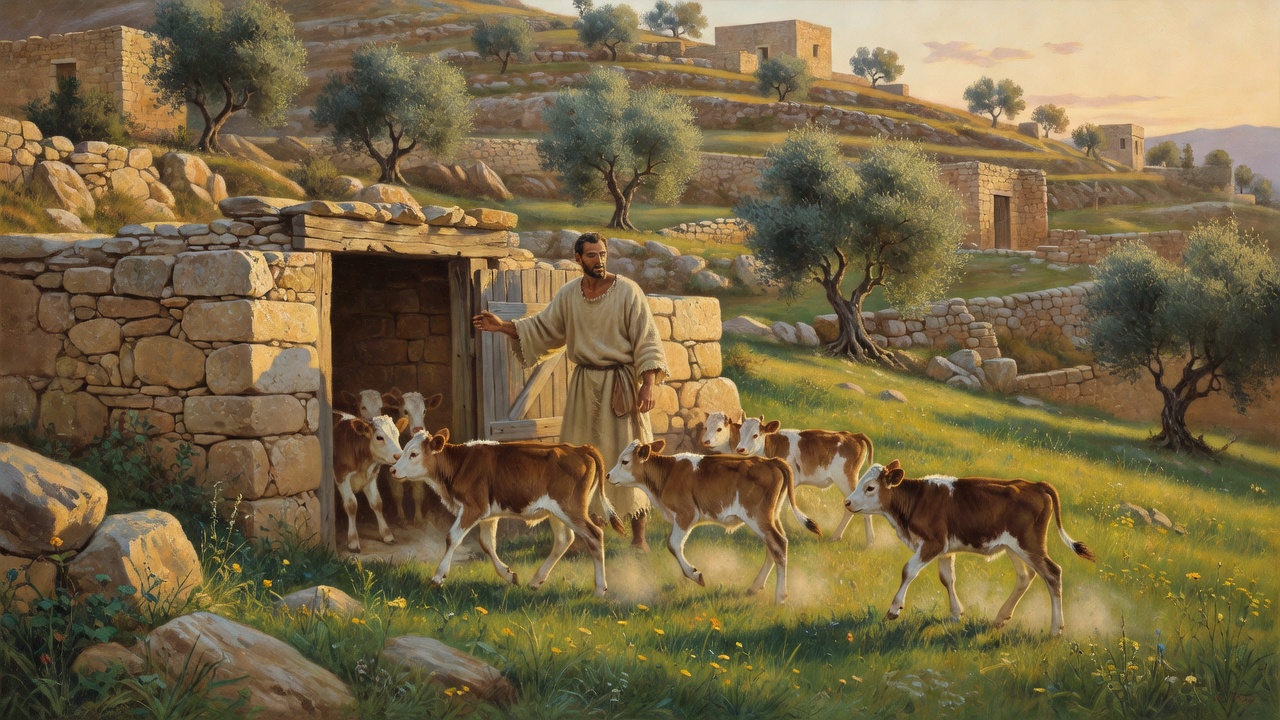
- Malachi uses vivid agricultural imagery to describe the coming judgment and restoration, contrasting evildoers reduced to dry stubble in a fire with the faithful, who are pictured leaping with joy like calves let out of a stall.Sources: the Bible text itself
Notes written with AI assistance from open sources (Theographic Bible Metadata, CC BY-SA 4.0; Easton’s Bible Dictionary, public domain) and reviewed before publishing.
Places in this chapter
- Mount Horeb · Today: Jebel Musa · 28.540, 33.973 · verse 4
Only places identified with high confidence are shown (90% or more according to the scholarly sources compiled by OpenBible). Period map: DARE (Digital Atlas of the Roman Empire), CC BY 4.0; modern map: © OpenStreetMap contributors; places: OpenBible.info (CC BY 4.0).
Credits and license for this translation
Paipel
The Holy Bible in the Chuukese language of the Federated States of Micronesia
copyright © 1984, 1989, 1991, 2001 Liebenzel Mission
Language: Chuukese
Translation by: Liebenzell Mission
Old Testament © 1989, 2001 Liebenzel Mission
New Testament © 1984, 1991 Liebenzel Mission
This translation is made available to you under the terms of the
Creative Commons Attribution-No Derivatives license 4.0.
You may share and redistribute this Bible translation or extracts from it in any format, provided that:
You include the above copyright and source information.
You do not make any derivative works that change any of the actual words or punctuation of the Scriptures.
Pictures included with Scriptures and other documents on this site are licensed just for use with those Scriptures and documents.
For other uses, please contact the respective copyright owners.
2024-01-24
Source: http://ebible.org/chk/ · eBible.org