Luke 24
Paipel · Tap a verse to see its cross-references.
Jesus a manausefäl
1Iwe, lesosorusichin ewe aeuin ränin wiik ekewe fefin ra feila ren ewe peias, nge ra uwala ekewe löpwokus ra amolätä. 2Iwe, ra küna pwe ewe fau a fen mwöküt seni mesen ewe peias. 3Nge lupwen ar tolong lon, resap küna somän ar we Samol Jesus. 4Nge lupwen ar chüen ükütä o osukosuk ren mine ra küna, ruoman mwän mi üföüf üf mi saramaram ra ütä ünükür. 5Iwe, ekewe fefin ra fokun niuokus o chapetiu le pwül, nge ekewe mwän ra üreniir, “Pwota oua kütta ewe mi manau lein ekewe mi mäla? “Esap nom ikei, pwe a manausefälitä.”|src="avnt046.tif" size="span" loc="74" ref="24.6" 6Esap nom ikei, pwe a manausefälitä. Oupwe chechemeni met a ürenikemi, lupwen a chüen nom lon Kalilea: 7‘Nöün Aramas epwe tolong lepöün chon tipis, epwe iräpenges, nge mürin ülüngat rän epwe manausefäl.’” 8Mürin ra chechemeni än Jesus kewe kapas. 9Iwe, ra liwinsefäl seni ewe peias o apworausa ngeni ekewe engol me eman chon kaiö, pwal ngeni ekewe ekoch aramas ekewe mettoch meinisin ra rong o küna. 10Ikei iten ekewe fefin: Maria Maktalene, Joanna me Maria inen James. Ir me pwal ekoch fefin mi etiir ra apworausa ekei mettoch ngeni ekewe soukünö. 11Nge ekewe soukünö ra ekieki, pwe met ekewe fefin ra apworausa ngeniir esap wor allükülükün, iei mine resap lüküür. 12Nge Petrus a ütä o sä ngeni ewe peias. A pworotiu o nenelong lon ewe peias, nge a chök küna finifinin somän Jesus kewe. Mürin a weitifengen ren mine a fis o a liwinsefäliti imwan.
Jesus a pwä ngeni ruoman me won ewe al ngeni Emaus
13Iwe, pwal lon ewe chök ränin ruoman me lein ekewe chon tapwela mürin Jesus ra feila ngeni eu sopw itan Emaus, ina epwe ükükün fisu mail toauan seni Jerusalem. 14Ra kakapasfengen lefiler usun ekewe mettoch meinisin ra fisitä. 15Lupwen ra kakapas o ekiekifengeni usun ekei mettoch, Jesus a kaneto rer o etiir le fetal. 16Iwe, ra küna i, nge resap esilla. 17Jesus a aisiniir, “Met ei oua pwopworausfengen usun, lupwen oua fefetal?” Iwe, ra üla o wololilen. 18Mürin eman me leir itan Kleopas a pölüeni, “Ifa usun, en chök eman me lein ekewe wasöla lon Jerusalem kosap silei ekewe mettoch a fen fis lon ekewe rän?” 19Jesus a aisiniir, “Ikafan ekewe mettoch?” Iwe, ra pölüeni, “Ekewe mettoch mi fis ngeni Jesus, ewe re Nasaret. Ei mwän eman soufos a wor manamanen an kapas me an föför mwen mesen Kot me aramas meinisin. 20Nöüm kewe souasor mi lap me sounemenem ra atoow ngeni Pilatus an epwe apwüng ngeni mäla, nge mürin ra iräpengesi. 21Nge äm aia apilükülükü, pwe i ewe eman Kot a tinato pwe epwe angasa Israel. Nge lükün ekei, iei ewe aülüngatin rän mürin a fis ekei mettoch. 22Nge pwal ekoch fefin seni äm mwich ra amairükem. Ra feila ren ewe peias lesosorusich, 23nge resap küna somän Jesus we. Nge lupwen ra liwinto rem, ra apworausa pwe a wor künaer chon läng mi üreniir pwe a manau. 24Mürin ekoch me lon äm we mwich ra feila ren ewe peias o alletä pwe ekewe mettoch ekewe fefin ra kapas usun, ra pwüng. Nge resap küna Jesus.”
25Iwe, Jesus a üreniir, “Pwota iei me miritimangemi me mangen letipemi! Inet ämi oupwe lükü meinisin mine ekewe soufos ra apasa? 26Ifa usun, esap wisen Kraist pwe epwe küna ekei riaföü meinisin me mwen an epwe tolong lon an ling?” 27Mürin Jesus a awewe ngeniir met a mak lon ekewe Puk mi Pin usun püsin i. A popuetä seni ekewe puken Moses tori ekewe puken soufos meinisin.
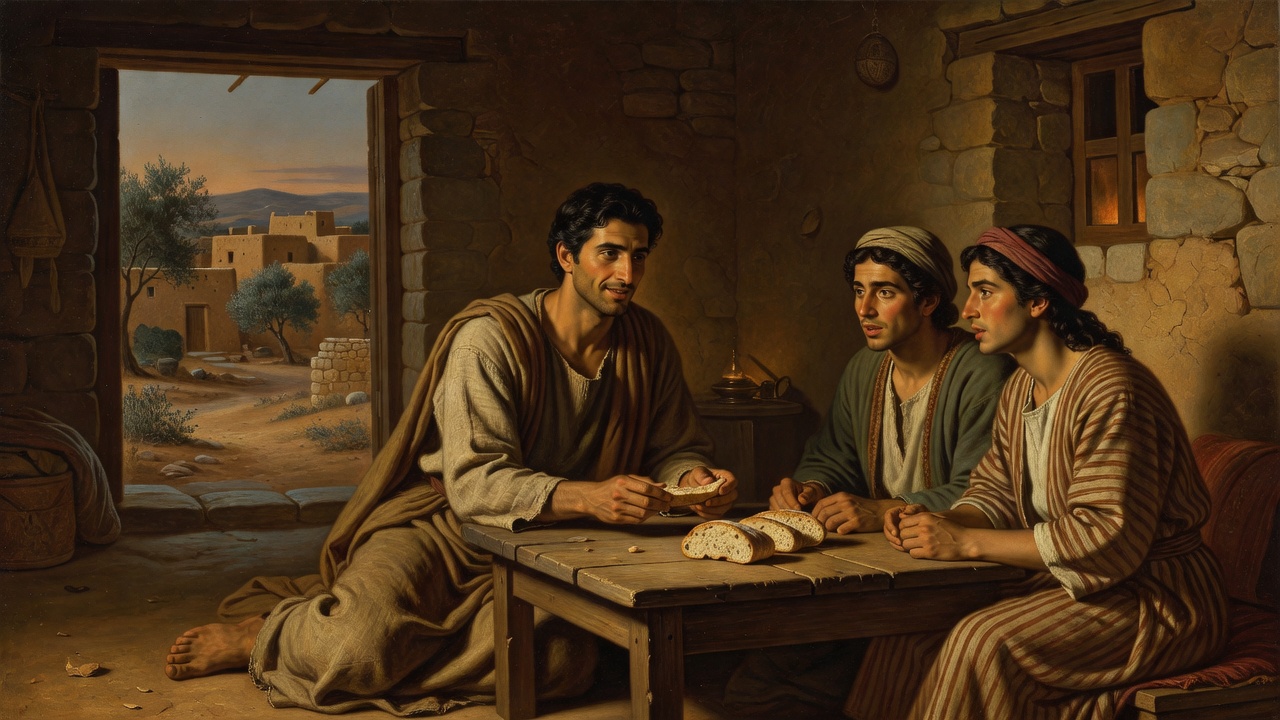
28Nge lupwen ra arap ngeni ewe sopw ra mochen feila lon, Jesus a tipin föri usun itä nge epwe sopwela an sai. 29Nge ir ra fokun pesei o tüngor ngeni, “Kose mochen kopwe nonom rem, pun a lekuniolula, nge epwe le pwinituk.” Iei mine a tolong lon imwer pwe epwe nonom rer. 30Lupwen an mottiu ngeni chepel pwe epwe mongö rer, a angei ewe pilawa o iotekin afeiöchü. Mürin a kini o ineti ngeniir. 31Mürin meser ra usun itä ra kärän nennela pwe ra esilla Jesus, nge i a mörukela seniir. 32Iwe, ra kapasfengen lefiler, “Ifa usun, esap usun eu ekkei mi ngetenget lon lelukach, lupwen a kapas ngenikich won al o afata ngenikich wewen ekewe Toropwe mi Pin?” 33Mürin ra müttir ütä o liwinsefäliti Jerusalem o ra churi ekewe engol me eman chon kaiö, pwal ekewe ekoch ra mwichfengen. 34Iwe, ekewe chon kaiö ra üreni ekewe ruoman, “Enlet, ewe Samol a manausefäl pwe a pwä ngeni Simon!” 35Mürin ekewe ruoman ra apworausa ngeniir met a fis lupwen ar fetal won ewe al, pwal usun ar esilla ewe Samol lupwen a kinifeseni ewe pilawa.
Jesus a pwä ngeni nöün kewe chon kaiö
36Iwe, lupwen än ekewe ruoman ra apworausa ngeniir ei pworaus, Jesus a püsin ütä lefiler o üreniir, “Kinamwe epwe torikemi.” 37Nge ir ra fokun rükö o niuokus, pun ra ekieki pwe ra küna eman anü. 38Jesus a üreniir, “Pwota oua niuokus? Pwota oua tipemwaramwar lon letipemi? 39Oupwe nengeni pei me pechei, pwe oupwe silei pwe ngang ei. Oupwe atapaei o mefi, pun eman anü esap wor ren fituk me chü usun oua küna pwe a wor rei.” 40Iwe, a apasa ekei kapas, lupwen a pwäri ngeniir pöün me pechen. 41Pokiten ra fokun pwapwa o weitifengeniir, resap fen mwo lükü. Iei mine a aisiniir, “Ifa usun, esap wor och mongö ikei pwe üpwe mongö?” 42Iwe, ra ngeni ekis fituken ik mi kapwich. 43Jesus a angei ewe ik o mongö me mwer. 44Mürin a üreniir, “Iei met üa fen ürenikemi pwe epwe fis, lupwen üa chüen nonom remi: Meinisin mine a mak usi lon än Moses we Allük, pwal lon ekewe puken soufos me Kölfel epwe fokun pwönüetä.” 45Mürin a suki letiper, pwe repwe tongeni weweiti masouen ekewe Toropwe mi Pin. 46Iwe, a üreniir, “Iei usun a fen mak, pwe Kraist epwe fokun riaföü o manausefäl seni mäla lon aülüngatin rän. 47Ren itan oupwe afalafala chon ekewe mwü meinisin, pwe repwe ekieksefäl, pwe Kot epwe amusala ar tipis, nge oupwe popuetä lon Jerusalem. 48Ämi oua chon pwärätä ekei mettoch. 49Nengeni, üpwe tinatiu womi mine Semei a fen eäni pwon. Nge ämi oupwe nonom lon ei telinimw tori ewe manaman seni läng epwe feitiu womi.”
Jesus a feitä läng
50Mürin Jesus a emweniirewu seni Jerusalem o feila arap ngeni Petania. Ikenan a aitiela pöün wor o afeiöchüür. Lupwen an afeiöchüür a feitä seniir o feitä läng.|src="avnt047.tif" size="span" loc="92" ref="24.51" 51Lupwen an afeiöchüür a feitä seniir o feitä läng. 52Iwe, mürin ra fel ngeni o liwinsefäliti Jerusalem fän watten pwapwa, 53o ra chök nonom lon ewe imwenfel o mwareiti Kot.
Did you know?
Resurrection morning and the road to Emmaus
- Luke describes Emmaus as a village about seven miles from Jerusalem. Easton's Bible Dictionary (1897) quotes that distance as three-score furlongs and records two identifications: el-Kubeibeh, over seven miles northwest of Jerusalem, whose name, 'little dome,' comes from the remains of a Crusaders' church still found there, and Khurbet Khamasa, 'the ruins of Khamasa,' about eight miles southwest, where Crusader ruins are also found.Sources: Emmaus · the Bible text itself
- Mary Magdalene, Joanna, Mary the mother of James, and other women with them were the ones who told the apostles what had happened at the tomb. Mary Magdalene takes her name from Magdala, her birthplace, and Easton's Bible Dictionary (1897) calls it a mistake to identify her with the woman called 'a sinner' in Luke 7. Joanna, the wife of Chuza, steward of Herod Antipas, tetrarch of Galilee, was one of the women who ministered to Jesus, and the same dictionary says he appeared to her after the resurrection.Sources: Mary Magdalene · Joanna · the Bible text itself
- One of the two disciples on the road is named Cleopas, a shortened form of Cleopatros. Easton's Bible Dictionary (1897) says that nothing definite is known about him, and that it is not certain he was the Clopas of John 19:25 or the Alphaeus of Matthew 10:3, although he may have been.Sources: Cleophas · the Bible text itself
Notes written with AI assistance from open sources (Theographic Bible Metadata, CC BY-SA 4.0; Easton’s Bible Dictionary, public domain) and reviewed before publishing.
Places in this chapter
- Galilee · 32.760, 35.527 · verse 6
- Jerusalem · 31.777, 35.234 · verses 13, 18, 33, 47, 49, 52
- Nazareth · 32.702, 35.298 · verse 19
Only places identified with high confidence are shown (90% or more according to the scholarly sources compiled by OpenBible). Period map: DARE (Digital Atlas of the Roman Empire), CC BY 4.0; modern map: © OpenStreetMap contributors; places: OpenBible.info (CC BY 4.0).
Credits and license for this translation
Paipel
The Holy Bible in the Chuukese language of the Federated States of Micronesia
copyright © 1984, 1989, 1991, 2001 Liebenzel Mission
Language: Chuukese
Translation by: Liebenzell Mission
Old Testament © 1989, 2001 Liebenzel Mission
New Testament © 1984, 1991 Liebenzel Mission
This translation is made available to you under the terms of the
Creative Commons Attribution-No Derivatives license 4.0.
You may share and redistribute this Bible translation or extracts from it in any format, provided that:
You include the above copyright and source information.
You do not make any derivative works that change any of the actual words or punctuation of the Scriptures.
Pictures included with Scriptures and other documents on this site are licensed just for use with those Scriptures and documents.
For other uses, please contact the respective copyright owners.
2024-01-24
Source: http://ebible.org/chk/ · eBible.org