Isaiah 8
Paipel · Tap a verse to see its cross-references.
Nöün Aisea we mwän eu asisil ngeni ekewe aramas
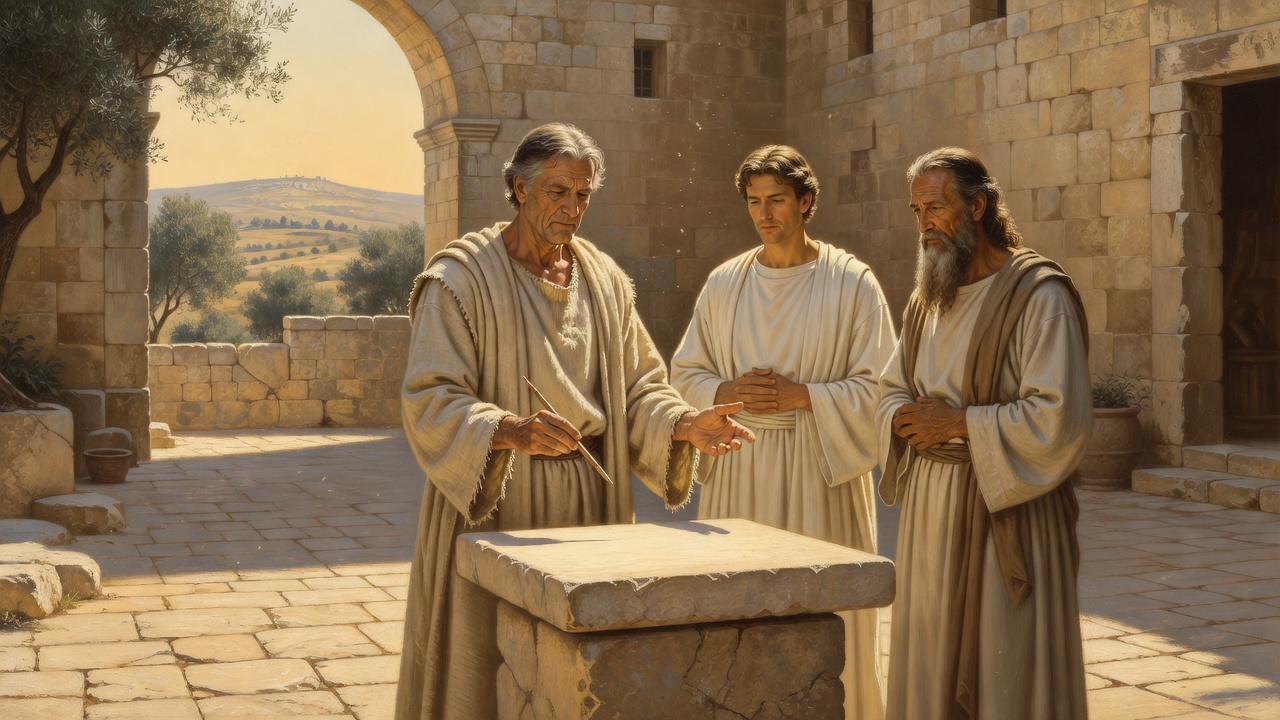
1Mürin, ewe Samol mi Lapalap a üreniei, “Kopwe angei epek fau mi chöpöp o makei won ren itechik aramas ra tongeni aleani ‘Maher-salal-haspas.’ 2Kopwe pwal körato ruoman mwän mi allükülük, ewe souasor Uria pwal Sakaria nöün Jeperekia we mwän, pwe repwe chon pwärätä.” 3Mürin üa kon ren pwülüei we, nge a pwopwo o nöüni eman ät. Iwe, ewe Samol mi Lapalap a üreniei, “Kopwe aita ngeni ewe ät Maher-salal-haspas. 4Pun mwen än ewe semirit epwe tongeni apasa ‘semei’ ika ‘inei’, ewe kingen Asiria epwe akom le uwala wöün Tamaskus me pisekin Samaria.”
5Iwe, ewe Samol mi Lapalap a kapassefäl ngeniei, 6“Ekei aramas ra aücheangaua ekewe kolukun Siloa mi pupuöch, nge ra pwapwa ren ar pwonen atipeeu ngeni Resin ewe kingen Siria me ewe king Peka nöün Remalia we. 7Iei mine ngang ewe Samol üpwe awarato ewe kingen Asiria me nöün sounfiu meinisin pwe repwe maun ngeni Juta. Repwe feito usun pumongun ewe chanpupu Oifrat, lupwen a säsewu seni lenian o pwölüela ünükün. 8Repwe tolong lon Juta usun eu noter a tolong lon ewe fanü o pwölüela. Nge lölön epwe feitä tori üen aramas. O Emanuel , ekewe chon Asiria repwe chonifetalei unusen fanüom.”
9Oupwe achufengenikemi, ämi chon ekewe mwü, nge oupwe niuokus. Oupwe aüseling, ämi chon ekewe fanü mi toau. Oupwe amolakemiitä ngeni maun, nge oupwe niuokus. Ewer oupwe amolakemiitä, nge oupwe niuokus. 10Oupwe pwüngüpwüngfengen, nge ousap fokun pwäk ngeni och. Oupwe pwal apwüngala och, nge esap fokun fis, pun Kot ailem.
Aramas repwe niueiti ewe Samol mi Lapalap
11Iwe, ewe Samol mi Lapalap a kapas ngeniei fän an manaman mi lapalap. A fönöüei pwe üsap föri föförün ekei aramas. Iwe, a üreniei, 12“Ousap aita ngeni rawangau mine ekei aramas ra aita ngeni rawangau, ousap pwal niueiti mine ir ra niueiti. 13Oupwe chechemeni pwe ngang ewe Samol mi Unusen Manaman üa pin, ngang chök ewe eman oupwe meniniti o niuelapeiti. 14Iwe, üpwe wiliti eu leni mi pin fän iten chokewe ra niueitiei o lüküei. Nge üpwe wewe ngeni eföü föün chepetek me eu achauen opup fän iten ekewe mwün Israel me Juta, pwal eu sär chon Jerusalem repwe tup lon. 15Iwe, chomong aramas repwe chepetek ren, repwe turula o tatakis, repwe pwal tup o fif lon.”
16Kopwe rifengeni ei kapasen pwärätä o anükü ekei allük lon leluken nei chon kaiö. 17Ewe Samol mi Lapalap a amonala mesan seni ekewe mwirimwirin Jakop, nge ngang üpwe chök lükü i o apilükülükü. 18Ngang üa nom ikei me nei kana ewe Samol mi Lapalap a ngeniei. Äm aia eu asisilen mine epwe fis fän iten chon Israel me ren ewe Samol mi Unusen Manaman, ewe mi imweimw won ewe chuk Sion. 19Iwe, aramas repwe ürenikemi pwe oupwe aisini ekewe watawa me ekewe sourong mi ngorongor me ngüngü. Nge ämi oupwe chök aisini ämi Kot. Pun pwota oupwe aisini ngünün ämi kewe somä fän iten chokewe mi manau? 20Apwi, oupwe chök rongorong än Kot kewe allük me pwärian. Nge are ousap apwönüetä ekei kapas, esap wor remi saram. 21Aramas repwe chök siamüfetal won ewe fanü fän riaföü me echik. Nge lupwen ar echik, repwe songeiti o otteki ar king me ar Kot. Iwe, repwe netä läng, 22repwe pwal netiu lepwül, nge repwe chök küna riaföü me rochopwak me watten niuokus. Iwe, repwe kasülong lon rochopwak mi lapalap.
Did you know?
The Impending Flood and the Trustworthy Sign
- The name Maher-shalal-hash-baz means "plunder speedeth; spoil hasteth." Isaiah was instructed to record this name publicly before reliable witnesses—Uriah the priest and Zechariah—and then give it to his newborn son, signifying that Damascus and Samaria would soon be plundered by the king of Assyria.Sources: the Bible text itself · Maher-shalal-hash-baz · Urijah
- The passage contrasts the gently flowing waters of Shiloah in Jerusalem with the raging floodwaters of the Euphrates River. Because the people rejected calm trust, the imagery depicts the invading king of Assyria sweeping across the land like a catastrophic deluge reaching up to the neck.Sources: the Bible text itself · Shiloah · River · Assyria
- Isaiah presents himself and his children as living signs and symbols given by the Lord to Israel. In a time of national crisis, he warns the people not to consult mediums and spiritists who whisper and mutter, insisting that they must seek God and His testimony instead.Sources: the Bible text itself
Notes written with AI assistance from open sources (Theographic Bible Metadata, CC BY-SA 4.0; Easton’s Bible Dictionary, public domain) and reviewed before publishing.
Places in this chapter
- Assyria · 36.359, 43.153 · verses 4, 7
- Damascus · 33.511, 36.306 · verse 4
- Samaria · 32.276, 35.195 · verse 4
- Shiloah · Today: Pool of Siloam · 31.771, 35.235 · verse 6
- Euphrates · Today: Euphrates River · 31.004, 47.442 · verse 7
- Jerusalem · 31.777, 35.234 · verse 14
- Mount Zion · 31.772, 35.229 · verse 18
Only places identified with high confidence are shown (90% or more according to the scholarly sources compiled by OpenBible). Period map: DARE (Digital Atlas of the Roman Empire), CC BY 4.0; modern map: © OpenStreetMap contributors; places: OpenBible.info (CC BY 4.0).
Credits and license for this translation
Paipel
The Holy Bible in the Chuukese language of the Federated States of Micronesia
copyright © 1984, 1989, 1991, 2001 Liebenzel Mission
Language: Chuukese
Translation by: Liebenzell Mission
Old Testament © 1989, 2001 Liebenzel Mission
New Testament © 1984, 1991 Liebenzel Mission
This translation is made available to you under the terms of the
Creative Commons Attribution-No Derivatives license 4.0.
You may share and redistribute this Bible translation or extracts from it in any format, provided that:
You include the above copyright and source information.
You do not make any derivative works that change any of the actual words or punctuation of the Scriptures.
Pictures included with Scriptures and other documents on this site are licensed just for use with those Scriptures and documents.
For other uses, please contact the respective copyright owners.
2024-01-24
Source: http://ebible.org/chk/ · eBible.org