Isaiah 57
Paipel · Tap a verse to see its cross-references.
1Iwe, ekewe chon pwüng ra mäfeiengau, nge esap wor eman a ekieki usur. Ekewe chon lükü Kot ra mäla, nge esap wor eman a silei popun. Iwe, ekewe chon pwüng ra mäla mwen ewe ränin feiengau a war, 2pwe repwe tolong lon kinamwe, nge chokewe mi fetal fän pwüng ra kon o asösö lon peiaser.
3Oupwe etto, ämi nöün eman sourong fefin, ämi nöün ekewe mwän mi lisowu me ekewe fefin mi amömö insir fän iten angangen lisowu. 4Iö oua takiri? Iö oua ämängaua o achönaw ngeni? Ifa usun, sap ämi nöün chon tipis pwal mwirimwirin chon chofana? 5Ämi oua mocheisoufengen lefilemi, lupwen oua fel ngeni ekewe uluulun anümwäl fän ekewe irä ook, pwal fän sokun irä mi mwuresires, oua pwal eäni asor nöümi semirit lon ekewe lemol, pwal fän ekewe säpereperen achau. 6Oua angei fau mi motoutou seni lon öüwö o fel ngeniir pwe ämi Kot. Oua ninätiu wor asoren ün o uwato wor asoren mongö. Ifa usun, ngang üpwe pwapwaiti ei sokun föför? 7Oupwe feitä won ekewe chuk mi tekia, pwe oupwe lisowu o föri ämi asor. 8Iwe, aropen ämi kewe asamalap me lon oua iseni ämi uluulun anümwäl. Lupwen oua pöütieila, oua ameresala kiemi o konola won, oua tipeeufengen me nöümi kewe kamwet won liwinin ar repwe kon remi, oua pwal sani ar föför ngenikemi o nenengeni ar selela. 9Iwe, oua sai pwe oupwe uwala noppuk ren Molok, oua pwal achomonga epitemi lö mi pwokus, oua tinala toau nöümi chon künö tori mwo nge lon lenien sotup, pwe repwe kütta ämi kot oupwe tongeni fel ngeniir. 10Oua malülü pokiten ämi saitam, nge ousap apasa, “Esap wor lomotan.” Ousap achanü, pun oua pöchökülsefäl iteiten fansoun.
11Iwe, ewe Samol mi Lapalap a apasa, “Iö oua niueiti pwe oua chofana ngeniei, ousap pwal chechemeniei ika ekieki usi? Ifa usun, sap ren ai fanafanala ngenikemi fansoun langatam, iei popun ousap niueitiei? 12Ämi oua ekieki pwe mine oua föri a pwüng, nge ngang üpwe pwärawu ämi föför, nge ämi uluulun anümwäl resap tongeni alisikemi. 13Ifa usun, ämi kewe uluulun anümwäl repwe angasakemi, lupwen oua siö ngeniir fän leüömong? Iwe, asepwäl epwe ässirela, nge enienin ngasangas epwe pönirela. Nge chokewe mi eäniei lenien op repwe fanüeni ewe fanü, repwe pwal chukuni chuki mi pin.”
Kot a alisi o amanaua nöün aramas
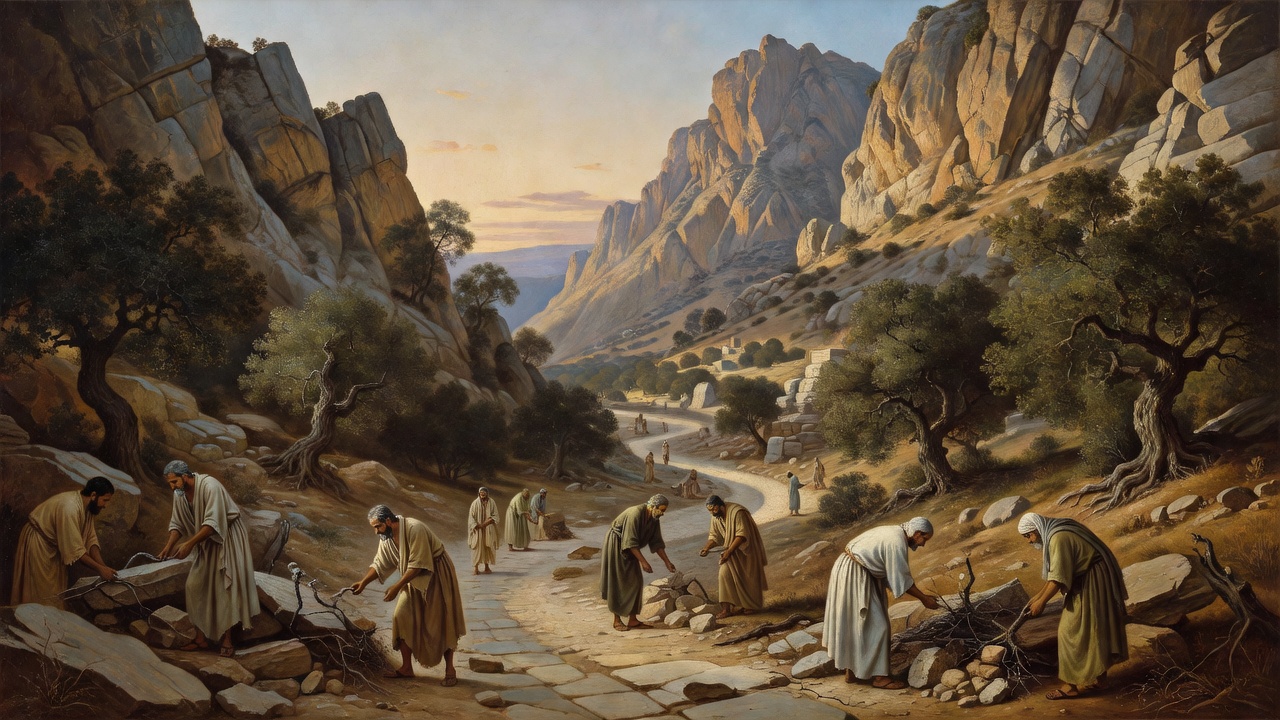
14Iwe, Kot epwe apasa, “Oupwe föri, oupwe föri efoch al o amolla. Oupwe angei föün lon pwe resap epeti ewe al nei aramas repwe fetal lon.” 15Pun iei alon Ewe mi Unusen Tekia, ewe mi manau tori feilfeilachök, itan Ewe mi Pin, “Ngang üa imweimw lon eu leni mi pin o tekia, pwal ren eman mi luketatakis o tipetekison, pwe üpwe amanaua ngüngün chon tipetekison o apöchöküla leluken chon liamam. 16Iwe, üsap pälüeniir feilfeilachök, üsap pwal songeitiir fansoun meinisin. Pun are üpwe föri iei usun, ekewe aramas üa föriir repwe mäla, enienin ngasangaser üa awora epwe müchüla. 17Iwe, üa song ngeni nei aramas pokiten ar tipisin mochenia, iei mine üa apwüngüür o amona mesei seniir. Nge ir ra chök sopwela le föri letiper. 18Iwe, üa küna föförür meinisin, nge üpwe chök amanaueer. Üpwe emweniir o fokun achipeer. Üpwe pwal aururu ir mi letipeta o föri pwe repwe mwareitiei. 19Iwe, üpwe awora kinamwe, kinamwe ngeni chokewe mi toau pwal ngeni chokewe mi arap, üpwe fokun amanaueer,” iei alon ewe Samol mi Lapalap. 20“Nge ekewe chon föföringau ra usun chök nonoon lematau esap tongeni pos, pwe a chök kuar ren nonoon lon, a kümetätä pwakak me limengau. 21Iwe, ekewe chon föföringau esap wor ar kinamwe,” iei alon ai Kot.
Did you know?
Idolatry Denounced and Comfort for the Contrite
- The chapter sharply rebukes specific idolatrous practices, including pagan rites beneath sacred oaks, ritual drink offerings poured out to smooth stones in valleys, and child sacrifices offered in the clefts of the rocks.Sources: the Bible text itself
- In contrast to distant deities, the text presents the eternal and holy God as choosing to dwell not only in a high and holy place, but also among the lowly, oppressed, and contrite in spirit to restore and heal them.Sources: the Bible text itself
Notes written with AI assistance from open sources (Theographic Bible Metadata, CC BY-SA 4.0; Easton’s Bible Dictionary, public domain) and reviewed before publishing.
Credits and license for this translation
Paipel
The Holy Bible in the Chuukese language of the Federated States of Micronesia
copyright © 1984, 1989, 1991, 2001 Liebenzel Mission
Language: Chuukese
Translation by: Liebenzell Mission
Old Testament © 1989, 2001 Liebenzel Mission
New Testament © 1984, 1991 Liebenzel Mission
This translation is made available to you under the terms of the
Creative Commons Attribution-No Derivatives license 4.0.
You may share and redistribute this Bible translation or extracts from it in any format, provided that:
You include the above copyright and source information.
You do not make any derivative works that change any of the actual words or punctuation of the Scriptures.
Pictures included with Scriptures and other documents on this site are licensed just for use with those Scriptures and documents.
For other uses, please contact the respective copyright owners.
2024-01-24
Source: http://ebible.org/chk/ · eBible.org