Isaiah 50
Paipel · Tap a verse to see its cross-references.
1Iei alon ewe Samol mi Lapalap,
“Ifan ewe toropwen mwüfesen üa pöütala inemi ren?
Üa amömökemiila ngeni iö pokiten ai liwinimang ngeni?
Nengeni, oua püsin amömökemiila pokiten ämi kewe tipis,
nge pokiten ämi kewe pupungau inemi a mwü.
2Pwota esap wor eman a nom, lupwen üa feito?
Pwota esap wor eman a päpälü, lupwen üa kökkö?
Ifa usun, pei a mochomoch pwe üsap tongeni amanauakemi?
Ifa usun, esap wor ai tufich pwe üpwe tongeni angasakemi?
Üa apwasatä matau ren ai kapasen fön,
üa pwal awili chanpupu ngeni fanüapö,
pwe ikenen lon ra mäla o pwongau pokiten esap wor koluk.
3Ngang üa achunoi läng ren rochopwak
pwe a usun chök pwölüla ren mangaku seni tuk,
iei asisilen an letipeta.”
Nöün Kot chon angang a aleasochis
4Iwe, Kot ewe Samol mi Lapalap a atufichiei le kapas
pwe üpwe silei met sokun kapas üpwe achipa ngeni chon riaföü.
Iteiten lesosor a föngüniei,
a suki selingei pwe üpwe tufichin aüseling
usun eman chon kaiö a aüseling.
5Iwe, Kot ewe Samol mi Lapalap a suki selingei,
nge üsap lükümach ngeni, üsap pwal sap seni.
6Üa mwüt ngeni chokewe mi mochen awataei pwe repwe wichi söküri,
üa pwal asele ngeni sapei chokewe mi pösapeei. Üsap aopa won
mesei seni chokewe mi turunufaseei o atufaei.
7Iwe, Kot ewe Samol mi Lapalap a alisiei, iei mine üsap itengau.
Üa awowopöchökülei won mesei usun eföü fau, pun üa silei pwe üsap säw.
8Iwe, Kot a arap ngeniei o peniei. Iö epwe anini ngeniei?
Aipwe chök üpälüfengen. Iö a mochen kapwüng ngeniei? Epwe chök feito rei.
9Nengeni, Kot ewe Samol mi Lapalap a alisiei. Iö epwe tongeni atipisiei? Iwe, ekewe chon atipisiei meinisin repwe rosola usun echö katup pwötür ra eni.
10Iö leimi a niueiti ewe Samol mi Lapalap
o aleasochisi alon nöün we chon angang?
Ätewe mi fetal lon rochopwak, nge esap küna och saram,
epwe chök lükü ewe Samol mi Unusen Manaman o apilükülükü an we Kot.
11Nge ämi mi rawangauei chon arumi pwe repwe feiengau,
oupwe püsin feiengau ren ämi rawangau.
Iei usun mine ewe Samol mi Lapalap epwe föri ngenikemi.
Epwe atolongakemi lon riaföü.
Did you know?
The Obedient Servant and Divine Vindication
- In ancient Near Eastern legal custom, a husband issued a certificate of divorce to formalize a separation, and impoverished debtors might sell their children into servitude. In Isaiah 50:1, God uses these legal metaphors to demonstrate that Israel was not abandoned due to a divine debt or permanent annulment of the covenant, but went into exile because of its own transgressions.Sources: the Bible text itself
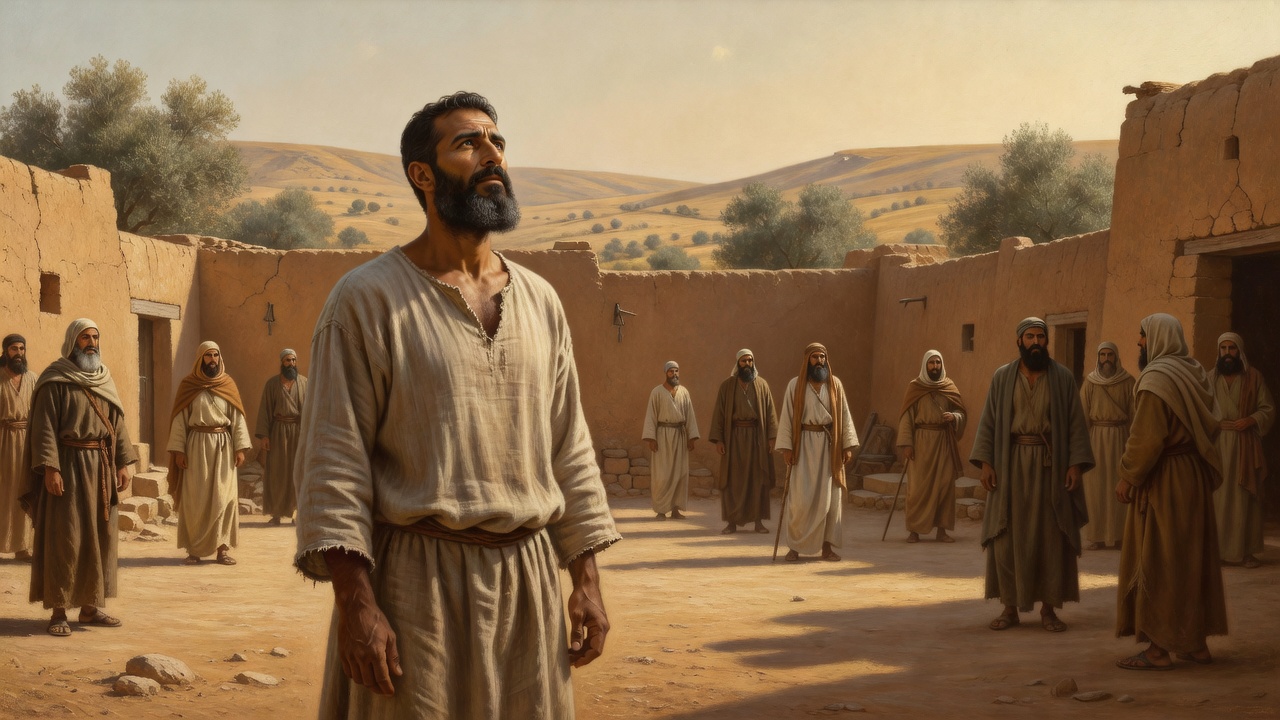
- The speaker in Isaiah 50:4–7 portrays the posture of an attentive disciple who willingly endures physical maltreatment, including beatings, the plucking of his beard, and being spat upon. Setting one's face 'like flint' is a vivid idiom signifying resolute determination and steadfast trust in God despite public shame and hostility.Sources: the Bible text itself
Notes written with AI assistance from open sources (Theographic Bible Metadata, CC BY-SA 4.0; Easton’s Bible Dictionary, public domain) and reviewed before publishing.
Credits and license for this translation
Paipel
The Holy Bible in the Chuukese language of the Federated States of Micronesia
copyright © 1984, 1989, 1991, 2001 Liebenzel Mission
Language: Chuukese
Translation by: Liebenzell Mission
Old Testament © 1989, 2001 Liebenzel Mission
New Testament © 1984, 1991 Liebenzel Mission
This translation is made available to you under the terms of the
Creative Commons Attribution-No Derivatives license 4.0.
You may share and redistribute this Bible translation or extracts from it in any format, provided that:
You include the above copyright and source information.
You do not make any derivative works that change any of the actual words or punctuation of the Scriptures.
Pictures included with Scriptures and other documents on this site are licensed just for use with those Scriptures and documents.
For other uses, please contact the respective copyright owners.
2024-01-24
Source: http://ebible.org/chk/ · eBible.org