Isaiah 11
Paipel · Tap a verse to see its cross-references.
Eman mwirimwirin Tafit epwe nemenem fän pwüng
1Iwe, ekewe mwirimwirin Tafit ra usun efoch irä mi pöküpökütiu. Nge usun ekoch fasar ra pwükütä seni ewe popun, iei usun eman king mi fö epwe ütä seni me lein ekewe mwirimwirin Tafit.
2Iwe, Ngünün ewe Samol mi Lapalap epwe nonom won,
ewe Ngün epwe ngeni tipachem me mirit, ekieköch me tufich.
Epwe pwal silei letipen ewe Samol mi Lapalap o niueiti i.
3Iwe, epwe pwapwa ngeni an epwe aleasochisi ewe Samol mi Lapalap fän niuokus.
Iwe, esap eäni apwüng ren künan mesan, esap pwal apwüngala och ren rongeen selingan.
4Nge epwe apwüngü chon wöüngau fän pwüng,
epwe pwal peni chon tipetekison won fanüfan, nge esap lifilifil.
Iwe, epwe afeiengaua fanüfan ren an kapas
usun sa afeiengaua eman ren efoch wok,
epwe pwal niela chon föföringau ren enienin ngasangasan.
5Epwe nemeni nöün aramas fän pwüng me allükülük.
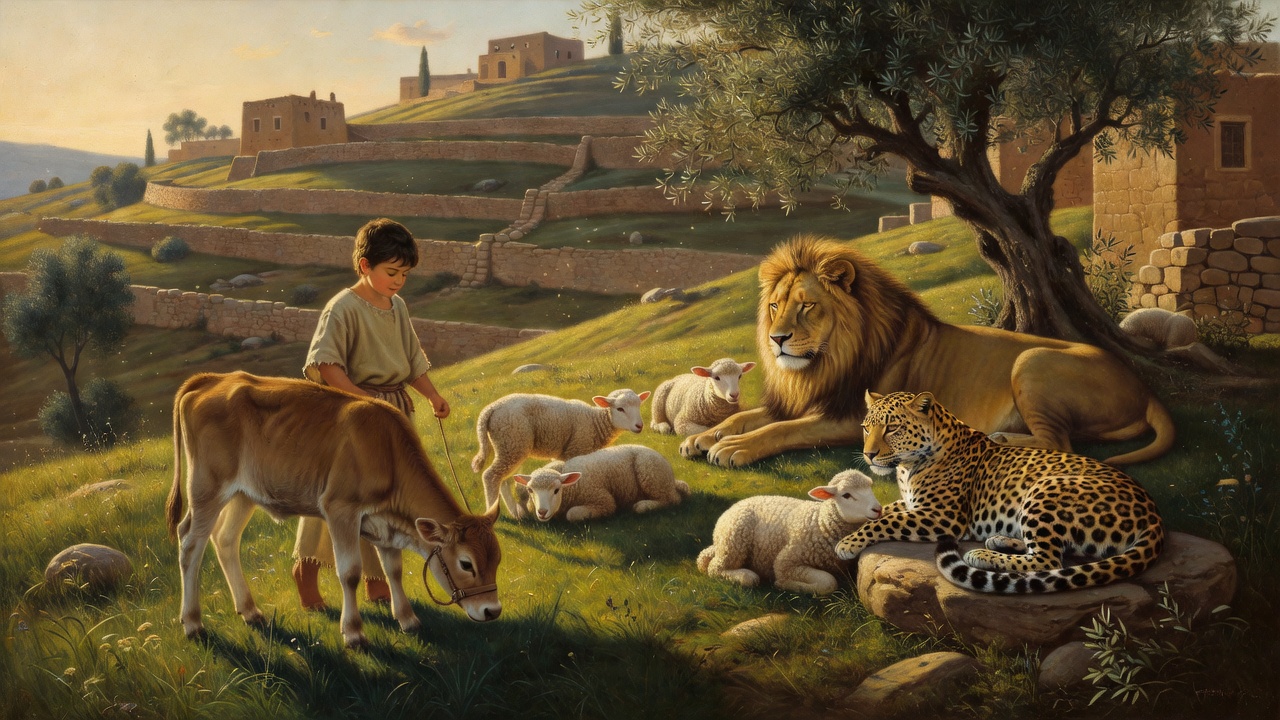
6Eman wolif me eman apanen sip repwe chiechifengen,
eman man itan lepart me eman apanen kuuch repwe nonomfengen,
eman apanen kow me eman laion me eman man mi öümanau repwe kinamwefengen,
nge eman semirit epwe emweniir.
7Iwe, eman kow me eman pear repwe mongöfengen,
apaner repwe nonomfengen,
nge eman laion epwe mongö fetilipwas usun eman kow.
8Eman mönükol epwe urumwot arun pwangen serepenit mi poison,
nge eman semirit epwe sökalong pöün lon pwangen noput,
nge resap feiengau rer.
9Esap wor eman epwe afeiengaua eman ika ataela och
won chukun Kot mi pin,
pun än chon fanüfan silei ewe Samol mi Lapalap
epwe alolol usun chök alololun matau.
10Lon ena fansoun epwe fis pwe ewe king mi fö seni mwirimwirin Tafit epwe ütä usun chök efoch asisil fän iten chon ekewe mwü meinisin. Iwe, repwe chufengen lon telinimwan mi ling o asamolu.
Chon Israel repwe liwiniti fanüer fän pwapwa
11Lon ena fansoun ewe Samol epwe aitiela pöün fän aruuan pwe epwe aliwinato nöün aramas mi chüen manau seni Asiria, Isip, Patros, Itiopia, Elam, Papilon me Hamat, pwal seni lon ekewe fanü mi nom aroset me ekewe fanü mi nom lematau, pwe repwe liwiniti lenier. 12Iwe, epwe aüetä efoch asisil ngeni chon ekewe mwü o pwäri ngeniir pwe a achufengenisefäli ekewe chon Israel me chon Juta mi toropasfeil o aliwinisefäliir seni lepwokukun fanüfan me rüanü. 13Iwe, än chon Israel lolowo epwe wesila, nge ir mi ariaföüü chon Juta repwe kärila. Esap chüen wor än chon Israel lolowo ngeni chon Juta, nge chon Juta resap chüen oput chon Israel. 14Repwe chufengen le maun ngeni chon Filistia mi nom lotou, o angei fän pöchökül pisekin ekewe aramas mi nom ötiu. Repwe liapeni ekewe chon Etom me chon Moap, nge chon Amon repwe aleasochis ngeniir. 15Iwe, ewe Samol mi Lapalap epwe apwasatä ewe Setin Isip ren enienin asepwäl mi pwichikar, epwe pwal aitiela pöün won ewe chanpupu Oifrat o kinifeseni lon fisu kinikin, pwe aramas repwe tongeni feila epek, nge pecher resap chöchön. 16Iwe, epwe wor efoch alalap seni Asiria fän iten nöün Kot kewe aramas mi chüen manau, usun a wor efoch al me lom fän iten chon Israel, lupwen ra towu seni Isip.
Did you know?
The Peaceful Kingdom and the Restored Remnant
- Jesse of Bethlehem was the father of King David. By describing the coming ruler as a shoot from the stump of Jesse and as the root of Jesse, the prophecy points to a renewal of the Davidic line even after the royal house appeared cut down.Sources: Jesse · the Bible text itself
- The places listed for the gathering of the remnant reflect the ancient Near Eastern world: Pathros designates Upper Egypt, Shinar is an ancient name for Babylonia in southern Mesopotamia, and Elam was a highland territory east of Babylon.Sources: Pathros · Shinar · Elam · the Bible text itself
- Ephraim, named for the second son of Joseph, was often used in prophetic literature to represent the northern kingdom of Israel. Isaiah foresees a time of lasting reconciliation that ends the long-standing jealousy and conflict between the northern tribes and Judah.Sources: Ephraim · the Bible text itself
Notes written with AI assistance from open sources (Theographic Bible Metadata, CC BY-SA 4.0; Easton’s Bible Dictionary, public domain) and reviewed before publishing.
Places in this chapter
- Assyria · 36.359, 43.153 · verses 11, 16
- Cush · Today: Cush 1 · 16.935, 33.751 · verse 11
- Egypt · 30.129, 31.308 · verses 11, 16
- Elam · 32.189, 48.258 · verse 11
- Great Sea · Today: Mediterranean Sea · 31.805, 34.170 · verse 11
- Hamath · Today: Hama · 35.136, 36.750 · verse 11
- Pathros · Today: Upper Egypt · 24.100, 32.700 · verse 11
- Shinar · Today: Babylonia · 32.543, 44.422 · verse 11
- Ammon · 31.955, 35.934 · verse 14
- East · Today: region around Amman · 31.955, 35.934 · verse 14
- Edom · 30.746, 35.604 · verse 14
- Moab · Today: Moab 1 · 31.181, 35.701 · verse 14
- Philistia · 31.664, 34.546 · verse 14
- Euphrates · Today: Euphrates River · 31.004, 47.442 · verse 15
Only places identified with high confidence are shown (90% or more according to the scholarly sources compiled by OpenBible). Period map: DARE (Digital Atlas of the Roman Empire), CC BY 4.0; modern map: © OpenStreetMap contributors; places: OpenBible.info (CC BY 4.0).
Credits and license for this translation
Paipel
The Holy Bible in the Chuukese language of the Federated States of Micronesia
copyright © 1984, 1989, 1991, 2001 Liebenzel Mission
Language: Chuukese
Translation by: Liebenzell Mission
Old Testament © 1989, 2001 Liebenzel Mission
New Testament © 1984, 1991 Liebenzel Mission
This translation is made available to you under the terms of the
Creative Commons Attribution-No Derivatives license 4.0.
You may share and redistribute this Bible translation or extracts from it in any format, provided that:
You include the above copyright and source information.
You do not make any derivative works that change any of the actual words or punctuation of the Scriptures.
Pictures included with Scriptures and other documents on this site are licensed just for use with those Scriptures and documents.
For other uses, please contact the respective copyright owners.
2024-01-24
Source: http://ebible.org/chk/ · eBible.org