Hebrews 10
Paipel · Tap a verse to see its cross-references.
1Pun ekewe Allük ra chök ngünüen ekewe mettoch mi mürina repwe feito, nge esap wesewesen iei inisin ekewe mettoch. Ra eäni ekewe chök sokun asor fansoun meinisin iteiten ier me ier. Epwe ifa usun än ekewe aramas mi feito ren Kot repwe tongeni unusöchüla ren ar apwönüetä ekewe allük usun ekewe asor? 2Ika ekewe aramas mi fel ngeni Kot ra wesewesen limöchüla seni ar tipis, resap chüen mefi ar tipis o ekewe asor meinisin repwe köüla. 3Nge ekewe asor mi fis iteiten ier ra achema ngeni ekewe aramas ar tipis. 4Pun chaan ekewe ätemwänin kow me chaan ekewe kuuch resap fokun tongeni amorala tipis.
5Iei mine, lupwen Kraist epwele feito fanüfan a üreni Kot,
“Kosap mochen ekewe asor me lifang,
nge ka ngeniei eu inis.
6Kosap pwapwaiti asoren man mi kekkila won ewe rongen asor,
ika sokun asor mi amorala tipis.
7Mürin üa apasa, ‘Ai Kot, ngang iei, üpwe föri letipom,
usun a mak usi lon ewe puken Allük.’”
8A akomwen apasa, “Kosap mochen ika pwapwaiti ekewe asor me lifang, ika asoren man mi kekkila won ewe rongen asor me sokun asor mi amorala tipis.” A apasa ei, inamwo ika ekei asor meinisin ra fis fän pwüngün ekewe Allük. 9Mürin a apasa, “Ai Kot, ngang iei, üpwe föri letipom.” Iei mine Kot a awesi ekewe asor minen lom o atolonga ewe asor än Kraist lon lenier. 10Pokiten Jesus Kraist a föri mine Kot a mochen pwe epwe föri, kich meinisin sia küna limöch seni tipis pun a eäni asor püsin inisin fän eu chök, nge a naf ngeni fansoun meinisin.
11Ekewe souasor meinisin ra föri ar angang iteiten rän o eäni asor ekewe chök sokun asor fän chomong. Nge ekei asor resap tongeni amorala än aramas tipis. 12Nge Kraist a eäni eu chök asor fän iten tipis, eu asor mi manaman tori feilfeilachök. Mürin a mottiu lepelifichin Kot. 13Seni ena fansoun a witiwit tori Kot epwe anomu chon oputan pwe repwe lenien puun pechen. 14Pun ren eu chök asor a aunusöchüela chokewe meinisin mi küna limöch seni ar tipis tori feilfeilachök.
15Iwe, pwal ewe Ngünmifel a pwärätä ngenikich usun ei. Akomwan a apasa,
16“Iei ewe pwon üpwe föri ngeniir
lon ekewe rän repwe feito, iei alon ewe Samol:
Üpwe atolonga ai kewe allük lon leluker
o makkeretiu lon letiper.”
17Mürin a apasa, “Ngang üsap chüen chechemeni ar kewe tipis me föför mi ngau.” 18Iei mine lupwen ar kewe tipis a musala, esap chüen wor lomoten an epwe fis asoren amusamusen tipis.
Ousipwe arapfochofoch ngeni Kot
19Iei mine ämi pwii kana, esap fokun wor och mine epwe epetikich ach sipwe tolong lon ewe Leni mi Unusen Pin ren chaan Jesus. 20I a suki ngenikich efoch al mi fö, efoch al mi manau, mi pwerelong pekilan ewe cheech mangaku, wewen iei püsin inisin. 21Sia eäni eman souasor mi tekia, a nemeni ewe imwen Kot. 22Iei mine ousipwe arap ngeni Kot ren wenecharen letipach, pwal fän lükülük mi nüküchar, ren letipach mi limöch seni mengiringirin ach tipis, pwal ren inisich mi limelim ren koluk mi limöch. 23Ousipwe kamwöchünük won ewe apilüköch sia pwärätä, pun Kot ewe mi pwon a allükülük. 24Ousipwe ekiekifengeni usun ach sipwe tongeni alollolätai chienach ren ach eäni chen me föför mürina. Sisap likiti ach eti ach mwichfengen.|src="avnt093.tif" size="span" loc="53" ref="10.25" 25Sisap likiti ach eti ach mwichfengen usun ekoch ra föföri. Nge sipwe fokun apöchökülafengenikich lefilach, pun sia silei pwe Ränin ach Samol a arapoto.
26Pun are sia chök sopwela le föri tipis mürin ach sia fen silei ewe let, esap chüen wor och asor fänäsengesin ach tipis. 27Nge sipwe chök witiwit fän niuokus ren ewe Ränin Kapwüng me afeiengauen ewe ekkei epwe arosala chokewe mi ü ngeni Kot. 28Are ruoman ika ülüman chon pwärätä ra tongeni alletätä pwe eman aramas a tipisin aleasolap ngeni än Moses Allük, epwe chök ninnila, nge esap küna ümöümöch. 29Oupwe ekieki epwe ifan me watten liwinin tipisin eman aramas mi aitengaua ewe Nöün Kot o aüongaua pinin chaan än Kot we pwon a küna pin ren, a pwal turunufasei ewe Ngünün ümöümöch. 30Pun sia silei ewe mi apasa, “Üpwe ngeniir chappen ar föför, ngang üpwe liwini ngeniir.” A pwal apasa, “Ewe Samol epwe apwüngü nöün aramas.” 31A men fokun eniweniw ach turulong lepöün ewe Kot mi manau!
32Oupwe chechemeni mine a fis ngenikemi me lom. Lon ekewe rän, mürin än Kot saram a tin lomi, oua küna chomong sokun riaföü, nge ousap kuf lon ekewe weires oua tolong lon. 33Fän ekoch oua küna turunufas me riaföü mwen mesen aramas, nge pwal fän ekoch oua chiechi ngeni chokewe mi tolong lon ekei sokun riaföü. 34Oua tongäsini chokewe mi nom lon imwen fötek, nge lupwen ra angei pisekimi meinisin fän pöchökül, oua likiti ngeniir fän pwapwa, pun oua silei pwe oua chüen eäni och mi mürina seni, epwe nonomola tori feilfeilachök. 35Ousap pöütala ämi apilüköch, pun epwe atoto ngenikemi eu liwin mi watte. 36Oupwe fokun likitü, pwe oupwe föri letipen Kot o angei mine a eäni pwon. 37Pun a mak lon ekewe Toropwe mi Pin,
“Ekis chök fansoun mürin
ätewe epwe feito epwe war, esap mang.
38Ekewe chon pwüng repwe manau ren ar lükü Kot.
Nge are eman leir epwe liwinsefäl, ngang üsap pwapwaiti.”
39Nge kich sisap eti chokewe mi liwinsefäl o pöütmwälila, pwe sia eti chokewe mi lükü o küna manau.
Did you know?
A Sacrifice Offered Once for All
- The law is called only a shadow of the good things to come. Sacrifices repeated year after year, and the blood of bulls and goats, are said to remind worshipers of sins rather than take those sins away; by contrast, the sacrifice of the body of Jesus Christ is presented as sanctifying people once for all.Sources: the Bible text itself
- Every priest is pictured standing day after day to offer the same sacrifices, which can never take away sins. After one sacrifice for sins, this Priest is said to have sat down at the right hand of God, and the chapter speaks of a new and living way into the Most Holy Place through the curtain of his body.Sources: the Bible text itself
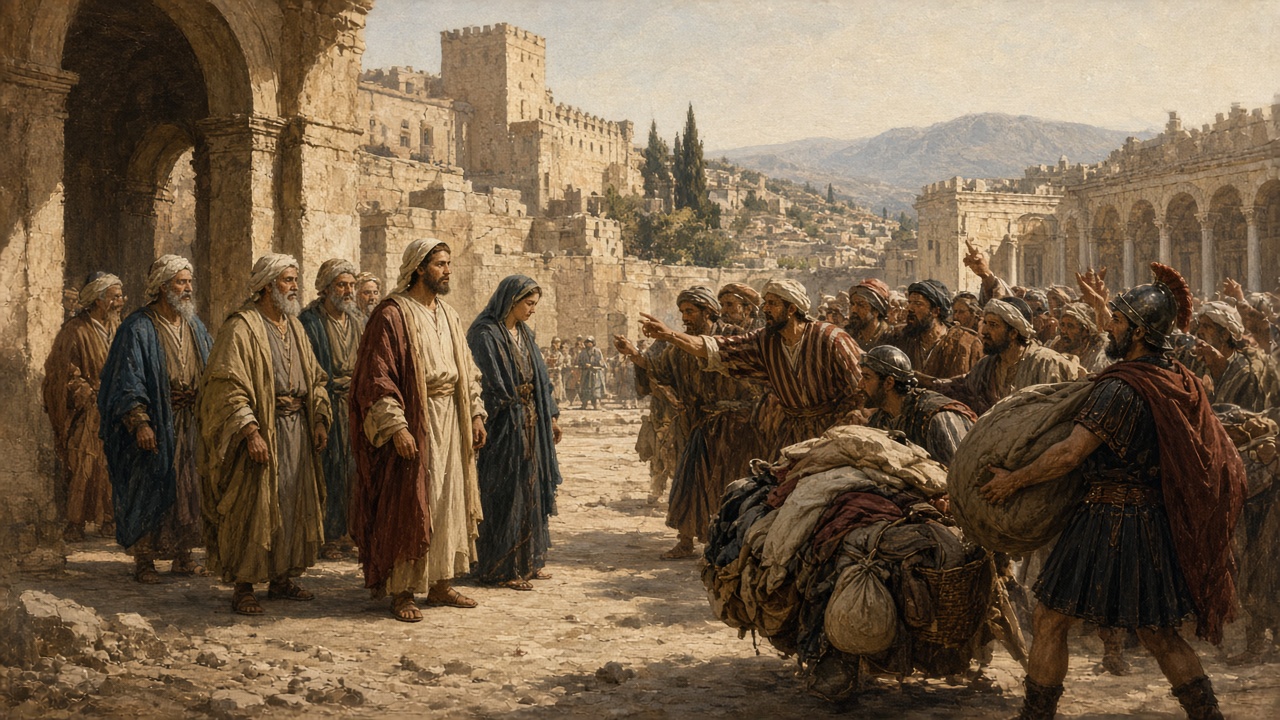
- Rejecting the law of Moses, the chapter says, brought death without mercy on the testimony of two or three witnesses. It then recalls an earlier time when the readers endured public ridicule and persecution, stood with those so treated, sympathized with people in prison, and joyfully accepted the confiscation of their property.Sources: the Bible text itself
Notes written with AI assistance from open sources (Theographic Bible Metadata, CC BY-SA 4.0; Easton’s Bible Dictionary, public domain) and reviewed before publishing.
Places in this chapter
Only places identified with high confidence are shown (90% or more according to the scholarly sources compiled by OpenBible). Period map: DARE (Digital Atlas of the Roman Empire), CC BY 4.0; modern map: © OpenStreetMap contributors; places: OpenBible.info (CC BY 4.0).
Credits and license for this translation
Paipel
The Holy Bible in the Chuukese language of the Federated States of Micronesia
copyright © 1984, 1989, 1991, 2001 Liebenzel Mission
Language: Chuukese
Translation by: Liebenzell Mission
Old Testament © 1989, 2001 Liebenzel Mission
New Testament © 1984, 1991 Liebenzel Mission
This translation is made available to you under the terms of the
Creative Commons Attribution-No Derivatives license 4.0.
You may share and redistribute this Bible translation or extracts from it in any format, provided that:
You include the above copyright and source information.
You do not make any derivative works that change any of the actual words or punctuation of the Scriptures.
Pictures included with Scriptures and other documents on this site are licensed just for use with those Scriptures and documents.
For other uses, please contact the respective copyright owners.
2024-01-24
Source: http://ebible.org/chk/ · eBible.org