Ephesians 4
Paipel · Tap a verse to see its cross-references.
Eufengen lon ewe inisin Kraist
1Ngang eman chon fötek pokiten ai angang ngeni ach Samol, üa mochen pese ngenikemi pwe oupwe manaueni eu manau mi fich ngeni ewe kö seni Kot. 2Oupwe tipetekison fansoun meinisin, oupwe tipepwetete o mosonotam. Oupwe echenifengenikemi ren ämi songomangfengen lefilemi. 3Oupwe fokun achocho le tümwünü ämi tipeeufengen lon ewe Ngünmifel ren ewe kinamwe mi rifengenikemi. 4Mi wor eu chök inis me eman chök Ngün, usun a pwal wor eu chök apilükülüköch Kot a köri ngenikemi. 5Mi wor eman chök ämi Samol, eu chök lükülük, eu chök papatais, 6oua pwal eäni eman chök Kot, ewe Semen aramas meinisin, i a nemeni mettoch meinisin, a angang ren mettoch meinisin o nonom loch meinisin.
7Iwe, iteiten eman me eman leich sia fen angei ewe lifangen ümöümöch lon aükükün ewe lifang Kraist a ngenikich. 8Iei usun mine a mak lon ekewe Toropwe mi Pin:
“Lupwen a feitä won ewe chuk mi fokun tekia,
a emwenatä chomong chon oola lon an we mwich
a pwal ngeni ekewe aramas lifanger.” 9Iwe, met wewen “a feitä”? Wewen pwe a akomwen feitiu lon ekewe leni mi alolol epin fanüfan. 10Ewe eman mi feitiu pwal i chök ewe eman mi feitä asen ekewe läng meinisin, pwe epwe amasoua unusen läng me fanüfan. 11I ewe mi “ngeni aramas lifanger”. A filätä ekoch pwe repwe soukünö, pwal ekoch repwe soufos, pwal ekoch repwe chon asoulängala aramas, nge pwal ekoch repwe soumas me sense. 12A föri ei pwe epwe amolöchü nöün Kot kewe aramas meinisin fän iten ewe angang souläng ra wisen föri, pwe repwe apöchökülätä ewe inisin Kraist. 13Iei usun oukich meinisin sipwe achufengenikich pwe sipwe eufengen lon ach lükü Jesus pwal lon ach sileöchü ewe Nöün Kot. Sipwe eäni tipen mwän lon manauach, pwe sipwe tori ükükün ewe unusöchün Kraist. 14Mürin sisap chüen sokuni sokun semirit, sisap chüen chüwölüwölfeil ren no kana o mamaanfeil ren enienin asepwälin än chon likatuputup afalafal, ir ätekewe mi emweningaua ekoch aramas ren ar tunochofona. 15Nge ren ach kapas wenechar fän tong sipwe fokun mämäritä lon mettoch meinisin ngeni Kraist, i ewe möküren mwichefel. 16Fan an nemenem ekewe sokopaten kifetin ewe inis meinisin ra masfengen, nge unusen ewe inis a kochufengen ren ekewe kirupun lekupukup meinisin mi wor ren. Iei usun lupwen eu me eu kewe kifetin inis a föri wisan, unusen ewe inis epwe mämäritä o püsin pöchökületä ren tong.
Ewe manau mi fö lon Kraist
17Iwe, fän iten ach Samol üa fönöökemi pwe ousap sopwela le manaueni manauen chokewe mi nom lon rochopwak, pun ar ekiek a lomotongau, 18a rochopwak lon letiper. Resap etikich le manaueni ewe manau mi fö Kot a ngenikich, pun ra fokun tiparoch o tipeförea. 19Resap mefi säw. Ra fangatä püsin ir ngeni mocheisou me sokun föför mi limengau meinisin, nge resap mochen ükütiu seni. Ousap mwüt ngeni ämi song epwe emwenikemiilong lon tipis!|src="avnt084.tif" size="col" loc="40" ref="4.26"
20Nge mine oua kaiö usun Kraist esap iei usun. 21Enlet, ämi oua fen rongorong usun i, oua pwal kaiö ewe let mi nom lon Jesus, pokiten oua chon tapwela mürin. 22Iei mine oupwe likitätiu ekewe föför oua föföri lupwen oua manaueni ewe manauen lom, iei ewe manau a katala ren an kewe mochenia mi atuputup. 23Letipemi me ekiekimi epwe fokun söfösefäl, 24oupwe fokun angei ewe manau mi fö mi för lon lapalapen Kot o pwäla lon eu manau mi enletin pwüng me pin.
25Iei mine ousap chüen kapas chofona. Oupwe eäni kapas wenechar ngeni pwimi kewe souläng, pun kich meinisin kifetin ewe inisin Kraist. 26Are oua song, ousap mwüt ngeni ämi song epwe emwenikemiilong lon tipis! Ousap amwöchü ämi song tori akkar epwe tuputiu. 27Ousap mwüt ngeni Tefil an epwe sotunikemi pwe oupwe tipis. 28Eman mi sosolä me lom epwe ükütiu le solä, nge epwe achocho le angang pwe epwe wor met epwe lomot ngeni püsin i, epwe pwal tongeni alisi ekewe mi wöüngau. 29Esap wor kapas mi ngau epwe towu seni lon awemi, pwe kapas mi mürina chök, sokun kapas mi afefetai aramas o alisiir lon ar osupwang, pwe chokewe mi rongorong ngeni repwe feiöch ren. 30Ousap achouala Ngünmifel, ewe Ngünün Kot, oua pwau ren tori ewe ränin än Kot epwe angasakemi. 31Oupwe atoaua senikemi sokun koum, chou me song. Ousap chüen akürang ngeni aramas ika turunufaser, ousap pwal chüen oput eman aramas. 32Nge oupwe eäni kirikiröch o leluköch lefilemi, oupwe amusamusfengen usun chök Kot a amusala ämi tipis ren Kraist.
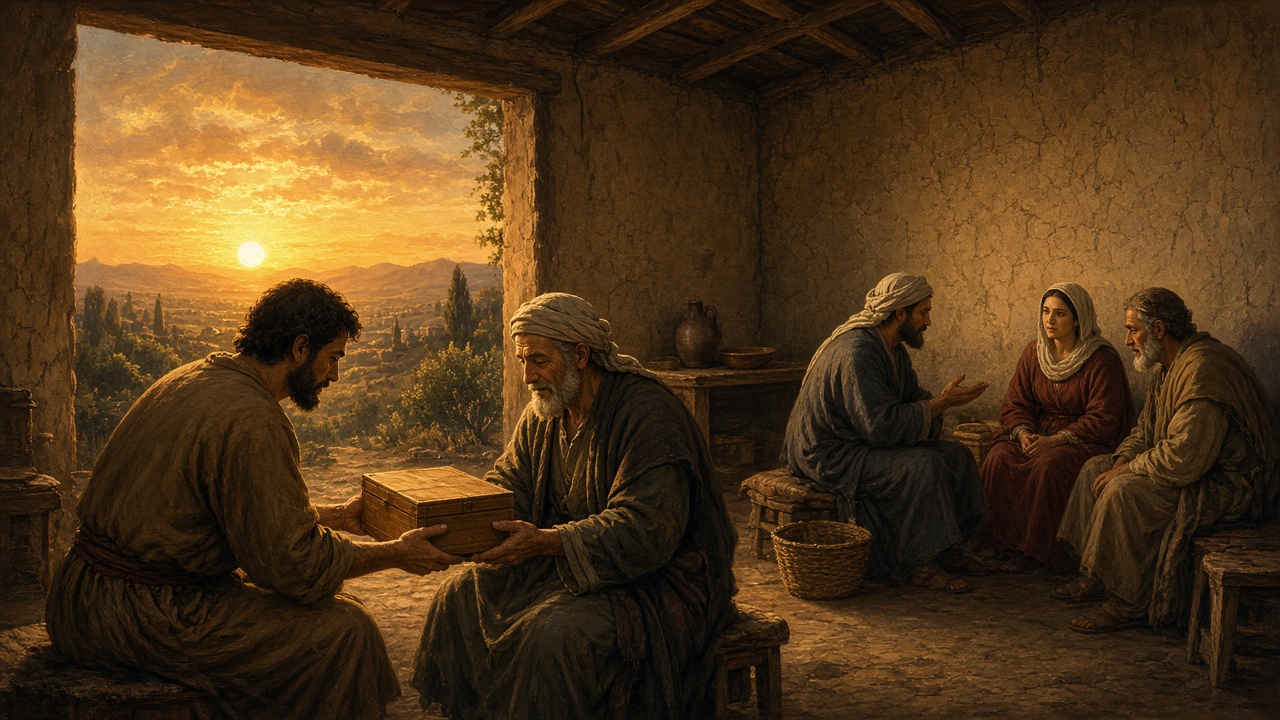
Did you know?
One Body and a Worthy Life
- The chapter opens with the writer calling himself a prisoner in the Lord and urging the readers to walk in a manner worthy of the calling they have received, with humility, gentleness, patience, and diligence to preserve the unity of the Spirit through the bond of peace.Sources: the Bible text itself
- That appeal rests on shared realities named in the chapter: one body, one Spirit, one hope, one Lord, one faith, one baptism, and one God and Father of all, who is over all and through all and in all. The same passage says that the one who ascended gave some to be apostles, some prophets, some evangelists, and some pastors and teachers, to equip the saints and build up the body.Sources: the Bible text itself
- The chapter then pictures a changed life as putting off the former way of life, the old self, and putting on the new self. It tells the readers to put away falsehood and speak truthfully, since they are members of one another; to be angry without sinning and not to let the sun set on their anger; and not to grieve the Holy Spirit of God, in whom they were sealed for the day of redemption.Sources: the Bible text itself
Notes written with AI assistance from open sources (Theographic Bible Metadata, CC BY-SA 4.0; Easton’s Bible Dictionary, public domain) and reviewed before publishing.
Credits and license for this translation
Paipel
The Holy Bible in the Chuukese language of the Federated States of Micronesia
copyright © 1984, 1989, 1991, 2001 Liebenzel Mission
Language: Chuukese
Translation by: Liebenzell Mission
Old Testament © 1989, 2001 Liebenzel Mission
New Testament © 1984, 1991 Liebenzel Mission
This translation is made available to you under the terms of the
Creative Commons Attribution-No Derivatives license 4.0.
You may share and redistribute this Bible translation or extracts from it in any format, provided that:
You include the above copyright and source information.
You do not make any derivative works that change any of the actual words or punctuation of the Scriptures.
Pictures included with Scriptures and other documents on this site are licensed just for use with those Scriptures and documents.
For other uses, please contact the respective copyright owners.
2024-01-24
Source: http://ebible.org/chk/ · eBible.org