Deuteronomy 33
Paipel · Tap a verse to see its cross-references.
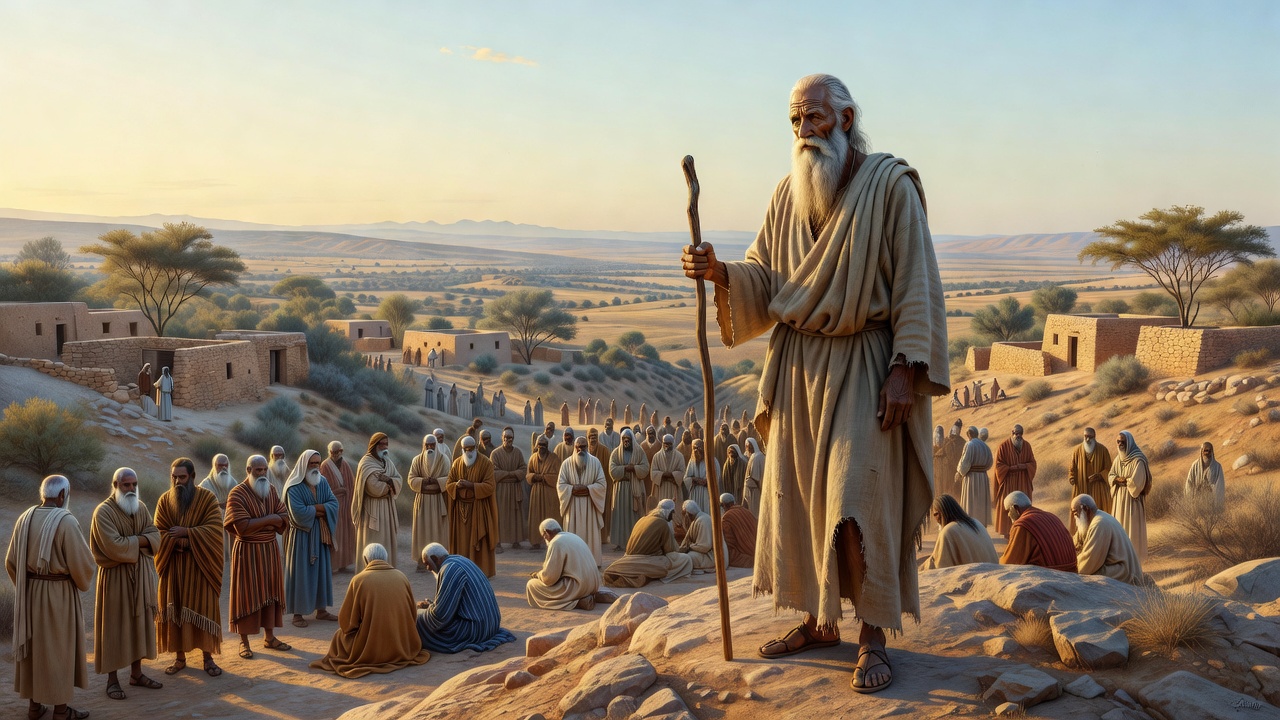
Moses a afeiöchü chon ekewe ainangen Israel
1Iei ewe kapasen feiöch Moses ewe aramasen Kot a afeiöchü ngeni ekewe aramasen Israel mwen an mäla.
2Iwe, a apasa,
“Ewe Samol mi Lapalap a feito seni ewe chuk Sinai,
a saramoto woch seni ewe chuk Seir,
a tineto seni ewe chuk Paran,
a feito seni ekewe engol ngeröün chon pin,
ekkei mi ngetenget a nom lepelifichin.
3Ellet, a tongei nöün aramas.
Nöün chon pin ra nom lepöün.
Iwe, ra chapetiu arun pechen o angei an öüröür,
4ewe allük Moses a ngenikich
pwe epwe än mwirimwirin Jakop.
5Ewe Samol mi Lapalap a kingen Jesurun,
lupwen ekewe ainangen Israel me ar kewe souemwen meinisin ra chufengen.”
6Iwe, Moses a apasa usun ewe ainangen Rupen,
“Chon ewe ainangen Rupen repwe manau,
nge resap mäla, nge nöür mwän repwe chokükün.”
7A apasa usun ewe ainangen Juta,
“Ai Samol mi Lapalap, kopwe rongorong än chon Juta siö,
kopwe aliwinisefäliir ngeni ekewe lusun ainang.
Kopwe maun fän iter,
kopwe alisiir le fiu ngeni chon oputeer.”
8Nge a apasa usun ewe ainangen Lefi,
“Kopwe ngeni chon ewe ainangen Lefi noum kewe chon pin om Tumim me om Urim .
Ka sotuniir me Masa,
ka anini ngeniir me arun ewe kolukun Meripa.
9Ra kapas usun semer me iner, ‘Üsap sileer.’
Resap aücheani pwiir, resap pwal silei nöür.
Nge ra apwönüetä om kewe kapas
o tümwünü om pwon.
10Iwe, repwe aiti ngeni ekewe mwirimwirin Jakop om pwüng,
pwal ngeni ekewe chon Israel om allük.
Repwe iseis apach mi pwokus fän mesom
o eäni asoren kek won om rongen asor.
11Ai Samol mi Lapalap, kopwe afeiöchü ar tufich
o etiwa angangen pöür.
Kopwe kupi wilen chon pälüeniir me chon oputeer,
pwe resap chüen ütäsefäl.”
12Iwe, a apasa usun ewe ainangen Peniamin,
“Iei chon ewe ainang ewe Samol mi Lapalap a echeniir,
ra nom ren fän kinamwe. A tümwünüür fansoun meinisin
o imweimw rer lon fanüer mi chukutekison.”
13Nge a apasa usun ewe ainangen Josef,
“Ewe Samol mi Lapalap epwe afeiöchü fanüer ren ewe amurenipwin seni läng,
pwal ren ewe koluk mi nom fan.
14Repwe feiöch ren uän ar irä mi fokun mürina akkar a tineitiir,
pwal ren mine a uamong iteiten maram.
15Repwe feiöch ren ekewe irä mi mürina ra mär won ekewe chukun lom,
ren ekewe uän irä mi somola ra mär won ekewe chukutekison mi nom tori feilfeilachök,
16ren ekewe lifang mi mürina seni pwül me meinisin mine a mär won,
pwal ren än Kot we chen,
ewe mi nom lon ewe iräfölüföl mi pulopul.
Ekewe feiöch repwe feito won chon ewe ainangen Josef,
pun i ewe samol me lein pwin kana.
17Iwe, lingen Josef a usun chök lingen mweinöün ätemwänin kow,
nge mächän ra usun chök mächän eman ätemwänin kow mi mwacho.
Ren mächän kewe epwe purei ekewe aramas meinisin tori lesopun fanüfan.
Iei usun lapalapen ekewe engol ngeröün aramas seni ewe ainangen Efraim,
pwal ekewe ngeröün seni ewe ainangen Manasa.”
18Iwe, a apasa usun ekewe ainangen Sepulon me Isakar,
“Chon ewe ainangen Sepulon repwe pwapwa lupwen ar saifetal lematau.
Nge chon ewe ainangen Isakar repwe pwapwa lon imwer.
19Repwe körato chon ekewe mwü ngeni chukur.
Ikenan repwe eäni asor mi pwüng.
Repwe angei wöür seni leset,
pwal ekewe mettoch mi aüchea ra nom fän pi.”
20Nge a apasa usun ewe ainangen Kat,
“Oupwe mwareiti Kot mi awatteela fanüer.
Kat a öüröürela usun eman laion
pwe epwe nomwuti pau ika mökür.
21Ra filätä eu fanü mi mürina seni meinisin pwe repwe fanüeni,
pun wisen eman chon nemenem a iseis fän iter.
Iwe, lupwen mwänirelan ekewe aramas ra mwichefengen,
ra apwönüetä än ewe Samol mi Lapalap allük me pwüüng.”
22Iwe, a apasa usun ewe ainangen Tan,
“Ewe ainangen Tan eman apanen laion
mi mwetewu seni Pasan.”
23Nge a apasa usun ewe ainangen Naftali,
“Än Kot echeni chon ewe ainangen Naftali a somosomola,
a ur ren feiöchün ewe Samol mi Lapalap.
Ra lölöni ewe nomun Kalili o fanüeni ewe fanü ör.”
24Iwe, a apasa usun ewe ainangen Aser,
“Chon ewe ainangen Aser repwe kon feiöch mwen ekewe ainangen Israel.
Repwe kon aüchea me lein pwiir kana,
repwe wöü ren chomong apüra seni föün olif.
25Iwe, lokkun asamalapen ar kewe telinimw repwe för seni mächä me piras.
Lon ükükün ränin manauer ina pwal ükükün ar repwe pöchökül.”
26Esap wor eman usun än Jesurun we Kot,
a sai lemenen läng pwe epwe feito o alisuk,
a pwal sai lein ekewe kuchu lon an ling.
27Ewe Kot mi nom lon fansoun esemüch om lenien op,
a iseni fomw pöün mi nom tori feilfeilachök.
Iwe, a asüela chon oputom me mwom
o ürenuk pwe kopwe aroserela meinisin.
28Iei mine chon Israel ra nonom fän kinamwe,
ekewe mwirimwirin Jakop ra imwüla lon eu fanüen wiich me wain,
ia läng a apüngätiu amurenipwin ie.
29Israel, ka feiöch. Iö a wewe ngonuk?
En eu mwichen aramas mi küna manau me ren ewe Samol mi Lapalap.
I tittum me om soualilis, pwal i noum ketilas mi ewinnok.
Chon oputom repwe feito reöm o pwarorotiu ngonuk,
nge en kopwe puriretiu.
Did you know?
Moses’ Final Blessing on the Tribes
- The poem opens with a vivid description of God appearing from the southern wilderness, explicitly naming Sinai, Seir, and Mount Paran to portray the Lord dawning like the sun over his gathered people.Sources: the Bible text itself · Sinai · Seir · Mount Paran
- The blessing for the tribe of Levi emphasizes their sacred duties: consulting the Urim and Thummim, offering incense and burnt offerings at the altar, and teaching God’s ordinances and laws to the assembly of Israel.Sources: the Bible text itself · Massah · Meribah (of Horeb)
- Joseph’s blessing anticipates great fertility and military strength, specifically mentioning both Ephraim and Manasseh, the two tribal lineages descended from Joseph’s sons born in Egypt.Sources: the Bible text itself · Joseph (son of Jacob) · Ephraim · Manasseh (son of Joseph)
Notes written with AI assistance from open sources (Theographic Bible Metadata, CC BY-SA 4.0; Easton’s Bible Dictionary, public domain) and reviewed before publishing.
Places in this chapter
- Meribah · Today: Ain el Qudeirat · 30.648, 34.422 · verse 2
- Meribah · Today: within 500 m of Wadi Rufaiyil · 28.623, 33.880 · verse 8
- Bashan · 32.781, 35.935 · verse 22
Only places identified with high confidence are shown (90% or more according to the scholarly sources compiled by OpenBible). Period map: DARE (Digital Atlas of the Roman Empire), CC BY 4.0; modern map: © OpenStreetMap contributors; places: OpenBible.info (CC BY 4.0).
Credits and license for this translation
Paipel
The Holy Bible in the Chuukese language of the Federated States of Micronesia
copyright © 1984, 1989, 1991, 2001 Liebenzel Mission
Language: Chuukese
Translation by: Liebenzell Mission
Old Testament © 1989, 2001 Liebenzel Mission
New Testament © 1984, 1991 Liebenzel Mission
This translation is made available to you under the terms of the
Creative Commons Attribution-No Derivatives license 4.0.
You may share and redistribute this Bible translation or extracts from it in any format, provided that:
You include the above copyright and source information.
You do not make any derivative works that change any of the actual words or punctuation of the Scriptures.
Pictures included with Scriptures and other documents on this site are licensed just for use with those Scriptures and documents.
For other uses, please contact the respective copyright owners.
2024-01-24
Source: http://ebible.org/chk/ · eBible.org