Deuteronomy 19
Paipel · Tap a verse to see its cross-references.
Ekewe telinimwen op me kiännin fanü me lom
1“Iwe, lupwen ewe Samol mi Lapalap ämi we Kot a arosala chon ekewe mwü o ngenikemi fanüer, nge oua angei seniir fanüer o imweimw lon ar kewe telinimw me imwer kewe, 2oupwe aimwüela ülüngat telinimw fän itemi lon ewe fanü ewe Samol mi Lapalap ämi we Kot epwe ngenikemi pwe oupwe fanüeni. 3Iwe, oupwe kinifeseni lon ülüngat kinikin ewe fanü ewe Samol mi Lapalap ämi we Kot epwe ngenikemi pwe oupwe fanüeni o anükünüköchü ekewe al mi ale ngeni ekewe telinimw, pwe iteiten eman mi niela eman aramas epwe tongeni sü ngeniir.
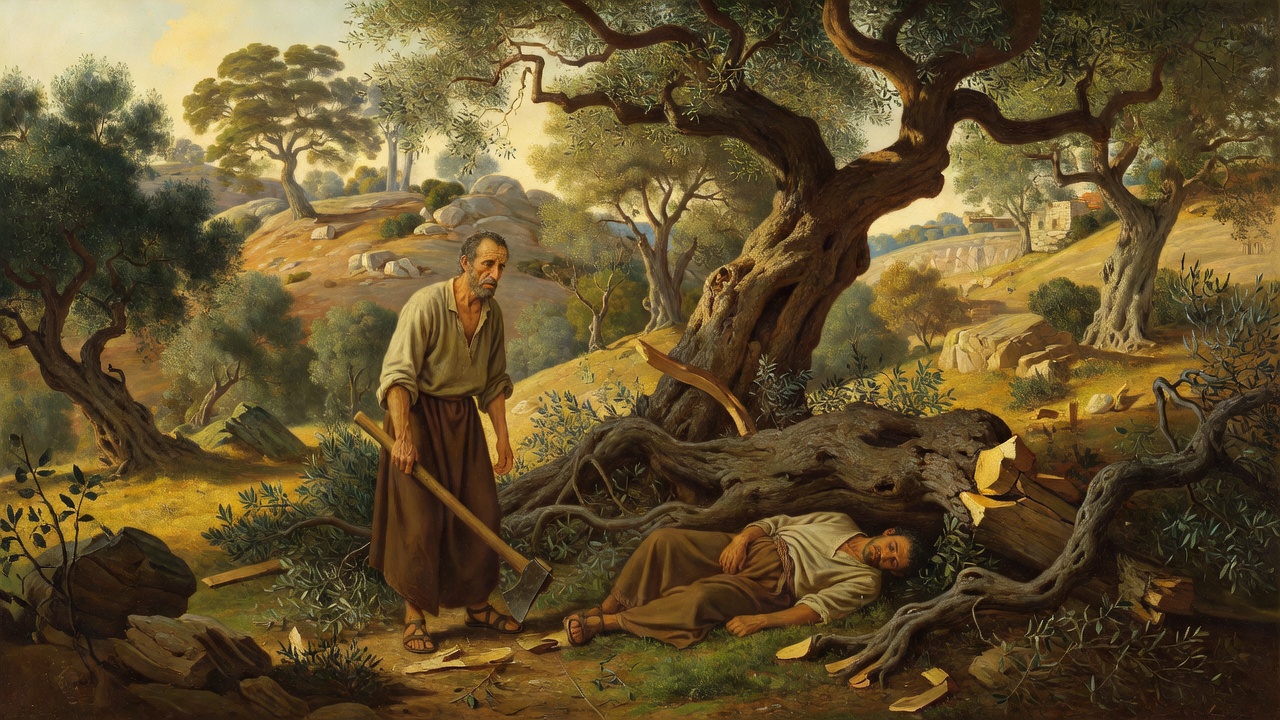
4Are eman aramas a niela chon arun fän chechengau, nge esap oput i me mwan, ätewe a tongeni süla lon eu kewe telinimw o amanaua manauan. 5A tongeni fis ei lapalap, pwe eman mwän me chon arun ra feila lemäl pwe repwe pöküpök irä. Nge lupwen a pöüätä ewe kouk pwe epwe pökü ewe irä, mächän ewe kouk a mwetewu seni pachan o küw ewe chon arun pwe a mäla. Ätewe a tongeni sü ngeni eu me lein ekewe telinimw o amanaua manauan. 6Iwe, epwe fis pwe ewe chon kütta liwinin chan aramasan epwe tapweri ätewe fän an lingeringer, epwe liapeni o niela, pokiten ewe al ngeni ewe telinimw a kon langatam. Nge pwüngün pwe ätewe esap wisen mäla, pokiten esap oput chon arun me mwan. 7Iei mine üa allük ngenikemi pwe oupwe aimwüela ülüngat telinimw. 8Nge lupwen ewe Samol mi Lapalap ämi we Kot epwe awatteela kiännin fanüemi o ngenikemi unusen ewe fanü, usun a fen pwon fän akapel ngeni ämi kewe lewo, 9mürin oupwe achu pwal ülüngat telinimw ngeni ekei ülüngat. I epwe ngenikemi ei fanü, are oua apwönüetä ekewe allük meinisin üa allük ngenikemi ikenai ren ämi echeni ewe Samol mi Lapalap ämi we Kot o awena manauemi fansoun meinisin ngeni mine a aiti ngenikemi. 10Ren ei oupwe pinei än chokewe resap tipis repwe ninnila me lon ewe fanü ewe Samol mi Lapalap ämi we Kot epwe ngenikemi pwe oupwe fanüeni, pwe tipisin niela aramas esap nonom womi.
11Nge are eman a oput chon arun, are a operi o niela, mürin a süla lon eu lein ekewe telinimw, 12ekewe souakomwen an telinimw repwe titi seni ikenan. Iwe, repwe atolonga ewe mi niela eman aramas lepöün ätewe mi kütta liwinin chan aramasan, pwe epwe niela. 13Ousap fokun tongei, nge oupwe alimöchüala ewe fanü seni tipisin nimanauei aramas esap wor ar tipis, pwe oupwe feiöch.
14Iwe, lon ewe fanü ewe Samol mi Lapalap ämi we Kot epwe ngenikemi pwe oupwe fanüeni, ousap amwökütü kiän fanüen chon arumi ekewe reikewe ra förätä.”
Allük usun chon pwärätä
15“Iwe, eman chök chon pwärätä esap naf an epwe tongeni atipisi eman mwän pwe a föri föförün mwäneson ika sokun föför mi ngau. Nge ren pwärien ruoman ika ülüman chon pwärätä a tongeni fis pwüngün ar atipisi. 16Are eman chon pwärätä mi ngau a atipisimwäli eman aramas, 17ekewe ruu pekin mi aninifengen repwe feito fän mesen ewe Samol mi Lapalap, fän mesen ekewe souasor me ekewe soukapwüng mi wor wiser lon ewe fansoun. 18Iwe, ekewe soukapwüng repwe ais tichik won ewe föför. Nge are a pwä pwe ewe chon pwärätä a chofana, nge an aturu pwin we esap pwüng, 19mürin oupwe föri ngeni usun mine a ekiekin föri ngeni pwin we. Iei usun oupwe limetawu ewe mi ngau seni lefilemi. 20Iwe, ekewe aramas meinisin repwe rong usun o niuokus, pwe resap chüen föri ei sokun föför mi ngau lefilemi. 21Ousap tongei ei sokun aramas, pun oupwe liwini manau ngeni manau, eföü mas ngeni eföü mas, efoch ngi ngeni efoch ngi, efoch pau ngeni efoch pau, efoch peche ngeni efoch peche.”
Did you know?
Cities of Refuge, Boundaries, and Fair Justice
- The law commanded Israel to set aside three cities of refuge and build clear roads to them across three regions of the land. These designated cities allowed someone who accidentally killed a neighbor, such as by an axe head slipping off its handle, to safely escape an avenger of blood before being overtaken.Sources: the Bible text itself
- Moving an ancestral boundary stone or marker was strictly forbidden. These markers defined land inheritances assigned to families, and shifting them was considered an unjust seizure of a neighbor's property.Sources: the Bible text itself
- To prevent false convictions, a single witness was never sufficient to convict someone of a crime; at least two or three witnesses were required. If an investigation by priests and judges proved a witness had lied maliciously, the false accuser received the exact penalty intended for the accused.Sources: the Bible text itself
Notes written with AI assistance from open sources (Theographic Bible Metadata, CC BY-SA 4.0; Easton’s Bible Dictionary, public domain) and reviewed before publishing.
Credits and license for this translation
Paipel
The Holy Bible in the Chuukese language of the Federated States of Micronesia
copyright © 1984, 1989, 1991, 2001 Liebenzel Mission
Language: Chuukese
Translation by: Liebenzell Mission
Old Testament © 1989, 2001 Liebenzel Mission
New Testament © 1984, 1991 Liebenzel Mission
This translation is made available to you under the terms of the
Creative Commons Attribution-No Derivatives license 4.0.
You may share and redistribute this Bible translation or extracts from it in any format, provided that:
You include the above copyright and source information.
You do not make any derivative works that change any of the actual words or punctuation of the Scriptures.
Pictures included with Scriptures and other documents on this site are licensed just for use with those Scriptures and documents.
For other uses, please contact the respective copyright owners.
2024-01-24
Source: http://ebible.org/chk/ · eBible.org