Deuteronomy 16
Paipel · Tap a verse to see its cross-references.
Ekewe ülüngat chulap mi kefilitä
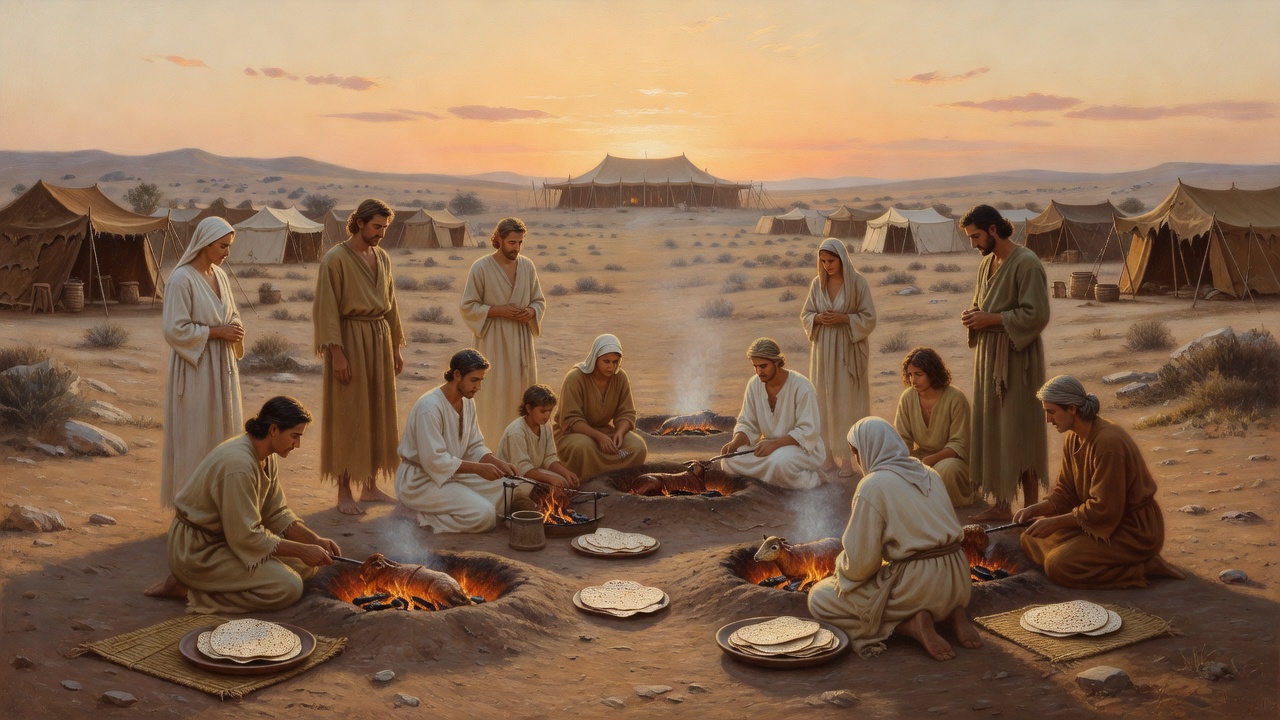
1“Iwe, oupwe chechemeni ewe maram Apip, pwe oupwe föri ewe Pasofer fän iten ewe Samol mi Lapalap ämi we Kot. Pun lon ewe maram Apip ewe Samol mi Lapalap ämi we Kot a emwenikemiiwu lepwin seni ewe fanü Isip. 2Oupwe feila o eäni asor ewe mönün Pasofer seni nöümi pwiin sip ika kow ngeni ewe Samol mi Lapalap ämi we Kot me lon ewe leni i epwe filätä pwe aramas repwe fel ngeni ie. 3Ousap mongö pilawa mi wor iis lon fitifengen me ewe mönün Pasofer. Iwe, lon ükükün fisu rän oupwe mongö pilawa esap wor iis lon, usun oua föri, lupwen oua sü seni ewe fanü Isip fän tawat. Oupwe mongö ei pilawa mi iteni pilawan riaföü lon ränin manauemi meinisin, pwe oupwe chechemeni ewe rän oua towu seni lon ewe fanü Isip. 4Iwe, esap wor pilawa mi wor iis lon epwe pwä remi lon leniemi meinisin lon ükükün fisu rän. Ousap fokun likiti och lusun seni fituken ewe mönün asor oua eäni lon pwinin ewe aeuin rän tori lesosor. 5Ousap tongeni eäni asor ewe mönün Pasofer lon ämi kewe telinimw ewe Samol mi Lapalap ämi we Kot epwe ngenikemi. 6Nge oupwe eäni asor ewe mönün Pasofer lon ewe chök leni ewe Samol mi Lapalap ämi we Kot epwe filätä pwe aramas repwe fel ngeni ie. Oupwe eäni ewe asor lekuniol, lupwen akkar a tuputiu, pun lon ei fansoun oua towu seni Isip. 7Oupwe kukuw ewe mönün Pasofer o ochoch me lon ewe leni ewe Samol mi Lapalap epwe filätä. Nge lesosor oupwe liwiniti imwemi. 8Iwe, lon ükükün wonu rän oupwe mongö pilawa esap wor iis lon. Nge lon afisuen rän epwe fis eu mwich mi pin fän iten ewe Samol mi Lapalap ämi we Kot. Ousap föri och angang lon ewe rän.
9Iwe, oupwe aleani fisu wiik seni ewe fansoun ekärän aeuin ämi pökü ekewe irän wiich. 10Mürin oupwe föri ewe chulapen wiik ngeni ewe Samol mi Lapalap ämi we Kot ren ämi eäni asor seni püsin letipemi ükükün mine ewe Samol mi Lapalap ämi we Kot a afeiöchü ngenikemi. 11Iwe, oupwe pwapwa me fän mesen ewe Samol mi Lapalap ämi we Kot lon ewe leni epwe filätä pwe aramas repwe fel ngeni ie, ämi me nöümi mwän me fefin, nöümi chon angang mwän me chon angang fefin, pwal chon ewe ainangen Lefi mi nom lon ämi kewe telinimw, ekewe chon ekis, ekewe mi mäsen me ekewe fefin mi mä pwülüer ra nom leimi. 12Oupwe chechemeni pwe ra piin nöünikemi amanau me lon Isip. Iwe, oupwe tümwünüöchü le apwönüetä ekei allük.
13Mürin ämi ionalong föün wiich seni ewe lenien wichiwich me wain seni ewe lenien üchüch oupwe pwal föri ewe chulapen likachoch lon ükükün fisu rän. 14Oupwe pwapwa lon ämi chulap, ämi me nöümi mwän me fefin, nöümi chon angang mwän me chon angang fefin, pwal chon ewe ainangen Lefi, ekewe chon ekis, ekewe mi mäsen me ekewe fefin mi mä pwülüer ra nom lon ämi kewe telinimw. 15Iwe, lon ükükün fisu rän oupwe föri ewe chulap ngeni ewe Samol mi Lapalap ämi we Kot lon ewe leni i epwe filätä. Oupwe fokun pwapwa, pun ewe Samol mi Lapalap epwe afeiöchü uän fotämi irä me angangen pöümi meinisin.
16Iwe, fän ülüngat lon eu ier nöümi mwän meinisin repwe feito o fel ngeni ewe Samol mi Lapalap ämi we Kot lon ewe leni i epwe filätä. Repwe feito ren ewe chulapen mongö pilawa esap wor iis lon, ren ewe chulapen wiik me ewe chulapen likachoch. Iwe, resap tongeni feito fän ar asöülapö. 17Iteiten eman me eman mwän epwe fang usun an tufich ükükün mine ewe Samol mi Lapalap ämi we Kot a afeiöchü ngeni.”
Usun angangen kapwüng
18“Iwe, oupwe afili soukapwüng me nöüwis ükükün ekewe ainang lon ämi kewe telinimw meinisin ewe Samol mi Lapalap epwe ngenikemi. Repwe eäni kapwüng ngeni ekewe aramas fän pwüng. 19Ousap sorei mine a pwüng, ousap pwal lifilifil aramas. Ousap angei lifangen amichimich, pun ei sokun lifang a achuna mesen chon mirit, pwe ra sorei pwüngün chokewe mi pwüng. 20Oupwe fokun eäni pwüng echök, pwe oupwe manau o fanüeni ewe fanü ewe Samol mi Lapalap ämi we Kot epwe ngenikemi.
21Iwe, lupwen oupwe senätä eu rongen asor fän iten ewe Samol mi Lapalap ämi we Kot, ousap pwal fotuki och sokun irä pwe uluulun ewe anüfefin Asera ünükün. 22Ousap pwal aütai efoch ür mi pin, pun ewe Samol mi Lapalap ämi we Kot a oput.
Did you know?
Appointed Feasts and Righteous Justice
- Deuteronomy mandates three annual pilgrimage festivals—the Feast of Unleavened Bread (Passover), the Feast of Weeks, and the Feast of Tabernacles. For these occasions, the men of Israel were required to travel and appear before God not in their local towns, but at the specific central location chosen as a dwelling for His Name.Sources: the Bible text itself
- The celebrations of the Feast of Weeks and the Feast of Tabernacles explicitly included vulnerable members of society, such as servants, Levites, foreigners, orphans, and widows. These communal rejoicings were tied to the memory of Israel's liberation from slavery in Egypt.Sources: the Bible text itself
- In addition to religious assemblies, the text commands the appointment of local judges and officials across every town. They were forbidden from taking bribes or showing partiality, establishing the standard to pursue justice alone throughout the land.Sources: the Bible text itself
Notes written with AI assistance from open sources (Theographic Bible Metadata, CC BY-SA 4.0; Easton’s Bible Dictionary, public domain) and reviewed before publishing.
Places in this chapter
Only places identified with high confidence are shown (90% or more according to the scholarly sources compiled by OpenBible). Period map: DARE (Digital Atlas of the Roman Empire), CC BY 4.0; modern map: © OpenStreetMap contributors; places: OpenBible.info (CC BY 4.0).
Credits and license for this translation
Paipel
The Holy Bible in the Chuukese language of the Federated States of Micronesia
copyright © 1984, 1989, 1991, 2001 Liebenzel Mission
Language: Chuukese
Translation by: Liebenzell Mission
Old Testament © 1989, 2001 Liebenzel Mission
New Testament © 1984, 1991 Liebenzel Mission
This translation is made available to you under the terms of the
Creative Commons Attribution-No Derivatives license 4.0.
You may share and redistribute this Bible translation or extracts from it in any format, provided that:
You include the above copyright and source information.
You do not make any derivative works that change any of the actual words or punctuation of the Scriptures.
Pictures included with Scriptures and other documents on this site are licensed just for use with those Scriptures and documents.
For other uses, please contact the respective copyright owners.
2024-01-24
Source: http://ebible.org/chk/ · eBible.org