Deuteronomy 14
Paipel · Tap a verse to see its cross-references.
Mine chon Israel resap tongeni föri lon ar letipeta
1“Iwe, ämi nöün ewe Samol mi Lapalap ämi we Kot. Iei mine ousap nekelekelei inisimi ika reipöpöla möküremi, lupwen oua letipeta ren eman mi mäla. 2Pun ämi eu mwichen aramas mi pin fän iten ewe Samol mi Lapalap ämi we Kot. I a afilikemi me lein ekewe mwichen aramas meinisin mi nom won fanüfan, pwe oupwe nöün aramas.”
Man mi limöch me limengau
3“Iwe, ousap ochoch man mi anioput me ren ewe Samol mi Lapalap. 4Ikkei ekewe man oua tongeni ochoch: Kow, sip me kuuch, 5chia me sokopaten chia iter kasele me ropak, kuuch mi mwacho, pwal sokun kuuch mi mwacho itan ipeks, ewe man itan antelop me sip mi nom won chuk. 6Iteiten man meinisin mi keang kün pachapacher, ra pwal lülüsefäli ener, oupwe ochoch. 7Nge seni me lein ekewe man mi lülüsefäli ener ika keang kün pachapacher ousap ochoch: kamel, üsangi, ewe man itan pacher mi nom won achau. Pokiten ra lülüsefäli ener, nge esap keang kün pachapacher, repwe limengau ngenikemi. 8Iwe, ewe pik epwe pwal limengau ngenikemi, pokiten a keang kün pachapachan, nge esap lülüsefäli anan. Ousap ochoch fituker, ousap pwal atapa ekewe man, lupwen ra mäla.
9Iwe, ekewe ik meinisin mi nom lon koluk ika leset a wor ililir me töröüner oua tongeni mongö. 10Nge ekewe mönümanau meinisin esap wor ililir me töröüner ousap mongö, pun repwe limengau ngenikemi.
11Oua tongeni ochoch machang meinisin mi limöch. 12Nge ikkei ir ekewe machang ousap ochoch: Ikel me sokopaten ikel iter wolcher me osprei, 13ekewe machang iter pusar me sokopaten machang iter falkon, 14iteiten sokopaten ängä, 15ewe machang itan ostrich, kawakawen lepwin, nipöüwanei me sokopaten kawakaw, 16kükün fuküro me watten fuküro, niaüpinik, 17ekewe machang iter pelikan, karion, wolcher me kormoran mi usun chök niwanök, 18öröpwech pwal sokopaten örö, ewe machang itan hupo me pöüte. 19Iwe, ekewe kükün man meinisin mi äkkäs repwe limengau ngenikemi. Ousap fokun ocheer. 20Nge ekewe kükün man mi limöch oua tongeni ocheer meinisin.
21Iwe, ousap ochoch man mi püsin mäla. Oua tongeni ngeni ewe chon ekis mi nom lon ämi kewe telinimw pwe ochan. Oua pwal tongeni amömö ngeni eman chon siamü. Pun ämi eu mwichen aramas mi pin fän iten ewe Samol mi Lapalap ämi we Kot.
Iwe, ousap kukuw eman apanen kuuch lon chönün oupwun ewe inelap.”
Allük usun ewe eu leengol
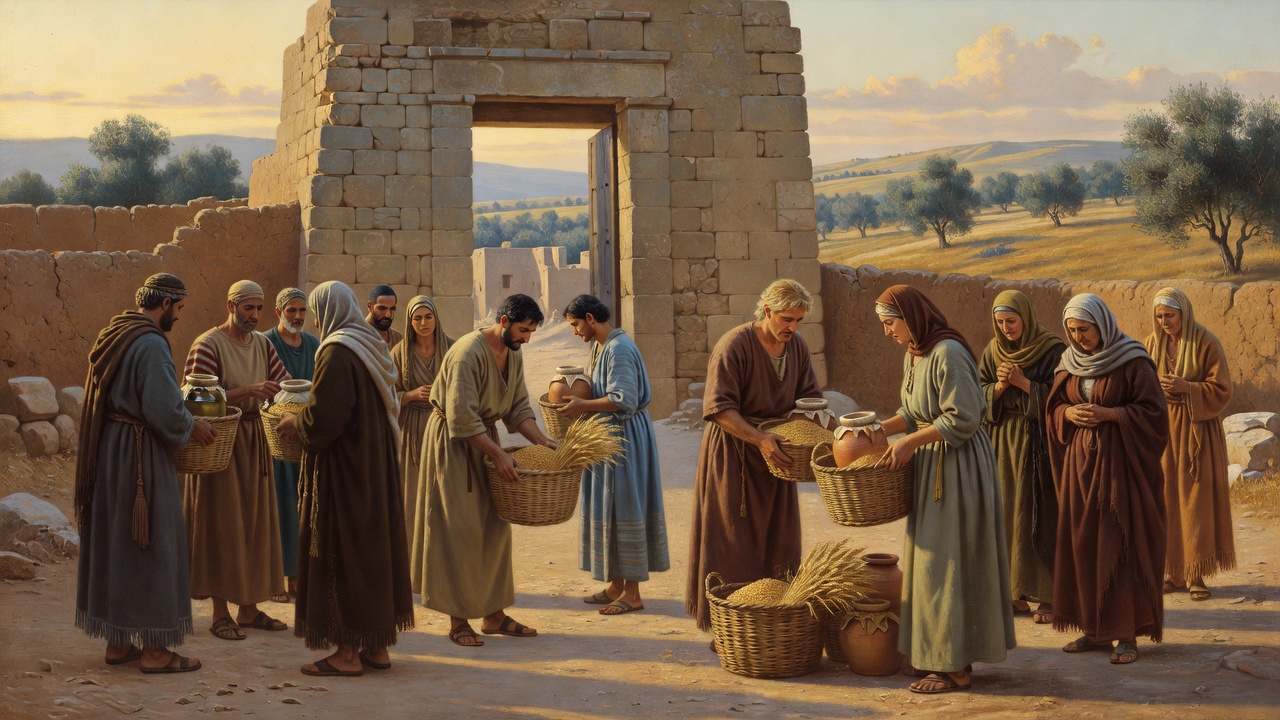
22“Iwe, oupwe aimwüela eu leengolun uän fotämi irä meinisin iteiten ier. 23Mürin oupwe feila ren ewe leni ewe Samol mi Lapalap ämi we Kot epwe filätä pwe aramas repwe fel ngeni ie. Ikenan oupwe mongö ewe eu leengolun uän fotämi wiich o ünümi ewe eu leengolun ünümemi wain. Oupwe pwal eäni ewe eu leengolun ämi apüra o ochei mweinöün nöümi kow me sip fän mesan. Iei usun oupwe kaiö pwe oupwe meniniti ewe Samol mi Lapalap ämi we Kot iteiten fansoun. 24Iwe, lupwen ewe Samol mi Lapalap a afeiöchükemi, nge esap ki ngenikemi le uwala ämi eu leengol ren ewe leni ewe Samol mi Lapalap ämi we Kot epwe filätä pwe aramas repwe fel ngeni ie, pun a kon toau senikemi, nge ewe al a kon langatam ngenikemi, 25mürin oupwe akasiwili ewe eu leengol ngeni moni. Iwe, oupwe angei ewe moni o uwala ren ewe leni ewe Samol mi Lapalap ämi we Kot epwe filätä. 26Ikenan oupwe kamö won ewe moni ngeni mine oua mochen. Oua tongeni kamö kow ika sip ika wain ika sokopaten minen ün ika mine oua chök mwoneiti. Iwe, oupwe mongö o pwapwa ikenan fän mesen ewe Samol mi Lapalap ämi we Kot, ämi me chon leimwemi. 27Nge ousap manlükala chon ewe ainangen Lefi mi nom lon ämi kewe telinimw, pun esap wor fanüer me wiser leimi.
28Iwe, amüchülan iteiten ülüngat ier oupwe uwato ämi kewe eu leengol meinisin seni uän fotämi irä lon ewe chök ier o iseis lon ämi kewe telinimw. 29Ei mongö epwe fän iten chon ewe ainangen Lefi, pun esap wor fanüer me wiser leimi. Epwe pwal fän iten ekewe chon ekis, ekewe mi mäsen me ekewe fefin mi mä pwülüer mi nom lon ämi kewe telinimiw. Repwe feito o mongö tori repwe möt. Are oua föri iei usun, ewe Samol mi Lapalap ämi we Kot epwe afeiöchü angangen pöümi meinisin.”
Did you know?
Dietary Regulations and Tithe Provisions
- The dietary laws in Deuteronomy 14 distinguish clean from unclean land animals based on two physical criteria: having completely divided hooves and chewing the cud. Aquatic creatures were considered clean for consumption only if they possessed both fins and scales.Sources: the Bible text itself
- To accommodate families who lived far from the designated sanctuary, the law allowed agricultural tithes to be converted into silver for travel. Upon arriving at the central sanctuary, worshippers could use the money to purchase festive food and drink to celebrate with their households.Sources: the Bible text itself
- Every third year, the annual tithe was gathered and stored within local towns rather than taken to the central sanctuary. This food was set aside to support community members without land inheritances, specifically Levites, resident foreigners, orphans, and widows.Sources: the Bible text itself
Notes written with AI assistance from open sources (Theographic Bible Metadata, CC BY-SA 4.0; Easton’s Bible Dictionary, public domain) and reviewed before publishing.
Credits and license for this translation
Paipel
The Holy Bible in the Chuukese language of the Federated States of Micronesia
copyright © 1984, 1989, 1991, 2001 Liebenzel Mission
Language: Chuukese
Translation by: Liebenzell Mission
Old Testament © 1989, 2001 Liebenzel Mission
New Testament © 1984, 1991 Liebenzel Mission
This translation is made available to you under the terms of the
Creative Commons Attribution-No Derivatives license 4.0.
You may share and redistribute this Bible translation or extracts from it in any format, provided that:
You include the above copyright and source information.
You do not make any derivative works that change any of the actual words or punctuation of the Scriptures.
Pictures included with Scriptures and other documents on this site are licensed just for use with those Scriptures and documents.
For other uses, please contact the respective copyright owners.
2024-01-24
Source: http://ebible.org/chk/ · eBible.org