Deuteronomy 11
Paipel · Tap a verse to see its cross-references.
Kot a tekia
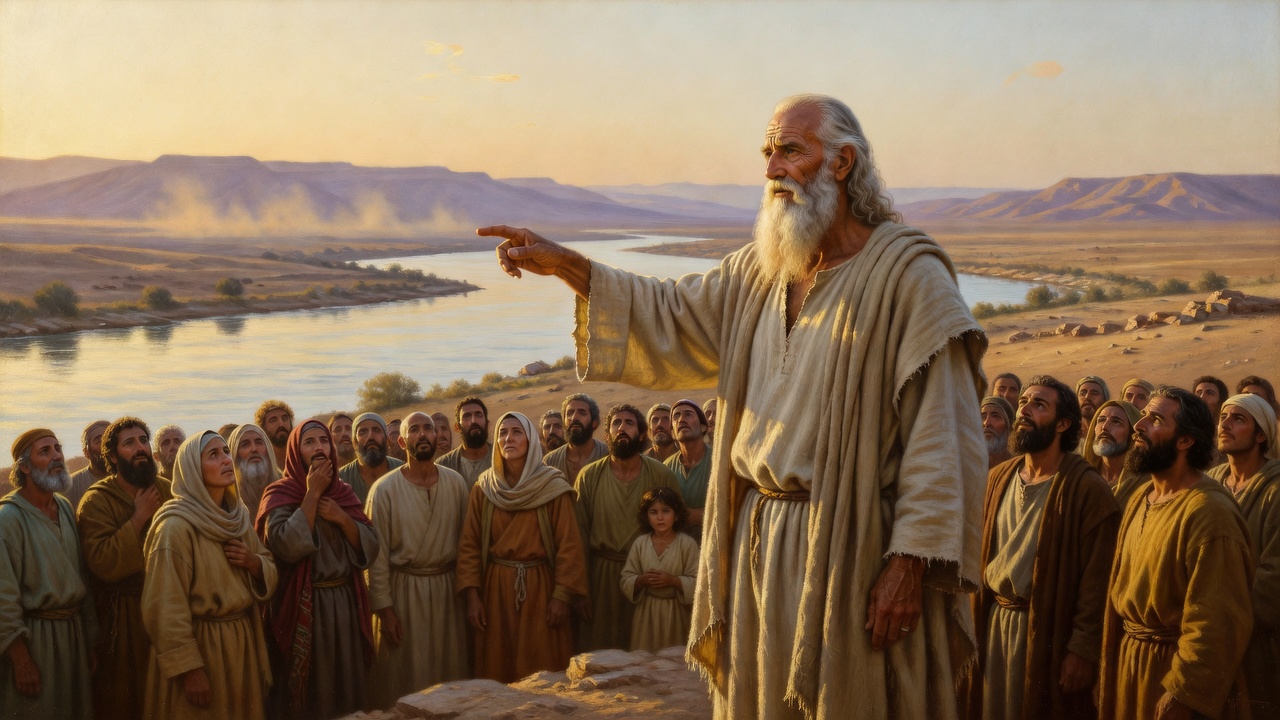
1“Iwe, oupwe echeni ewe Samol mi Lapalap ämi we Kot o aleasochisi an akot, an öüröür, an kewe allük me pwüüng iteiten fansoun meinisin. 2Ikenai oupwe chechemeni pwe sap nöümi kewe mi küna ika mefi än ewe Samol mi Lapalap emirit, pwe ämi. Oua küna an tekia me pöün mi manaman o aköüpöü. 3Iwe, oua küna an kewe manaman me an kewe föför a föriir me lon Isip ngeni Farao ewe kingen Isip me unusen fanüan. 4Oua pwal küna mine a föri ngeni ewe mwichen sounfiun Isip, ngeni nöür oris me war woken, usun an amopuretiu lon ewe Setipar, lupwen ra tapwerikemi, pwal usun än ewe Samol mi Lapalap a aroserela. 5Iwe, oua silei mine a föri ngenikemi me lon ewe fanüapö tori oua feito lon ei leni, 6pwal mine a föri ngeni Tatan me Apiram nöün Eliap kewe mwän seni ewe ainangen Rupen. Oua küna usun ewe pwül a sangfesen o oromirela fän mesen chon Israel meinisin fiti chon leimwer, pwal imwer imw mangaku, nöür chon angang me nöür man meinisin mi nom rer. 7Iwe, oua püsin küna ren mesemi ekei föför mi manaman meinisin ewe Samol mi Lapalap a föri.”
Ekewe feiöch seni ewe fanüen pwon
8“Iwe, oupwe aleasochisi ekewe allük üa allük ngenikemi ikenai, pwe oupwe pöchökül le feila pekilan ewe chanpupu Jortan o tolong lon ewe fanü oupwe le pwerelong lon pwe oupwe fanüeni. 9Iwe, ren ämi aleasochisi ekewe allük, oupwe pwal manauatam lon ewe fanü ewe Samol mi Lapalap a pwon fän akapel ngeni ämi kewe lewo pwe epwe ngeniir me mwirimwirir, ewe fanü mi pwülüöch o fanüeräs. 10Pun ewe fanü oupwe le tolong lon pwe oupwe fanüeni esap usun ewe fanü Isip oua towu seni. Ikenan oua angang weires le fotuki föün irä o föri warawar, pwe koluk epwe puwu ngeniir, usun eman a föri ngeni eu tanipin iasai. 11Nge ewe fanü oupwe le pwerelong lon pwe oupwe fanüeni eu fanüen chukuchukutä me lemol mi chöchön ren üt seni läng, 12pwal eu fanü ewe Samol mi Lapalap ämi we Kot a tümwünü. Iwe, mesan a nenengeni ewe fanü seni lepoputän eu ier tori lesopolan.
13Iwe, are oua aleasochisi ekewe allük üa allük ngenikemi ikenai, pwe oupwe echeni ewe Samol mi Lapalap ämi we Kot o angang ngeni seni unusen lelukemi me unusen ngünümi, 14i epwe fang ngenikemi üt fän iten fanüemi lon fansoun öch, epwe ngenikemi ewe ütten leefen me ütten leräs, pwe oupwe tongeni ionalong kiniemi föün wiich me föün wain me ämi föün olif, pwe epwe wor ämi apüra. 15Iwe, epwe apwükü fetil lon ämi tanipi fän iten nöümi pwiin kow, nge ämi oupwe mongö o mötüla. 16Oupwe afälikemi pwe ousap tupula o tokola ren ämi angang ngeni pwal ekoch kot o fel ngeniir. 17Iwe, are oupwe föri iei usun, ewe Samol mi Lapalap epwe song ngenikemi. Epwe apüngala läng pwe esap püng üt, nge ewe fanü esap ua. Mürin oupwe müttir rosola seni ewe fanü mi mürina, ewe Samol mi Lapalap epwe ngenikemi.
18Iei mine oupwe atolonga ai kei kapas lon lelukemi pwal lon ämi ekiek. Oupwe fötiretä won pöümi pwe eu pisekin achem, oupwe pwal fötiretä won chamwemi. 19Iwe, oupwe aiti ngeni nöümi kewe ekei kapas, oupwe fos usur lupwen oua mot lon imwemi pwal lupwen oua fetal won al, lupwen oua konola pwal lupwen oua pwätä. 20Oupwe makeretä won penkasamen imwemi pwal won asamalapen ämi kewe telinimw, 21pwe ränin manauemi me ränin manauen nöümi repwe chomongola me lon ewe fanü ewe Samol mi Lapalap a pwon fän akapel ngeni ämi kewe lewo pwe epwe ngeniir lon ükükün fansoun läng a nom asen fanüfan. 22Iwe, are oua achocho le föri pwüngün ekei allük meinisin üa allük ngenikemi pwe oupwe apwönüretä, are oua echeni ewe Samol mi Lapalap ämi we Kot o föri meinisin mine a allük ngenikemi, are oua pwal fitipacheiti, 23mürin ewe Samol mi Lapalap epwe asüela me mwemi chon ekei mwü meinisin, oupwe pwal fanüeni fanüen chon ekewe mwü mi watte o pöchökül senikemi. 24Ekewe leni meinisin ia pechemi repwe ipwelong ie epwe fanüemi. Iwe, kiännin fanüemi epwe seni ewe fanüapö mi nom ör tori ewe chuk Lepanon mi nom efeng, pwal seni ewe chanpupu Oifrat mi nom ötiu tori ewe matau watte mi nom lotou. 25Iwe, esap wor eman aramas epwe tongeni ü ngenikemi. Ewe Samol mi Lapalap epwe föri pwe oupwe eu minen eniwokus me eniweniw ngeni chon ewe fanü meinisin ia oupwe ipwelong ie, usun a fen pwon ngenikemi.
26Nengeni, ikenai üa anomu mwemi feiöch me anümamau. 27Oupwe feiöch are oua aleasochisi än ewe Samol mi Lapalap ämi we Kot kewe allük üa ngenikemi ikenai. 28Nge oupwe anümamau, are oua aleasolap ngeni än ewe Samol mi Lapalap ämi we Kot kewe allük, are oua tok seni ekei allük üa ngenikemi ikenai o fel ngeni pwal ekoch kot ousap sileer me lom. 29Iwe, lupwen ewe Samol mi Lapalap ämi we Kot epwe emwenikemiilong lon ewe fanü oupwe le pwerelong lon pwe oupwe fanüeni, oupwe apasa ewe kapasen feiöch seni won ewe chuk Kerisim, nge ewe kapasen anümamau seni won ewe chuk Epal. 30(Ekei chuk ra nom pekilan ewe chanpupu Jortan lotoun ewe al sasape ngeni epiläng lon fanüen chon Kanaan mi nonom lon Arapa awenewenen Kilkal ünükün ewe irä ook mi nom lon More.) 31Ämi oupwe le feila pekilan ewe chanpupu Jortan, pwe oupwe fanüeni ewe fanü ewe Samol mi Lapalap ämi we Kot epwe ngenikemi. Iwe, lupwen oupwe fanüeni o nonom lon, 32oupwe tümwünüöchü le apwönüetä ekewe allük me pwüüng meinisin üa ngenikemi ikenai.”
Did you know?
Love, Obedience, and the Land of Rain
- Moses contrasts farming in Egypt with life in the Promised Land. While agriculture in the flat Nile Valley relied on manual irrigation, described as watering on foot like a vegetable garden, Canaan was a terrain of hills and valleys dependent entirely on seasonal autumn and spring rains.Sources: the Bible text itself · Egypt
- The speech directly appeals to the living memory of the Israelites, reminding them of the judgment on Dathan and Abiram, sons of the Reubenite Eliab. During their journey in the wilderness, the earth opened and swallowed these men along with their households and possessions.Sources: the Bible text itself · Dathan · Abiram (son of Eliab) · Eliab
- The scope of the land promised to the people is framed broadly from the southern wilderness to the mountains of Lebanon, and from the Euphrates River to the Mediterranean Sea. Upon crossing the Jordan, the community was instructed to pronounce blessings on Mount Gerizim and curses on Mount Ebal.Sources: the Bible text itself · Lebanon · Euphrates · Jordan
Notes written with AI assistance from open sources (Theographic Bible Metadata, CC BY-SA 4.0; Easton’s Bible Dictionary, public domain) and reviewed before publishing.
Places in this chapter
- Egypt · 30.129, 31.308 · verses 3, 4, 10
- Jordan · Today: Jordan River · 31.761, 35.558 · verses 8, 11, 30, 31
- Euphrates · Today: Euphrates River · 31.004, 47.442 · verse 24
- Great Sea · Today: Mediterranean Sea · 31.805, 34.170 · verse 24
- Lebanon · 33.540, 35.584 · verse 24
- Mount Ebal · 32.234, 35.273 · verse 29
- Mount Gerizim · 32.199, 35.273 · verse 29
- Arabah · 30.417, 35.151 · verse 30
- Moreh · Today: within 1 km of Tell Balatah · 32.214, 35.282 · verse 30
Only places identified with high confidence are shown (90% or more according to the scholarly sources compiled by OpenBible). Period map: DARE (Digital Atlas of the Roman Empire), CC BY 4.0; modern map: © OpenStreetMap contributors; places: OpenBible.info (CC BY 4.0).
Credits and license for this translation
Paipel
The Holy Bible in the Chuukese language of the Federated States of Micronesia
copyright © 1984, 1989, 1991, 2001 Liebenzel Mission
Language: Chuukese
Translation by: Liebenzell Mission
Old Testament © 1989, 2001 Liebenzel Mission
New Testament © 1984, 1991 Liebenzel Mission
This translation is made available to you under the terms of the
Creative Commons Attribution-No Derivatives license 4.0.
You may share and redistribute this Bible translation or extracts from it in any format, provided that:
You include the above copyright and source information.
You do not make any derivative works that change any of the actual words or punctuation of the Scriptures.
Pictures included with Scriptures and other documents on this site are licensed just for use with those Scriptures and documents.
For other uses, please contact the respective copyright owners.
2024-01-24
Source: http://ebible.org/chk/ · eBible.org