Colossians 3
Paipel · Tap a verse to see its cross-references.
1Iwe, pokiten oua manausefäl fiti Kraist, iei mine oupwe anomu ämi ekiek won ekewe mettoch mi nom läng ia Kraist a mot ie won an lenien mot mi nom lepelifichin Kot. 2Oupwe tipeni ekewe mettoch mi nom läng, nge sap ekewe mettoch mi nom ikei won fanüfan. 3Pun oua fen mäla, iwe, manauemi a opola ren Kraist lon Kot. 4Kraist i wesewesen ämi manau, nge lupwen i epwe pwä, mürin pwal ämi oupwe pwä fiti i lon lingan.
Ewe manauen lom me ewe manau mi fö
5Iei mine oupwe amäloi ekewe mochenian fanüfan mi nom remi: sokopaten föförün lisowu, lüangau, mocheisou, mocheniangau me tipemong. (Pun tipemong och sokun angang ngeni anümwäl.) 6Pun pokiten ekei mettoch än Kot song epwe tori chokewe resap aleasochis ngeni. 7Me lom pwal ämi oua soun manaueni ei sokun manau, lupwen oua nom fän nemenien ekei sokun mochenia.
8Nge iei oupwe fokun ükütiu le föri ekei sokun föför: song, lingeringer me koput. Esap wor kapasen turunufas ika kapasingau epwe towu seni lon awemi. 9Ousap kapas chofona lefilemi, pun oua pwilitawu ewe manauen lom me föförün, 10nge oua pwilitalong ewe manau mi fö. Iei ewe aramas mi fö Kot a förätä, epwe pwal akasöfösefäli lon püsin lapalapan, pwe ämi silei Kot epwe unusöch. 11Iwe, pokiten ei, esap chüen wor sokofesenin lefilen chon lükün Israel me chon Juta, chon sirkomsais me chon resap sirkomsais, chon ekis, chon kichiniwel, ekewe amanau me ekewe aramas mi ngas, pun Kraist chök a aüchea seniir meinisin a pwal nom lor meinisin.
12Ämi chon fil me ren Kot, ämi chon pin kana i a echenikemi, oupwe pwilitalong womi tong, kirikiröch, tipetekison, lukpwetete me mosonotam. 13Oupwe songomangfengen o amusamusfengen are eman a chou ngeni eman. Oupwe fokun amusamusfengen usun ach Samol a amusala ämi tipis. 14Nge lükün ekei föför meinisin oupwe echenifengenikemi lefilemi, pun chen a pilüküfengeni ekei mettoch meinisin, pwe ra unusöch lon ar chufengen. 15Iwe, ewe kinamwe Kraist a ngenikemi epwe nemeni letipemi, pun Kot a körifengenikemi lon eu chök inis ngeni ei kinamwe. Iwe, oupwe kilisou ngeni Kot. 16Än Kraist kapas mi fokun aüchea epwe nonom lon letipemi. Oupwe aiti ngeni eman me eman lefilemi ei kapas o fönööfengenikemi fän mirit. Oupwe kölü ekewe kölfel, ekewe kölün lamalam me ekewe köl mi pin. Oupwe köl ngeni Kot fän kilisou lon letipemi. 17Iwe, meinisin mine oupwe föri ika apasa, oupwe föri fän iten ach Samol Jesus o oupwe kilisou ngeni Samach Kot ren i.
Usun ach ririfengen lon ewe manau mi fö
18Ämi fefin kana, oupwe aleasochis ngeni pwülüemi, pun iei met oupwe föri lon ämi souläng. 19Ämi mwän kana, oupwe echeni pwülüemi, nge ousap pöchökül ngeniir. 20Ämi nau kana, oupwe aleasochisi sememi me inemi lon mettoch meinisin, pun iei met Kot a pwapwa ren. 21Ämi sam me in kana, ousap asonga nöümi kana ren ämi apwüngüchouur, pwe resap apilükingau. 22Ämi amanau kana, oupwe aleasochisi ämi samol lon ei fanüfan lon mettoch meinisin, sap lupwen chök ar nenengenikemi pokiten oua mochen aitöchükemi. Nge oupwe föri ämi angang fän wenecharen letipemi, pun oua meniniti ach Samol. 23Meinisin mine oua föri, oupwe angang ngeni ren unusen letipemi usun itä nge oua angang ngeni ach Samol, nge sap ngeni aramas. 24Oupwe chechemeni pwe ach Samol epwe ngenikemi liwinimi mine a iseis fän iten nöün aramas. Pun Kraist i wesewesen ämi Samol oua angang ngeni. 25Nge aramas meinisin mi föri mine a ngau repwe angei liwinin ar föför, pun Kot esap lifilifil aramas lon an apwüngüür.
Did you know?
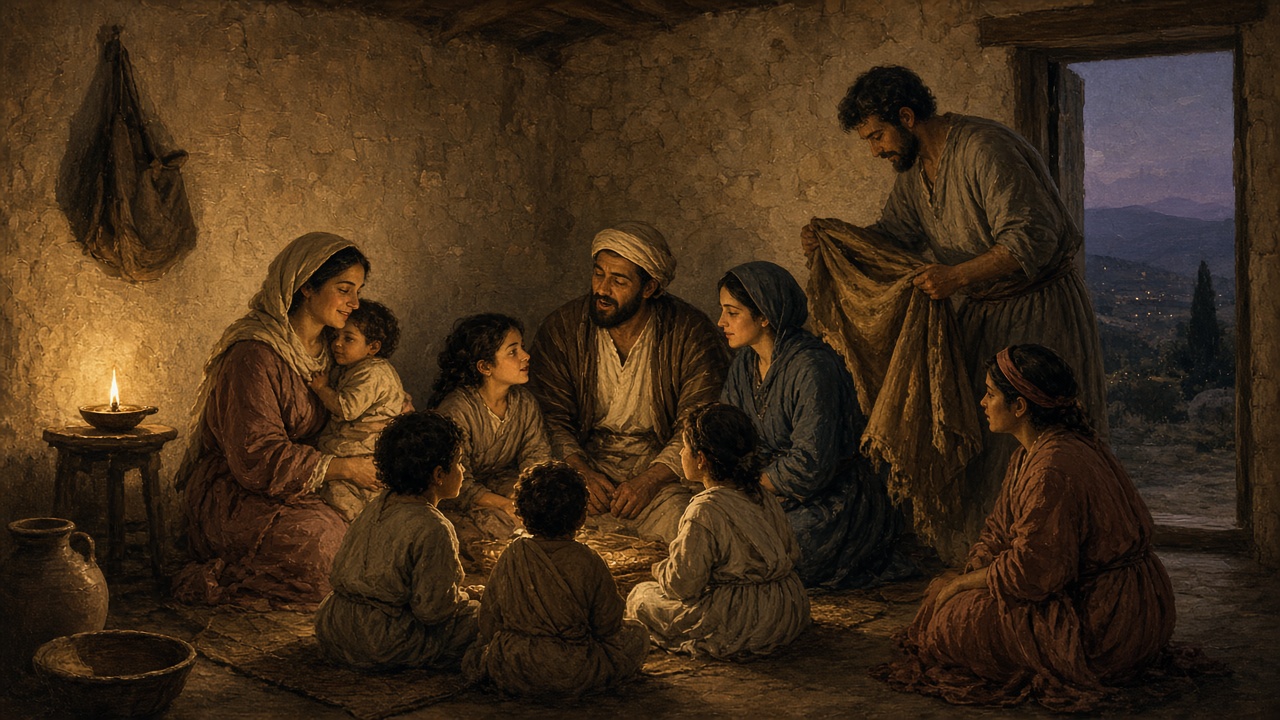
New life in one body and at home
- This chapter pictures a changed life as a change of clothing. Readers are said to have taken off the old self with its practices and put on the new self, which is being renewed in knowledge in the image of its Creator. They are then told to clothe themselves with hearts of compassion, kindness, humility, gentleness, and patience, and to put on love over all these virtues as the bond of perfect unity.Sources: the Bible text itself
- The chapter lists Greek and Jew, circumcised and uncircumcised, barbarian, Scythian, slave and free, and declares that here none of these distinctions remains, because Christ is all and is in all.Sources: the Bible text itself
- The chapter then gives instructions for household relationships: wives and husbands, children and parents, and slaves and their earthly masters. Fathers are warned not to provoke their children, so that the children will not become discouraged. Slaves are told to obey with sincerity of heart, not only while they are being watched, and to work with their whole being for the Lord rather than for men, with the promise of an inheritance from the Lord as a reward; whoever does wrong will be repaid, and there is no favoritism.Sources: the Bible text itself
Notes written with AI assistance from open sources (Theographic Bible Metadata, CC BY-SA 4.0; Easton’s Bible Dictionary, public domain) and reviewed before publishing.
Credits and license for this translation
Paipel
The Holy Bible in the Chuukese language of the Federated States of Micronesia
copyright © 1984, 1989, 1991, 2001 Liebenzel Mission
Language: Chuukese
Translation by: Liebenzell Mission
Old Testament © 1989, 2001 Liebenzel Mission
New Testament © 1984, 1991 Liebenzel Mission
This translation is made available to you under the terms of the
Creative Commons Attribution-No Derivatives license 4.0.
You may share and redistribute this Bible translation or extracts from it in any format, provided that:
You include the above copyright and source information.
You do not make any derivative works that change any of the actual words or punctuation of the Scriptures.
Pictures included with Scriptures and other documents on this site are licensed just for use with those Scriptures and documents.
For other uses, please contact the respective copyright owners.
2024-01-24
Source: http://ebible.org/chk/ · eBible.org