Amos 2
Paipel · Tap a verse to see its cross-references.
1Iei alon ewe Samol mi Lapalap, “Chon Moap ra chök sopwela le föri tipis, iei mine üpwe fokun apwüngüür. Ra kenala chün ewe kingen Etom tori ra wiliti falang. 2Iei mine üpwe tinala ekkei pwe epwe kenala Moap me ekewe imwen maun mi pöchökül lon Keriot. Ekewe chon Moap repwe mäla, lupwen epwe fis akürangen maun, lupwen ekewe sounfiu repwe arükak o ettiki rappwa. 3Üpwe niela ewe chon nemenem me lon Moap me nöüwisen ewe fanü meinisin.” Iei usun mine ewe Samol mi Lapalap a apasa.
4Iei alon ewe Samol mi Lapalap, “Chon Juta ra chök sopwela le föri tipis, iei mine üpwe fokun apwüngüür. Ra pöütala ai kewe allük, nge resap tümwünü ai kewe pwüüng. Ra tokola ren anümwäl, mine ar kewe lewo ra fen angang ngeni. 5Iei mine üpwe tinala ekkei pwe epwe kenala Juta me ekewe imwen maun mi pöchökül me lon Jerusalem.”
Kapasen apwüng fänäsengesin chon Israel
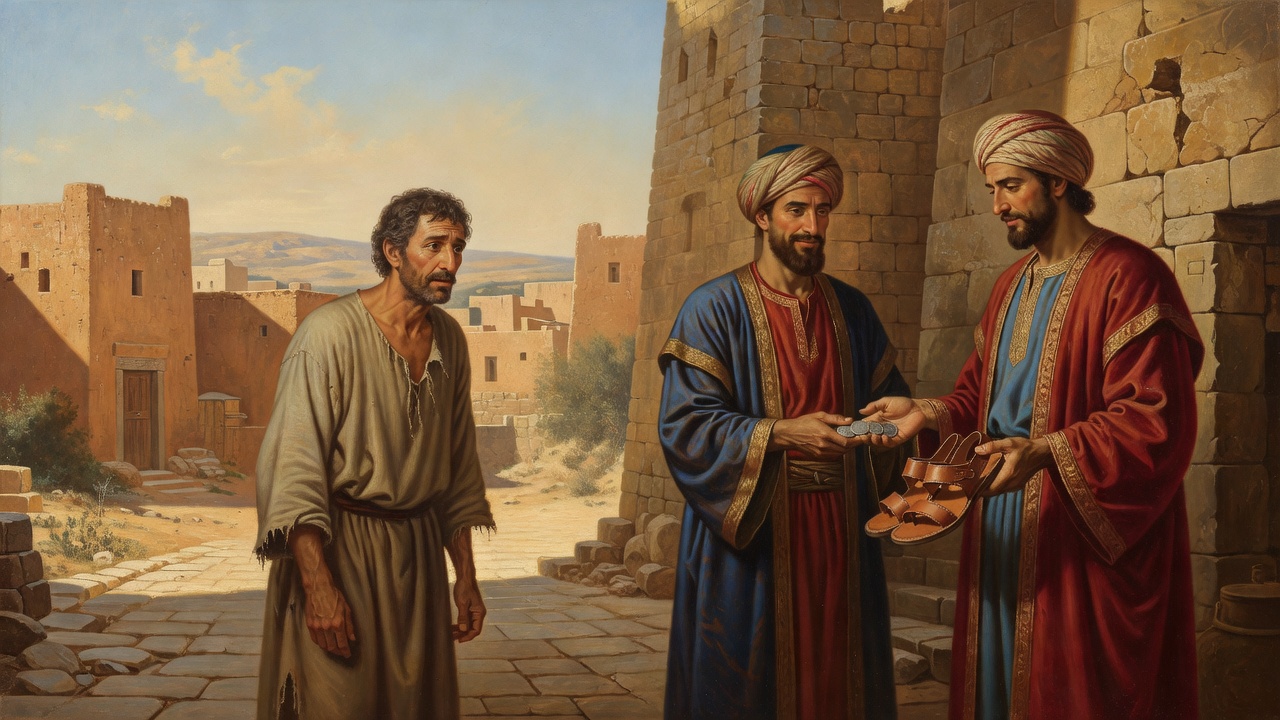
6Iei alon ewe Samol mi Lapalap, “Chon Israel ra chök sopwela le föri tipis, iei mine üpwe fokun apwüngüür. Ra amömöla ekewe chon pwüng ngeni moni pwe repwe amanau, ra pwal amömöla ekewe chon mwelele resap tongeni mwo nge mönätiu liwinimangen eu pea chori. 7Ra chök ipweri ekewe chon wöüngau usun eman a ipwetiu won pwül o atoka seni ekewe chon riaföü pwüngün ar kapwüng. Eman mwän me saman ra konopök ren eman chök chon angang fefin. Iei usun ra apiningaua pinin itei. 8Ra konola ünükün iteiten rongen asor lon mangaku ra angei seni chon wöüngau pwe asisilen ar liwinimang. Ra ünümi wain lon imwen ar we kot, ekewe wain ra angei seni chokewe mi liwinimang ngeniir.
9Nge pokitemi, ämi nei aramas, üa wesewesen arosala ekewe chon Amor, chokewe mi langatam usun ekewe irä setar o pöchökül usun ekewe irä ook. 10Üa emwenikemiiwu seni ewe fanü Isip o emwenikemi lon ewe fanüapö lon ükükün faik ier. Üa ngenikemi fanüen ekewe chon Amor pwe oupwe fanüeni. 11Üa filätä ekoch me lein nöümi kewe mwän pwe repwe soufos, pwal ekoch me lein ekewe alüal pwe repwe Nasir. Ifa usun, esap iei usun, ämi chon Israel? Ngang ewe Samol mi Lapalap üa kapas. 12Nge ämi oua aünü ngeni ekewe Nasir wain o allük ngeni ekewe soufos pwe resap osuni. 13Iei mine üpwe chounikemiitiu pwe oupwe tikitik usun efoch woken a tikitik ren choun wosan wiich. 14Ätekewe mi müttir le sä resap tongeni sü, ekewe chon pöchökül epwe kisila ar pöchökül, nge ekewe sounfiu resap tongeni püsin amanaueer. 15Ekewe chon esefich repwe kuf, ekewe sounfiu mi müttir le sä resap tongeni sü, nge ekewe chon wawa oris resap pwal tongeni püsin amanaueer. 16Pwal ekewe mi fokun pwora me lein ekewe sounfiu repwe likitala pisekir o sü lon ena rän.” Iei usun mine ewe Samol mi Lapalap a apasa.
Did you know?
Judgments on Moab, Judah, and Israel
- Amos condemns the land of Moab, situated east of the Dead Sea, for burning the bones of the king of neighboring Edom to lime. The prophecy declares that judgment and fire will consume the citadels of Kerioth, a major Moabite city.Sources: the Bible text itself · Moab · Kerioth · Edom
- After targeting foreign nations, the prophetic oracle turns inward to Judah, declaring judgment on its fortified capital, Jerusalem, for rejecting the Law and statutes of the Lord.Sources: the Bible text itself · Jerusalem
- Israel's exploitation of the poor and suppression of prophets and Nazirites is contrasted with God's historical faithfulness in delivering them from Egypt through forty years in the wilderness and dispossessing the powerful Amorites.Sources: the Bible text itself · Amorite · Egypt
Notes written with AI assistance from open sources (Theographic Bible Metadata, CC BY-SA 4.0; Easton’s Bible Dictionary, public domain) and reviewed before publishing.
Places in this chapter
- Edom · 30.746, 35.604 · verse 1
- Moab · Today: Moab 1 · 31.181, 35.701 · verses 1, 2, 3
- Jerusalem · 31.777, 35.234 · verse 5
- Egypt · 30.129, 31.308 · verse 10
Only places identified with high confidence are shown (90% or more according to the scholarly sources compiled by OpenBible). Period map: DARE (Digital Atlas of the Roman Empire), CC BY 4.0; modern map: © OpenStreetMap contributors; places: OpenBible.info (CC BY 4.0).
Credits and license for this translation
Paipel
The Holy Bible in the Chuukese language of the Federated States of Micronesia
copyright © 1984, 1989, 1991, 2001 Liebenzel Mission
Language: Chuukese
Translation by: Liebenzell Mission
Old Testament © 1989, 2001 Liebenzel Mission
New Testament © 1984, 1991 Liebenzel Mission
This translation is made available to you under the terms of the
Creative Commons Attribution-No Derivatives license 4.0.
You may share and redistribute this Bible translation or extracts from it in any format, provided that:
You include the above copyright and source information.
You do not make any derivative works that change any of the actual words or punctuation of the Scriptures.
Pictures included with Scriptures and other documents on this site are licensed just for use with those Scriptures and documents.
For other uses, please contact the respective copyright owners.
2024-01-24
Source: http://ebible.org/chk/ · eBible.org