Acts 5
Lataiquiʼ loyaʼapa iƚe al cʼa lixpicʼepa L̵anDios · Tap a verse to see its cross-references.
1Jiƚpe pe lomana' lapimaye tipa'a anuli cal xans cuftine Ananías. Jouc'a ƚipeno Safira icuj'me ƚamats'. 2Al tomí lulijpa Ananías ipa'a'ma, lipanenni i'hua'a'ma, eto'etsola' liƚ'mitsi' lan apóstole. Ticuanƚe jahuay itaipa al tomí, a'ij ƚinca. Ƚipeno ixina' li'epa ƚipe'ailli'. 3Pedro timí:
―CumAnanías, ¿te comepi'icopa lane ƚonta'a Satanás? Iƚque icuxepo' jiƚpe lopicuejma'. Oxpic'epa tofel'mi'ma cal Espíritu Santo. Omiƚonc'epa lomulijpa al tomí. 4Iƚque ƚomemats' ai'a tocuj'ma, ¿ja'ni ima' cotuca' aimoxpic'e te lof'e'eya? Lijoupa locujpa, al tomí lomulijpa, ¿te aico'huexi? Ima' cotuca' oxpic'epa aƚfel'mitsonga'. Metets'ipa ȽanDios, a'i malatets'inga' illanc' ninc'ixanuc'.
5Licuej'ma iƚe lataiqui' Ananías ecangenni ƚamats', ima'ma. Licuej'me lan xanuc' toƚta'a li'ipa jahuay ixpailij'mola' juaiconapa. 6Lamijcanó itsolinca, iju'eco'me asábana licuerpo Ananías, itai'me emitsa.
7Uyai'ma afanej hora. Icuaiyunni ƚipeno ƚamizhua Ananías. Iƚque aiquixina' iƚe li'ipa ƚipe'ailli'. 8Pedro icuis'e'ma, timi:
―Alu'iƚa'. ¿Te aƚinca toƚta'a i'najtse'empolhuo' loƚcujpa ƚolamats'?
Timi:
―Toƚta'a aƚ'najtse'emponga'.
9Pedro timi:
―Imanc' loquexi' oƚnefopá olahuaipá cal Espíritu Santo. Toquimf'eƚa'. Icuaicona'me lamijcanó nemihuo'me ƚope'ailli'. Titsolof'que liƚ'mitsi'. Joupa icuai'me ƚunaj puerta. Tileco'mo' ima'.
10Aiquicoƚ'ma. Ƚaca'no' ecanghuaitsi imac' jiƚpe li'mitsi' Pedro. Itsuflai'me lamijcanó ixim'me joupa imanapa. Itai'me emitsa jiƚpiya lemi'e'huo'me ƚipe'ailli'. 11Lapimaye, iƚne lefot'ƚepola' ȽanDios, jouc'a jahuay lan xanuc', licuej'me iƚe li'ipa ixpailij'mola' juaiconapa.
12Lan xanuc' nomana' jiƚpiya ixim'me axpe' acueca' lo'epa lan apóstole, ixinim'mola' mi'eyi to lo'eya ȽanDios. Jahuay iƚne lan apóstole tefot'ƚeyoƚtsi pe lopa'a al cuecaj xoute', jiƚpe ƚinujnca cuftine Ƚipinujnca Salomón. 13Locuenaye aiqui'onƚila' to iƚniya lan apóstole, tixpailiquila'. Lan xanuc' ticuayi: “Acueca' lo'epa, acueca' ac'a liƚpicuejma' iƚniya”. 14Toƚta'a xonca axpela' i'huaiyijm'me ƚaƚPoujna. Ixpe'mola' axanuc' acaƚ'no'. 15Ipa'a'me lilefcualƚay lonaf'coƚanna liƚhualfa o ƚiƚhuijm‑ma'. Ipo'nom'mola' lema cane, iƚ'huaijma tuyaiƚa' Pedro. Ja'ni tixingufcoƚe ma le'a lipunxahua tixaƚcona'mola'. 16Juaiconapa axpela' lan xanuc' quiyouyomma ƚiƚeloƚya' lomana' huejnca Jerusalén tiƚcuai'em'mola' lilefcualƚay. Jouc'a tiƚcuai'em'mola' locuenaye laxtafpola', tipa'antsola' lontahue litsuflaipá. Jahuay ixaƚcona'mola'.
17Ixtulenca cal cuecaj ca'ailli' jouc'a liƚejmale, iƚne lan saduceo. Juaiconapa ti'eyi laic'. 18Umme'me lilepaluc'. Iƚne i'noƚ'me lan apóstole, I'nico'me lacarza. 19Iƚe lipuqui' icuaiyunni lacarza anuli ƚapaluc quema'a ƚummepa ƚaƚPoujna. Exi'e'ma ƚipuertá lacarza, ipa'ana'mola'. 20Timila':
―Tonƚeƚe al cuecaj xoute'. Tolacaxoƚtsa jiƚpiya. Toƚpalaic'otola' lan xanuc'. Tolu'itola' te ts'i'ic' al ts'e capajnya, te ts'i'ic' mepenufyacu.
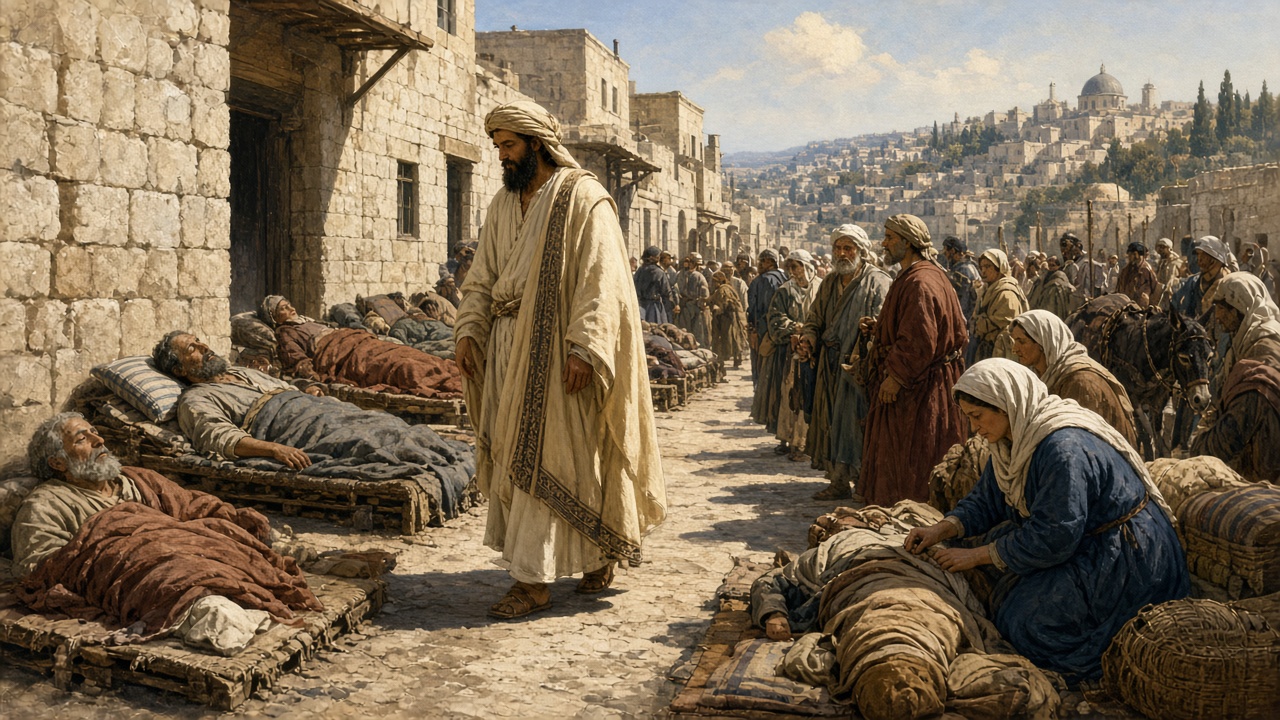
21Lijoupa licuej'me toƚta'a, iye'me. Icuaitsa al cuecaj xoute'. Joupa tiƚic'e itsuflai'me jiƚpe. Ipango'me imuc'iyalecona'me lan xanuc'.
Cal cuecaj ca'ailli' jouc'a liƚejmale icuaitsa pe loxpijyopa cataiqui'. Ijoc'im'mola' jahuay lan tsilaj xanuc' Israel, iƚne noxpijpá lataiqui', tefot'ƚetsoƚtsi. Lijou'ma ummem'mola' lapaluc' tiyeƚe lacarza. Timinnila':
―Toƚƚecotsola' ticuaiyunca fa'a pe laƚmana' iƚne lan xanuc'.
22Lapaluc' icuaitsa lacarza. Ailomana' jiƚpiya lan apóstole. Ipailinanca, uya'atsa. 23Timiyi:
―Laƚcuaita illanc' lacarza eti'iya al c'a. No'epá cuenna tecaxoƚanna ƚunaj puerta. Alaxi'epá cal puertá nij naitsi nopa'a.
24Ƚincuxepa capaluc' al cuecaj xoute', jouc'a cal cuecaj ca'ailli', jouc'a lixanuc' cal cuecaj ca'ailli' iquimf'e'me lonespa lapaluc', icua'me:
―Itsiya iƚe li'ipa, ¿te cocula'aya? ¿Te xonca co'iya?
25Minesyi toƚta'a icuaitsi anuli cal xans, timila':
―¡Toƚsinƚe! Iƚne lan xanuc' imanc' loƚ'nicopola' lacarza, jipu'hua al xoute' tecaxoƚanna, timuc'iyaleyi.
26Ƚincuxepa lapaluc' al cuecaj xoute' jouc'a lepaluc' iye'me tilecontsola' lan apóstole. Mane ilecontsola', ailopa'a qui'e'empola'. Iƚne lin‑naihuehuale tixpailiquila'. Ticuayi: “¿Te caƚ'e'eyaconga' lan xanuc'? Ja'ni lixtuc'o'monga', aƚma'aco'monga' apic.”
27Icuaiyocontsa pe lefoƚya petsi loxpijyopa cataiqui'. Ecaxum'mola' jiƚpiya. Cal cuecaj ca'ailli' ipango'ma icuis'e'mola'. 28Timila':
―Illanc' joupa aƚsc'ai'ipolhuo', aƚcuxe'epolhuo', aƚmipolhuo': “Aimoƚpalaicocona'me Jesús. Aimoƚnescocona'me lipuftine.” Itsiya, ¿te conƚ'epa? Joupa oƚ'nicopá loƚtaiqui' liƚpicuejma' jahuay lan xanuc' nomana' fa'a Jerusalén. Imanc' aƚtac'huinga' cajunac'. Toƚcuayi illanc' aƚma'apá iƚque cal xans Jesús.
29Pedro jouc'a locuenaye lan apóstole italai'e'e'me, timinnila':
―Ja'ni ȽanDios jouc'a lan xanuc' aƚcuxenga', ticuicomma lihuejcoƚe ȽanDios, a'i lan xanuc'. 30ȽanDios, ƚilenDios laƚtatahueló, imaf'i'inapa Jesús, ipa'anapa pe lomana' lamizhua. Maƚque Jesús imanc' olapaƚts'ijmpá al 'ec, oƚma'apá. 31Imanc' ixanuc' Israel, maƚque ȽanDios ipic'a tepi'itsolhuo' loƚpicuejma' toƚsuej'menanca, ipic'a timenc'e'eco'molhuo' loƚjunac'. Toƚiya i'epa al cueca'. Imaf'i'inapa Jesús, if'ac'enapa, i'e'epa ƚaƚPincuxepa, Ƚalunƚu'eponga'. 32Illanc' aƚsina' al ƚinca iƚe laƚmipolhuo'. Toƚiya luya'ayi, lu'ilhuo'. Ma' anuli loya'apa cal Espíritu Santo. Iƚque cal Espíritu ȽanDios tepi'ila' jahuay naihuejcopá.
33Iƚne lan xanuc' noquimf'epá ixtulenca juaiconapa. Coƚa' tima'antsola' lan apóstole. 34Jiƚpiya lefoƚya tipa'a anuli cal xans fariseo cuftine Gamaliel. Iƚque cal xans omxi, timuc'iyale locuxepa ȽanDios. Jahuay lan xanuc' ixim'me ac'a xans, ticuec'eyi. Iƚque ecax'ma, timila':
―Tolipa'atsola' iƚne lan xanuc'. Illanc' aƚpalaic'o'moƚtsi caƚtuca'.
35(Ipa'am'mola' lan apóstole.) Gamaliel ipalaic'o'mola' iƚne lan xanuc' lefoƚya, timila':
―Cunc'aipimaye, cunc'aif'as xanuc' Israel, tonƚ'eƚe cuenna. Toƚspic'eƚe al c'a lonƚ'e'eyacola' iƚne lan xanuc'. 36Li'ipa cal xans Teudas ehuoc'huai'mola' lincuxepá. Ticua: “Iya' nincuecaj xans. Lihuejla'.” To amalpuj maxnu lan xanuc' ihuej'me. Lijou'ma ima'am'me. Ts'ilihuequi inulai'me nulemma.
37’Lijou'ma, iƚniya ƚitiné miniƚingaispola' liƚpuftine lan xanuc', ocuenaj cal xans ehuoc'huaicona'mola' lincuxepá. Iƚque cuftine Judas ƚas Galilea. Iƚque jouc'a efot'ƚe'mola' axpela' lan xanuc'. Ifule'me. Judas jouc'a ima'am'me. Ts'ilihuequi inulai'me.
38’Itsiya camilhuo': Tolanajtsoƚtsi iƚne lan xanuc'. Tolux'masnatsola' tiyenƚe. Iƚniya locuapa, lo'epa, ja'ni tipa'acoyi quiƚtuca' liƚpicuejma', aimi'iya, tejac'mola'. 39Ja'ni ȽanDios ticuxela', imanc' aimi'iya munlulijyacola', mane tolixtuc'o'me ȽanDios.
40Ihuejco'me limipola' Gamaliel. Ijoc'iconam'mola' lan apóstole titsuflaiconanca. Itsimaf'quim'mola' liƚspula'. Timinnila':
―Aimoƚnescona'me: “Jesús alapi'iponga' laƚmane lu'i'molhuo' iƚe li'ipa”.
Ux'masquinam'mola'. 41Lan apóstole ipalunca jiƚpe lefoƚya. Tixoqui quileta. Ticuayi: “ȽanDios tetenƚcocojma maƚnesco'me Jesús. Toƚiya aƚteƚcoyi.” 42Itine itine ti'hua timuc'iyaleyi jiƚpe al cuecaj xoute' jouc'a ƚajut'ƚi. Ti'hua tuya'ayi: “Iƚque Jesús aCristo, ƚi'Huijf'epa ȽanDios”. Aiquixoquila'.
Did you know?
Deceit, wonders, and the Sanhedrin
- Ananias, a member of the Jerusalem church, and his wife Sapphira, whose name means beautiful, sold a piece of land and, with her knowledge, kept back part of the price while bringing the rest to the apostles. He could have kept the property; Peter reminded him that it remained at his disposal both before and after the sale. The wrong was the lie: he professed to give it all, Sapphira confirmed the false price, and both died, she sharing his guilt and his punishment.Sources: Ananias (Husband of Sapphira) · Sapphira · the Bible text itself
- The believers gathered with one accord in Solomon’s Colonnade, where the apostles performed many signs and wonders. That colonnade probably stood on the eastern side of the temple. It is not mentioned in connection with the first temple, though Josephus refers to a porch of that name in Herod’s temple.Sources: Solomon's Portico · the Bible text itself
- When the high priest and his associates, who belonged to the party of the Sadducees, had the apostles arrested, a Pharisee named Gamaliel stood up in the Sanhedrin. He is described as a teacher of the law honored by all the people, the son of Rabbi Simeon and grandson of the famous Rabbi Hillel, and as an opponent of the Sadducees; he urged the council to leave the men alone. He pointed to Theudas, who had led an insurrection against Roman authority and, as Gamaliel told it, gathered about four hundred men before the rising came to nothing—beyond that, nothing else is known of Theudas—and to Judas the Galilean, who perished in the days of the census.Sources: Gamaliel · Theudas · the Bible text itself
Notes written with AI assistance from open sources (Theographic Bible Metadata, CC BY-SA 4.0; Easton’s Bible Dictionary, public domain) and reviewed before publishing.
Places in this chapter
- Solomon’s Portico · Today: in Jerusalem · 31.777, 35.234 · verse 12
- Jerusalem · 31.777, 35.234 · verses 16, 28
- Galilee · 32.760, 35.527 · verse 37
Only places identified with high confidence are shown (90% or more according to the scholarly sources compiled by OpenBible). Period map: DARE (Digital Atlas of the Roman Empire), CC BY 4.0; modern map: © OpenStreetMap contributors; places: OpenBible.info (CC BY 4.0).
Credits and license for this translation
Lataiquiʼ loyaʼapa iƚe al cʼa lixpicʼepa L̵anDios
New Testament in Chontal, Highland Oaxaca (MX:chd:Chontal, Highland Oaxaca)
copyright © 1991 Wycliffe Bible Translators, Inc.
Language: Chontal, Highland Oaxaca
Translation by: Wycliffe Bible Translators, Inc.
Chontal, Sierra de Oaxaca [chd], Mexico
Copyright Information
© 1991, Wycliffe Bible Translators, Inc.
This translation text is made available to you under the
terms of the Creative Commons License: Attribution-Noncommercial-No Derivative Works.
( http://creativecommons.org/licenses/by-nc-nd/3.0/ )
In addition, you have permission to port the text to different file formats, as long as you
do not change any of the text or punctuation of the Bible.
You may share, copy, distribute, transmit, and extract portions
or quotations from this work, provided that you include the above copyright
information:
You must give Attribution to the work.
You do not sell this work for a profit.
You do not make any derivative works that change any of the actual words or punctuation of the Scriptures.
Permissions beyond the scope of this license may be
available if you contact
us with your request.
The New Testament
in Chontal, Highland Oaxaca
© 1991, Wycliffe Bible Translators, Inc.
This translation is made available to you under the terms of the
Creative Commons Attribution-Noncommercial-No Derivatives license 4.0.
You may share and redistribute this Bible translation or extracts from it in any format, provided that:
You include the above copyright and source information.
You do not sell this work for a profit.
You do not change any of the words or punctuation of the Scriptures.
Pictures included with Scriptures and other documents on this site are licensed just for use with those Scriptures and documents.
For other uses, please contact the respective copyright owners.
2014-04-22
Source: http://ebible.org/chdNT/ · eBible.org