Malachi 4
Bible Kralická 1613 · Tap a verse to see its cross-references.
1Nebo aj, den ten přichází hořící jako pec, v němž budou všickni pyšní, a všickni pášící bezbožnost jako strniště. I zažhne je ten den, kterýž přijíti má, praví Hospodin zástupů, tak že neostaví jim ani kořene ani ratolesti. 2Vám pak, kteříž se bojíte jména mého, vzejde slunce spravedlnosti, a zdraví bude na paprslcích jeho. Tedy vycházeti budete, a porostete jako telata vykrmená. 3A pošlapáte bezbožné, tak že budou jako popel pod nohami vašimi v den, kterýž já učiním, praví Hospodin zástupů. 4Pamatujtež na zákon Mojžíše služebníka mého, jemuž jsem přikázal na Orébě přednesti všemu Izraeli ustanovení a soudy. 5Aj, já pošli vám Eliáše proroka, prvé nežli přijde den Hospodinův veliký a hrozný, 6Aby obrátil srdce otců k synům, a srdce synů k otcům jejich, abych přijda, neranil země prokletím.
Did you know?
The Day of the Lord and the Promise of Elijah
- Malachi calls on Israel to remember the law given to Moses at Mount Horeb. Horeb is a biblical name for the mountainous range where Mount Sinai stands, the site where the Israelites encamped and received divine statutes and ordinances.Sources: the Bible text itself · Horeb · Moses
- The passage concludes with the promise that Elijah the prophet will be sent before the great Day of the Lord to reconcile parents and children. In the biblical narrative, Elijah was a prophet from Tishbe who delivered messages during the reign of King Ahab.Sources: the Bible text itself · Elijah
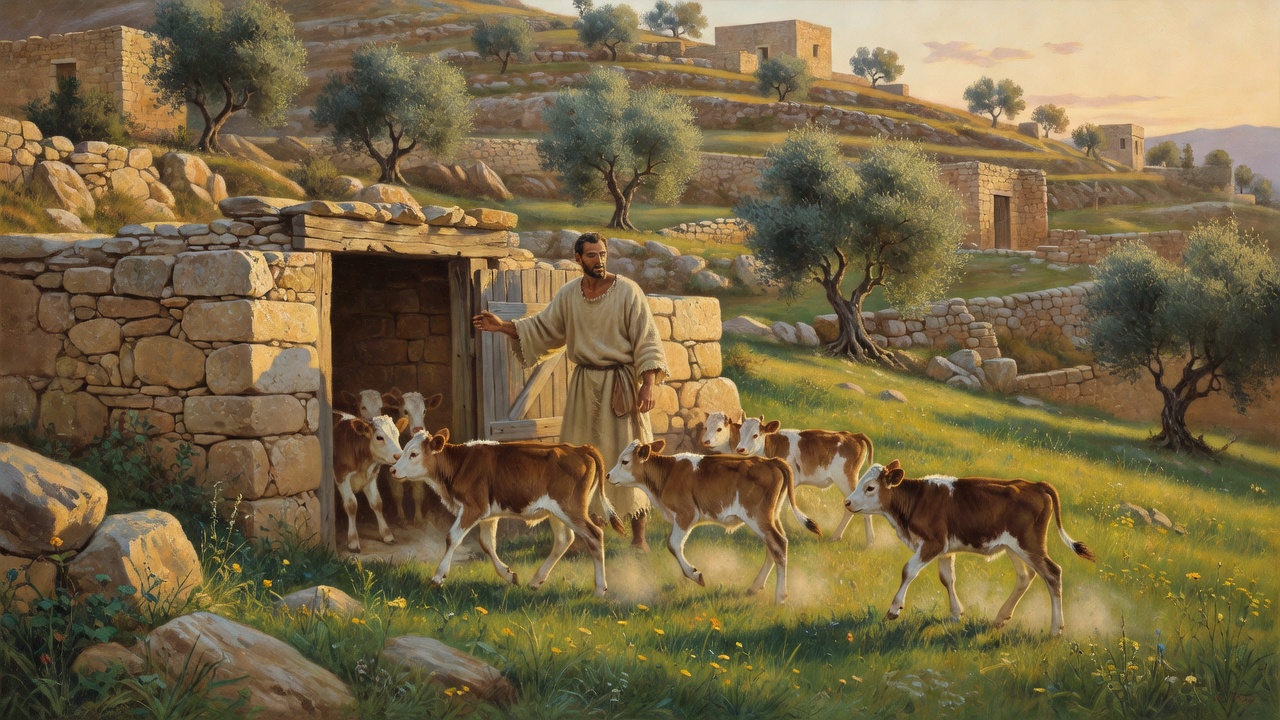
- Malachi uses vivid agricultural imagery to describe the coming judgment and restoration, contrasting evildoers reduced to dry stubble in a fire with the faithful, who are pictured leaping with joy like calves let out of a stall.Sources: the Bible text itself
Notes written with AI assistance from open sources (Theographic Bible Metadata, CC BY-SA 4.0; Easton’s Bible Dictionary, public domain) and reviewed before publishing.
Places in this chapter
- Mount Horeb · Today: Jebel Musa · 28.540, 33.973 · verse 4
Only places identified with high confidence are shown (90% or more according to the scholarly sources compiled by OpenBible). Period map: DARE (Digital Atlas of the Roman Empire), CC BY 4.0; modern map: © OpenStreetMap contributors; places: OpenBible.info (CC BY 4.0).
Credits and license for this translation
Bible Kralická 1613
The Holy Bible in the Czech language from the last Kralická edition of 1613.
Public Domain
Language: český (Czech)
Translation by: Jan Blahoslav et al
Bible Kralická: Bible svatá aneb všechna písma Starého i Nového zákona podle posledního vydání Kralického z roku 1613. První český překlad z originálních jazyků kladoucí důraz na liturgické užití a vroucí zbožnost. NZ přeložil Jan Blahoslav 1564. Pro překlad SZ byla vytvořena zvláštní rada nejvzdělanějších odborníků, vzdělaných na předních evropských evangelických universitách, které tehdy Jednota bratrská měla. Jejich překlad vyšel v pěti dílech v letech 1579-1593 (6. díl byl Blahoslavův překlad NZ). V r. 1613 vyšlo souhrnné vydání v jednom. Bratři vytvořili mistrné dílo, vrchol překladatelského úsilí slovanských národů. Bible Kralická měla navíc nemalý podíl na zachování českého jazyka v době pobělohorské a po staletí též tvořila most mezi Čechy a Slováky.
This PUBLIC DOMAIN (not copyrighted) Bible translation is brought to you courtesy of eBible.org .
2023-10-20
Source: http://ebible.org/ces1613/ · eBible.org