Psalms 32
Asang Khongca Bible (2019) · Tap a verse to see its cross-references.
David ih. Maskil.
Palungboeng naah lawkthuihaih
1A sakpazaehaih to tahmen pae moe, a zaehaih khuk pae ih kami loe, tahamhoih.
2Angraeng mah net ih zaehaih thung hoiah loih moe, alinghaih palungthin tawn ai kami loe tahamhoih.
3Ka zaehaih taphong ai ah ka oh moe, athun qui ahamhaih hoiah ka oh pongah, ka huhnawk hmawn o boih boeh.
4Aqum athun na ban loe kai hanah azit parai; kai ih angsatui loe nipui tue ih long karoem baktiah ni oh boeh. Selah.
5To naah ka zaehaih kang taphong, ka sakpazaehaih to ka taphat ai. Ka sakpazaehaih Angraeng khaeah ka taphong han, tiah ka thuih naah, ka sakpazae moeng ih zaehaih to nang tahmen pae. Selah.
6To pongah nang hnuk thaikoi ah oh nathuem ah, Sithaw zii kaminawk boih mah nang khaeah lawkthui o tih: tangtang ni kalen tuiphunawk loe nihcae khaeah pha mak ai.
7Nang loe ka buephaih ahmuen ah na oh pongah, raihaih thung hoiah kai nang pakaa ueloe, pahlonghaih laanawk hoiah kai nang takui khoep tih. Selah.
8Na caeh han koi loklam to kang hnuksak moe, kang patuek han: ka mik hoiah loklam kang patuek han.
9Panoekhaih tawn ai hrang, to tih ai boeh loe mule hrang baktiah om o hmah: nihcae ih pakha loe sum hoiah moem moe, sumqui hoi zaeh han angaih khruek, to tiah sah ai nahaeloe nihcae to na hoi thai mak ai.
10Kahoih ai kaminawk loe paroeai raihaih tongh o: toe Angraeng oep kami loe, palungnathaih mah anih to om thuih poe tih.
11Nangcae katoeng kaminawk, Angraeng ah anghoe oh loe, oephaih tawn oh: poek toeng kaminawk boih anghoehaih laa to sah oh.
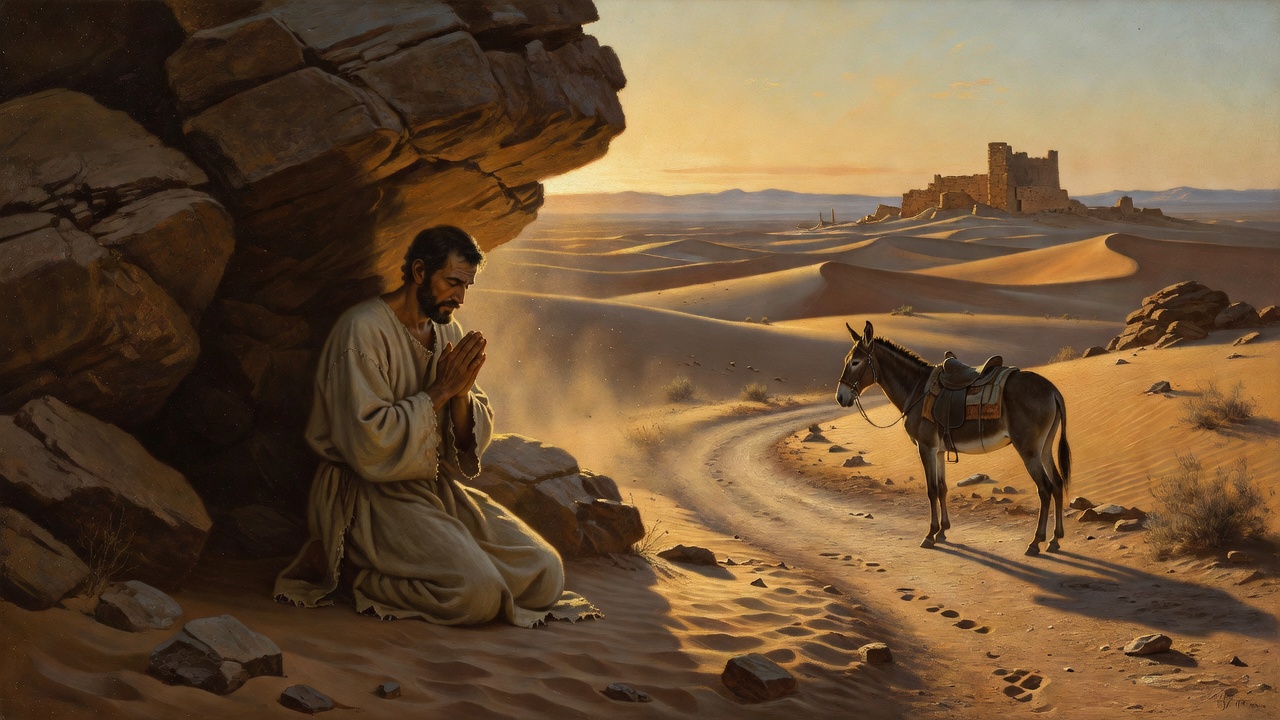
Did you know?
The Joy of Forgiveness and Guidance
- The psalm opens with the title designating it as a Maskil of David, a term traditionally associated with an instructional or contemplative song, reflecting on the contrast between the distress of hidden sin and the blessing of forgiveness.Sources: the Bible text itself
- The Hebrew term Selah appears three times in this psalm (verses 4, 5, and 7), commonly interpreted as a musical pause or a moment for reflection during the recitation of the text.Sources: the Bible text itself
- The psalm uses the imagery of working animals, contrasting the willing follower of divine counsel with stubborn horses and mules that require a bit and bridle to be guided.Sources: the Bible text itself
Notes written with AI assistance from open sources (Theographic Bible Metadata, CC BY-SA 4.0; Easton’s Bible Dictionary, public domain) and reviewed before publishing.
Credits and license for this translation
Asang Khongca Bible (2019)
The Holy Bible in the Asang Khongca language of Mynmar
Public Domain
Language: Asang Khongca (Chin, Eastern Khumi)
Dialect: Asaang Khongca
Published in Mynmar, which is not a signatory to international copyright treaties. Copyright may apply locally in Mynmar. Translator names withheld for security reasons.
2020-09-24
Source: http://ebible.org/cekak/ · eBible.org