Psalms 125
Asang Khongca Bible (2019) · Tap a verse to see its cross-references.
Kasang laa.
Angraeng loe pakaakung ah oh
1Angraeng oep kaminawk loe anghuen ai, dungzan kacak, Zion mae baktiah om o tih.
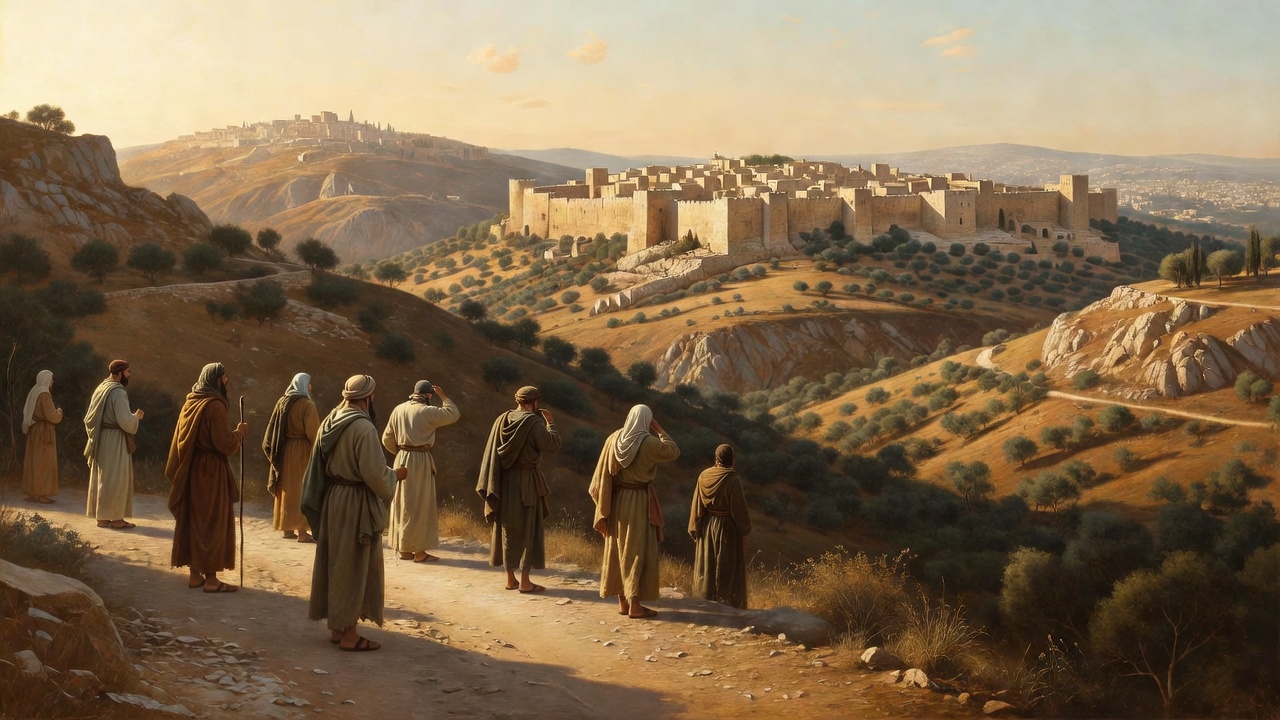
2Maenawk mah Jerusalem to takui khoep baktih toengah, Angraeng mah angmah ih kaminawk to vaihi hoi dungzan khoek to takui khoep.
3Katoeng kaminawk ih prae thungah kasae kaminawk ih cunghet to om mak ai, to tih ai nahaeloe katoeng kaminawk loe a ban to kahoih ai hmuen sak hanah patoh o moeng tih.
4Aw Angraeng, kahoih kaminawk hoi poektoeng kaminawk khaeah, kahoih hmuen to sah ah.
5Loklam kang koiah amkhraeng kaminawk loe, Angraeng mah kahoih ai hmuen sah kaminawk hoi nawnto caeh haih hmaek tih; toe Israel nuiah loe monghaih to om nasoe.
Did you know?
Unshakable Security in Jerusalem
- Psalm 125 is one of the Songs of Ascents, comparing those who trust in God to Mount Zion. Mount Zion was a naturally fortified hill in Jerusalem, surrounded by deep valleys on nearly all sides, making it a fitting symbol of permanence and stability.Sources: the Bible text itself · Mount Zion
- The psalmist draws on local geography by noting how mountains encircle Jerusalem. Built as a mountain fortress among neighboring heights, the city provided an evocative physical illustration of divine protection surrounding the community.Sources: the Bible text itself · Jerusalem
- The psalm concludes with a prayer for peace upon Israel, which resonates with the traditional interpretation of Jerusalem's Hebrew name as a foundation or possession of peace.Sources: the Bible text itself · Jerusalem
Notes written with AI assistance from open sources (Theographic Bible Metadata, CC BY-SA 4.0; Easton’s Bible Dictionary, public domain) and reviewed before publishing.
Places in this chapter
Only places identified with high confidence are shown (90% or more according to the scholarly sources compiled by OpenBible). Period map: DARE (Digital Atlas of the Roman Empire), CC BY 4.0; modern map: © OpenStreetMap contributors; places: OpenBible.info (CC BY 4.0).
Credits and license for this translation
Asang Khongca Bible (2019)
The Holy Bible in the Asang Khongca language of Mynmar
Public Domain
Language: Asang Khongca (Chin, Eastern Khumi)
Dialect: Asaang Khongca
Published in Mynmar, which is not a signatory to international copyright treaties. Copyright may apply locally in Mynmar. Translator names withheld for security reasons.
2020-09-24
Source: http://ebible.org/cekak/ · eBible.org