Job 33
Asang Khongca Bible (2019) · Tap a verse to see its cross-references.
1Toe Job, ka lok hae tahngai ah; ka thuih ih loknawk boih hae tahngai ah.
2Khenah, vaihi pakha ka angh moe, ka palai mah lokthuih.
3Ka loknawk loe ka poek toenghaih hoiah ni angzoh; ka palai mah kahoih palunghahaih lok to thuih.
4Sithaw ih Muithla mah ni kai hae sak moe, Thacak Angraeng ih takhi mah hinghaih ang paek.
5Na pathim thaih nahaeloe na patim ah, amsakcoek ah loe ka hmaa ah angdoe ah.
6Khenah, Sithaw hmaa ah kai doeh nang baktiah ni ka oh, kai doeh long hoiah ni sak toeng.
7Khenah, na zit han koi kai khaeah tidoeh om ai; na nuiah kazit ban to ka koeng mak ai.
8Na thuih ih lok to ka thaih, na thuih ih loknawk to ka thaih boeh,
9kai loe ka ciim, zae sakhaih ka tawn ai; sakpazaehaih doeh ka tawn ai.
10Khenah, Sithaw mah ka zaehaih pakrong; kai hae a misa ah ang suek,
11ka khok hae thlong ang thuk pae moe, ka caehhaih loklamnawk boih ang pakaa, tiah na thuih.
12Khenah, na thuih pazae boeh; lok kang pathim han vop, Sithaw loe kami pongah len kue.
13Anih mah ka sak ih hmuen kawng pongah lok pathim ai, tiah na thuih moe, Sithaw to na laisaep thuih loe?
14Sithaw mah lok vaito thuih pacoengah, kalah loklam bang hoiah lok a thuih pae let, toe kami mah panoek pae thai ai.
15Kami loe iih angam moe, iihhaih ahmuen ah a iih, qum amang ah hnuksakhaih mah,
16a naa thungah lok to thuih pae moe, thuitaekhaih lok to paek,
17kami mah sak atimhaih to pahnawt moe, amoekhaih tawn han ai ah a sak.
18Anih hinghaih to tangqom thung hoiah Sithaw mah pahlong moe, sumsen hoi duek han ai ah pakaa pae.
19Anih loe iihhaih ahmuen ah angsong hanah nathaih hoiah kami to thuitaek moe, ahuhnawk boih to natsak;
20To naah a hinghaih mah buh to panuet moe, palung mah buhcaak angnaa pae ai.
21Anih loe zaek kaeng boeh moe, kamtueng vai ai ahuhnawk doeh, amtueng boih.
22Ue, a hinghaih mah taprong to pangh tathuk, a hinghaih amrosakkungnawk khaeah phak tom boeh.
23Toe kaminawk khaeah toenghaih loklam to patuek hanah, van kami sangto thungah, maeto mah Sithaw hoi kami salakah laicaeh ah om nahaeloe,
24Sithaw mah anih to tahmen ah loe, Tangqom thung caeh han ai ah anih to pahlong ah; anih akranghaih to ka hnuk boeh, tiah thui tih.
25To naah anih ih ngan loe nawkta ngan baktiah angcoeng let ueloe, thendoeng nathuem ih baktih toengah om let tih.
26Anih mah Sithaw khaeah lawkthui ueloe, mikhmai hoihaih to hnu tih; anghoehaih hoi Sithaw ih mikhmai to hnu tih; Sithaw mah a toenghaih to kami hanah paek.
27Anih mah kaminawk hmaa ah, Mi kawbaktih mah doeh ka zae moeng boeh, toenghaih to toeng ai ah ka sak moeng boeh, to hmuen mah kai han avanghaih tidoeh na paek ai, tiah thui nahaeloe,
28Anih mah tangqom thung hoiah a hinghaih to akrang ueloe, a hinghaih mah aanghaih to hnu tih.
29Khenah, Sithaw mah hae hmuennawk hae kami khaeah sak toepsoep;
30anih hinghaih to tangqom thung hoiah amlaemsak let moe, hinghaih paek aanghaih thungah a caeh haih.
31Aw Job, naa to patuengah loe, ka lok hae acoehaih hoiah tahngai ah; anghngai duem ah; lok kang thuih han vop.
32Lokthuih na koeh nahaeloe, na pathim ah; toenghaih hnuksak han ka koeh pongah, lok na thui ah.
33Toe lokthuih han na tawn ai nahaeloe, ka lok hae tahngai ah; anghngai duem ah, palunghahaih kang patuk han, tiah a naa.
Did you know?
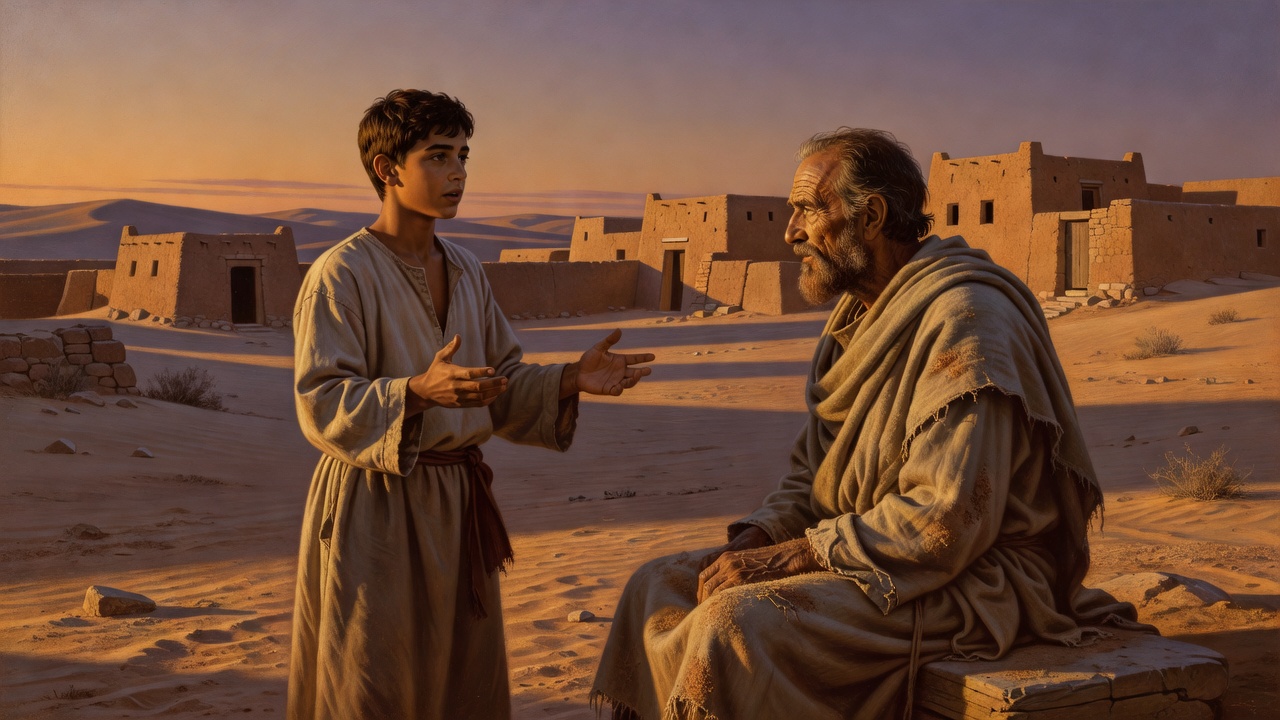
Elihu Speaks on God's Discipline and Mediation
- Elihu approaches Job not with overwhelming authority, but as a fellow mortal created by the breath of God and shaped from clay. He assures Job that he will not use intimidation or physical force to overpower him in their debate.Sources: the Bible text itself
- In response to Job's complaint that God remains silent, Elihu argues that God speaks repeatedly through nocturnal dreams, visions, and physical suffering. According to Elihu, these painful experiences serve a disciplinary purpose to turn people from pride and preserve them from the Pit.Sources: the Bible text itself
- Elihu describes the possibility of an angelic messenger or mediator who can intercede for a suffering person and declare a ransom. This divine intervention restores the person's physical vitality and enables joyful reconciliation with God.Sources: the Bible text itself
Notes written with AI assistance from open sources (Theographic Bible Metadata, CC BY-SA 4.0; Easton’s Bible Dictionary, public domain) and reviewed before publishing.
Credits and license for this translation
Asang Khongca Bible (2019)
The Holy Bible in the Asang Khongca language of Mynmar
Public Domain
Language: Asang Khongca (Chin, Eastern Khumi)
Dialect: Asaang Khongca
Published in Mynmar, which is not a signatory to international copyright treaties. Copyright may apply locally in Mynmar. Translator names withheld for security reasons.
2020-09-24
Source: http://ebible.org/cekak/ · eBible.org