Jeremiah 47
Asang Khongca Bible (2019) · Tap a verse to see its cross-references.
Philistin kawng thuihaih
1Faro mah Gaza tuh ai naah, Philistin kawng pongah tahmaa Jeremiah khaeah angzo Angraeng ih lok loe, 2Angraeng mah hae tiah thuih; Khenah aluek bangah tui to len tahang, tui uemhaih mah pha ueloe, prae hoi a thungah kaom hmuennawk boih, vangpui hoi a thung ih kaminawk to uem boih tih; to naah kaminawk qah o ueloe, prae thungah kaom kaminawk to hang o boih tih. 3Misanawk ih hrang khok tuenh, hrang lakoknawk ih atuen, hrang lakok khok tuennawk pongah, ampanawk ih bantha to zok o moe, a caanawk doeh khen o thai ai boeh; 4Philistin kaminawk amro boihhaih ni, Tura hoi Sidon abomh hanah anghmat kaminawk phreak boihhaih ni loe phak boeh; Angraeng mah Philistin kaminawk Kaptor prae ih anghmat kaminawk to amrosak tih boeh. 5Gaza loe sam to aat boih tih; Ashkelon doeh kanghmat azawnnawk hoi nawnto amrosak boeh; nasetto maw nangmah hoi nangmah to nang aah khing han vop? 6Aw Angraeng ih sumsen nang, anghngai duem ai ah nasetto maw na oh han vop? Nangmah ih tabu thungah pacaeng ah, anghak ah loe om duem lai ah, 7toe Ashkelon hoi tuipui taeng to tuk hanah, Angraeng mah lokpaek boeh pongah, kawbangmaw nang hak thai tih?
Did you know?
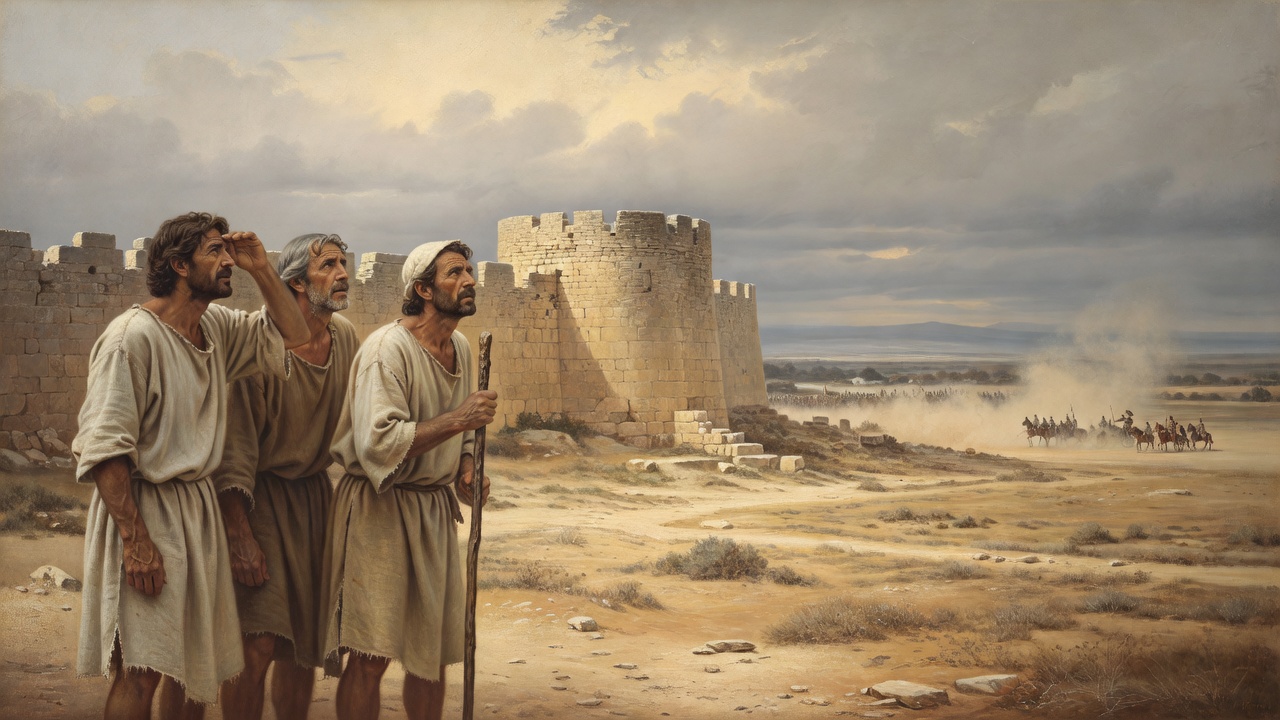
Judgment on the Philistines
- Jeremiah refers to the Philistines as the remnant from the coasts of Caphtor. Biblical traditions identify Caphtor as the place of origin of the Philistines, a location widely associated by scholars with Crete or parts of the eastern Mediterranean coast.Sources: the Bible text itself · Caphtor
- The chapter directs its warnings against Gaza and Ashkelon, two of the five prominent Philistine cities along the Mediterranean coast. Both were ancient centers known for their strategic position and trade links connecting Egypt and the surrounding regions.Sources: the Bible text itself · Gaza · Ashkelon
- The prophecy notes that the coming destruction would cut off every remaining ally from Tyre and Sidon. These two major Phoenician ports to the north were key maritime centers whose interests were closely intertwined with the coastal region.Sources: the Bible text itself · Tyre · Sidon
Notes written with AI assistance from open sources (Theographic Bible Metadata, CC BY-SA 4.0; Easton’s Bible Dictionary, public domain) and reviewed before publishing.
Places in this chapter
- Gaza · Today: Tell Harube · 31.504, 34.464 · verses 1, 5
- Sidon · Today: Sandikli archaeological site in Sidon · 33.561, 35.372 · verse 4
- Tyre · 33.271, 35.196 · verse 4
- Ashkelon · Today: Tel Ashkelon · 31.664, 34.546 · verses 5, 7
- Great Sea · Today: Mediterranean Sea · 31.805, 34.170 · verse 5
- Philistia · 31.664, 34.546 · verse 5
Only places identified with high confidence are shown (90% or more according to the scholarly sources compiled by OpenBible). Period map: DARE (Digital Atlas of the Roman Empire), CC BY 4.0; modern map: © OpenStreetMap contributors; places: OpenBible.info (CC BY 4.0).
Credits and license for this translation
Asang Khongca Bible (2019)
The Holy Bible in the Asang Khongca language of Mynmar
Public Domain
Language: Asang Khongca (Chin, Eastern Khumi)
Dialect: Asaang Khongca
Published in Mynmar, which is not a signatory to international copyright treaties. Copyright may apply locally in Mynmar. Translator names withheld for security reasons.
2020-09-24
Source: http://ebible.org/cekak/ · eBible.org