Jeremiah 16
Asang Khongca Bible (2019) · Tap a verse to see its cross-references.
Zulak han ai thuihaih
1To pacoengah Angraeng ih lok kai khaeah angzoh moe, 2hae ahmuen ah zu na la mak ai, caa nongpanawk hoi nongpatanawk doeh na sah mak ai. 3Hae ahmuen ah tapen capanawk hoi canunawk, nihcae tapen amnonawk hoi nihcae sah ampanawk kawng pongah, Angraeng mah hae tiah thuih, 4nihcae loe kasae duekhaih hoiah dueh o tih; nihcae to qah o haih mak ai, aphum doeh aphum o mak ai; nihcae loe long nuiah aek baktiah ni om o tih; sumsen hoi khokhahaih mah nihcae to paduek tih; nihcae qoknawk loe van ih tavaanawk hoi taw ih moi kasannawk han buh ah om tih. 5Angraeng mah hae tiah thuih; hae kaminawk khae hoiah ka monghaih, amlunghaih hoi palungnathaih to ka lak ving boeh pongah, dueh kami im ah akun hmah, qah haih hmah loe, palung doeh sae haih hmah, tiah Angraeng mah thuih. 6Kathoeng kalen tih ai nihcae loe hae prae ah dueh o boih tih; mi mah doeh nihcae to aphum mak ai, qah haih kami doeh om mak ai, nihcae pongah angmah hoi angmah ang aat kami om mak ai, sam aat kami doeh om mak ai. 7Kadueh qah haih kaminawk pathloep hanah, buh thaak pae kami mi doeh om o mak ai; ampa hoi amno to duek pongah palungsae kaminawk pathloep hanah tui boengloeng paek kami doeh om mak ai. 8Nang loe poihsakhaih ahmuen ah caeh hmah, nihcae hoi doeh nawnto anghnu hmah, nawnto nae hmah loe, caa hmah. 9Misatuh kaminawk ih Angraeng, Israel Sithaw mah, Khenah, hae ahmuen hoiah anghoehaih lok, oephaih lok, zu la thendoeng ih lok hoi sava sah tangla ih loknawk to nangcae dung hoi nangcae hmaa roe ah ka boengsak han, tiah thuih. 10Hae kaminawk khaeah hae loknawk hae na thuih pae naah, nihcae mah, Tipongah Angraeng mah hae baktih kalen parai amrohaih kaicae nuiah phaksak loe? Tih hmuen maw ka sakpazae o? Ka Angraeng Sithaw nuiah tih zaehaih maw ka sak o? tiah thuih o naah, 11nihcae khaeah, nam panawk mah kai ang pahnawt o moe, kalah sithawnawk hnukah bang o, nihcae ih tok to a sak pae o moe, a bok o; kai ang pahnawt o moe, ka patuk ih lok to pazui o ai; 12nangcae loe nam panawk pongah kanung kue hmuen to na sak o; khenah, ka lok tahngai han ai ah, kasae angmah ih palung mah thuih ih lok baktih toengah caeh o boih. 13To pongah hae prae thung hoiah nangcae hoi nam panawk mah panoek vai ai ih prae ah kang vah o ving han; to ahmuen ah khoving khodai kalah sithawnawk ih tok to na sah o tih; to ahmuen ah kang pahnawt o sut han, tiah Angraeng mah thuih. 14To pongah, khenah, Israel kaminawk Izip prae hoi zaehoikung, Angraeng loe hing, tiah thuihhaih om mak ai boeh; 15toe kaminawk mah, Aluek bang prae thung hoi Israel caanawk loisakkung, Angraeng loe hing tangtang, tiah thui o tih; nihcae to ampanawk khaeah ka paek ih prae ah ka caeh haih let han, tiah Angraeng mah thuih. 16Khenah, pop parai tanga naeh kaminawk to ka patoeh han, nihcae mah tanga naeh baktiah naeh o tih; moi kah kop kaminawk to ka patoeh bae han, nihcae mah moi zoep baktiah mae, maesom hoi thlungkhaw thung boih ah pakrong o tih, tiah Angraeng mah thuih. 17Nihcae caehhaih loklam to ka khet boih, nihcae loe ka hmaa hoi anghawk o ving thai ai, nihcae sakpazaehaih doeh ka hnuk han ai ah anghawk thai mak ai. 18Nihcae mah ka prae to amhnong o sak moe, qawk ah ka toep ih kaimah ih long to panuet thok kadueh qok hoi krang hoiah koi o sak pongah, a sakpazae o haih hoi a zae o haihnawk baktiah alet hnetto ka pathok han.
Jeremiah lawkthuihaih
19Aw Angraeng, nang loe raihaih ka tong naah ka thacakhaih, ka buephaih kacak sipae ah na oh; long boenghaih ahmuen hoiah Gentel kaminawk nang khaeah angzo o ueloe, Kaicae ampanawk loe lok amlai, tidoeh avang ai, atho kaom ai hmuennawk ni qawk ah toep o tangtang, tiah thui o tih. 20Kami mah Sithaw tang ah kaom ai, sithaw rumramnawk to angmah hanah sak maw? 21To pongah, khenah, nihcae to ka panoeksak han, ka ban hoi ka thacakhaih to vaihi nihcae khaeah ka panoeksak han; to naah ni nihcae mah kai ih ahmin loe Angraeng ni, tiah panoek o tih.
Did you know?
A Prophet's Solitude and Signs of Judgment
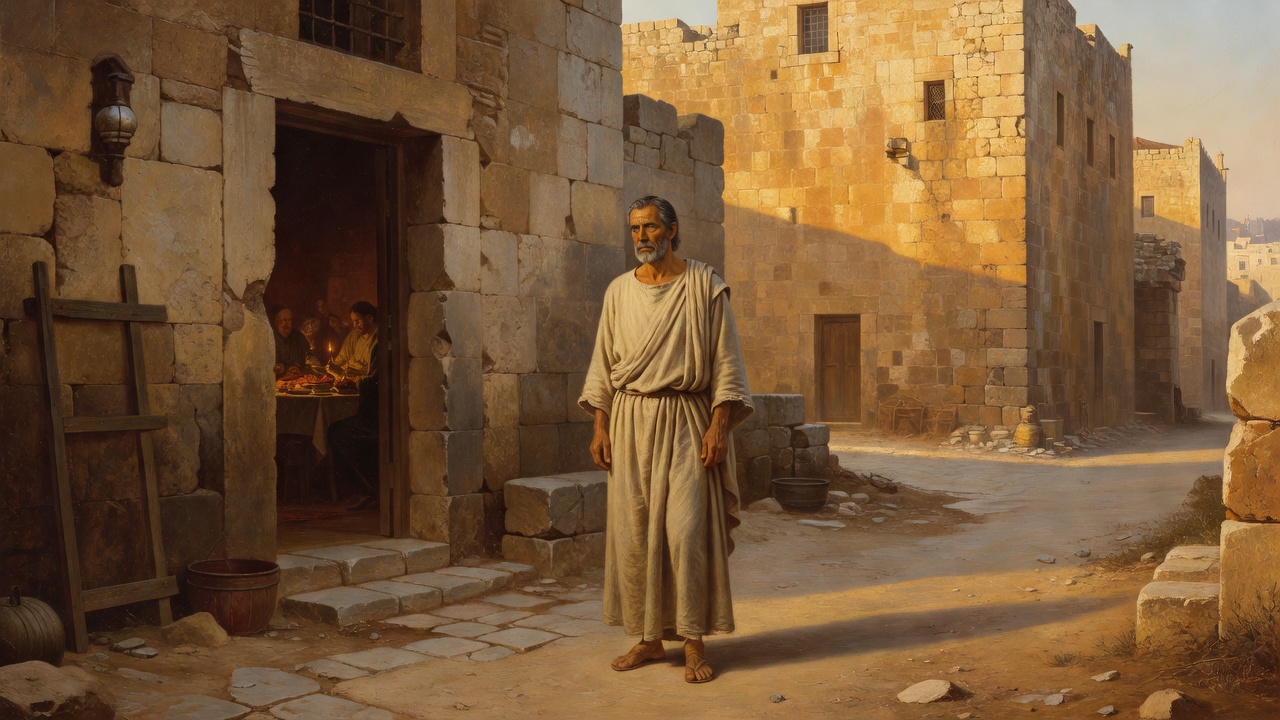
- God commands Jeremiah to abstain from marriage, funeral meals, and festive gatherings. His enforced isolation served as a living sign to the people that catastrophic loss, famine, and sword would soon eliminate both joyful celebrations and normal mourning rituals from the land.Sources: the Bible text itself
- The chapter lists customary mourning practices of the era, including sharing a cup of consolation and bread for the bereaved, as well as shaving the head and cutting the body in grief. The scale of the coming disaster would be so overwhelming that these traditional communal expressions of grief would cease completely.Sources: the Bible text itself
- Historically, the exodus from Egypt served as Israel's foundational narrative of divine deliverance. Jeremiah prophesies that a future restoration from exile in the northern lands would eclipse even the memory of the deliverance from Egypt.Sources: the Bible text itself · Egypt
Notes written with AI assistance from open sources (Theographic Bible Metadata, CC BY-SA 4.0; Easton’s Bible Dictionary, public domain) and reviewed before publishing.
Places in this chapter
- Egypt · 30.129, 31.308 · verse 14
Only places identified with high confidence are shown (90% or more according to the scholarly sources compiled by OpenBible). Period map: DARE (Digital Atlas of the Roman Empire), CC BY 4.0; modern map: © OpenStreetMap contributors; places: OpenBible.info (CC BY 4.0).
Credits and license for this translation
Asang Khongca Bible (2019)
The Holy Bible in the Asang Khongca language of Mynmar
Public Domain
Language: Asang Khongca (Chin, Eastern Khumi)
Dialect: Asaang Khongca
Published in Mynmar, which is not a signatory to international copyright treaties. Copyright may apply locally in Mynmar. Translator names withheld for security reasons.
2020-09-24
Source: http://ebible.org/cekak/ · eBible.org