Isaiah 55
Asang Khongca Bible (2019) · Tap a verse to see its cross-references.
Len parai pacaehaih
1Aw tui anghae kaminawk, angzo oh, tuikung ah angzo oh; nangcae phoisa tawn ai kaminawk, Angzo oh, qan oh loe caa oh! Ue, angzo oh, misurtui hoi tahnutui to phoisa paek ai ah qan oh. 2Tipongah buh ah kaom ai hmuen pongah phoisa to na pasaeng o moe, zok amhah ai hmuen pongah tha tho na pasaeng o loe? Ka lok hae hoidakta ah tahngai oh, kahoih caaknaek to caa oh, to tiah ni na hinghaih mah kating ai anghoehaih to hnu tih. 3Na naa to patueng oh loe, kai khaeah angzo oh; na pakhra hing thai hanah ka lok hae tahngai oh; nangcae hoi dungzan lokmaihaih to ka sak moe, oepthok amlunghaih to David khaeah ka paek han. 4Khenah, anih to kaminawk boih hnukung, zaehoikung hoi lok thuikung ah ka sak boeh. 5Khenah, anih mah ang pakoeh moe, Angraeng na Sithaw, Ciimcai Israel Sithaw rang hoiah, na panoek vai ai ih acaeng to na kawk tih, nang panoek vai ai kaminawk doeh nangcae khaeah cawn o tih: 6Anih hnuk thai koiah oh naah Angraeng to pakrong oh, kazoi ah oh naah kawk oh. 7Kasae kami mah a caehhaih loklam to toengh nasoe loe, katoeng ai poekhaih tawn kami mah katoeng ai a poekhaihnawk to toengh lai nasoe; Angraeng khaeah amlaem nasoe, to tiah ni anih mah a nuiah palungnathhaih to tawn tih; aicae Sithaw khaeah amlaem nasoe, to tiah nahaeloe a zaehaih to tahmen pae tih. 8Ka poekhaihnawk loe nangcae poekhaih hoiah anghmong ai; kai ih loklamnawk doeh nangcae ih loklamnawk hoiah anghmong ai, tiah Angraeng mah thuih. 9Vannawk loe long pongah sang o kue baktih toengah, kai ih loklamnawk loe nangcae ih loklamnawk pongah sang kue, ka poekhaihnawk doeh nangcae poekhaihnawk pongah sang kue. 10Khotui hoi dantui loe van hoi krak tathuk pacoengah amlaem tanghang let ai; long to a duksak moe, aankungnawk to amprawksak; tadok tacawtsak moe, aanmu haeh kami hanah thingthai to athaisak, buhcaa kami hanah buh to ohsak: 11ka pakha hoi tacawt lok loe to tiah om tih; azom pui ah kai khaeah amlaem mak ai, ka koehhaih to acungsak ueloe, toksak hanah ka patoeh ih hmuen to akoepsak tih. 12Nangcae loe anghoehaih hoiah na caeh o tih, lunghoihta ah na caeh o haih tih; maenawk hoi maesomnawk loe na hmaa ah laasakhaih hoiah hang o tih, taw ih thingnawk boih anghoehaih hoiah ban tabaeng o tih. 13Soekhringkung zuengah hmaica thing amprawk ueloe, kapring zuengah thing kamtak thing to amprawk tih; hae loe Angraeng ih ahmin panoek poehaih ah om ueloe, dungzan anghmaa thai ai angmathaih ah om tih boeh, tiah thuih.
Did you know?
A Free Invitation and an Everlasting Covenant
- Isaiah 55 opens with a marketplace metaphor, inviting the thirsty and impoverished to receive water, wine, milk, and bread without money. It contrasts costly labor that fails to nourish with listening to God, which brings true life and delight.Sources: the Bible text itself
- The passage promises an everlasting covenant grounded in the faithful devotion shown to David. According to biblical tradition, David was the youngest son of Jesse from Bethlehem who was appointed as a leader and witness to the nations.Sources: the Bible text itself · David
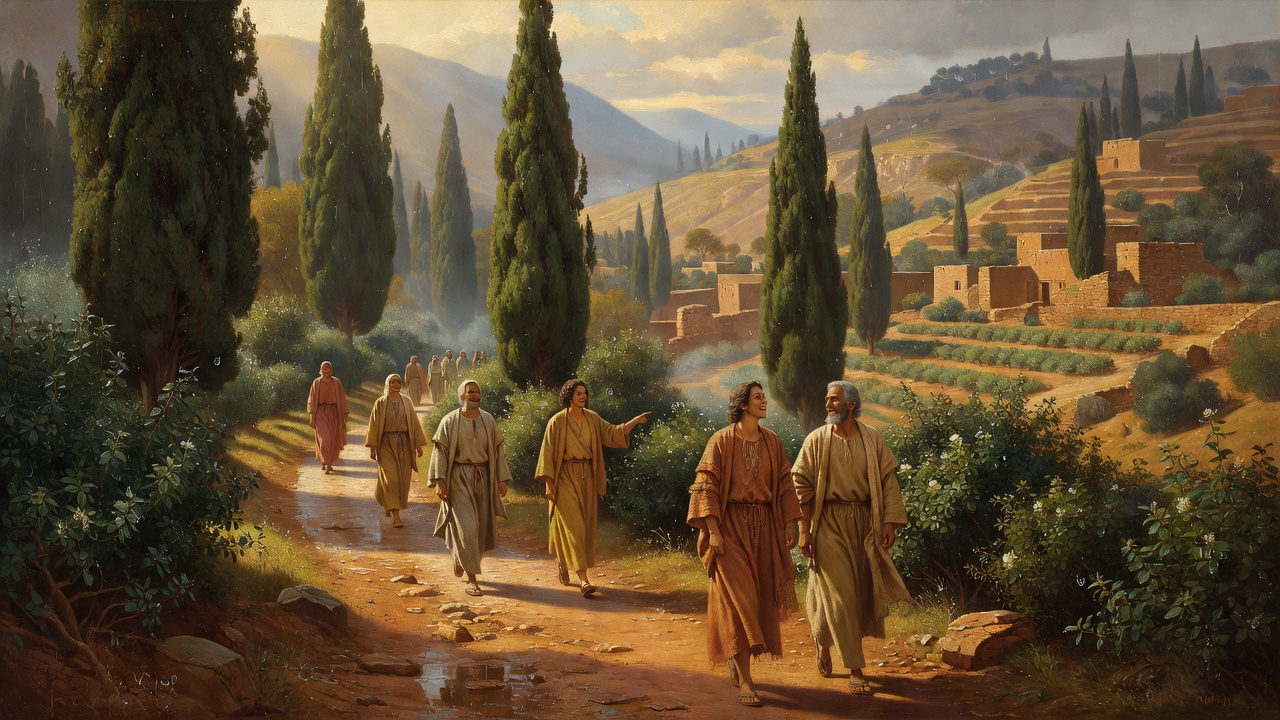
- The prophet compares the effectiveness of the divine word to rain and snow that water the earth, ensuring growth and harvest. This transformation is pictured as lush cypress and myrtle replacing desert thornbushes and briers.Sources: the Bible text itself
Notes written with AI assistance from open sources (Theographic Bible Metadata, CC BY-SA 4.0; Easton’s Bible Dictionary, public domain) and reviewed before publishing.
Credits and license for this translation
Asang Khongca Bible (2019)
The Holy Bible in the Asang Khongca language of Mynmar
Public Domain
Language: Asang Khongca (Chin, Eastern Khumi)
Dialect: Asaang Khongca
Published in Mynmar, which is not a signatory to international copyright treaties. Copyright may apply locally in Mynmar. Translator names withheld for security reasons.
2020-09-24
Source: http://ebible.org/cekak/ · eBible.org